
Natural Sciatica Support: Essential Oil Strategies for Nerve Pain
April 4, 2026
A calmer body starts with a smarter plan—support the nerve, soothe the tissues, keep moving
Sciatica pain can feel unpredictable—one day it’s a dull ache in the low back or hip, the next it’s a sharp, electric line down the leg. While essential oils won’t “fix” the underlying cause of sciatica, they can be a practical part of a broader comfort routine: easing muscle tension, supporting relaxation (which can reduce pain sensitivity), and helping you stay consistent with gentle movement. At YL Family
, we focus on simple, family-friendly strategies that pair clean living with realistic self-care—especially for busy households trying to avoid unnecessary toxins while still getting results.
First: what “sciatica” really means (and why it matters)
“Sciatica” is a set of symptoms caused by irritation or compression along the sciatic nerve pathway. The sensation can include burning, tingling, numbness, or shooting pain that travels from the low back into the glute, hamstring, calf, or foot. Mild cases often improve with time and self-care, but symptoms like significant weakness
or bowel/bladder changes
are red flags and need prompt medical evaluation. (If you’re unsure, err on the side of safety and get assessed.) Harvard Health and Cleveland Clinic both highlight bowel/bladder changes and muscle weakness as “don’t-wait” signs. ( health.harvard.edu)
Important note:
Essential oils are best viewed as supportive
—helping you relax, breathe more deeply, tolerate gentle stretching, and soothe tight muscles around the area. They are not a substitute for diagnosing a disc issue, spinal stenosis, or other structural causes.
How essential oils can fit into natural pain management
When people search for sciatica relief oils
or nerve pain support
, they’re usually looking for something that helps in the moment—without harsh smells, questionable ingredients, or a complicated routine. Essential oils can be used in two main ways:
Evidence for lavender’s benefits is mixed depending on the condition studied, but NCCIH notes it’s unclear whether lavender aromatherapy helps anxiety or sleep across the board, and also highlights safety considerations for topical products in children. ( nccih.nih.gov)
1) Aromatic (inhalation/diffusion):
Supports calm, which can lower perceived pain and make it easier to rest.
2) Topical (properly diluted):
Supports sore muscles and creates a warming/cooling sensation that many people find comforting.
| Approach | Best for | How it feels | Safety reminders |
|---|---|---|---|
| Diffusion / aromatic use | Wind-down, stress tension, bedtime routines | Gentle, ambient | Ventilate; pause if headaches/nausea; keep away from pets if sensitive |
| Topical (diluted) | Tight glutes/hips, post-walk soreness, “hot spot” comfort | Warming/cooling, soothing | Always dilute; patch test; avoid eyes/mucous membranes; avoid broken skin |
| Movement pairing | Staying consistent with gentle activity | Supportive, “I can do this” | Stop if pain spikes or you develop numbness/weakness |
Safety first: dilution rules that actually protect your skin
The fastest way to turn a “natural” routine into an uncomfortable problem is using oils too strong. Reputable aromatherapy safety guidance consistently emphasizes dilution
for topical use and extra caution for children, older adults, and anyone with sensitive skin. NAHA and the American College of Healthcare Sciences both provide dilution guidance and broader safety considerations. ( naha.org)
Simple dilution guide (adults):
1% dilution:
gentle daily-use option for larger areas
2% dilution:
common for short-term comfort on small/medium areas
Lower is better
if you’re new to essential oils, prone to irritation, or applying repeatedly.
Peppermint caution:
Peppermint is popular for its cooling feel, but it’s also more likely to irritate if overused. NCCIH notes limited evidence for topical peppermint oil in certain pain-related uses (like tension headache), and topical use can still irritate skin—so keep it diluted and avoid sensitive areas. ( nccih.nih.gov)
Step-by-step: a practical essential oil routine for sciatica days
This routine is designed for adults in the United States who want a natural pain management
approach that stays realistic. It’s also built to complement the self-care basics commonly recommended for sciatica: stay gently active, avoid bed rest, use heat/cold as appropriate, and seek care if symptoms worsen or don’t improve. ( health.harvard.edu)
1) Calm the nervous system first (2–5 minutes)
Use aromatic support before you stretch or move. A calmer nervous system can reduce “guarding,” where your muscles tighten protectively around a painful area.
Diffuser in a well-ventilated room for a short session
Or place 1 drop on a tissue, inhale gently for 3–5 slow breaths (avoid direct skin contact if you’re sensitive)
2) Apply a diluted comfort blend (1 minute)
Choose a carrier oil (fractionated coconut, jojoba, or olive oil). Start low and slow—especially around the low back and glute where skin can be sensitive.
Beginner-friendly topical recipe (adult):
Add essential oils to 1 tablespoon carrier oil and mix well. Massage into glute/hip area (not directly onto the spine).
Add essential oils to 1 tablespoon carrier oil and mix well. Massage into glute/hip area (not directly onto the spine).
Option A (gentle):
Lavender + Frankincense-style profile (comfort + calm)
Option B (cooling):
Lavender + a very small amount of Peppermint (use sparingly)
Patch test tip:
Apply a small amount to the inner forearm first. If irritation shows up, dilute more or discontinue. ACHS recommends patch testing and starting with lower dilution. ( achs.edu)
3) Pair with gentle movement (5–12 minutes)
Sciatica often responds best to movement that’s consistent
rather than intense. NHS guidance emphasizes regular exercise for sciatica and using appropriate services like physiotherapy when needed. ( nhs.uk)
Gentle walk:
5–10 minutes at an easy pace
Breathing + pelvic tilts:
slow, controlled, pain-free range
Stop/modify
if pain shoots, numbness increases, or weakness appears
4) Build a “bedtime buffer” if sleep is getting disrupted
Poor sleep increases pain sensitivity. Aromatherapy can be a supportive part of a wind-down routine, though research quality varies. NCCIH’s sleep overview suggests aromatherapy may help sleep quality in some studies but notes more rigorous research is needed. ( nccih.nih.gov)
Dim lights 60 minutes before bed
Warm shower or heating pad (if it helps your symptoms)
Diffuser session for 15–30 minutes, then off
Quick “Did you know?” facts
Did you know?
Many “sciatica” flares are influenced by more than one factor—nerve irritation plus surrounding muscle tension, stress, and sleep disruption can create a feedback loop.
Did you know?
Peppermint oil has limited evidence for some topical pain uses (like tension headache), but it’s also a common skin irritant if used too strong—dilution matters. ( nccih.nih.gov)
Did you know?
If your back/leg pain isn’t improving after a few weeks of self-care, or it’s worsening, it’s reasonable to book an evaluation. Mayo Clinic notes seeking care if back pain doesn’t improve with self-care within about 4 weeks. ( mayoclinic.org)
A United States angle: making natural routines practical for real life
In the U.S., a lot of families are balancing long workdays, driving time, and “always on” schedules—exactly the environment where sciatica can flare (extended sitting, stress tension, and inconsistent movement). A few simple shifts can make your essential oil routine more effective:
If you’re caring for kids/teens, keep oils stored safely out of reach, and be extra conservative with diffusion and topical use around children. Pediatric safety considerations and dilution guidance are emphasized in aromatherapy safety resources. ( naha.org)
Desk reset:
stand up every 30–60 minutes; do 30 seconds of gentle hip shifts
Car comfort kit:
a small diluted roller-style blend (or pre-mixed option) + water bottle
Night routine consistency:
same wind-down steps even on weekends
Shop supportive wellness favorites with YL Family
If you’re ready to build a cleaner, more consistent comfort routine—whether you’re brand new to essential oils or you’ve used them for years—YL Family can help you choose options that fit your home and your goals.
FAQ: Sciatica relief oils, nerve pain support, and safe use
Can essential oils cure sciatica?
They can’t cure the underlying cause (like disc irritation or spinal narrowing). They can, however, support comfort routines—especially relaxation, gentle massage (diluted), and sleep habits that help you recover.
Where should I apply oils for sciatica discomfort?
Many people prefer applying a properly diluted blend to the glute/hip area
and along tight supporting muscles (like outer hip). Avoid applying directly on irritated skin, mucous membranes, or near the eyes.
Is peppermint oil safe for nerve pain support?
It can be used topically only when diluted
and used conservatively. Peppermint can irritate skin and should be avoided near the face of infants/children. If you feel burning, wash off with carrier oil and discontinue. ( pmc.ncbi.nlm.nih.gov)
What are the “red flags” that mean I should get checked right away?
Seek urgent care if you have loss of bowel/bladder control
, progressive weakness
, or severe/worsening neurological symptoms. These can signal nerve damage and need prompt evaluation. ( my.clevelandclinic.org)
If my pain is “just annoying,” how long should I try home care?
If symptoms aren’t improving after a few weeks, or they’re interfering with sleep/work, schedule an evaluation. Mayo Clinic suggests seeing a clinician within about 4 weeks if back pain hasn’t improved with self-care. ( mayoclinic.org)
Glossary
Carrier oil:
A neutral oil (like fractionated coconut or jojoba) used to dilute essential oils for safer topical application.
Dilution (1% / 2%):
The concentration of essential oil in a carrier oil. Lower dilutions are typically gentler and safer for repeated use.
Patch test:
Applying a small amount of a diluted blend to a small skin area first to check for irritation before broader use.
Sciatica:
Symptoms (pain, tingling, numbness) along the sciatic nerve path, often from nerve irritation/compression in the low back.

Discover teen-friendly bedtime routines with gentle essential oils for 8–10 hours of sleep. Try simple wind-down steps for calmer nights and rested mornings.
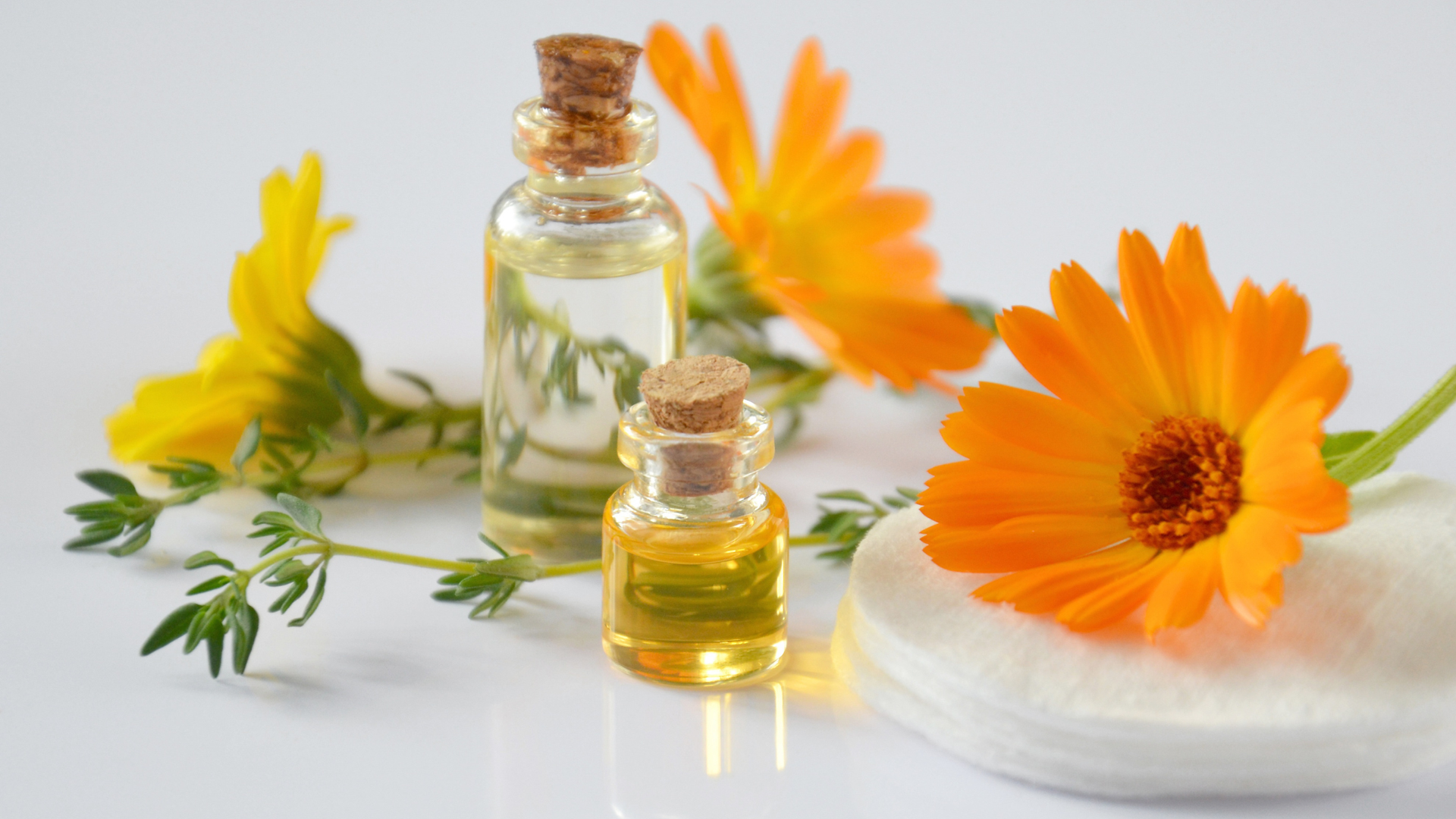
Learn essential oil safety & dilution basics with practical tips. Discover phototoxicity warnings, dilution ratios, and beginner routines for confident, safe use.

Learn to make eco-friendly DIY cleaning tablets with baking soda, citric acid & essential oils for effective, low-toxin home cleaning and reduced plastic waste.
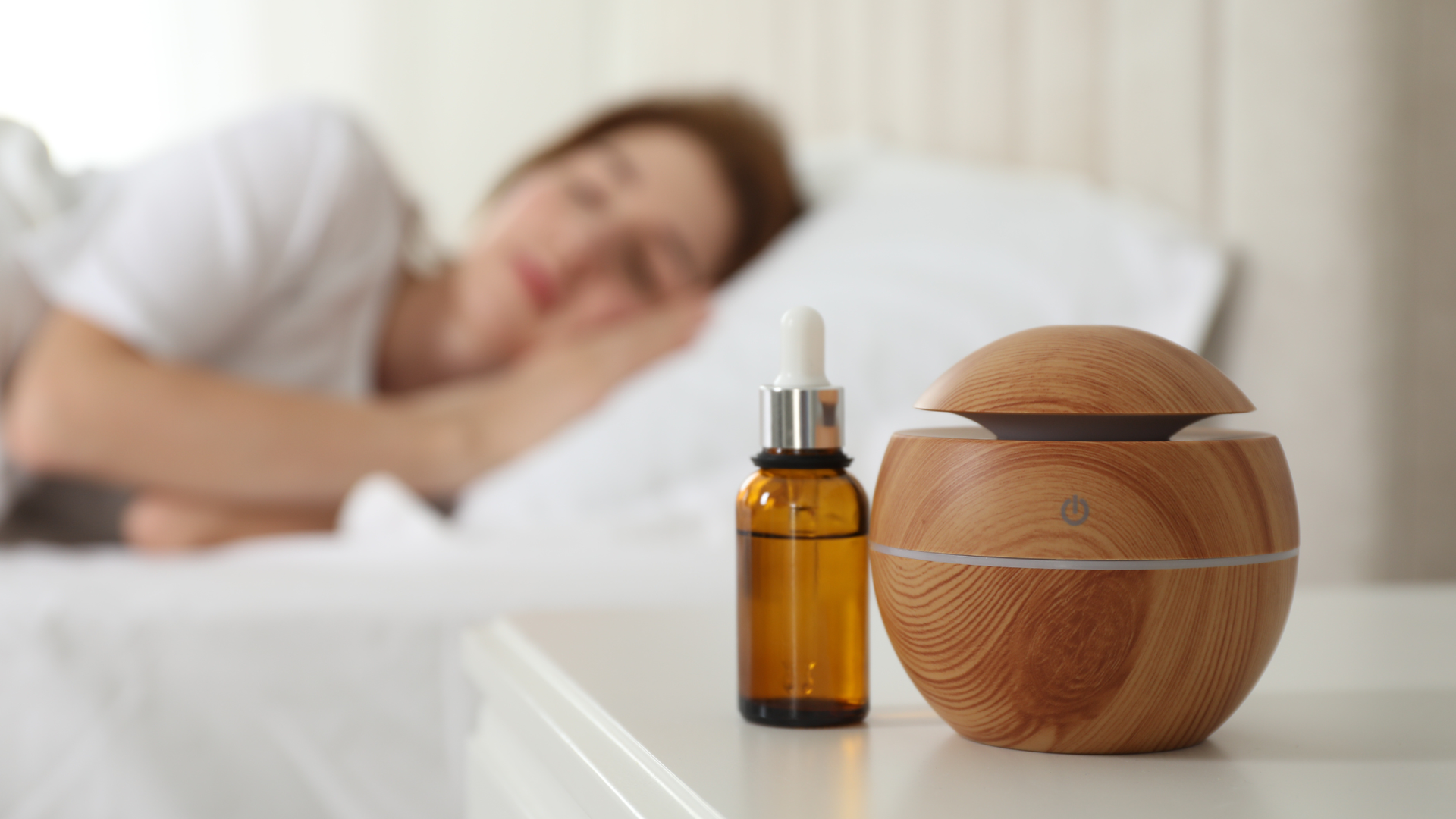
Learn to use essential sleep oils topically or aromatically for a calming bedtime routine. Get practical tips on diffusing, dilution, habit-building.

Unwind overworked joints before bed with a 10-minute essential oil massage. Get dilution tips, techniques, and simple routines for soothing nighttime comfort.

Build a gentle, toxin-free facial care routine with essential oils. Discover safe dilution, patch testing, AM/PM steps and tips for cleaner, healthier skin.

Discover 3 simple essential oil routines to ease work-life stress. Get safety tips and quick scent cues for calm focus and evening wind-downs.
Explore gentle, kid-safe essential oil blends to support your family's cold and flu wellness routines with safe dilution, diffusion tips, and home habits.

Discover a practical monthly menstrual self-care ritual using essential oils, heat, movement, and grounding habits. Safe, realistic tips for comfort and calm.

Kickstart your day with a 10-minute morning ritual using essential oils to support immunity, hydration, hygiene, and stress relief. Simple family tips.