
Post-Mother’s Day Bath Rituals: Essential Oils for Relaxation and Renewal
May 11, 2026
A simple reset for your nervous system—one warm soak at a time
Mother’s Day can be full of sweet moments—and also a lot of output: planning, cooking, hosting, traveling, caretaking, and making sure everyone else feels celebrated. The days after are a perfect time to rebalance. A bath ritual is one of the most effective “low-lift” ways to support relaxation because it combines warmth, quiet, and scent—three signals your body often reads as safe and restorative.
At YL Family , we love practical wellness that fits real life. If you’re new to essential oils or you’ve used them for years, the goal is the same: create a repeatable routine that helps you unwind, sleep better, and feel like yourself again—without overcomplicating it.
At YL Family , we love practical wellness that fits real life. If you’re new to essential oils or you’ve used them for years, the goal is the same: create a repeatable routine that helps you unwind, sleep better, and feel like yourself again—without overcomplicating it.
Why bath rituals work (beyond “self-care”)
A good bath ritual supports relaxation through multiple pathways:
Warm water
helps loosen tight muscles and encourages a “downshift” in your body.
Ritual + repetition
teaches your brain to associate a sequence (light → scent → soak → rinse) with winding down.
Aromatherapy
can be a powerful cue for calm when used thoughtfully and safely.
The best part: you don’t need a two-hour spa moment. Even 15–20 minutes can be enough to change how you feel—especially when you do it consistently.
Essential oil bath safety: the non-negotiables
Essential oils are concentrated. In bath water, they can float on the surface and contact skin in “hot spots” if they aren’t properly dispersed. That’s one of the most common reasons people experience irritation.
Do:
blend essential oils into a dispersing medium before they touch bath water (for example: a carrier oil, an unscented bath gel, or an appropriate solubilizer). Guidance on proper dispersion is emphasized by aromatherapy safety educators. ( tisserandinstitute.org)
Do:
start low and increase slowly. If you have sensitive skin, a history of eczema, or allergies, patch testing is wise. ( eczema.org)
Don’t:
add essential oils directly to bath water “drop by drop.” ( tisserandinstitute.org)
Don’t:
assume “natural” means non-irritating. Even diluted oils can trigger reactions in some people. ( webmd.com)
Simple starting point:
for many adults, a mild dilution approach is best for baths. If you’re pregnant, caring for kids, or managing a skin condition, choose extra-conservative amounts and consult your clinician if you’re unsure.
A practical “bath recipe” framework (mix + match)
Instead of chasing the perfect blend, use a simple structure you can repeat weekly:
Note on Epsom salts:
Many people enjoy them as part of a relaxing soak, but evidence for specific claims (like muscle soreness relief from Epsom salt baths) is mixed and not definitive. If you love them, use them for comfort—just keep expectations realistic. ( goodrx.com)
3 post-Mother’s Day bath rituals (choose what you need most)
1) “Decompress” bath (for mental load + tension)
Best when:
your mind won’t stop planning, even when you sit down.
How to do it: Choose a grounding scent profile (many people prefer herbal, resin, or soft floral notes). Keep the blend simple—think 1–2 oils total rather than a complicated mix. Disperse it properly, soak 15–20 minutes, then rinse and moisturize.
Extra reset: after the bath, write down the top 3 “open loops” you’re carrying. You’re not solving them—just unloading them.
How to do it: Choose a grounding scent profile (many people prefer herbal, resin, or soft floral notes). Keep the blend simple—think 1–2 oils total rather than a complicated mix. Disperse it properly, soak 15–20 minutes, then rinse and moisturize.
Extra reset: after the bath, write down the top 3 “open loops” you’re carrying. You’re not solving them—just unloading them.
2) “Sleep-ready” bath (for bedtime support)
Best when:
you feel tired, but your body is wired.
How to do it: Take your bath 60–90 minutes before bed. Keep water comfortably warm (not scalding). Use a gentle, calming scent profile. After the bath, keep lights low, skip email/social, and drink a small glass of water.
Consistency tip: use the same scent for two weeks so your brain learns the association.
How to do it: Take your bath 60–90 minutes before bed. Keep water comfortably warm (not scalding). Use a gentle, calming scent profile. After the bath, keep lights low, skip email/social, and drink a small glass of water.
Consistency tip: use the same scent for two weeks so your brain learns the association.
3) “Recovery” bath (for sore muscles + tight hips/shoulders)
Best when:
you’ve been on your feet, traveling, gardening, cleaning, or getting back into workouts.
How to do it: Keep the soak to 10–15 minutes if you tend to get lightheaded. Pair the bath with 3 minutes of gentle stretching afterward—neck rolls, hip openers, and slow calf stretches.
Practical note: If you use salts, mix your dispersed oils into your bath “base” first (carrier/gel), then combine with salts, then add to water—this helps reduce irritation risk compared with oils straight into the tub. ( tisserandinstitute.org)
How to do it: Keep the soak to 10–15 minutes if you tend to get lightheaded. Pair the bath with 3 minutes of gentle stretching afterward—neck rolls, hip openers, and slow calf stretches.
Practical note: If you use salts, mix your dispersed oils into your bath “base” first (carrier/gel), then combine with salts, then add to water—this helps reduce irritation risk compared with oils straight into the tub. ( tisserandinstitute.org)
Did you know? Quick facts that make baths work better
Less can be more with essential oils.
Starting with mild use reduces the chance of skin sensitivity over time—especially for fragrance-reactive skin. ( webmd.com)
Patch testing matters if your skin is reactive.
Eczema organizations commonly recommend patch testing before broader use. ( eczema.org)
A repeatable ritual beats a “perfect” one-time spa night.
Your nervous system responds to patterns.
A local-angle tip (United States): make it realistic for busy schedules
Across the U.S., late spring schedules fill fast—school events, sports, graduations, end-of-year deadlines, travel, and family gatherings. If you wait for a “perfect” evening, your reset might never happen.
Try a two-option plan :
Your body still learns the cue. That’s the win.
Try a two-option plan :
Option A (Full ritual):
20-minute bath + moisturize + early bedtime.
Option B (Micro ritual):
8–10 minutes + rinse + comfy clothes + 5 minutes of quiet breathing.
Add movement to seal the calm (optional, highly effective)
A bath relaxes you; gentle movement helps your body keep that relaxed range of motion.
Low-impact unwind:
Pair your bath night with a short stretch session. Explore Stretch & Tone Workout.
Strength for real life:
If your “mental load” comes with physical fatigue, gentle strength work can build resilience. See Functional Strength Training.
Quick sweat reset:
When you want an endorphin boost before a shower-bath combo, try Full body HIIT workout(then keep your bath routine extra gentle on skin).
Support your setup:
A stable mat makes post-bath stretching safer. Browse Premium 6mm Yoga mat
or Yoga Foam Roller.
Ready to build your post-Mother’s Day reset kit?
Stock your go-to essentials so your bath ritual is easy to repeat—oils, wellness favorites, and the little add-ons that make it feel special.
FAQ: Essential oil baths for relaxation
Can I put essential oils directly into bath water?
It’s not recommended. Oils can float and contact your skin in concentrated patches. Use a proper dispersing method (carrier oil, unscented bath gel, or an appropriate solubilizer) before adding to the tub. ( tisserandinstitute.org)
Are essential oil baths safe for sensitive skin or eczema?
Some people with sensitive skin react to essential oils, even when diluted. Patch testing and conservative use are commonly advised, and some eczema resources recommend avoiding essential oils due to sensitization risk. ( eczema.org)
Do Epsom salt baths actually work?
Many people find them relaxing, but evidence for specific benefits (like treating muscle soreness from exercise) isn’t strong. If you enjoy them, it’s fine to use them as part of a comfort routine. ( goodrx.com)
How long should I soak for relaxation?
Most people do well with 10–20 minutes. If you feel lightheaded, end the bath sooner, hydrate, and keep the water temperature moderate.
What’s the easiest way to make this a weekly habit?
Choose one day, one time window, and one scent theme you love. Keep your supplies together (oil + bath base + towel + moisturizer) so it’s frictionless.
Glossary
Carrier oil:
A neutral plant oil (used on skin) that helps dilute essential oils and reduce irritation risk.
Dilution:
The process of mixing essential oil into a larger amount of carrier or base so it’s gentler for skin.
Patch test:
Applying a small amount of a diluted product to a small area of skin for a few days to check for irritation or allergy. ( eczema.org)
Solubilizer:
An ingredient designed to help essential oils disperse more evenly in water-based products like baths, reducing floating oil “hot spots.” ( tisserandinstitute.org)

Discover teen-friendly bedtime routines with gentle essential oils for 8–10 hours of sleep. Try simple wind-down steps for calmer nights and rested mornings.
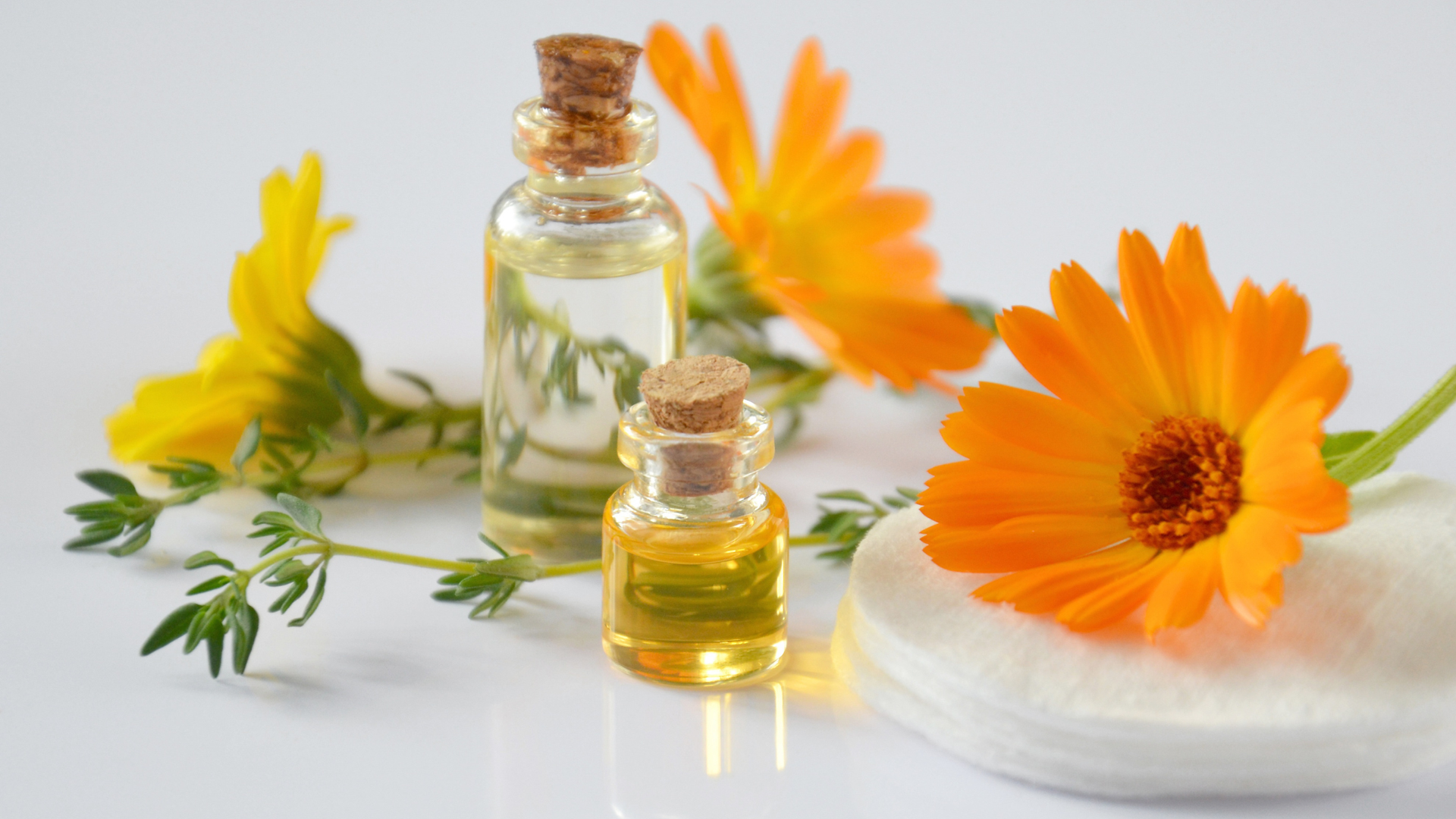
Learn essential oil safety & dilution basics with practical tips. Discover phototoxicity warnings, dilution ratios, and beginner routines for confident, safe use.
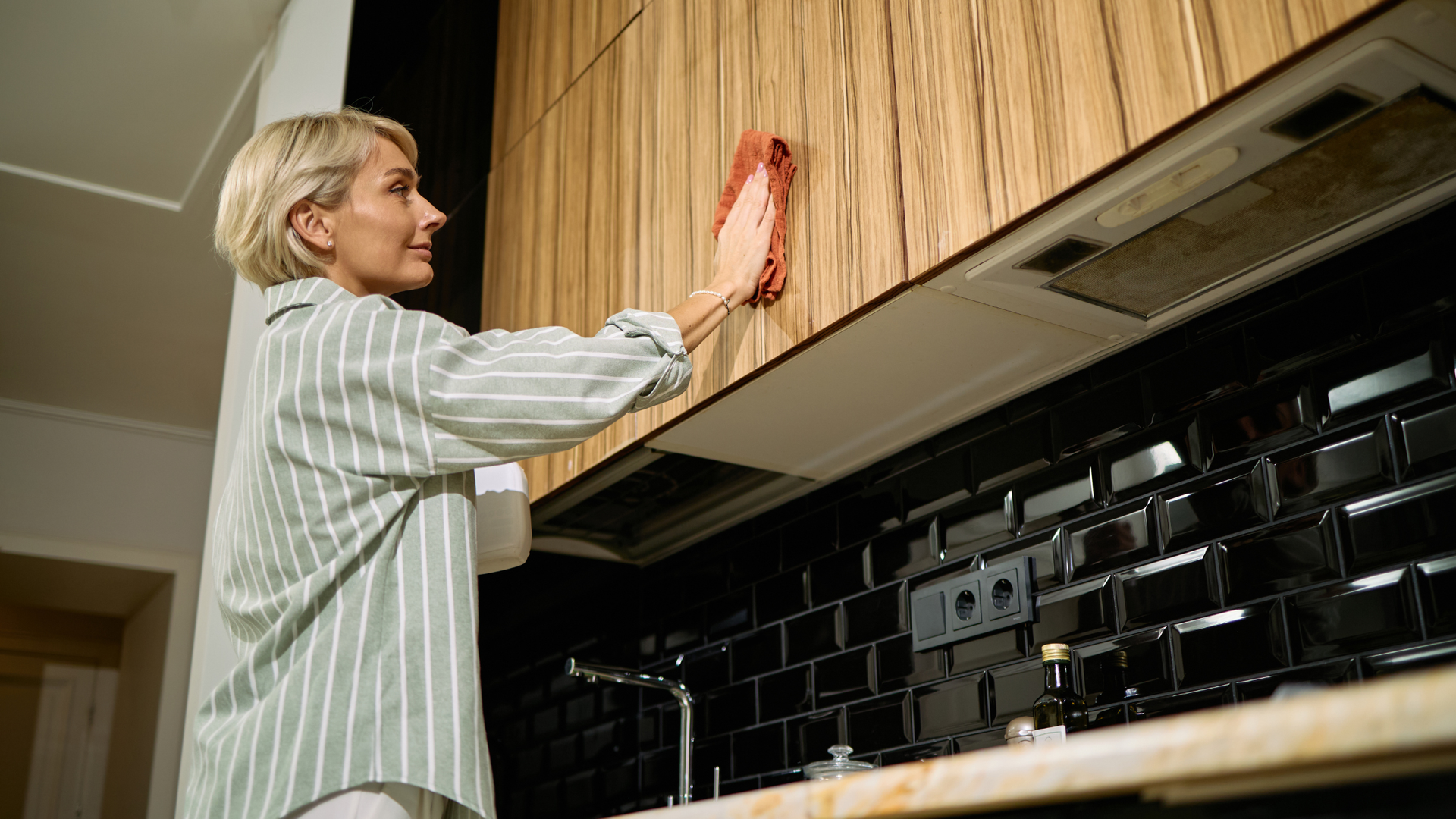
Learn to make eco-friendly DIY cleaning tablets with baking soda, citric acid & essential oils for effective, low-toxin home cleaning and reduced plastic waste.
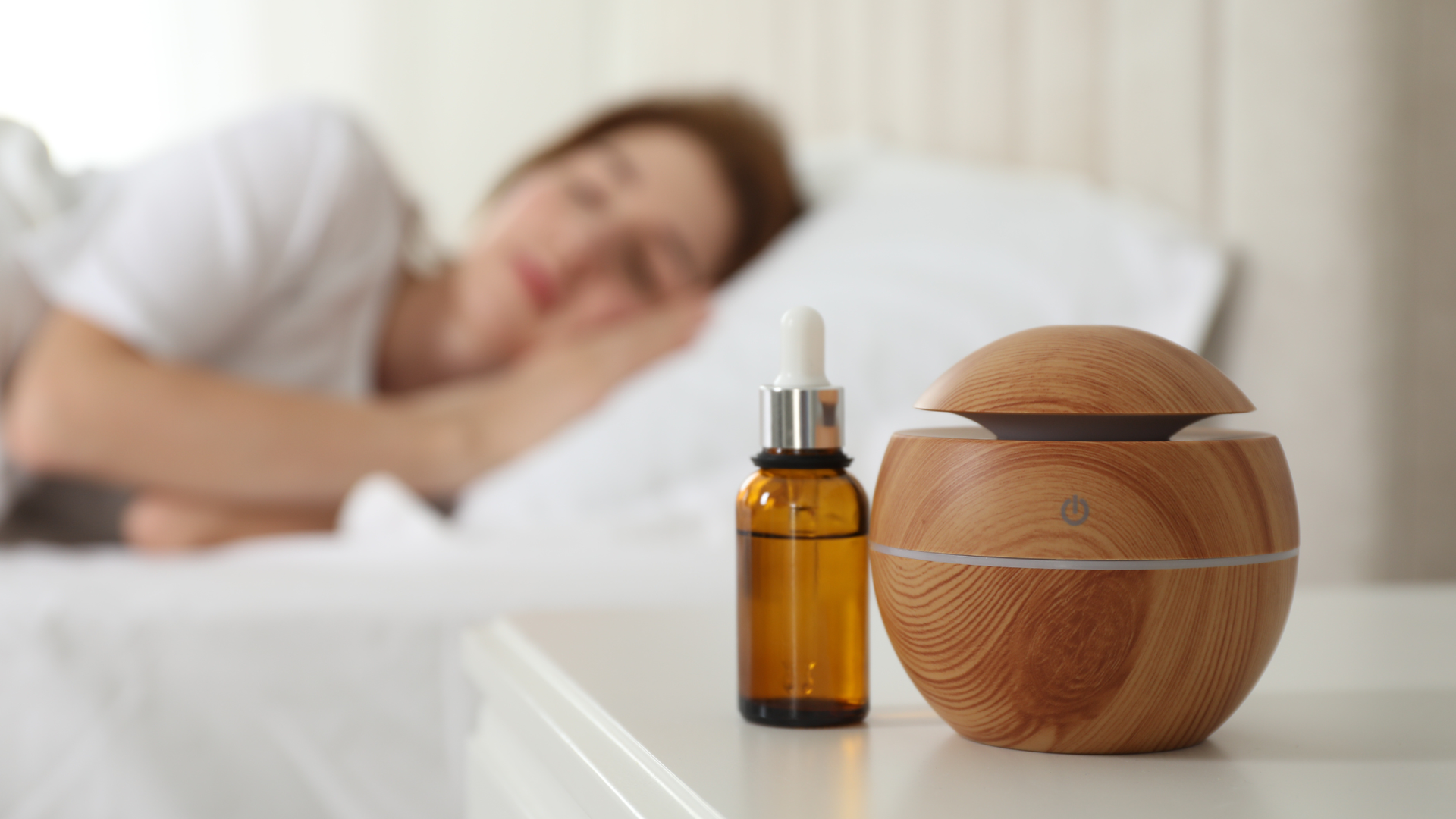
Learn to use essential sleep oils topically or aromatically for a calming bedtime routine. Get practical tips on diffusing, dilution, habit-building.
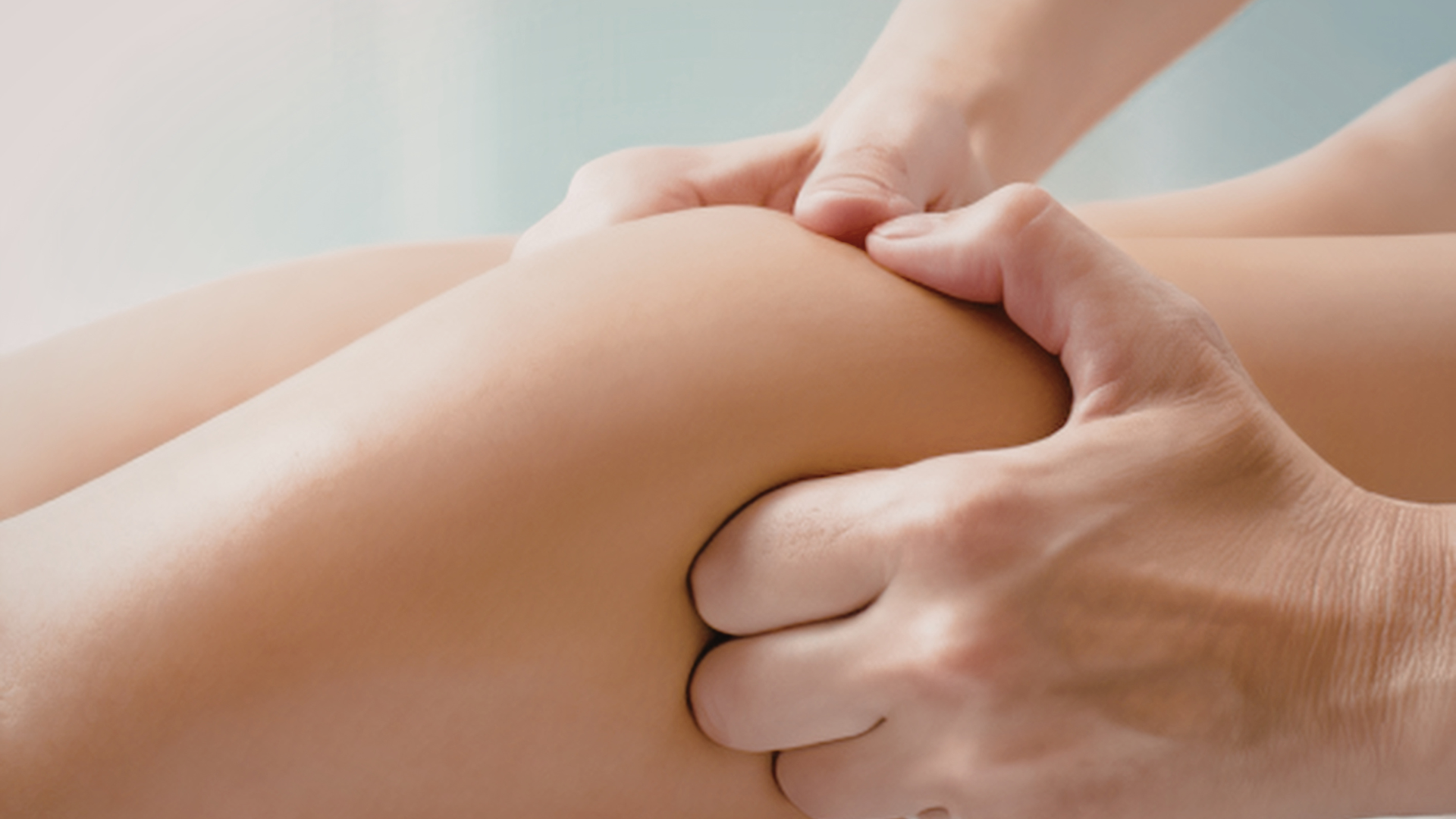
Unwind overworked joints before bed with a 10-minute essential oil massage. Get dilution tips, techniques, and simple routines for soothing nighttime comfort.
Build a gentle, toxin-free facial care routine with essential oils. Discover safe dilution, patch testing, AM/PM steps and tips for cleaner, healthier skin.

Discover 3 simple essential oil routines to ease work-life stress. Get safety tips and quick scent cues for calm focus and evening wind-downs.
Explore gentle, kid-safe essential oil blends to support your family's cold and flu wellness routines with safe dilution, diffusion tips, and home habits.
Discover a practical monthly menstrual self-care ritual using essential oils, heat, movement, and grounding habits. Safe, realistic tips for comfort and calm.

Kickstart your day with a 10-minute morning ritual using essential oils to support immunity, hydration, hygiene, and stress relief. Simple family tips.