Quick Aromatherapy Roll-Ons for Busy Moms: Stress Relief in a Bottle
Portable calm for the moments that feel like “too much”
If you’re a mom (or caregiver) juggling school drop-offs, meetings, meals, and everyone’s emotions, “stress relief” can’t always wait for a long bath or a full yoga class. Aromatherapy roll-ons are one of the simplest ways to bring a steadying ritual into real life: swipe, breathe, and keep going—without turning your whole day upside down.
At YL Family , we love roll-ons because they’re practical, repeatable, and easy to personalize—especially when you’re aiming for a cleaner, toxin-aware routine at home. Used thoughtfully, they can support your mood and help you feel more grounded during busy seasons.
What an aromatherapy roll-on is (and why it works for busy schedules)
A roll-on is a small bottle (often 5–10 mL) with a rollerball top that applies a pre-diluted blend of essential oils in a carrier oil (like fractionated coconut, jojoba, or sweet almond). The benefit is convenience: you get a consistent application without messy droppers, and it’s easy to keep one in a purse, diaper bag, desk drawer, or car console.
Most people use roll-ons in two ways: as a scent cue (you notice the aroma as it evaporates) and as a quick self-care action (the act of pausing to apply and breathe). That ritual—done in 20 seconds—can be surprisingly powerful when your nervous system is running hot.
Stress relief roll-ons: what to realistically expect
Aromatherapy is best viewed as support , not a substitute for medical care. Many people find that certain aromas feel calming, uplifting, or centering. Research on aromatherapy and anxiety/stress is mixed and depends on the oil, dose, and context, but inhaled oils like lavender and bergamot are commonly studied for relaxation and mood support.
For a busy mom, the win is often immediate and practical: fewer “snaps,” a softer response to chaos, and a quick way to signal to your brain, “We’re safe; we can slow down.”
Safety first: dilution, placement, and common “oops” moments
The biggest mistake we see with roll-ons is using oils too strong or applying them in too sensitive an area. A widely used guideline for topical use is about 2% dilution for healthy adults and about 1% for older children, sensitive skin, pregnancy, or older adults —and always more conservative when you’re unsure.
If you want the simplest approach: use a pre-diluted roll-on, apply to wrists or the back of the neck , and avoid sun exposure on any area where you used a citrus-heavy blend.
How to use a roll-on when you have 30 seconds
Step 1: Choose your “moment” (and keep it consistent)
Roll-ons work best when they become a cue tied to a predictable moment: before school drop-off, before a difficult conversation, after a stressful email, or right when you get into the car.
Step 2: Apply to a low-risk spot
For most adults, wrists , tops of shoulders , and back of neck are good choices. If you’re prone to skin sensitivity, start with one wrist only and evaluate how it feels over the next hour.
Step 3: Pair it with a simple breathing pattern
Try this: inhale slowly through the nose for 4 counts, exhale for 6 counts, repeat 3 times. This encourages a downshift (and the aroma becomes part of the cue).
Step 4: Re-apply with intention (not automatically)
If you’re reaching for your roll-on every 10 minutes, that’s a signal to adjust: you may need a gentler blend, a lower dilution, a different application spot, hydration, a snack, or a 2-minute reset away from the noise.
Pick the right roll-on for the right kind of stress
“Stress” isn’t one feeling. Sometimes it’s irritability. Sometimes it’s overwhelm. Sometimes it’s mental fog. Matching your roll-on to the moment makes it more useful—and prevents you from overdoing stronger oils when what you really need is gentle support.
| Your moment | Aroma direction | Where to apply | Notes |
| Overwhelm / “too much input” | Soft florals (lavender-style) or gentle grounding aromas | Wrists, back of neck | Keep dilution conservative if using throughout the day |
| Irritability / snappy mood | Bright but not sharp (bergamot-style, balanced blends) | Wrists, shoulders | Avoid sun on areas where citrus was applied |
| Afternoon slump / mental fog | Fresh, minty, or clarifying aromas (used sparingly) | Back of neck (avoid eyes) | Strong oils can feel “too intense” for some—start light |
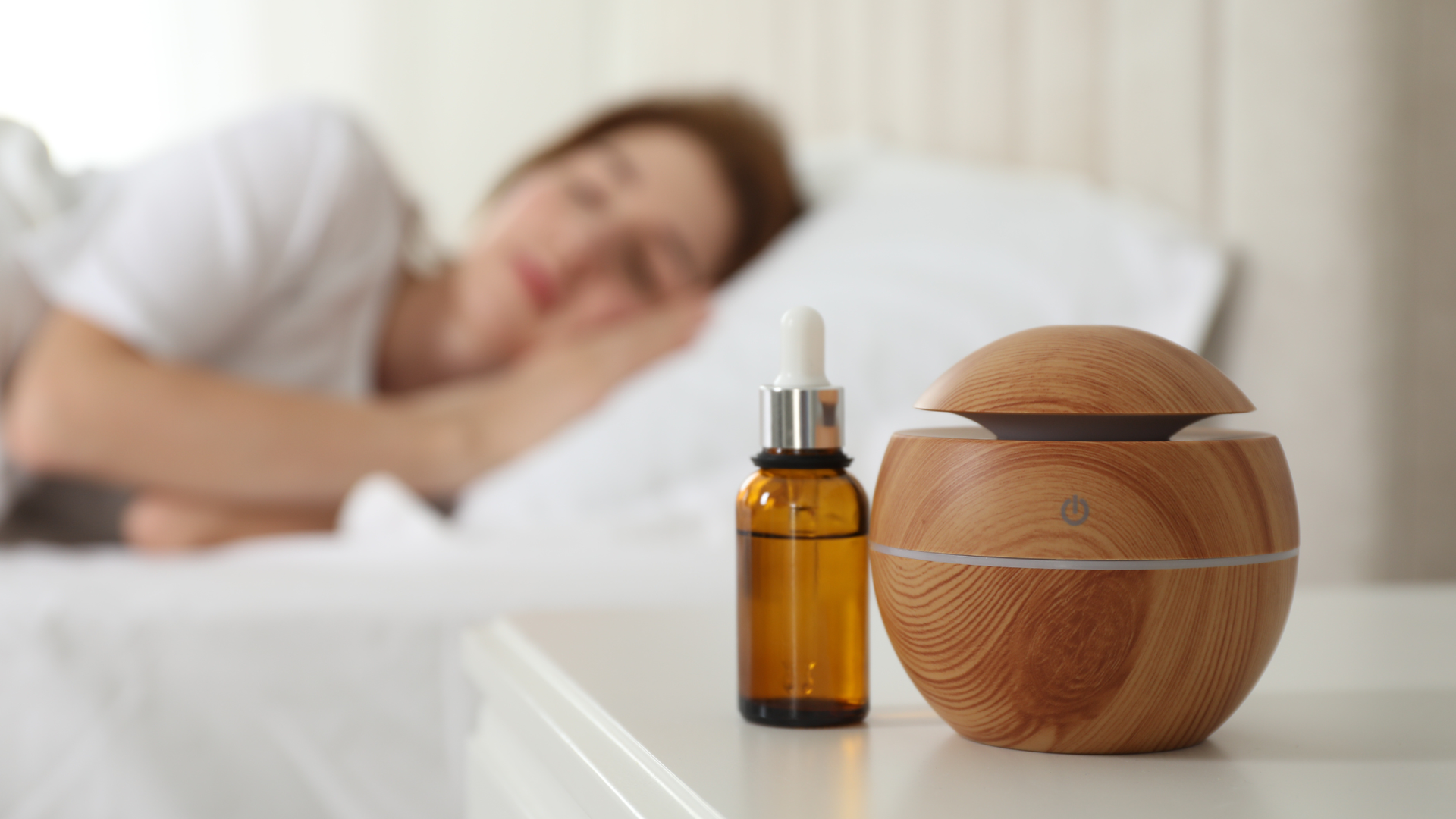
| Bedtime wind-down | Calming, cozy blends | Feet, shoulders | Pair with a consistent sleep routine for best results |
Local angle: stress-friendly routines that fit life in the United States
In the U.S., many families are balancing packed school calendars, longer commutes, and “always-on” work expectations. A roll-on can become a micro-boundary —a short pause that separates roles (work mode, parent mode, partner mode) so you’re not carrying the same tension from one part of the day into the next.
Try building a simple “three-touchpoint” rhythm:
Shop roll-ons and wellness essentials with YL Family
FAQ: Aromatherapy roll-ons for moms
Glossary