
Essential Oils for Plantar Fasciitis Relief: Step into Comfort
April 29, 2026
A gentle, home-friendly way to support foot comfort—without skipping the basics
Plantar fasciitis can make the first steps of the morning feel sharp, tight, and frustrating. While essential oils can’t “cure” plantar fasciitis, many people use them as part of a foot-care routine to support relaxation, soothe tired feet, and make stretching and massage feel more comfortable. At YL Family
(based in Parker, Colorado and serving families across the United States), we focus on practical, toxin-conscious wellness habits that pair beautifully with the proven foundations of plantar fasciitis care: stretching, supportive footwear, and smart recovery
.
Plantar fasciitis 101: what’s happening in your foot?
The plantar fascia
is a thick band of tissue that runs along the bottom of your foot, supporting your arch and absorbing stress with every step. Plantar fasciitis is commonly associated with irritation and overload of that tissue, often felt as heel pain or arch pain
—especially with “first-step” pain after rest.
Common contributors include sudden increases in activity, long hours standing, worn-out shoes, tight calves/Achilles, and foot mechanics that overload the heel and arch. The goal of at-home care is to reduce irritation , improve flexibility (especially calves/ankle), and support the foot while it calms down.
Common contributors include sudden increases in activity, long hours standing, worn-out shoes, tight calves/Achilles, and foot mechanics that overload the heel and arch. The goal of at-home care is to reduce irritation , improve flexibility (especially calves/ankle), and support the foot while it calms down.
Where essential oils fit: comfort support, not a stand-alone fix
Think of essential oils as a supportive layer
in a bigger plan. The most helpful way to use oils for feet is typically:
Oil + carrier
→ massage
→ stretching
→ supportive footwear
→ consistent routine
Many people choose essential oils like peppermint
(cooling sensation), lavender
(relaxation), frankincense
(commonly used in comfort routines), or eucalyptus
(invigorating aroma). Your best match depends on sensitivity, scent preference, and whether you want something more calming or more “wake up your feet.”
Important:
If you have diabetes, neuropathy, poor circulation, are pregnant/nursing, or you’re using medications that affect skin sensitivity, check with a clinician before starting topical essential oils.
A simple dilution guide (so your “foot pain relief” routine stays skin-friendly)
For most adults, a 1–2% dilution
is a common, conservative range for leave-on topical use (like foot massage oil). Feet can tolerate slightly higher dilutions for some people, but starting lower is wise—especially if you’re new to oils or prone to sensitivity.
| Goal | Dilution | Drops per 1 oz (30 mL) carrier oil | Best for |
|---|---|---|---|
| Gentle start | 1% | ~6 drops total | Sensitive skin, daily use, beginners |
| Everyday comfort | 2% | ~12 drops total | Massage + stretching routine |
| Spot use (short-term) | Up to 3%* | ~18 drops total | Occasional use if you tolerate oils well |
*If you go higher, do it thoughtfully: patch test first, avoid broken skin, and keep blends simple. When using multiple oils, the total drops
should match your dilution goal (not “12 drops of each”).
Did you know? Quick plantar fasciitis facts
“First-step pain” is a hallmark.
Pain is often worse when you first get out of bed or stand up after sitting.
Calf tightness matters.
Tight calves and limited ankle flexibility can increase strain on the plantar fascia.
Supportive footwear at home can help.
Going barefoot on hard floors can keep the tissue irritated.
Step-by-step: a 10-minute essential oils for feet routine (morning + evening)
This routine is designed to support foot pain relief
habits while staying aligned with what typically helps plantar fasciitis: gentle stretching, tissue mobility, and consistency.
1) Blend your foot oil (1–2 minutes)
In a clean 1 oz (30 mL) bottle, add:
Top with a carrier oil (fractionated coconut oil, jojoba, or sweet almond oil). Shake gently.
Option A (calming):
Lavender + Frankincense (total 6–12 drops)
Option B (cooling):
Peppermint + Lavender (total 6–12 drops)
2) Massage the right spots (3 minutes)
Apply a small amount to your foot and focus on:
Heel edge + arch
(not aggressive pressure directly on the sorest point)
Mid-arch tissue
with slow, steady strokes
Calves
(often overlooked—tight calves can keep the heel irritated)
3) Add two key stretches (4 minutes)
Calf stretch (wall):
30–45 seconds each side, 2 rounds.
Plantar fascia stretch (toe pull): While seated, cross your ankle over your knee and gently pull your toes back until you feel a stretch in the arch; 20–30 seconds, 2 rounds.
Plantar fascia stretch (toe pull): While seated, cross your ankle over your knee and gently pull your toes back until you feel a stretch in the arch; 20–30 seconds, 2 rounds.
4) Finish with smart support (1 minute)
Put on supportive footwear or recovery slides—especially if you’re walking on hardwood or tile. Consistency here is a big deal for keeping the tissue calmer during the day.
Optional comfort add-on:
Roll your foot on a frozen water bottle for 2–3 minutes after activity (ice + gentle tissue glide in one).
Local angle: plantar fasciitis triggers we see often across the United States
Even though YL Family
is rooted in Colorado, we support customers all over the U.S.—and the patterns are familiar:
• Seasonal activity spikes:
spring “back-to-walking,” summer travel, and fall training ramps can overload the foot quickly.
• Hard floors + barefoot habits:
common in busy households—especially when you’re cooking, cleaning, or chasing kids.
• Old shoes:
cushioning and support break down quietly; pain is often the first “notification.”
If your routine includes oils, make it part of a bigger plan: supportive footwear, mobility, recovery days, and gradual returns to impact activities.
Ready to build a simple, consistent foot-care routine?
Shop curated essentials and wellness favorites through YL Family—perfect for creating a toxin-conscious, at-home comfort routine for feet, stress, sleep, and recovery.
Tip: If you want targeted support beyond feet, explore YL Family’s wellness areas like stress & mood, sleep & rest, and body discomfort.
FAQ: essential oils for plantar fasciitis & foot pain relief
Do essential oils cure plantar fasciitis?
Essential oils don’t cure plantar fasciitis. They can support comfort by making massage and relaxation routines more enjoyable, but most lasting improvement comes from consistent stretching, strength/mobility work, and supportive footwear habits.
What are the best essential oils for feet when my heel is sore?
Many people like lavender (calming), peppermint (cooling sensation), frankincense (popular in comfort routines), or eucalyptus (refreshing aroma). Choose based on scent preference and skin sensitivity, and always dilute properly in a carrier oil.
Where should I apply a diluted blend for plantar fasciitis oils?
Focus on the arch, the edges of the heel, and the calves. Avoid aggressively pressing directly into the most tender point. Gentle consistency usually beats “deep and painful” massage.
How often should I use oils for foot pain relief?
For many adults, 1–2 times daily works well (morning and evening), especially paired with stretching. If your skin gets irritated or dry, reduce frequency or lower the dilution.
When should I get medical care for heel pain?
Seek evaluation if you have severe pain, numbness/tingling, swelling/redness, fever, a recent injury, or pain that persists beyond a few weeks despite supportive footwear and consistent stretching. If you have diabetes or neuropathy, it’s especially important to get guidance early.
Glossary (quick definitions)
Carrier oil
A skin-safe base oil (like jojoba or fractionated coconut oil) used to dilute essential oils for topical application.
Dilution (1% / 2%)
How concentrated your essential oil blend is. For 1 oz (30 mL) carrier oil, ~6 drops total is about 1%, and ~12 drops total is about 2%.
Plantar fascia
A thick band of connective tissue on the bottom of the foot that supports the arch and helps absorb impact.
Night splint
A device worn during rest that helps keep the ankle/foot in a stretched position to reduce morning “first-step” pain for some people.
Wellness note:
This content is educational and not medical advice. Essential oils should be used with appropriate dilution and caution. If symptoms are persistent or worsening, consult a qualified healthcare professional.

Discover teen-friendly bedtime routines with gentle essential oils for 8–10 hours of sleep. Try simple wind-down steps for calmer nights and rested mornings.
Learn essential oil safety & dilution basics with practical tips. Discover phototoxicity warnings, dilution ratios, and beginner routines for confident, safe use.
Learn to make eco-friendly DIY cleaning tablets with baking soda, citric acid & essential oils for effective, low-toxin home cleaning and reduced plastic waste.
Learn to use essential sleep oils topically or aromatically for a calming bedtime routine. Get practical tips on diffusing, dilution, habit-building.
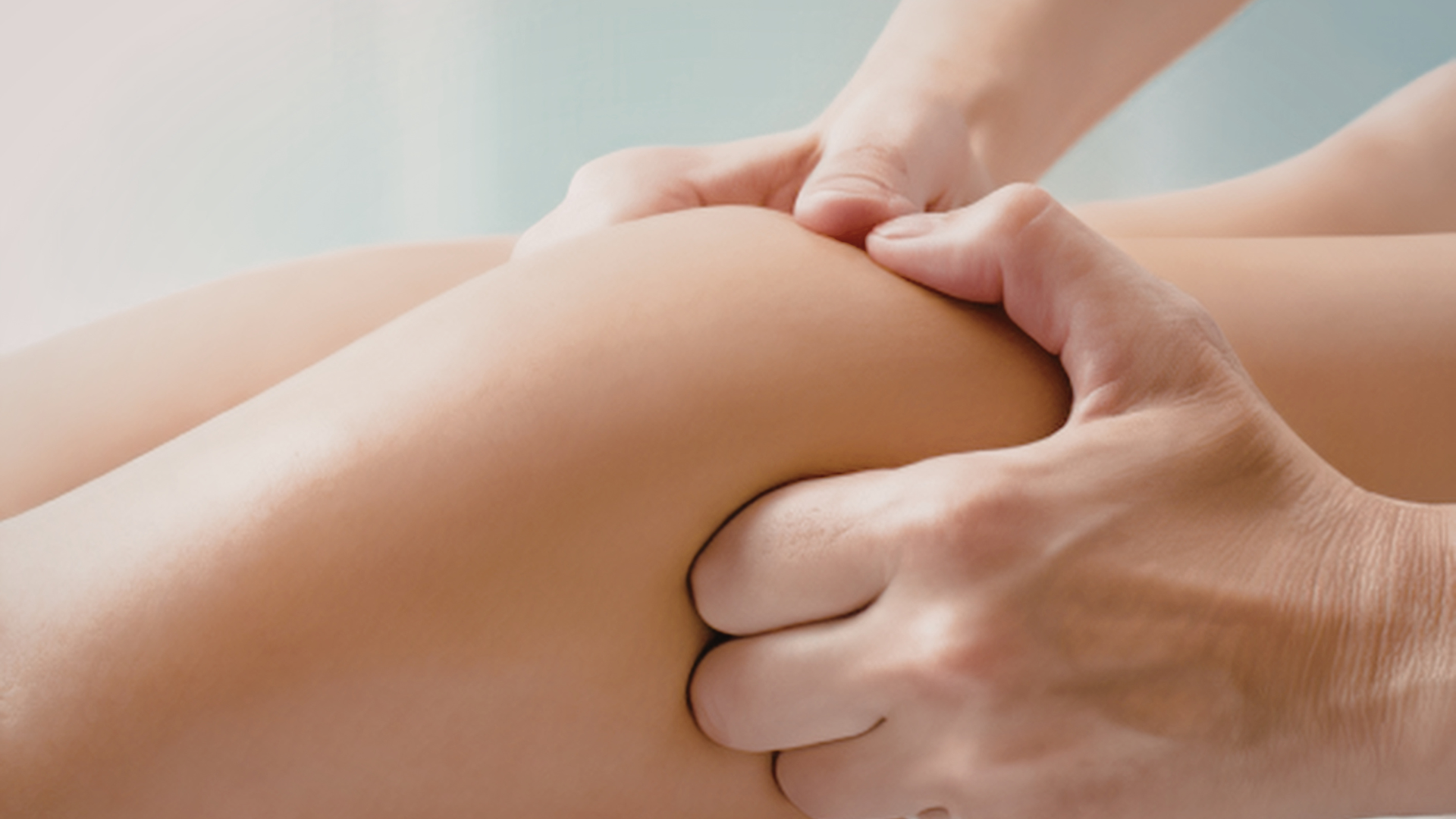
Unwind overworked joints before bed with a 10-minute essential oil massage. Get dilution tips, techniques, and simple routines for soothing nighttime comfort.
Build a gentle, toxin-free facial care routine with essential oils. Discover safe dilution, patch testing, AM/PM steps and tips for cleaner, healthier skin.

Discover 3 simple essential oil routines to ease work-life stress. Get safety tips and quick scent cues for calm focus and evening wind-downs.
Explore gentle, kid-safe essential oil blends to support your family's cold and flu wellness routines with safe dilution, diffusion tips, and home habits.

Discover a practical monthly menstrual self-care ritual using essential oils, heat, movement, and grounding habits. Safe, realistic tips for comfort and calm.

Kickstart your day with a 10-minute morning ritual using essential oils to support immunity, hydration, hygiene, and stress relief. Simple family tips.