Boosting Immunity with Elderberry and Essential Oil Synergy: A Smart, Family-Friendly Routine
Support your immune system daily—without turning your home into a “sick-day boot camp.”
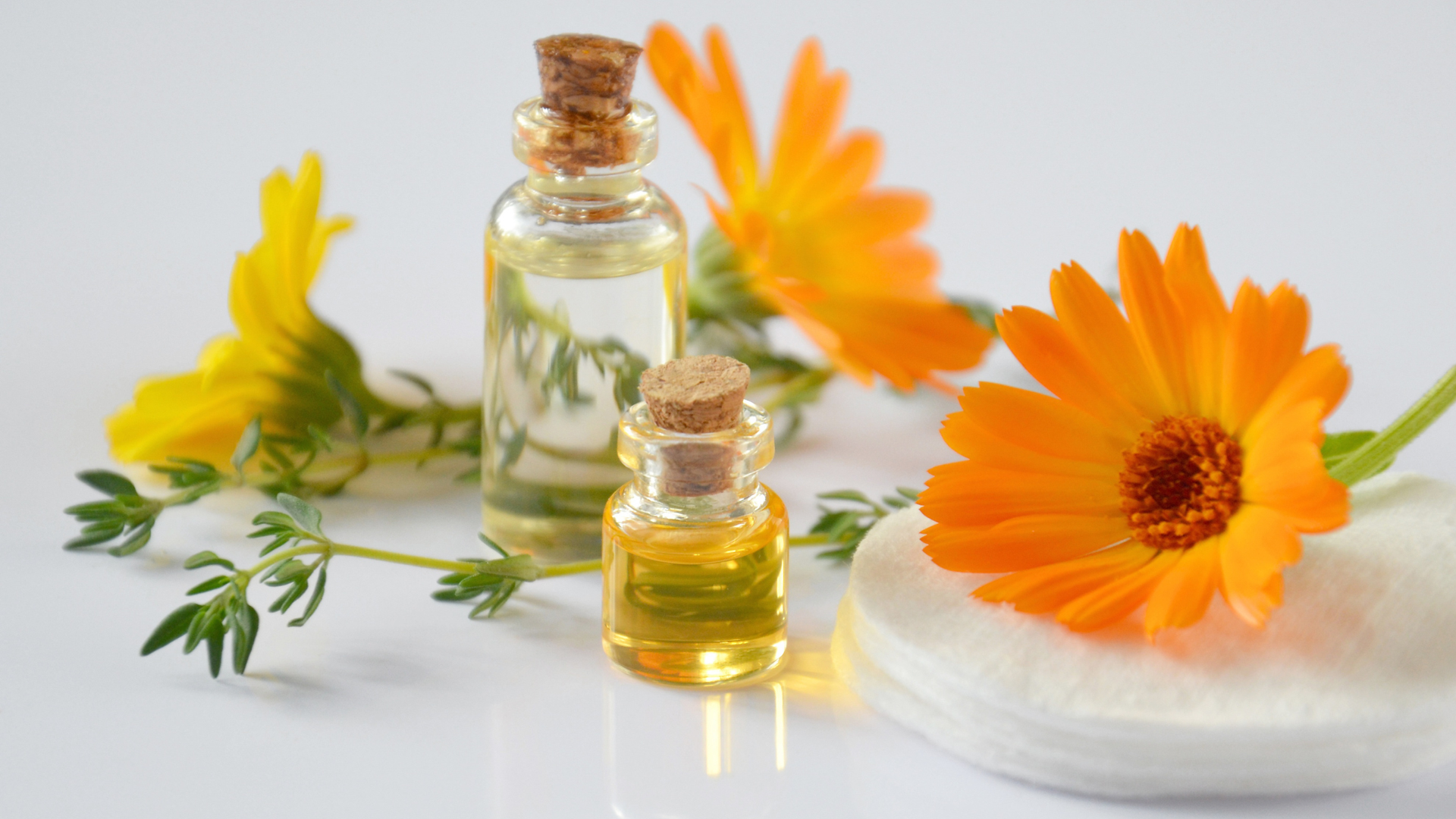
Families who prioritize clean living often look for two things: evidence-informed ingredients and practical routines that actually fit real life. Elderberry is a well-known, anthocyanin-rich botanical used in many seasonal wellness formulas, while essential oils are often used aromatically and topically to support a healthier home environment and comfort routines. When paired thoughtfully, they can complement a broader “immune-support lifestyle” that includes sleep, hydration, movement, and simple hygiene habits. At YL Family , we help individuals and families build toxin-aware, realistic wellness rhythms using pure, potent essential oils and natural wellness products—backed by decades of multigenerational experience.
Why “synergy” matters for natural immunity support
Immune support works best as a layered approach. A single supplement or product rarely “does it all,” because immunity is influenced by many inputs: nutrient status, stress load, sleep quality, and exposure to pathogens. Synergy simply means choosing tools that support different parts of the picture—so your daily routine becomes more resilient without being complicated.
Think of it like this: Elderberry can be a seasonal nutritional ally, while essential oils can support the environment (air, surfaces, routines) and personal comfort practices (like a calming bedtime ritual). Together, they complement—rather than replace—foundational habits.
Elderberry 101: what it is and why families use it
Elderberry (often Sambucus nigra ) contains naturally occurring pigments called anthocyanins —compounds widely studied for antioxidant and anti-inflammatory activity. Reviews of clinical trials suggest elderberry preparations may help reduce the duration and severity of some acute upper respiratory viral symptoms when used early, although study designs, products, and dosing vary and more high-quality research is still needed.
Practical elderberry tips (for everyday adults)
Where essential oils fit: environment + routines + comfort
Essential oils aren’t a substitute for medical care, and they’re not meant to be taken internally unless specifically labeled and guided by a qualified professional. For most families, the best use is aromatic and topical support:
1) Aromatic routines (diffusing)
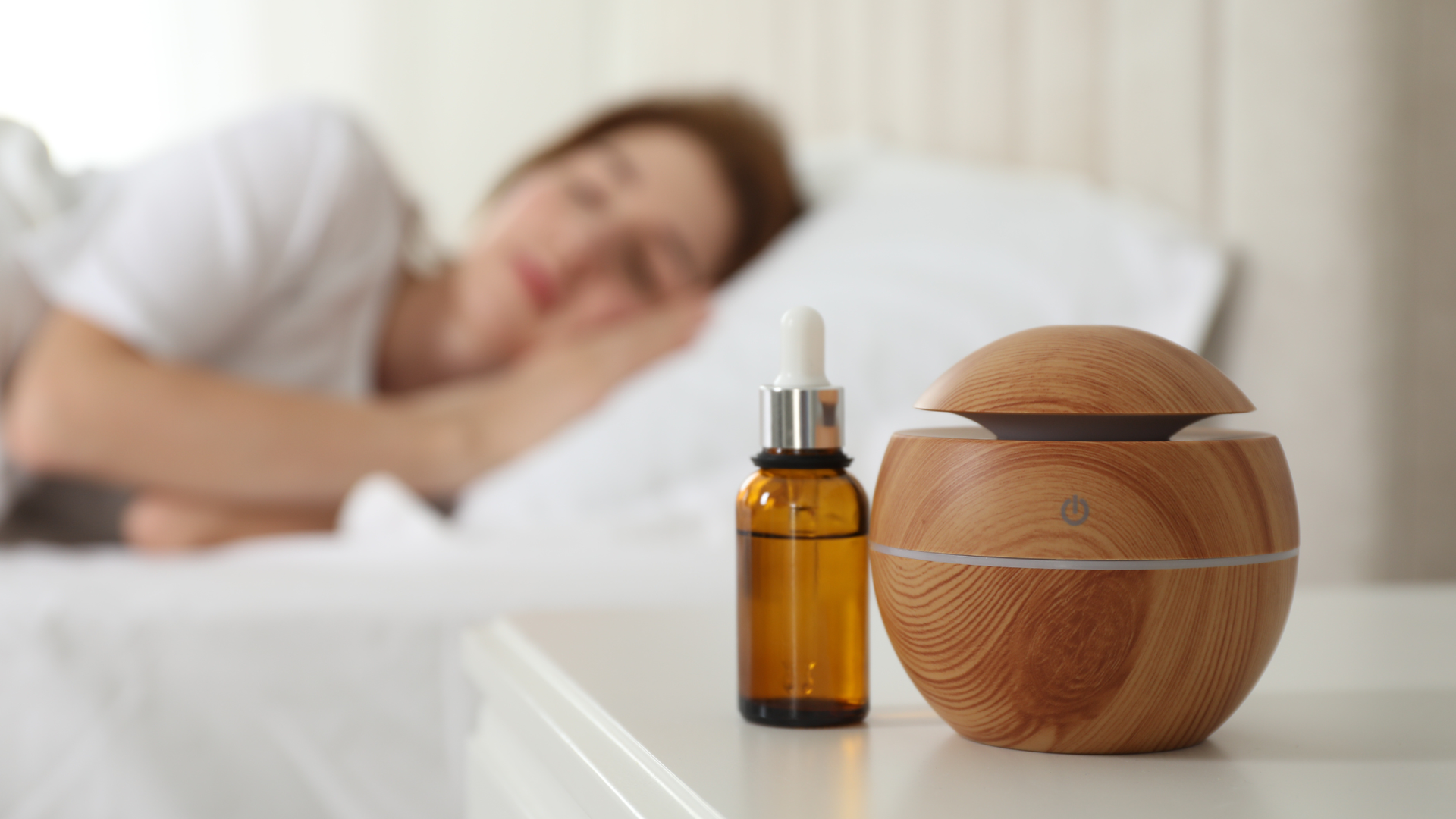
Diffusing can help create a “cue” for healthy habits—like a morning refresh routine, an after-school wind-down, or a bedtime calm signal. Many families rotate oils based on the season and their goals (energizing, grounding, fresh-air feel).
2) Topical support (properly diluted)
Topical use is often chosen for comfort routines—like a soothing chest/neck massage (diluted), post-workout recovery, or a calming roll-on in the evening. Dilution matters, especially for kids and sensitive skin.
3) A cleaner-feeling home (habits first)
A “green home” approach is more than scent—it’s daily practices like hand hygiene, high-touch surface cleaning, fresh airflow when possible, and reducing harsh chemicals where you can. Essential oils may be part of that lifestyle, but the core is consistent habits.
A simple “Immune Synergy Blend” routine (easy, realistic, repeatable)
If your goal is natural immunity support without overwhelm, build a routine around consistency. Here’s a practical framework many families can adapt:
| Time of day | Elderberry focus | Essential oil focus | Lifestyle “multiplier” |
|---|---|---|---|
| Morning | Seasonal supplement routine (label-directed) | Diffuser “fresh start” aroma | Protein + water before coffee |
| After school/work | N/A (keep it simple) | Topical comfort routine (diluted) or calming roll-on | Handwashing + snack with fiber |
| Evening | If using, keep timing consistent | Bedtime diffuser wind-down | Earlier lights-out; reduce late-night scrolling |
Safety note: Essential oils should be kept out of reach of children and pets. Patch test new topicals, avoid eyes/mucous membranes, and use kid-appropriate dilution. If you’re unsure what’s appropriate for your household, YL Family can help you build a safer, simpler routine.
Quick “Did you know?” facts (small changes, big impact)
Building your family’s immune-support blueprint (step-by-step)
Step 1: Pick a “minimum effective routine”
Choose one consistent supplement habit (like elderberry during specific seasons) and one consistent essential-oil routine (like bedtime diffusion). Consistency beats complexity.
Step 2: Support the “immune basics” your body notices first
Prioritize sleep windows, hydration, daily movement, and a fiber-forward diet. This is where many people feel the biggest difference in resilience and recovery.
Step 3: Keep it kid-friendly (and caregiver-friendly)
If your routine adds stress, it’s not helping. Aim for “automatic” habits: a diffuser timer at night, a ready-to-go topical blend (properly diluted), and a short checklist for high-touch cleaning during peak seasons.
A United States perspective: seasonal wellness, travel, and school routines
Across the United States, many households notice the same immune “pressure points”: back-to-school season, holiday travel, winter indoor time, and spring schedule overload. A flexible plan helps you adapt without constantly buying new products.
Try a seasonal reset:
Ready for a cleaner, calmer immune-support routine?
Shop YL Family’s curated wellness options and build an “elderberry + essential oil synergy” routine that fits your household—whether you’re a beginner or you’ve used oils for years.
FAQ: Elderberry + essential oils for natural immunity support
Does elderberry “boost” immunity, or just support it?
Many people use elderberry as seasonal immune support. Some clinical research suggests certain elderberry preparations may reduce the duration and severity of upper respiratory symptoms when taken early, but products and study quality vary. It’s best framed as one supportive tool—alongside sleep, nutrition, and hygiene habits.
Can I take elderberry every day?
Some people use it seasonally or for short periods, following label directions. If you have health conditions, take medications, are pregnant/breastfeeding, or are supporting a child, check with a qualified healthcare professional for personalized guidance.
Are essential oils safe for kids and teens?
Many families use essential oils with kids, but safety depends on the oil, the child’s age, health history, and the method used. Diffusing (with good ventilation and reasonable time limits) and properly diluted topical use are common approaches. When in doubt, ask for guidance and start conservative.
What’s the simplest “immune synergy blend” routine for beginners?
Pick one diffuser routine (morning or bedtime), one topical comfort routine (properly diluted), and one supplement habit you can maintain consistently. Add the lifestyle basics: hydration, protein, fiber, and sleep windows.
What should I avoid when pairing elderberry and essential oils?
Avoid “more is better” thinking. Don’t ingest essential oils unless you’re under appropriate professional guidance and using products labeled for that purpose. Avoid applying undiluted oils to skin, and be cautious if you have asthma, allergies, or very sensitive skin. For elderberry, avoid raw/unsafe preparations and stick with reputable, clearly labeled products.
Glossary
Wellness disclaimer: This content is for educational purposes and is not medical advice. Supplements and essential oils are not intended to diagnose, treat, cure, or prevent any disease. If you have a medical condition or take medication, consult a qualified healthcare professional.