
Family-Friendly Cold & Flu Essential Oil Blends: Gentle, Kid-Safe Options to Support Wellness Year-Round
September 7, 2026
A calm, practical approach to seasonal wellness—for the whole household
Cold and flu season can feel like a revolving door—especially in homes with kids, school schedules, travel, and busy workplaces. While essential oils aren’t a replacement for medical care or proven prevention steps, many families use them as part of a simple, comforting routine: creating a fresh-smelling home, supporting relaxation, and encouraging healthier habits that are easier to stick with.
At YL Family , we focus on education-first wellness—helping families choose family essential oils and kid-safe blends thoughtfully, using conservative dilution and safe diffusion practices so you can feel confident building a routine that fits real life.
At YL Family , we focus on education-first wellness—helping families choose family essential oils and kid-safe blends thoughtfully, using conservative dilution and safe diffusion practices so you can feel confident building a routine that fits real life.
First, the “non-negotiables” for cold & flu season (oils included)
If your goal is fewer sick days and smoother recovery weeks, essential oils work best as a supportive
layer on top of basics that public health organizations consistently recommend:
• Stay home when feverish
and avoid close contact when ill.
• Wash hands
regularly and avoid touching eyes/nose/mouth.
• Clean high-touch surfaces
routinely, and follow label directions for any disinfectant you use.
• Consider annual flu vaccination
based on your family’s needs and your clinician’s guidance.
Essential oils should never be marketed or used as a way to “treat” or “prevent” disease; in the U.S., those kinds of claims are regulated as drug claims. Keep your approach focused on comfort, routine, and safe home habits. (For more context on aromatherapy claims and labeling, see FDA guidance.) ( fda.gov)
What makes a blend “family-friendly” (and what doesn’t)
“Kid-safe” doesn’t mean “risk-free.” It means you’re choosing oils and usage methods that are lower intensity
, used in smaller amounts
, and paired with strong safety habits (storage, dilution, and limited diffusion time).
Family-friendly priorities:
• Gentle aroma profile
(often “soft” herbal + citrus)
• Conservative dilution
for any topical use
• Short diffusion windows
with good airflow
• Clear boundaries
: no oils in eyes/ears/nose; avoid ingesting unless specifically labeled and advised by a qualified clinician
• Extra caution
for babies, asthma, epilepsy, sensitive skin, and pets
Aromatherapy is commonly used by inhalation or diluted topical application; safety guidance emphasizes dilution, patch testing, and careful use around children. ( nccih.nih.gov)
Family-friendly cold & flu blend “styles” (by goal)
Instead of chasing a single “best” oil, it helps to think in blend styles
you can rotate based on what your household needs that day.
Blend Style
Best For
Aroma Notes
Family-Smart Use
Fresh Air Blend
“Stuffy-house” days, after school, shared spaces
Bright citrus + light herbal
Diffuse 10–20 min, then break; crack a window when possible
Wind-Down Blend
Bedtime routine, rest days, calmer evenings
Soft floral/herbal
Try diffusion earlier in the evening vs. all night; keep it subtle
Comfort Blend
“Everyone’s run down” weeks
Warm herbal + gentle citrus
Use as a “ritual cue” for hydration + early bedtime
Clean-Home Scent
Post-cleaning refresh (not a disinfectant)
Citrus-forward
Pair with proper cleaning of high-touch areas; follow product labels
Reminder: diffusion and scenting a space is different from disinfection. For cleaning/disinfecting, follow evidence-based guidance and product directions (including contact time). ( cdc.gov)
Step-by-step: how to use essential oils more safely with kids
1) Choose your method (diffuse, topical, or “hands-off”)
For many families, diffusion
is the simplest entry point. Keep sessions short and avoid running a diffuser continuously. If you prefer topical use, always dilute in a carrier oil
and avoid sensitive areas.
2) Use conservative dilution and patch test
Kids’ skin can react quickly. Start with a small area patch test and wait to see how the skin responds before broader use. Many reputable pediatric resources emphasize dilution and careful supervision for younger children. ( nationwidechildrens.org)
3) Make it a “habit anchor,” not a promise
A diffuser session can be the cue for your household’s most helpful actions: wash hands when you get home, change school clothes, start a water bottle refill, and wind down earlier.
4) Store oils like you store medications
Keep bottles sealed, labeled, and out of reach. If a child (or pet) gets into an oil, contact poison control or your veterinarian promptly.
Quick “Did you know?” facts
• Influenza viruses can survive on some surfaces for a period of time, which is why regular cleaning of high-touch areas matters. ( epa.gov)
• Disinfectants work only when used as directed—including leaving the surface wet for the required contact time. ( cdc.gov)
• Essential oils are concentrated; irritation can happen if used undiluted or used too often—especially for kids. ( fda.gov)
A simple “sick-season” home routine (low stress, high impact)
1) After-school reset: shoes off, hands washed, quick wipe-down of high-touch spots.
2) Short diffuser session in a common area (10–20 minutes), then turn it off.
3) Evening wind-down: dim lights, warm shower/bath, and earlier bedtime.
4) Nightstand essentials: tissues, water, and a plan for rest—before symptoms escalate.
A note for U.S. families: labeling and claims matter
In the United States, products marketed to treat or prevent disease
fall into drug-claim territory. That’s why responsible education around essential oils stays grounded in: safe use, comfort routines, and healthy-home habits—not “cures.” If you ever see claims that feel too medical, it’s smart to pause, ask questions, and stick with reputable guidance. ( fda.gov)
Shop supportive essentials + explore helpful pages on YL Family
If you want to build a family-friendly routine, start with one goal (sleep, stress support, or a cleaner-feeling home) and keep your approach consistent for a couple of weeks.
Ready to choose family essential oils with confidence?
Browse curated options for cold and flu season routines, kid-safe blends, and clean-living favorites—all in one place.
Shop YL Family
Tip: If you’re shopping for kids, prioritize gentle routines and conservative usage.
FAQ: Family-friendly essential oils for cold & flu season
Do essential oils prevent colds or flu?
Essential oils are often used for comfort and aromatherapy routines, but they shouldn’t be treated as a substitute for proven prevention steps (hand hygiene, staying home when sick, cleaning high-touch surfaces, and medical guidance). ( fda.gov)
What’s the safest way to use oils around kids?
Start with short diffusion sessions or very conservative topical use with dilution and patch testing. Supervise use closely, keep oils out of reach, and use extra caution with respiratory conditions or sensitive skin. ( nationwidechildrens.org)
Can I diffuse oils overnight?
Many families choose shorter, timed diffusion windows instead of running a diffuser continuously—especially with kids. If you diffuse, keep air moving and watch for headaches, irritation, or sleep disruption.
Are “clean-smelling” blends the same as disinfecting?
No. A pleasant scent can support a clean-home routine, but disinfection requires an appropriate product used as directed (including contact time). ( cdc.gov)
When should I call a clinician?
Seek medical advice for high fevers, breathing difficulty, dehydration, symptoms that worsen quickly, or when you’re concerned—especially for infants, older adults, pregnant people, or anyone with chronic conditions. Essential oils should not delay needed care.
Glossary (helpful terms for safer, smarter use)
Dilution:
Mixing essential oil into a carrier (like jojoba, coconut, or another skin-safe base) to reduce concentration before topical application.
Carrier oil:
A neutral oil used to dilute essential oils for skin use, helping reduce irritation risk.
Patch test:
Applying a diluted product to a small area of skin first to check for redness, itching, or irritation before broader use. ( nationwidechildrens.org)
Diffusion:
Dispersing essential oils into the air (often with water vapor) for aromatherapy. Ventilation and timing matter for comfort and safety. ( nccih.nih.gov)
Contact time:
The amount of time a disinfectant must stay wet on a surface to work as intended; it varies by product label. ( cdc.gov)

Discover teen-friendly bedtime routines with gentle essential oils for 8–10 hours of sleep. Try simple wind-down steps for calmer nights and rested mornings.
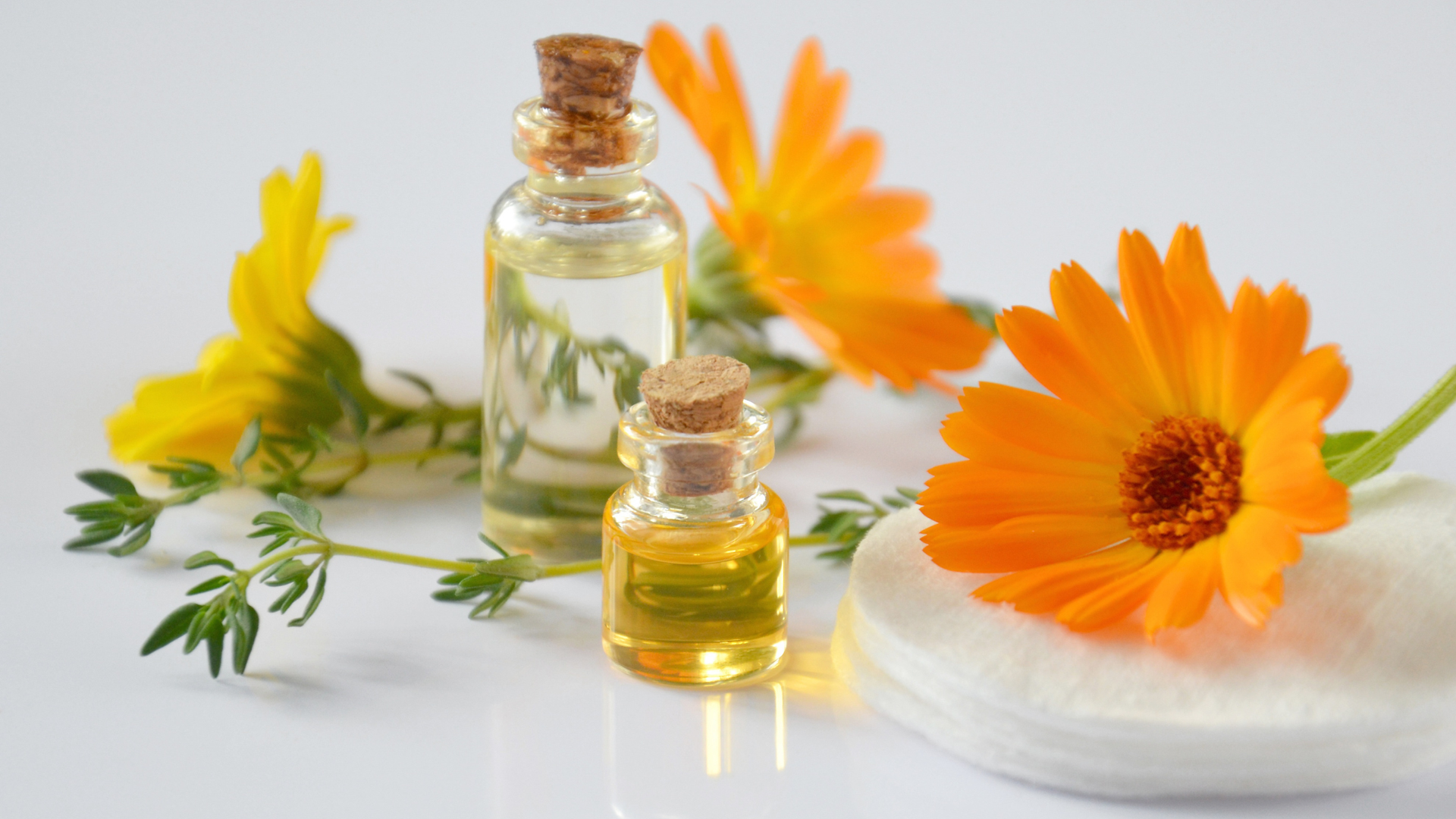
Learn essential oil safety & dilution basics with practical tips. Discover phototoxicity warnings, dilution ratios, and beginner routines for confident, safe use.
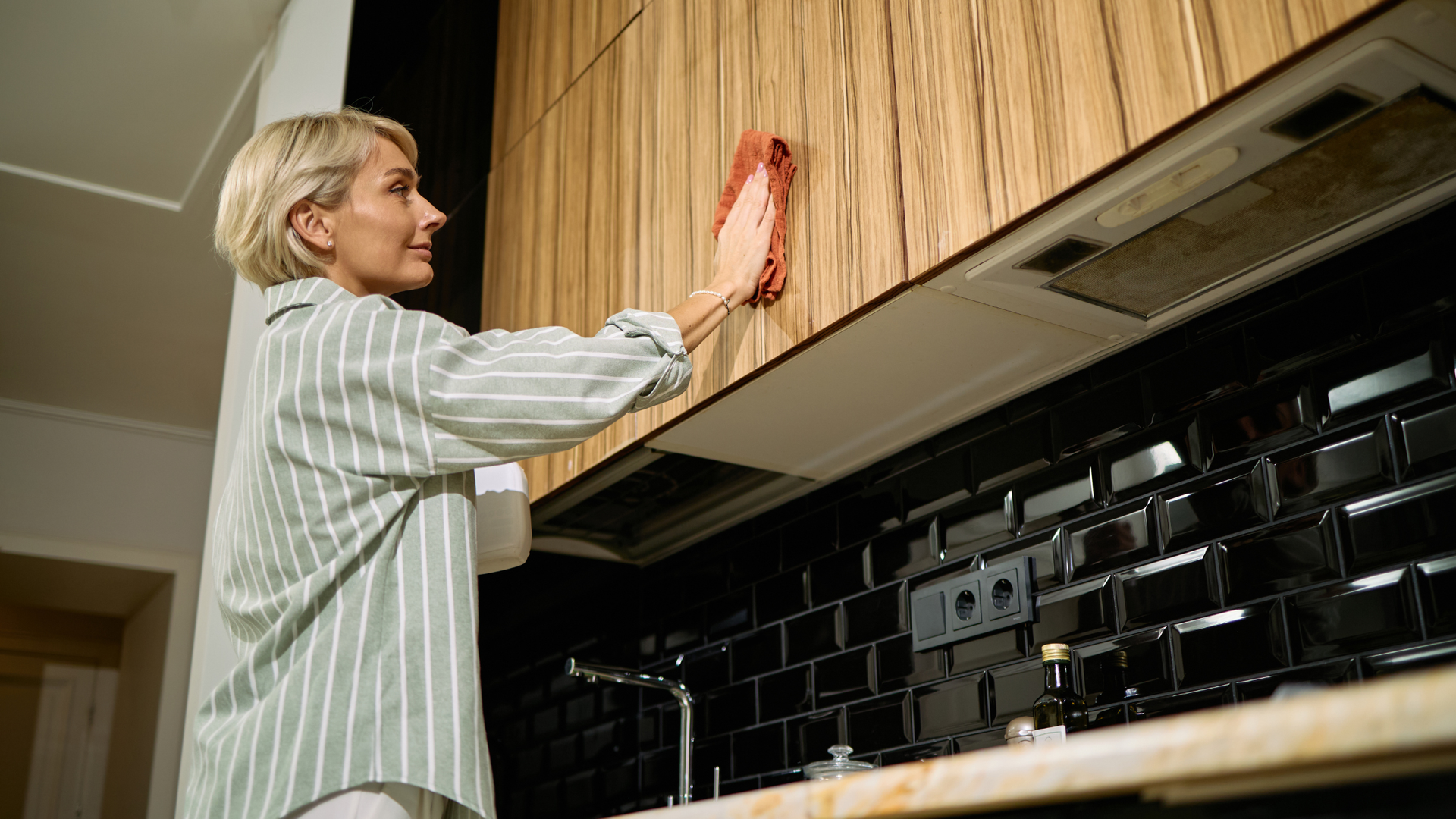
Learn to make eco-friendly DIY cleaning tablets with baking soda, citric acid & essential oils for effective, low-toxin home cleaning and reduced plastic waste.
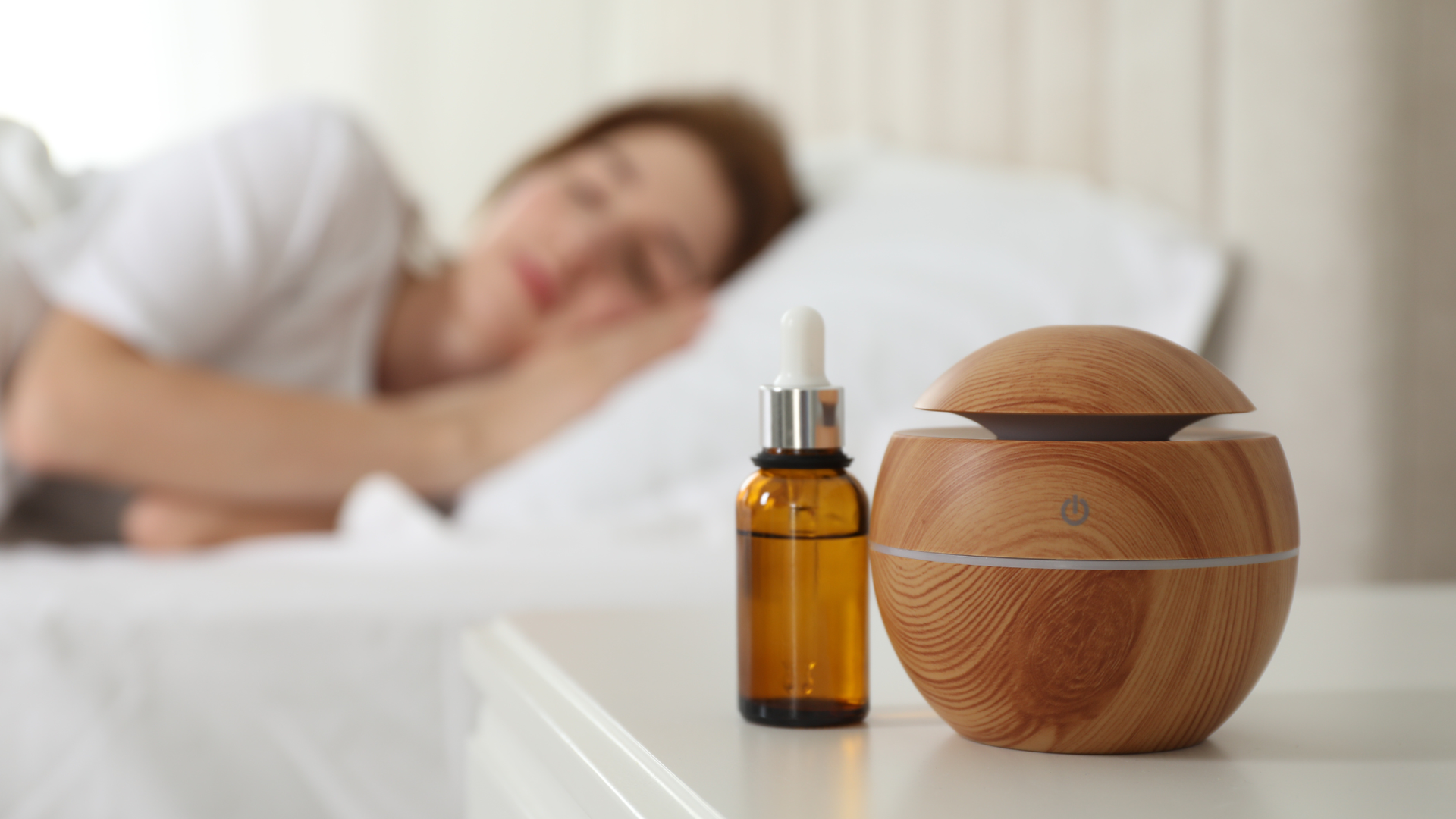
Learn to use essential sleep oils topically or aromatically for a calming bedtime routine. Get practical tips on diffusing, dilution, habit-building.

Unwind overworked joints before bed with a 10-minute essential oil massage. Get dilution tips, techniques, and simple routines for soothing nighttime comfort.
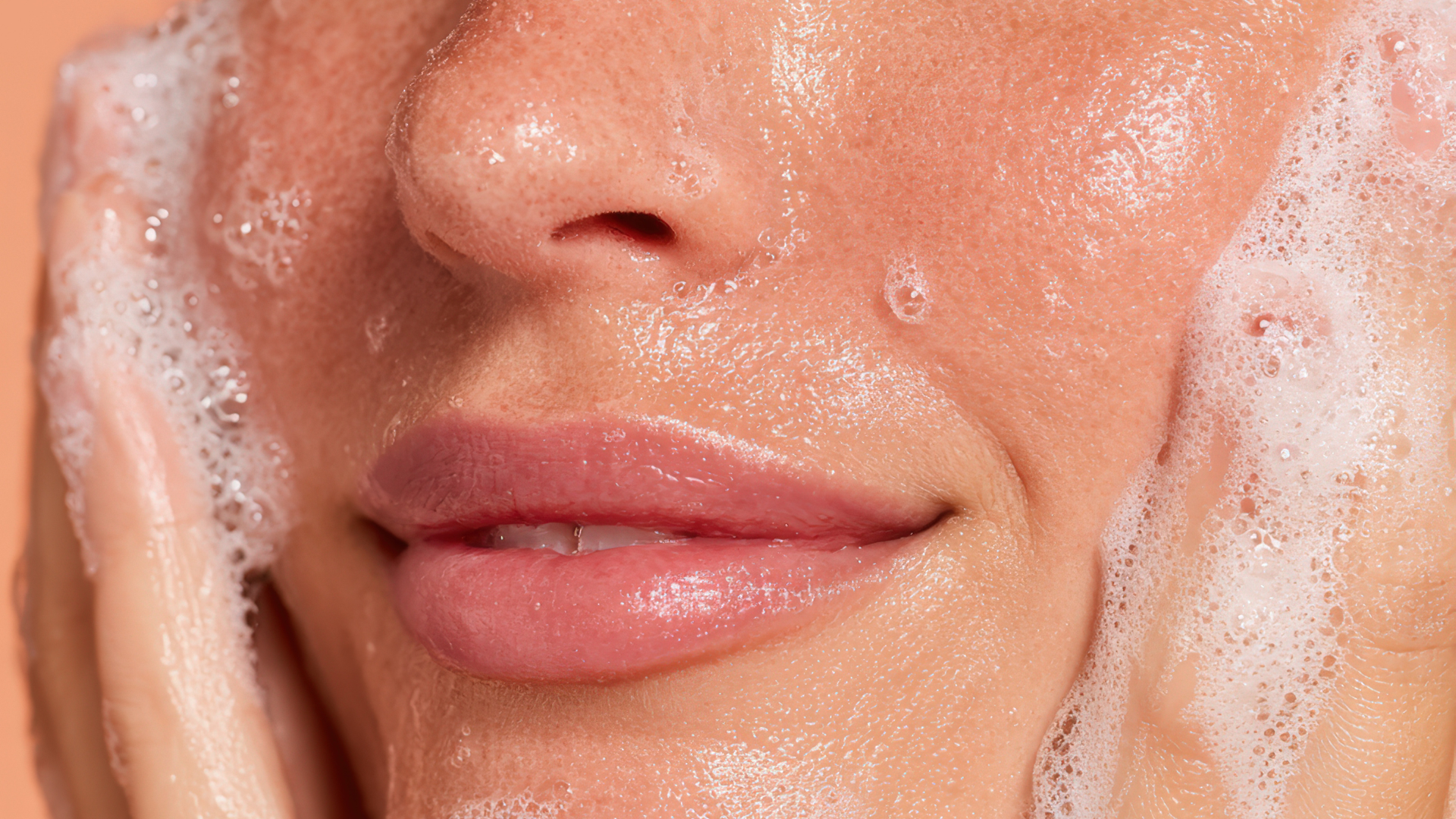
Build a gentle, toxin-free facial care routine with essential oils. Discover safe dilution, patch testing, AM/PM steps and tips for cleaner, healthier skin.

Discover 3 simple essential oil routines to ease work-life stress. Get safety tips and quick scent cues for calm focus and evening wind-downs.

Discover a practical monthly menstrual self-care ritual using essential oils, heat, movement, and grounding habits. Safe, realistic tips for comfort and calm.

Kickstart your day with a 10-minute morning ritual using essential oils to support immunity, hydration, hygiene, and stress relief. Simple family tips.
Learn how to create DIY essential oil body scrubs for gentle exfoliation and radiant skin. Discover recipes, safety tips, and ingredient guides for smoother skin.