
Teen Sleep Solutions: Gentle Essential Oils for Restful Nights
September 30, 2026
A calmer bedtime routine for real teen schedules
Teen sleep can feel like a moving target: late-night homework, sports, social plans, and screens that keep the brain “on.” At YL Family
, we focus on practical, gentle habits that support your teen’s natural rhythm—plus calming essential oil routines that feel simple (not childish) and can be done consistently. While essential oils aren’t a “sleep switch,” they can be a supportive part of a wind-down ritual when used safely and age-appropriately.
What “enough sleep” looks like for teens
Most teenagers (ages 13–18) do best with 8–10 hours of sleep per night
. This range is widely referenced in public health guidance and sleep medicine recommendations, and it’s a helpful target when building a bedtime plan around school start times and early morning practices.
Parent reality check:
If your teen needs to wake at 6:30 a.m., an 8–10 hour window means a bedtime between 8:30–10:30 p.m.
(with lights out, not just “in bed”). That’s why a predictable wind-down routine matters more than a one-off early bedtime.
Why teens struggle to fall asleep (even when they’re tired)
Many teens experience a natural shift toward a later sleep schedule—so they may not feel sleepy until later at night. Add bright screens, late workouts, energy drinks, and stress, and it becomes harder for the nervous system to “downshift.” A solid bedtime ritual works because it creates repeated cues: the brain learns, “These steps mean we’re safe to rest.”
Common sleep disruptors
Late screen time, irregular bed/wake times, heavy late snacks, intense evening workouts, caffeine after lunch, and “brain buzz” from stress.
What helps most
A consistent wind-down routine, dim lights, cooler bedroom temperature, and a calm sensory cue (like gentle aroma in a diffuser).
Step-by-step: A teen-friendly bedtime ritual using calming essential oils
Below is a structure you can adapt for middle school and high school. The goal is consistency and comfort—without making bedtime feel like a lecture.
1) Set a “power-down” time (30–60 minutes before bed)
Choose a realistic cutoff (not perfect). Dim lights, lower overhead brightness, and switch to calmer activities. If your teen resists, start with 20 minutes and expand gradually.
2) Diffuse a calming aroma (gentle, not overpowering)
Use a diffuser in a well-ventilated room and keep the scent light. Many families prefer classic calming profiles such as lavender
or cedarwood
, or soft “nighttime blend” styles. Aim for a steady cue: same scent, same time, most nights.
Safety note:
Essential oils are concentrated. Avoid ingestion, keep bottles out of reach, and discontinue if irritation or headaches occur. If topical use is part of your routine, use proper dilution and be extra cautious with cold-pressed citrus oils
, which can increase sun sensitivity (phototoxicity) when applied on skin exposed to sunlight.
3) Add one “body signal” activity (5–10 minutes)
Teens often respond better to physical cues than “try to relax.” Pick one:
• Warm shower, then comfy clothes
• Light stretching (neck/hips/hamstrings) while the diffuser runs
• Breathing: inhale 4 counts, exhale 6 counts for 2–3 minutes
4) Keep the last 10 minutes screen-free
If your teen is studying late, switch the final minutes to a paper planner, quick backpack reset, or a short fiction read. This is where the “calming essential oils” cue can do its best work—pairing a soothing aroma with a quieter brain state.
Did you know? Quick teen sleep facts
Most teens need 8–10 hours
—and many don’t get it on school nights, especially with early start times.
Consistency beats “catch-up”
: a stable wake time (even on weekends) helps regulate the body clock.
A bedtime routine is a skill
: most teens do better when the routine is collaborative, not enforced as a punishment.
Which approach fits your teen? (Quick comparison)
Routine piece
Best for
How to keep it teen-approved
Diffuser
Teens who like a subtle sensory cue
Let them pick the scent profile; keep it light
Stretching
Sports teens, muscle tension, restless legs
5–7 minutes only; pair with calm music
Journaling
Anxious thinkers, late-night overthinking
Use prompts like “3 wins + 1 worry”
If your teen has persistent insomnia, loud snoring, significant daytime sleepiness, or panic symptoms at night, consider discussing it with a licensed healthcare professional. Supportive routines help, but some sleep issues need targeted medical guidance.
Local angle: supporting teen sleep routines across the United States
In the U.S., teen schedules vary by region—early school start times, long commutes, and seasonal daylight shifts can all affect sleep. If your household is navigating sports seasons, marching band, or part-time jobs, focus on two anchors: a consistent wake time most days and a repeatable 30-minute wind-down routine. Even if bedtime shifts slightly, those anchors make it easier to recover after late nights.
Practical goal for busy weeks:
Aim for “most nights” consistency (4–5 nights/week) rather than chasing perfection every night.
Shop calming supports & build your teen’s bedtime kit
YL Family helps families choose straightforward, high-quality essentials for clean living—without the overwhelm. If you’d like to create a simple nighttime routine (diffuser, gentle blends, and home wellness staples), you can browse options here.
Shop YL Family Sleep & Wellness
Prefer browsing by need? Explore: Sleep & Rest
or Stress & Mood.
FAQ: Teen sleep, calming essential oils, and bedtime routines
How many hours of sleep does a teenager need?
Most teens (13–18) do best with about 8–10 hours per night
. If your teen is consistently below that range, start by tightening the wind-down routine and stabilizing wake time.
What are the best calming essential oils for teen sleep?
Many families like classic calming aromas such as lavender-style or woody notes like cedarwood-style. The “best” option is the one your teen actually enjoys and will use consistently (lightly) as part of a wind-down routine.
Is it safe to use essential oils around teens?
Essential oils can be used safely when handled correctly: avoid ingestion, diffuse in a ventilated room, and use proper dilution for topical application. Stop use if irritation or discomfort occurs. If your teen has asthma, migraines, or fragrance sensitivities, start with very low aroma levels or skip diffusion.
My teen falls asleep late but can’t wake up for school—what’s the first fix?
Pick one anchor: a consistent wake time most days, then build a 30-minute wind-down routine that starts at the same time each night. If you try to fix everything at once, it often backfires.
When should we talk to a professional about sleep?
If sleep issues persist for weeks, or you notice loud snoring, breathing pauses, frequent panic, or severe daytime sleepiness, consult a licensed healthcare professional or a sleep specialist for evaluation.
Glossary (helpful terms for teen sleep routines)
Circadian rhythm
Your body’s internal 24-hour clock that influences sleepiness and alertness. Teens often shift naturally toward later bedtimes.
Wind-down routine
A repeatable set of calming steps (dim lights, stretching, diffuser, reading) that signals the brain and body it’s time to sleep.
Diffusion
Dispersing essential oils into the air using a diffuser. Use light aroma levels and good ventilation.
Phototoxicity
A skin reaction that can occur when certain citrus oils are applied topically and then exposed to sunlight. If using topical citrus oils, follow safety guidance and avoid sun exposure on treated areas.
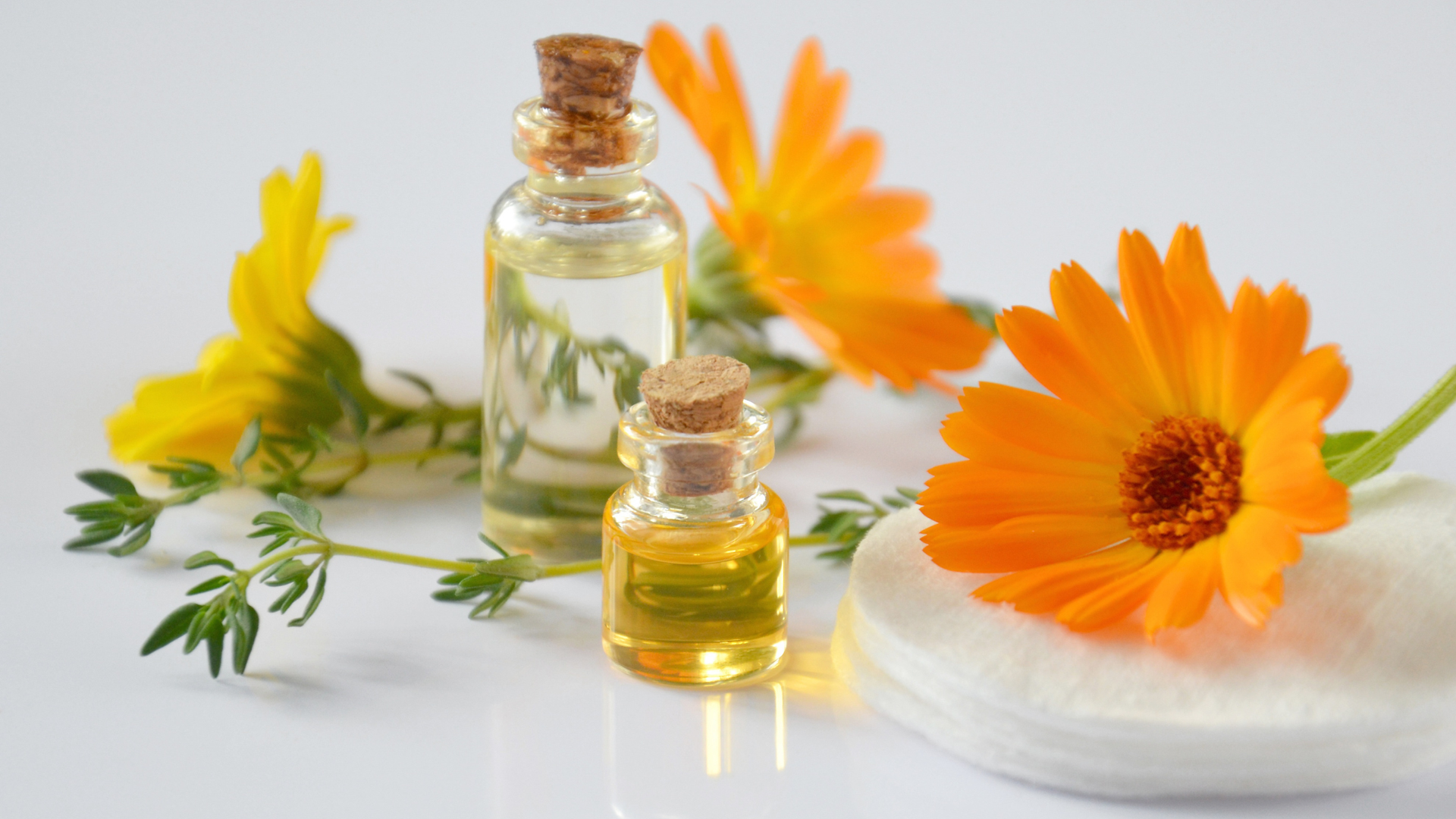
Learn essential oil safety & dilution basics with practical tips. Discover phototoxicity warnings, dilution ratios, and beginner routines for confident, safe use.
Learn to make eco-friendly DIY cleaning tablets with baking soda, citric acid & essential oils for effective, low-toxin home cleaning and reduced plastic waste.
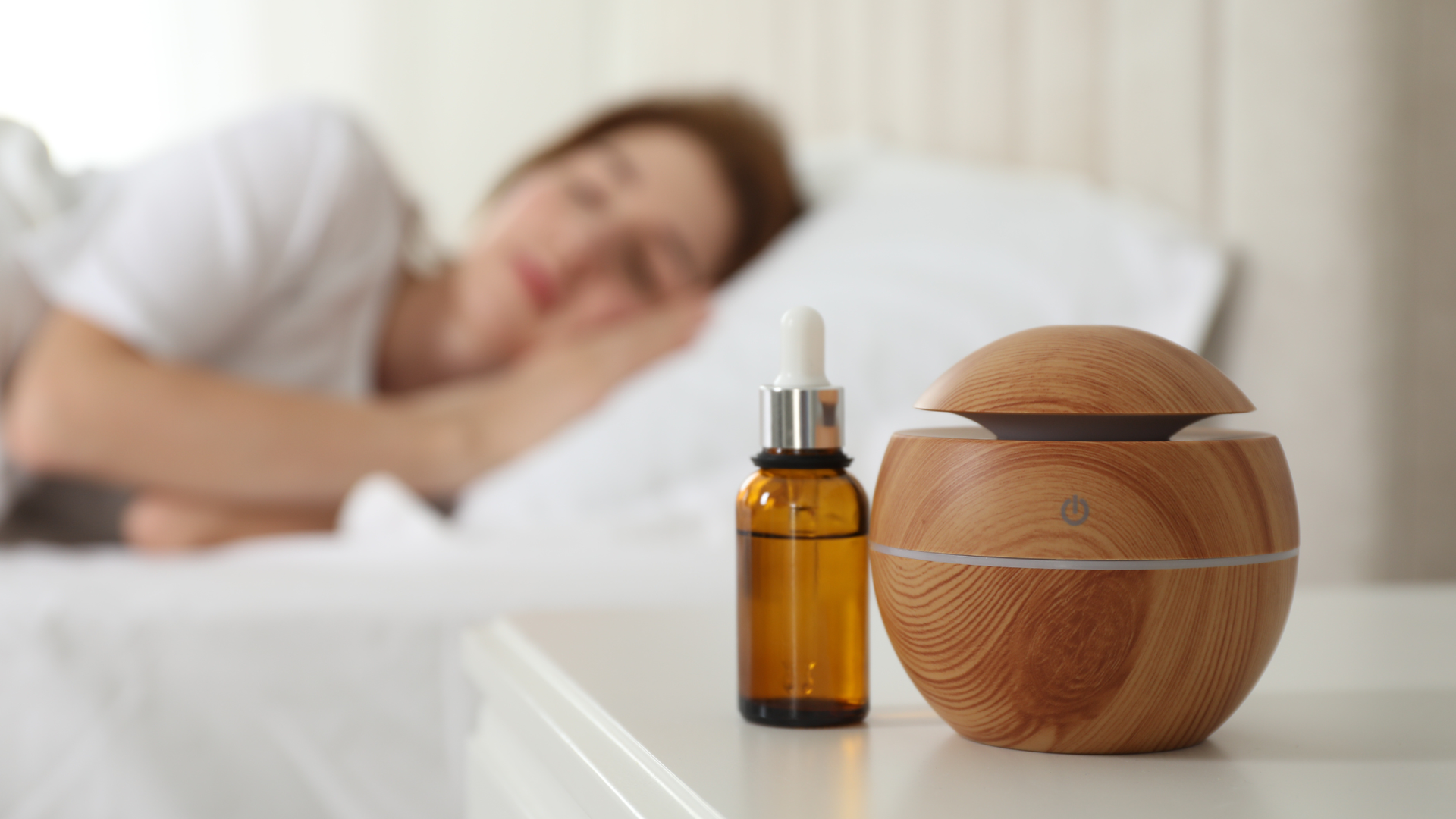
Learn to use essential sleep oils topically or aromatically for a calming bedtime routine. Get practical tips on diffusing, dilution, habit-building.

Unwind overworked joints before bed with a 10-minute essential oil massage. Get dilution tips, techniques, and simple routines for soothing nighttime comfort.
Build a gentle, toxin-free facial care routine with essential oils. Discover safe dilution, patch testing, AM/PM steps and tips for cleaner, healthier skin.

Discover 3 simple essential oil routines to ease work-life stress. Get safety tips and quick scent cues for calm focus and evening wind-downs.
Explore gentle, kid-safe essential oil blends to support your family's cold and flu wellness routines with safe dilution, diffusion tips, and home habits.

Discover a practical monthly menstrual self-care ritual using essential oils, heat, movement, and grounding habits. Safe, realistic tips for comfort and calm.

Kickstart your day with a 10-minute morning ritual using essential oils to support immunity, hydration, hygiene, and stress relief. Simple family tips.

Learn how to create DIY essential oil body scrubs for gentle exfoliation and radiant skin. Discover recipes, safety tips, and ingredient guides for smoother skin.