
Menstrual Self-Care with Essential Oils: A Monthly Ritual
September 4, 2026
Comfort, calm, and consistency—without overcomplicating your cycle
Your menstrual cycle is a predictable monthly rhythm, but the way it feels can change from month to month—sleep, stress, travel, hydration, movement, and even a hectic week can all affect your comfort and mood. A supportive “cycle ritual” helps you respond with intention instead of reacting when symptoms show up.
At YL Family , we love simple wellness routines you can actually stick with: gentle aromatherapy, safe topical use, heat, movement, and a few grounding habits. This guide shares practical ways to integrate essential oils into menstrual self-care—while keeping safety (and realism) front and center.
At YL Family , we love simple wellness routines you can actually stick with: gentle aromatherapy, safe topical use, heat, movement, and a few grounding habits. This guide shares practical ways to integrate essential oils into menstrual self-care—while keeping safety (and realism) front and center.
A realistic framework: what helps most (and where essential oils fit)
If cramps are part of your cycle, evidence-backed basics still matter: heat
(like a heating pad) and regular exercise
are commonly recommended supportive options for painful periods. Many people find them soothing and low-risk. ( acog.org)
Essential oils can be a helpful layer in that plan—especially for creating a calming sensory cue, supporting relaxation practices, and making your routine feel nurturing. The key is to treat oils as a supportive ritual, not as a replacement for medical care.
Important: If you have severe pelvic pain, pain that suddenly worsens, pain with sex, heavy bleeding, bleeding between periods, or symptoms that keep you from school/work, it’s worth checking in with a qualified clinician to rule out causes like endometriosis or fibroids.
Essential oils can be a helpful layer in that plan—especially for creating a calming sensory cue, supporting relaxation practices, and making your routine feel nurturing. The key is to treat oils as a supportive ritual, not as a replacement for medical care.
Important: If you have severe pelvic pain, pain that suddenly worsens, pain with sex, heavy bleeding, bleeding between periods, or symptoms that keep you from school/work, it’s worth checking in with a qualified clinician to rule out causes like endometriosis or fibroids.
Your cycle ritual, broken into phases
Not everyone experiences clear “phases,” but many people like thinking of the month in four gentle windows. Use this as a menu—pick what fits your body.
1) Pre-period (PMS window): support mood + stress
This is where people often notice irritability, overwhelm, cravings, or sleep changes. Aromatherapy can be a useful cue for “downshifting.”
Ritual ideas:
Ritual ideas:
• Diffuser routine (10–30 minutes):
Choose a calming scent you associate with winding down. Lavender is commonly used in relaxation routines; research summaries note that evidence is still limited and mixed for some outcomes, but it’s widely used for stress-related support. ( nccih.nih.gov)
• “Pause + breathe” method:
Inhale gently (no deep, forceful breaths), exhale longer than you inhale for 3–5 rounds, then take one small action (drink water, prep a heating pad, or write a 2-line plan for tomorrow).
• Evening reset:
Warm shower + lotion/oil application (properly diluted essential oil if desired) to create a consistent bedtime cue.
2) Days 1–2: prioritize comfort + warmth
If cramps show up early, go “simple and supportive”: heat
on the lower abdomen, gentle movement if it feels good, and a calm environment. Heat is specifically noted as soothing in period-cramp guidance. ( acog.org)
Ritual ideas:
Ritual ideas:
• Warm compress + aroma:
Use a heating pad, and pair it with a diffuser blend you reserve for “period days.” The pairing helps your nervous system learn the cue.
• Gentle belly massage (optional):
If you enjoy it, use a well-diluted oil blend in a carrier oil (see dilution guidance below), and keep pressure light.
• Comfort sip:
Warm non-caffeinated tea + a protein-forward snack (this helps some people feel more stable when appetite swings).
3) Mid-cycle: build resilience (sleep, movement, consistency)
This is a great time to “set the stage” for next month: consistent sleep cues, regular movement, hydration habits, and simple stress care. Exercise is frequently encouraged as supportive for dysmenorrhea symptoms. ( doi.org)
Ritual ideas:
Ritual ideas:
• Anchor a bedtime cue:
A short diffuser session or a drop on a cotton ball placed nearby (not on skin) while you read or stretch.
• Weekly “restock” check:
Carrier oil, roller bottle, heating pad, electrolyte/hydration plan, easy meals.
4) Late-luteal (the “tender days”): simplify and soften
Many people feel more sensitive here—physically and emotionally. Your ritual doesn’t need to be perfect; it needs to be repeatable.
Ritual ideas:
Ritual ideas:
• Reduce stimulation:
Lower lights, lower volume, lower expectations for one evening.
• “One supportive thing” rule:
Heat, shower, early bedtime, or a short walk—just one.
Step-by-step: safe essential oil use for menstrual self-care
Step 1: Choose your method (diffuse, topical, or “nearby”)
Diffuser:
Great for mood cues and relaxation rituals. Use intermittent diffusion (short sessions) rather than running all day, especially in smaller rooms.
Topical: Best for “ritual touch” like a light abdomen massage— only when properly diluted.
Nearby (not on skin): Add a drop to a cotton ball and place it on a bedside table, or use an aroma inhaler. This can be a gentle option for people with sensitive skin.
Topical: Best for “ritual touch” like a light abdomen massage— only when properly diluted.
Nearby (not on skin): Add a drop to a cotton ball and place it on a bedside table, or use an aroma inhaler. This can be a gentle option for people with sensitive skin.
Step 2: Dilute thoughtfully (especially on “tender-day” skin)
For most adults, a lower dilution
is a good place to start for abdomen or lower-back application (think “less is more”). If you’re pregnant, trying to conceive, nursing, have asthma/migraines triggered by scent, or have a history of skin sensitivity, ask a qualified professional for personalized guidance and consider avoiding topical use.
Patch test: Try your diluted blend on a small area first (like the inner forearm) and wait 24 hours.
Avoid: Essential oils on broken skin, mucous membranes, or directly in the bath without a proper dispersant/carrier.
Patch test: Try your diluted blend on a small area first (like the inner forearm) and wait 24 hours.
Avoid: Essential oils on broken skin, mucous membranes, or directly in the bath without a proper dispersant/carrier.
Step 3: Keep a “no-go” list for hormone and kid safety
Some essential oils are more likely to irritate skin or cause reactions. Tea tree oil, for example, can cause skin irritation in some people, and it should not be taken orally. ( nccih.nih.gov)
If you have kids/teens at home, keep oils secured and use extra caution with topical products around children. NCCIH also notes a few reported cases of breast tissue swelling in children who used topical products containing lavender essential oil. ( nccih.nih.gov)
If you have kids/teens at home, keep oils secured and use extra caution with topical products around children. NCCIH also notes a few reported cases of breast tissue swelling in children who used topical products containing lavender essential oil. ( nccih.nih.gov)
Step 4: Pair oils with “proven comfort” habits
Your best monthly ritual is a stack of small supports:
• Heat + rest:
A warm bath or heating pad can be soothing. ( acog.org)
• Gentle movement:
Walking, stretching, yoga, or light strength work—whatever feels kind to your body. ( doi.org)
• Consistent sleep cue:
Aromatherapy may support relaxation routines for some people, but evidence varies by outcome and study design. ( nccih.nih.gov)
Quick comparison table: pick your “comfort tool” for the day
| Tool | Best for | When to use | Notes |
|---|---|---|---|
| Heating pad / hot water bottle | Cramp comfort, soothing warmth | Day 1–2, anytime cramps flare | Commonly recommended supportive option. ( acog.org) |
| Gentle movement | Mood, circulation, resilience | Across the month | Often encouraged for dysmenorrhea support. ( doi.org) |
| Diffuser / aroma inhaler | Stress cue, relaxation ritual | Pre-period, bedtime | Evidence is mixed/limited for some outcomes; still widely used for relaxation routines. ( nccih.nih.gov) |
| Diluted topical blend (abdomen/lower back) | Ritual touch + comfort routine | When skin is calm; after patch test | Start low, avoid irritation-prone oils, don’t use undiluted. |
Local angle (United States): make your ritual “travel-proof” and season-proof
In the U.S., busy schedules and big seasonal swings can affect routines. A practical menstrual self-care ritual is one you can carry from a normal week into a travel week.
Try a simple “cycle kit” you can keep ready:
Even in a hotel room or a packed week, you can keep the signal to your body consistent: warm, calm, and cared for.
Try a simple “cycle kit” you can keep ready:
• A small essential oil blend (for diffusion or “nearby” use)
• A carrier oil for dilution (if you use topicals)
• Portable heat option (microwavable wrap or stick-on heat patches)
• Hydration support (water bottle + plan to refill)
• A “comfort meal” list for grocery runs (protein, fiber, easy soups)
Even in a hotel room or a packed week, you can keep the signal to your body consistent: warm, calm, and cared for.
Shop supportive essentials (and keep it simple)
If you’d like help building a monthly ritual with wellness products that fit your home and your season of life, YL Family can guide you toward a routine that feels calm, consistent, and doable.
Shop YL Family
Explore Gut & Hormone Support
Explore Stress & Mood Support
Explore Sleep & Rest Support
Note: Essential oils are highly concentrated. If you’re pregnant, nursing, managing a chronic condition, or taking medication, check with a qualified clinician for individualized guidance.
FAQ: Menstrual self-care and essential oils
Do essential oils “fix” hormonal imbalance?
Essential oils are best viewed as supportive tools for comfort and relaxation rituals. If you suspect a true hormonal issue (new severe symptoms, missed periods, heavy bleeding, sudden changes), it’s worth getting medical guidance and appropriate testing.
What’s the most helpful non-oil tool for cramps?
Heat (like a warm bath or heating pad) is widely used and commonly recommended for soothing period cramps, and exercise is also encouraged as a supportive strategy. ( acog.org)
Is lavender a good choice for a mood-support ritual?
Lavender is commonly used in relaxation routines. NCCIH notes that it’s unclear whether lavender aromatherapy benefits anxiety/stress and some other conditions, and evidence varies by study. If you enjoy the scent and it helps you unwind, it can be a useful ritual cue. ( nccih.nih.gov)
Can I apply essential oils directly to my abdomen?
Direct “neat” application is more likely to irritate skin. Use a carrier oil, start with a low dilution, and patch test first. If you have sensitive skin or react to fragrance, consider diffuser use or “nearby” use instead.
Are there oils I should be careful with around kids and teens?
Yes—store oils securely and use extra caution with topical products. NCCIH notes a few reported cases of breast tissue swelling in children who used topical products containing lavender essential oil, and tea tree oil can irritate skin and should not be taken orally. ( nccih.nih.gov)
Glossary (quick, plain-English)
Dysmenorrhea
The medical term for painful periods (menstrual cramps). ( acog.org)
Aromatherapy
Using scent (often essential oils) as part of a wellness routine—commonly for relaxation and comfort.
Carrier oil
A neutral oil (like fractionated coconut or jojoba) used to dilute essential oils for safer topical application.
Patch test
Testing a small amount of a diluted product on one small skin area and waiting to see if irritation develops.

Discover teen-friendly bedtime routines with gentle essential oils for 8–10 hours of sleep. Try simple wind-down steps for calmer nights and rested mornings.
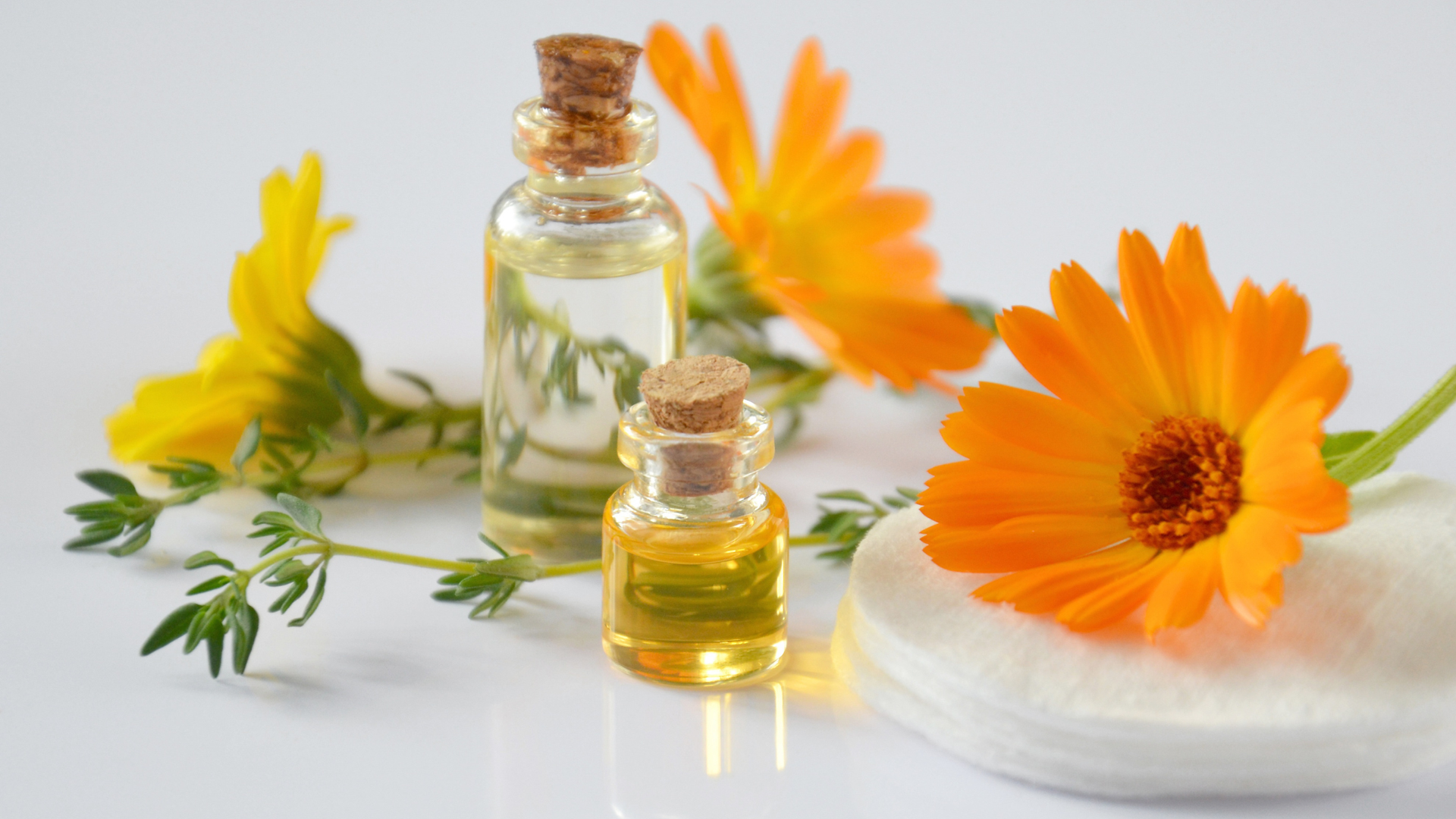
Learn essential oil safety & dilution basics with practical tips. Discover phototoxicity warnings, dilution ratios, and beginner routines for confident, safe use.
Learn to make eco-friendly DIY cleaning tablets with baking soda, citric acid & essential oils for effective, low-toxin home cleaning and reduced plastic waste.
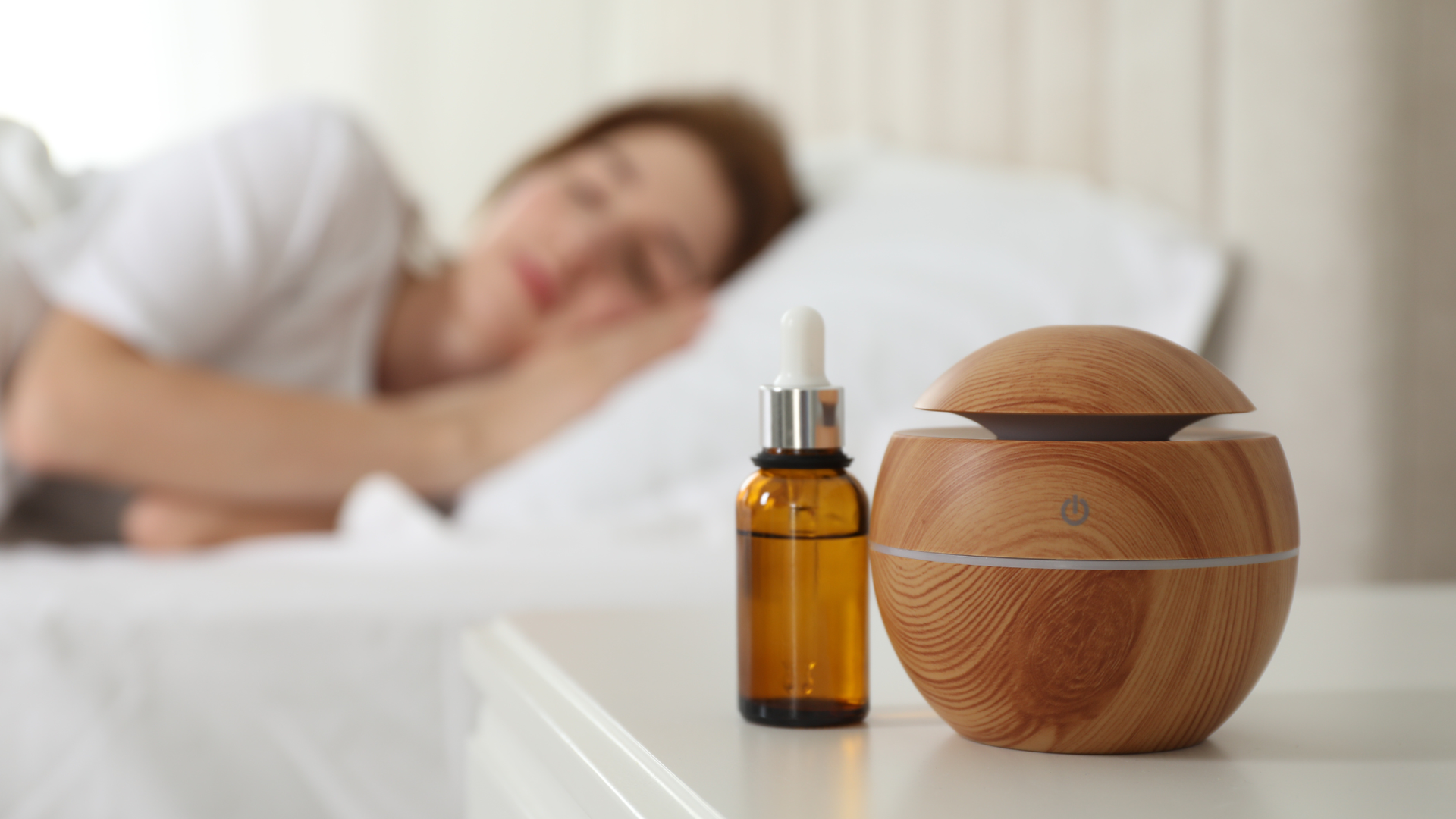
Learn to use essential sleep oils topically or aromatically for a calming bedtime routine. Get practical tips on diffusing, dilution, habit-building.
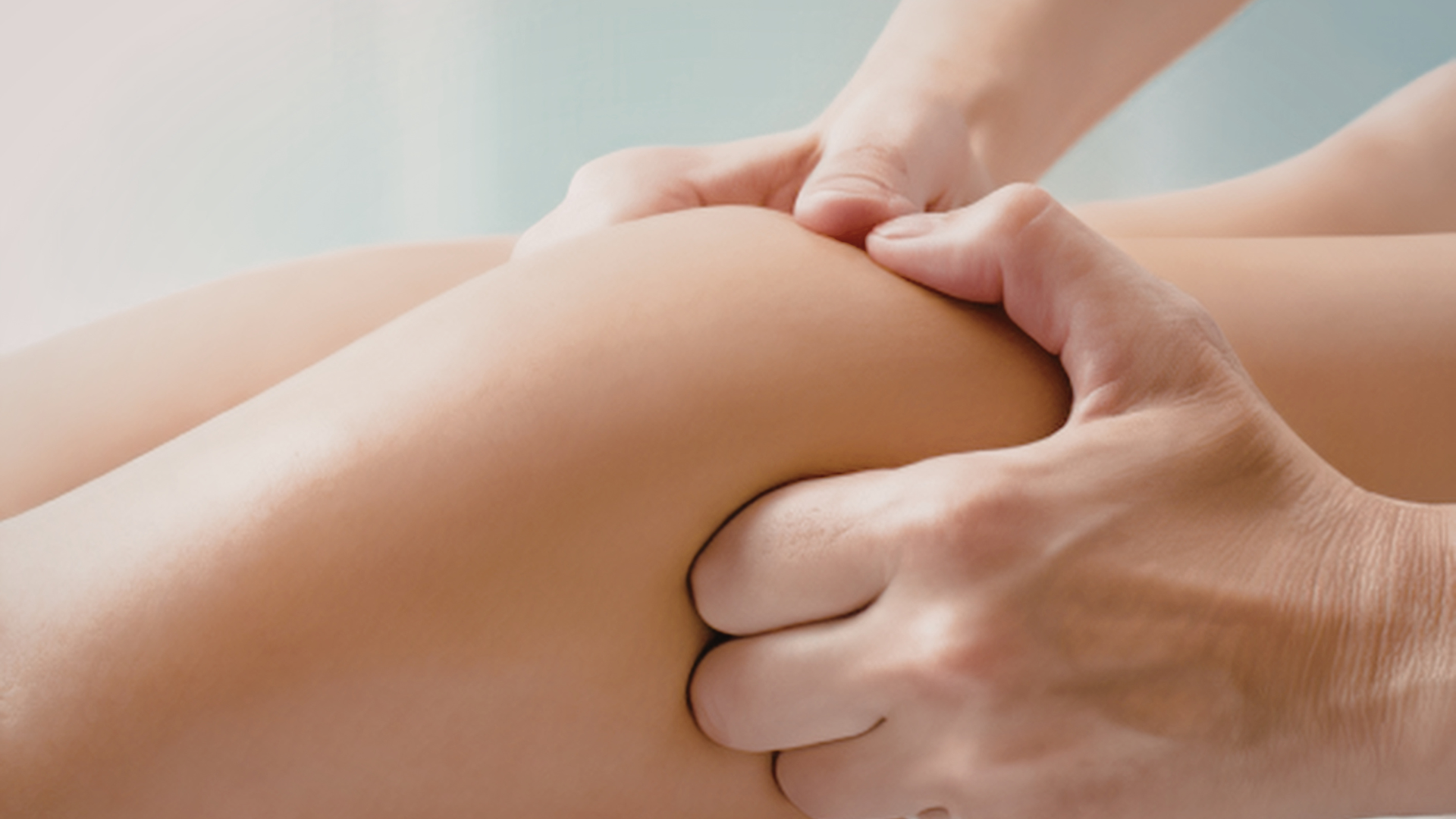
Unwind overworked joints before bed with a 10-minute essential oil massage. Get dilution tips, techniques, and simple routines for soothing nighttime comfort.
Build a gentle, toxin-free facial care routine with essential oils. Discover safe dilution, patch testing, AM/PM steps and tips for cleaner, healthier skin.
Discover 3 simple essential oil routines to ease work-life stress. Get safety tips and quick scent cues for calm focus and evening wind-downs.
Explore gentle, kid-safe essential oil blends to support your family's cold and flu wellness routines with safe dilution, diffusion tips, and home habits.

Kickstart your day with a 10-minute morning ritual using essential oils to support immunity, hydration, hygiene, and stress relief. Simple family tips.
Learn how to create DIY essential oil body scrubs for gentle exfoliation and radiant skin. Discover recipes, safety tips, and ingredient guides for smoother skin.