
Essential Oil Safety & Dilution 101: A Beginner’s Guide
September 27, 2026
Use essential oils confidently—without guesswork
Essential oils can be a beautiful part of a cleaner, more intentional wellness routine—especially when you know how to use them responsibly. Safety isn’t about being “afraid” of oils; it’s about respecting potency, choosing the right method for the moment, and keeping your routines comfortable for everyone in the household.
At YL Family , we’ve guided families for decades with practical, real-life essential oil habits—simple dilution basics, smart storage, and common-sense boundaries (especially for kids, sensitive skin, and sun exposure). This beginner guide will help you understand how much to use , where to use it , and what to avoid so you can build routines you actually stick with.
At YL Family , we’ve guided families for decades with practical, real-life essential oil habits—simple dilution basics, smart storage, and common-sense boundaries (especially for kids, sensitive skin, and sun exposure). This beginner guide will help you understand how much to use , where to use it , and what to avoid so you can build routines you actually stick with.
First principles: what “safe use” really means
Essential oils are concentrated aromatic compounds from plants. A single bottle can represent a large amount of plant material—so your body often needs less
than you think.
Safe use typically comes down to five variables:
Safe use typically comes down to five variables:
1) Route:
Diffusion, topical use, bath, or (occasionally) internal use under qualified guidance.
2) Dilution:
Using a carrier (like fractionated coconut oil) to reduce irritation risk.
3) Frequency:
More frequent use raises the chance of irritation or sensitization over time.
4) Person:
Age, skin sensitivity, pregnancy/nursing status, and medical conditions matter.
5) Oil choice:
Some oils are “gentler,” others are hot, sensitizing, or phototoxic.
Dilution basics (the part that makes everything easier)
Dilution is your best friend for everyday topical use. It helps essential oils spread more evenly, feel more comfortable on the skin, and reduces the chance of redness, stinging, or delayed sensitivity.
A practical beginner approach:
Important note: Some oils have specific maximum dermal limits (for example, “hot” spice oils). When in doubt, choose a lower dilution and use less often—especially when you’re new.
A practical beginner approach:
Quick dilution “starter” ranges (topical)
Adult, daily wellness support:
~ 1%
(gentle, good for frequent use)
Adult, short-term/targeted use:
~ 2%
(common for occasional use)
Sensitive skin:
start lower (patch test first)
Important note: Some oils have specific maximum dermal limits (for example, “hot” spice oils). When in doubt, choose a lower dilution and use less often—especially when you’re new.
Did you know? Quick safety facts beginners miss
“Natural” can still irritate
Essential oils are powerful concentrates. Skin irritation can happen even with high-quality oils—especially if used neat (undiluted) or too often.
Some oils + sun = trouble
Many expressed (cold-pressed) citrus oils
can be phototoxic on skin. Avoid UV exposure after use, or choose non-phototoxic options. ( tisserandinstitute.org)
Kids aren’t “small adults”
Some oils (like peppermint/menthol-heavy products) aren’t appropriate on or near the face of infants and young children due to breathing risk. ( nccih.nih.gov)
Baths need a “mixing step”
Essential oils don’t truly dissolve in water. Use a proper dispersant or carrier first to avoid concentrated oil sitting on skin. ( naha.org)
Beginner-safe routines: topical, diffusion, and home use
1) Topical use (most common)
Best practices:
Use a carrier oil (fractionated coconut oil, jojoba, etc.) for dilution.
Avoid eyes, inner ears, and other mucous membranes.
Start with small areas (wrists, back of neck, bottoms of feet) and fewer applications.
Patch test new oils—especially if you have eczema, allergies, or reactive skin.
2) Diffusion (great for mood, bedtime, and seasonal routines)
Keep diffusion gentle and intermittent. A helpful rule of thumb is “ less oil, more breaks
.” Ensure good ventilation, and consider shorter sessions when children or pets are in the room.
3) Green home living (simple swaps that add up)
Essential oils can support a cleaner-feeling home experience (freshening the air, making DIY cleaning routines more enjoyable), but they’re not a disinfectant replacement by default. Use them as part of an overall clean-living plan—especially if you’re reducing harsh fragrances and “mystery ingredients.”
Related on-site resource: Green Home Living
Related on-site resource: Green Home Living
Phototoxicity made simple (citrus + sunshine)
Phototoxicity is a skin reaction that can happen when certain essential oils (most commonly expressed/cold-pressed citrus oils
) are applied topically and then exposed to UV light. Reactions can look like an intense sunburn and may blister in more severe cases. ( tisserandinstitute.org)
If you’re building a summer routine, treat citrus topicals with extra respect—especially on the neck, shoulders, chest, and arms.
Practical sun-safety options
• Use phototoxic oils at night or on areas covered by clothing.
• Choose FCF (furocoumarin-free) bergamot
or steam-distilled
citrus versions when you want a “sun-friendly” routine. ( tisserandinstitute.org)
• If you’re unsure whether your citrus oil is expressed vs. distilled, check product labeling and usage guidance.
If you’re building a summer routine, treat citrus topicals with extra respect—especially on the neck, shoulders, chest, and arms.
Quick reference table: common use methods (and beginner guardrails)
| Method | Why people like it | Beginner safety focus | Good “starter” habit |
|---|---|---|---|
| Topical | Targeted support; simple routines | Dilute, patch test, avoid eyes/mucous membranes | Start low, apply to small areas |
| Diffusion | Mood + atmosphere; bedtime wind-down | Ventilation, breaks, kid/pet awareness | Short sessions, then pause |
| Bath | Relaxation; bedtime ritual | Use a dispersant/carrier first (not straight into water) ( naha.org) | Mix with carrier, use less than you think |
| Home use | Cleaner-smelling routines; greener swaps | Keep away from kids/pets; avoid over-concentration | Label DIY mixes; store safely |
Reminder:
If you have asthma, chronic respiratory issues, are pregnant/nursing, or are managing complex medical conditions, consider asking a qualified clinician for individualized guidance before using new essential oil routines.
Local angle: what “oil safety” looks like in real U.S. family life
Across the United States, many families are working toward “lower-toxin” routines without making life complicated. The most sustainable approach is usually a blend of:
If your goal is a home that feels calmer, cleaner, and easier to maintain, safety routines are what make your essential oil habits truly long-term.
Helpful on-site collections: Personal Care and Stress & Mood
Consistent dilution
for daily topicals (especially hands, neck, and chest).
Seasonal awareness
(phototoxic citrus in summer; heavier diffusion in winter with good ventilation).
Kid-friendly boundaries
(locked storage, clear labels, gentle choices, and fewer oils at a time).
Simple swaps
for personal care and home cleaning where fragrance load adds up most.
Helpful on-site collections: Personal Care and Stress & Mood
Ready for a simple, safe starter routine?
If you’d like help choosing beginner-friendly oils, building a dilution plan, or picking kid-appropriate options, explore YL Family’s curated shop and collections.
Prefer to ask a question first? Visit Contact.
FAQ: Essential oil safety & dilution
Do I have to dilute every essential oil?
For most beginners, dilution is the safest default for topical use. Some people choose neat (undiluted) use for limited oils in limited situations, but it increases the risk of irritation and sensitization—especially with frequent use. When you’re building a daily routine, dilution is a smarter long-term strategy.
What’s the simplest dilution rule for adults?
Start around 1%
for daily use and move toward 2%
for short-term targeted use if your skin tolerates it well. If you have sensitive skin, start lower and patch test.
Which essential oils are most likely to cause sun sensitivity?
Many expressed/cold-pressed citrus oils
are the classic phototoxic culprits (bergamot is a well-known example). If you plan to be in the sun, consider FCF bergamot
or steam-distilled citrus oils
instead. ( tisserandinstitute.org)
Can I use peppermint oil on kids?
Use extra caution. Menthol-containing products (like peppermint oil) should not be applied to the face of infants or young children because inhalation can negatively affect breathing. ( nccih.nih.gov)
Why do I sometimes react to an oil I used “for years”?
Skin can become sensitized over time, especially with frequent neat use, high concentrations, or repeated exposure to certain constituents. If this happens, stop use, simplify your routine, and consider professional guidance before reintroducing oils.
Glossary (quick definitions)
Carrier oil
A plant-based oil (like jojoba or fractionated coconut oil) used to dilute essential oils for topical comfort.
Dilution
Mixing essential oil into a carrier (or appropriate base) to lower the concentration before skin application.
Phototoxicity
A skin reaction that can occur when certain oils (commonly expressed citrus oils) are applied topically and then exposed to UV light. ( tisserandinstitute.org)
Expressed (cold-pressed)
A method often used for citrus peels that can retain phototoxic compounds (furocoumarins) more than steam distillation. ( tisserandinstitute.org)
FCF (Furocoumarin-Free)
A designation (commonly seen with bergamot) indicating phototoxic furocoumarins were reduced/removed, making it more sun-friendly for topical use. ( tisserandinstitute.org)

Learn to make eco-friendly DIY cleaning tablets with baking soda, citric acid & essential oils for effective, low-toxin home cleaning and reduced plastic waste.
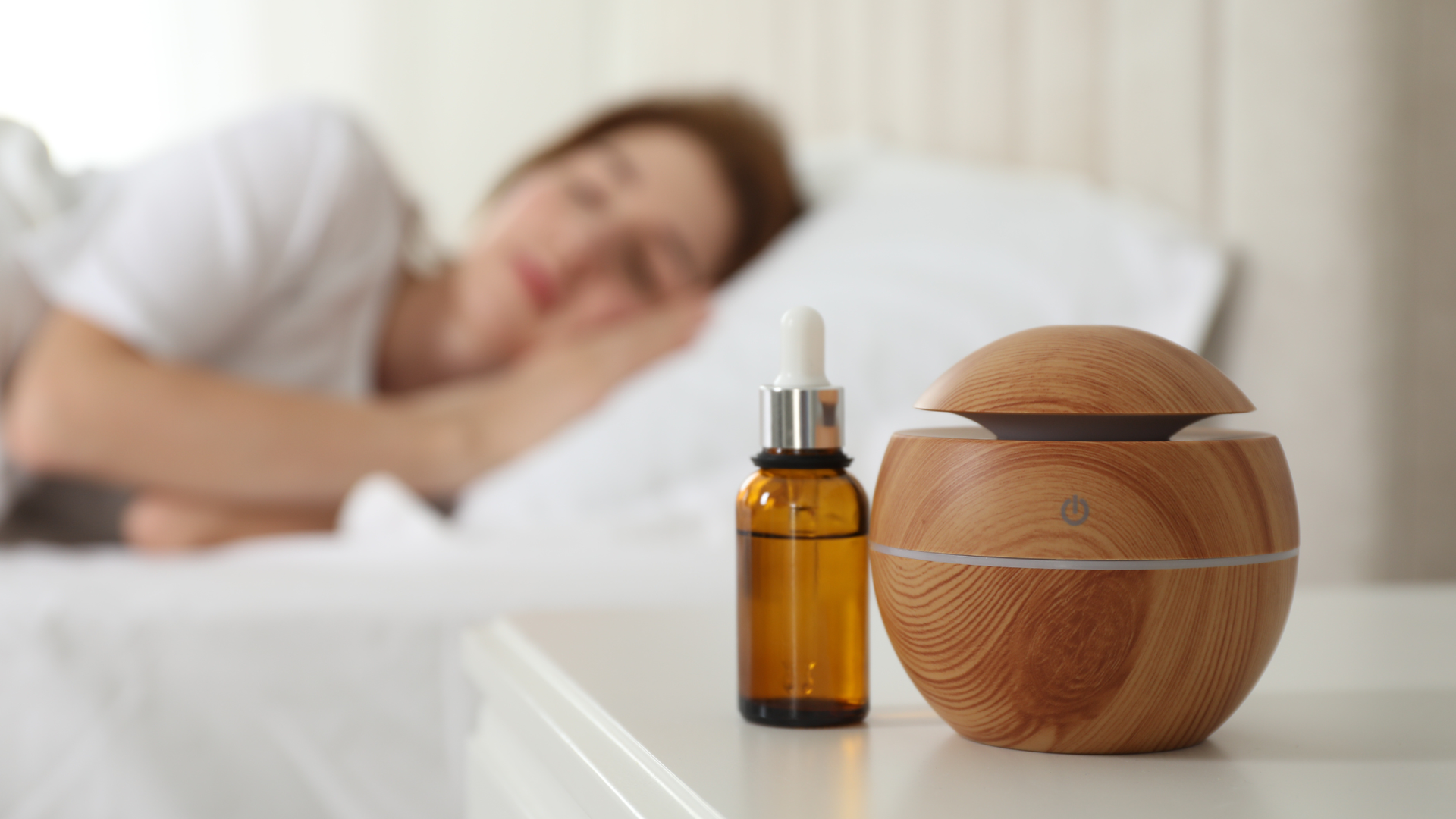
Learn to use essential sleep oils topically or aromatically for a calming bedtime routine. Get practical tips on diffusing, dilution, habit-building.

Unwind overworked joints before bed with a 10-minute essential oil massage. Get dilution tips, techniques, and simple routines for soothing nighttime comfort.
Build a gentle, toxin-free facial care routine with essential oils. Discover safe dilution, patch testing, AM/PM steps and tips for cleaner, healthier skin.

Discover 3 simple essential oil routines to ease work-life stress. Get safety tips and quick scent cues for calm focus and evening wind-downs.
Explore gentle, kid-safe essential oil blends to support your family's cold and flu wellness routines with safe dilution, diffusion tips, and home habits.

Discover a practical monthly menstrual self-care ritual using essential oils, heat, movement, and grounding habits. Safe, realistic tips for comfort and calm.

Kickstart your day with a 10-minute morning ritual using essential oils to support immunity, hydration, hygiene, and stress relief. Simple family tips.
Learn how to create DIY essential oil body scrubs for gentle exfoliation and radiant skin. Discover recipes, safety tips, and ingredient guides for smoother skin.

Discover how pairing journaling with essential oils creates a simple daily ritual to support calm, clarity, and emotional balance. Step-by-step guide included.