
Fridge & Pantry Freshness: DIY Essential Oil Deodorizing Solutions (Non-Toxic, Family-Friendly)
August 21, 2026
A cleaner-smelling kitchen starts with odor control that doesn’t “mask” problems
A fresh fridge and pantry aren’t just about nice scents—they’re often a sign that food is being stored well, spills are handled quickly, and the space is easy to maintain. At YL Family
, we’re big believers in practical, toxin-conscious habits that support everyday wellness. The good news: you can keep odors in check with simple materials (like baking soda or activated charcoal) plus thoughtfully used essential oils—without turning your fridge into a perfume cabinet.
Why fridges and pantries get “stale” (and why covering it up doesn’t last)
Most kitchen odors come from a handful of sources:
Deodorizing works best when you pair absorption
(capturing odor molecules) with cleaning
(removing what causes them). The CDC’s refrigerator-cleaning guidance emphasizes practical steps like removing food, washing removable parts, and wiping surfaces with hot, soapy water. That foundation matters before you add any scent. ( cdc.gov)
Moisture + spills
(especially in produce drawers and on door shelves)
Food packaging that isn’t airtight
(cut onions, cheese, leftovers, open baking ingredients)
Old crumbs and residue
in pantry corners and along shelf edges
Temperature swings
from frequent opening/closing and overstuffing
The 3-part “Freshness System”: Clean, Absorb, and Scent (lightly)
Think of freshness as a system you can maintain in minutes each week:
1) Clean
Remove the source (spills, sticky jars, old produce). Quick wipe-downs prevent odor build-up.
2) Absorb
Baking soda and activated charcoal are classic odor absorbers. Texas A&M food-safety guidance notes baking soda solutions for washing and also mentions activated charcoal if odors persist. ( foodsafety.tamu.edu)
3) Scent (Optional)
Use essential oils as a finishing touch
—not a cover-up. The goal is a clean, subtle freshness that doesn’t migrate into foods.
DIY deodorizing recipes (fridge + pantry)
Recipe A: “Pantry Deodorizer” Baking Soda Jar (easy + effective)
Best for:
pantry shelves, spice cabinets, under-sink areas (away from moisture)
What you need:
1 small jar (4–8 oz) with a breathable top (coffee filter + ring, or lid with holes)
1/2 cup baking soda
3–6 drops essential oil (optional)
Steps:
Add baking soda to jar.
Add essential oil drops, then stir gently with a spoon or skewer to distribute.
Cover with breathable top; place at the back of the pantry.
Reset schedule:
Replace every 3–4 weeks (or sooner if odors return).
Recipe B: Activated Charcoal Fridge Freshener (best for stubborn smells)
Best for:
fish night, onion-heavy meals, “mystery smell” weeks
What you need:
Activated charcoal (food/odor-absorbing grade) in a breathable sachet or open container
Optional: 1–3 drops essential oil on a cotton round placed near
(not on) the charcoal container
Steps:
Place charcoal on a middle shelf (stable, away from drips).
If you want a light scent, add essential oil to a cotton round and place it in a small perforated container beside the charcoal (keeps oil away from food and surfaces).
Reset schedule:
Replace per product instructions; many charcoal deodorizers last longer than baking soda.
Tip: Food-safety guidance commonly suggests baking soda first, then activated charcoal if odors persist. ( foodsafety.tamu.edu)
Recipe C: Non-Toxic “Shelf Refresh” Spray (pantry-safe surfaces)
Best for:
pantry shelves, non-porous bins, fridge door shelves (wipe-dry)
What you need:
1 cup warm water
1–2 teaspoons mild dish soap (for cleaning lift)
Optional: 5–10 drops essential oil
Spray bottle + microfiber cloth
Steps:
Mix in bottle and shake gently.
Spray onto cloth (not directly onto food-contact areas), then wipe shelves.
Wipe again with a clean damp cloth; finish by drying thoroughly.
Note: If you’re responding to a food recall event, follow the CDC’s step-by-step refrigerator cleaning guidance for that situation. ( cdc.gov)
Which essential oils work best for kitchen deodorizing?
For fridges and pantries, most families prefer clean, crisp, “neutral” scents
—not floral-heavy or overly sweet.
Citrus-style
notes feel bright and fresh (great for pantry sachets).
Herbal
notes (like rosemary-style profiles) can feel “clean” without smelling like air freshener.
Soft, calming
notes can work well in a pantry jar, especially if you’re sensitive to stronger scents.
Safety reminder: “Natural” doesn’t automatically mean risk-free. The FDA notes that some essential oils can irritate skin and that products marketed with therapeutic claims may be regulated differently than cosmetics. Use oils carefully, store them securely, and avoid direct contact with food surfaces. ( fda.gov)
Quick comparison table: what to use (and where)
| Option | Best For | Pros | Watch Outs |
|---|---|---|---|
| Baking soda jar | Everyday pantry + fridge | Cheap, simple, gentle | Needs regular replacement; avoid spills into food |
| Activated charcoal | Strong or lingering fridge odors | Powerful absorption, longer lasting | Use breathable container; keep away from drips |
| Essential oil sachet | Pantry corners, linen/utility shelves | Light, pleasant freshness | Don’t place near open food; keep away from kids/pets |
| Cleaning spray + wipe | Resetting shelves after spills | Removes odor source | Avoid spraying directly on food-contact areas; dry thoroughly |
Did you know? Quick freshness facts
Odor often hides in removable parts.
Drawers and door bins are common spill zones—washing them separately helps.
Activated charcoal is a classic “second step.”
If baking soda isn’t cutting it, charcoal is often recommended for persistent odors. ( foodsafety.tamu.edu)
Essential oils are potent.
Even when used for aroma, they can irritate or cause reactions in some people; careful handling matters. ( fda.gov)
Extra safety notes (kids, pets, and food areas)
Keep oils away from food.
For fridge/pantry deodorizing, use oils on cotton rounds or in sachets—never dripping onto shelves where food sits.
Store essential oils securely.
Treat them like concentrated household products—out of reach of children and pets.
If you have pets:
The ASPCA notes that exposure can cause health concerns, and suggests extra caution with diffusers—particularly with birds, and with pets who have respiratory issues. When in doubt, skip airborne scenting and stick to closed, out-of-reach pantry sachets (or just use unscented baking soda/charcoal). ( aspca.org)
A simple weekly routine you can actually stick with
5-minute fridge reset (once a week)
Toss leftovers that are past their window.
Wipe any visible drips (door shelves first).
Check your deodorizer: stir baking soda or refresh cotton round if the scent is gone.
10-minute pantry reset (every 2–4 weeks)
Pull everything from one shelf only (small, fast wins).
Vacuum or wipe crumbs, then dry.
Add a baking soda jar deodorizer in the back corner.
Local angle: what “freshness” looks like across the United States
Climate and season can change how your kitchen smells. In humid regions, moisture and produce spoilage can show up faster; in drier regions, pantry “staleness” often comes from crumbs, open packaging, and temperature swings. Across the U.S., a consistent approach helps:
Choose airtight containers
for baking ingredients and snacks (less odor transfer).
Use absorption first
(baking soda/charcoal), then add a light essential-oil note if you want it.
Keep scent subtle
—especially in smaller kitchens where aromas concentrate quickly.
Ready to build a cleaner, calmer home routine?
If you’re looking for essential oils and natural wellness products to support a toxin-conscious lifestyle, explore YL Family’s curated shop and choose options that fit your family’s needs—sleep, stress, immune support, personal care, and green home living.
FAQ: Fridge freshness, pantry deodorizer tips, and natural odor control
Will essential oils make my food taste or smell like the oil?
They can if you use too much or place oils too close to uncovered food. Keep oils in a sachet or on a cotton round inside a container with airflow, and use a small number of drops.
What’s better for fridge freshness: baking soda or charcoal?
Baking soda is a great everyday baseline. If odors persist after cleaning and baking soda, activated charcoal is often recommended as a next step for stubborn smells. ( foodsafety.tamu.edu)
How often should I clean the fridge to prevent odors?
A quick weekly wipe for drips plus a deeper clean when needed works well for most households. For step-by-step guidance after a recall or contamination concern, follow the CDC’s refrigerator cleaning steps. ( cdc.gov)
Is it safe to diffuse essential oils if I have pets?
Use caution. The ASPCA notes pets can develop health concerns from exposure (including oils on their coat/paws), and recommends extra care with diffusers—especially for birds and pets with respiratory issues. When in doubt, skip diffusers and stick to unscented odor absorbers or use very contained, out-of-reach methods. ( aspca.org)
Can I put essential oils directly on fridge shelves for natural odor control?
It’s better not to. Essential oils are concentrated and can be irritating; keep them off food-contact surfaces and use them on a cotton round or in a sachet instead. The FDA notes that even oils considered safe in some contexts can cause skin irritation and that “natural” doesn’t guarantee safety. ( fda.gov)
Glossary
Activated charcoal
A highly porous form of carbon that can trap odor compounds; commonly used for deodorizing fridges and rooms.
Deodorizer vs. air freshener
A deodorizer helps reduce odors (often via absorption). An air freshener mainly adds scent to mask odors.
Sachet
A small breathable pouch (cloth, paper, muslin) that holds a deodorizing material like baking soda or a cotton round with essential oil.
Food-contact surface
Any surface where food is placed directly. For these areas, it’s best to rely on proper cleaning and avoid leaving essential oils on the surface.
Friendly note:
This content is for educational purposes and isn’t medical advice. If you have questions about sensitivities, pregnancy, or using essential oils around children or pets, consult a qualified professional.

Discover teen-friendly bedtime routines with gentle essential oils for 8–10 hours of sleep. Try simple wind-down steps for calmer nights and rested mornings.
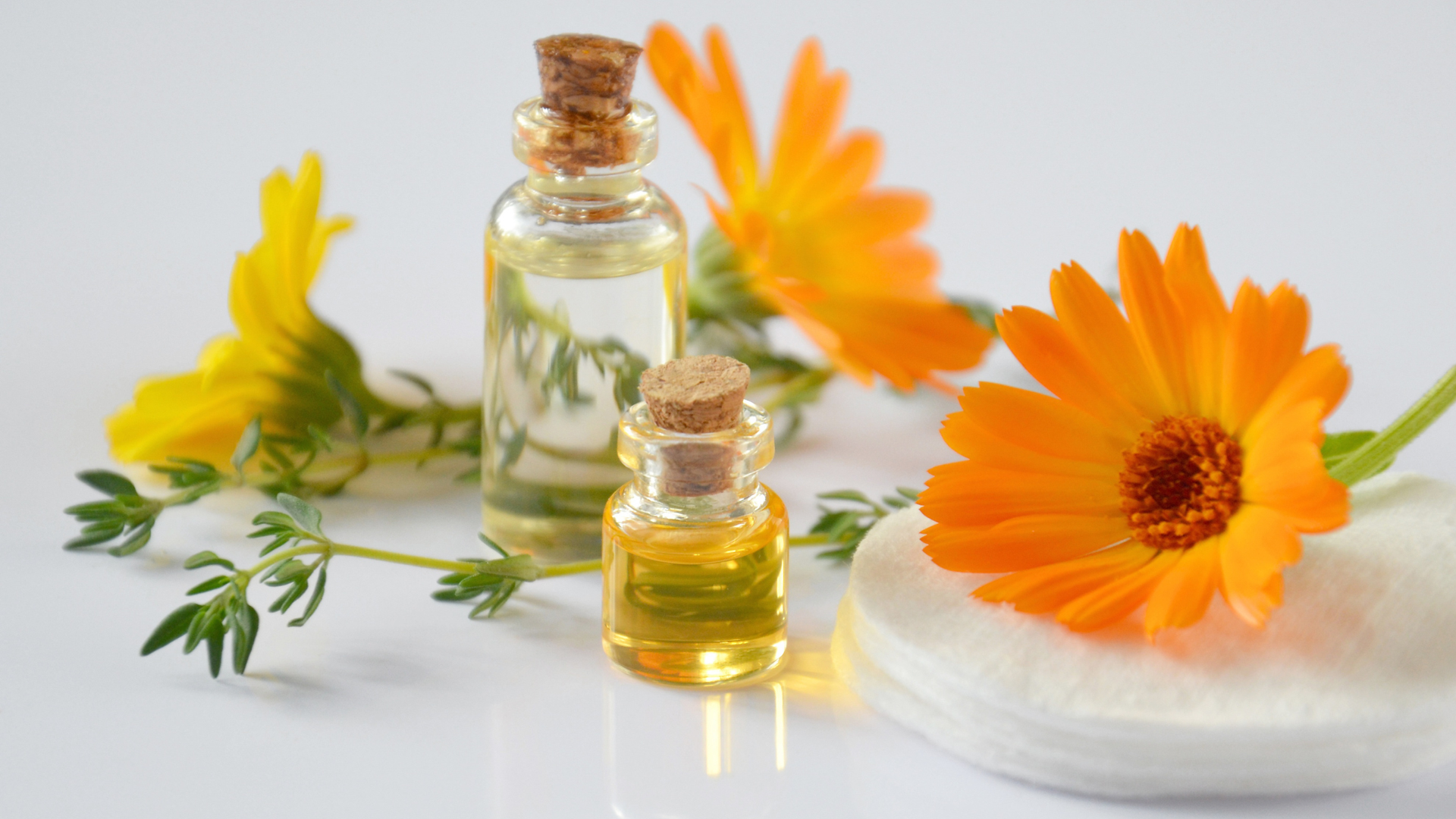
Learn essential oil safety & dilution basics with practical tips. Discover phototoxicity warnings, dilution ratios, and beginner routines for confident, safe use.
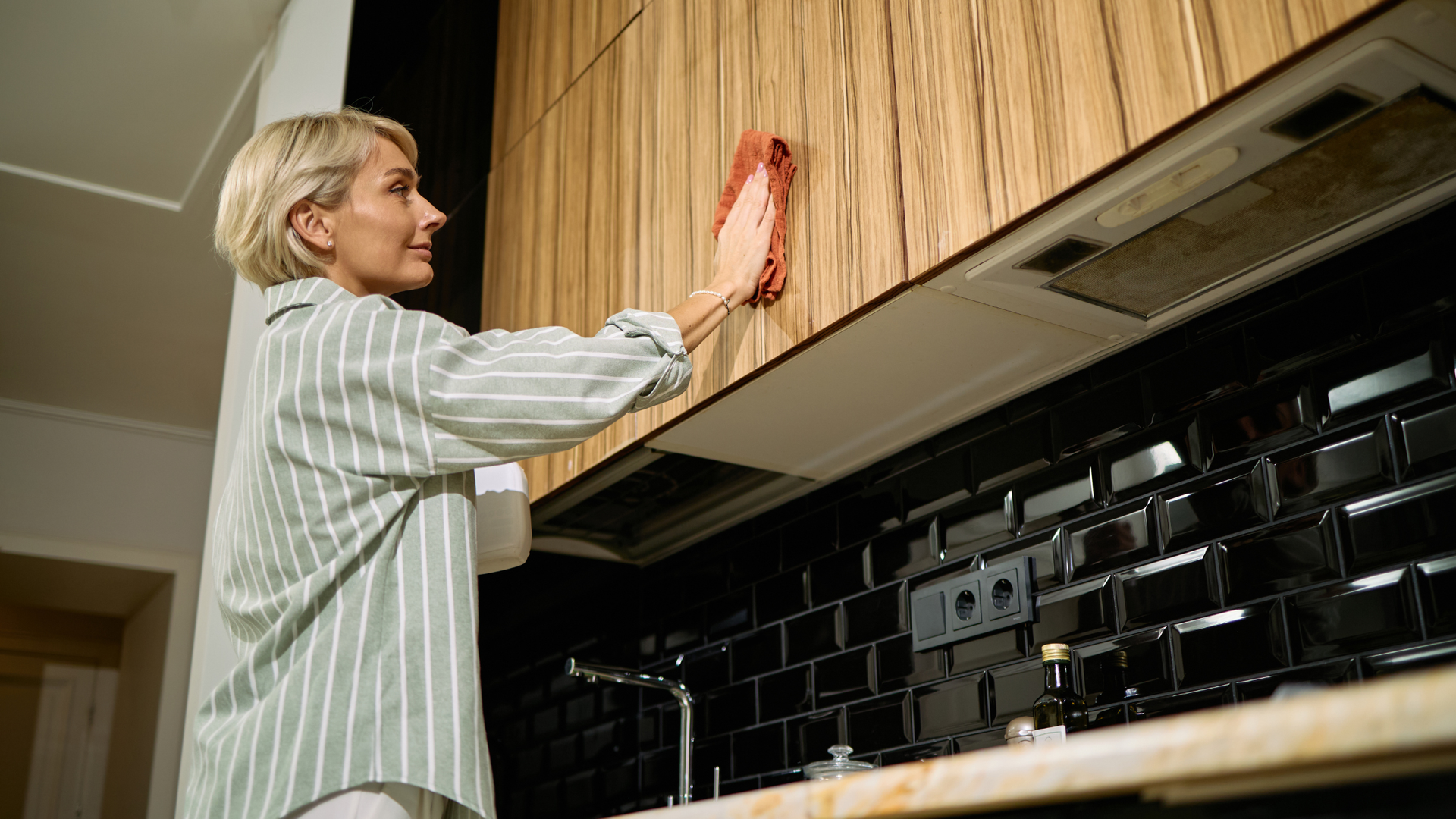
Learn to make eco-friendly DIY cleaning tablets with baking soda, citric acid & essential oils for effective, low-toxin home cleaning and reduced plastic waste.
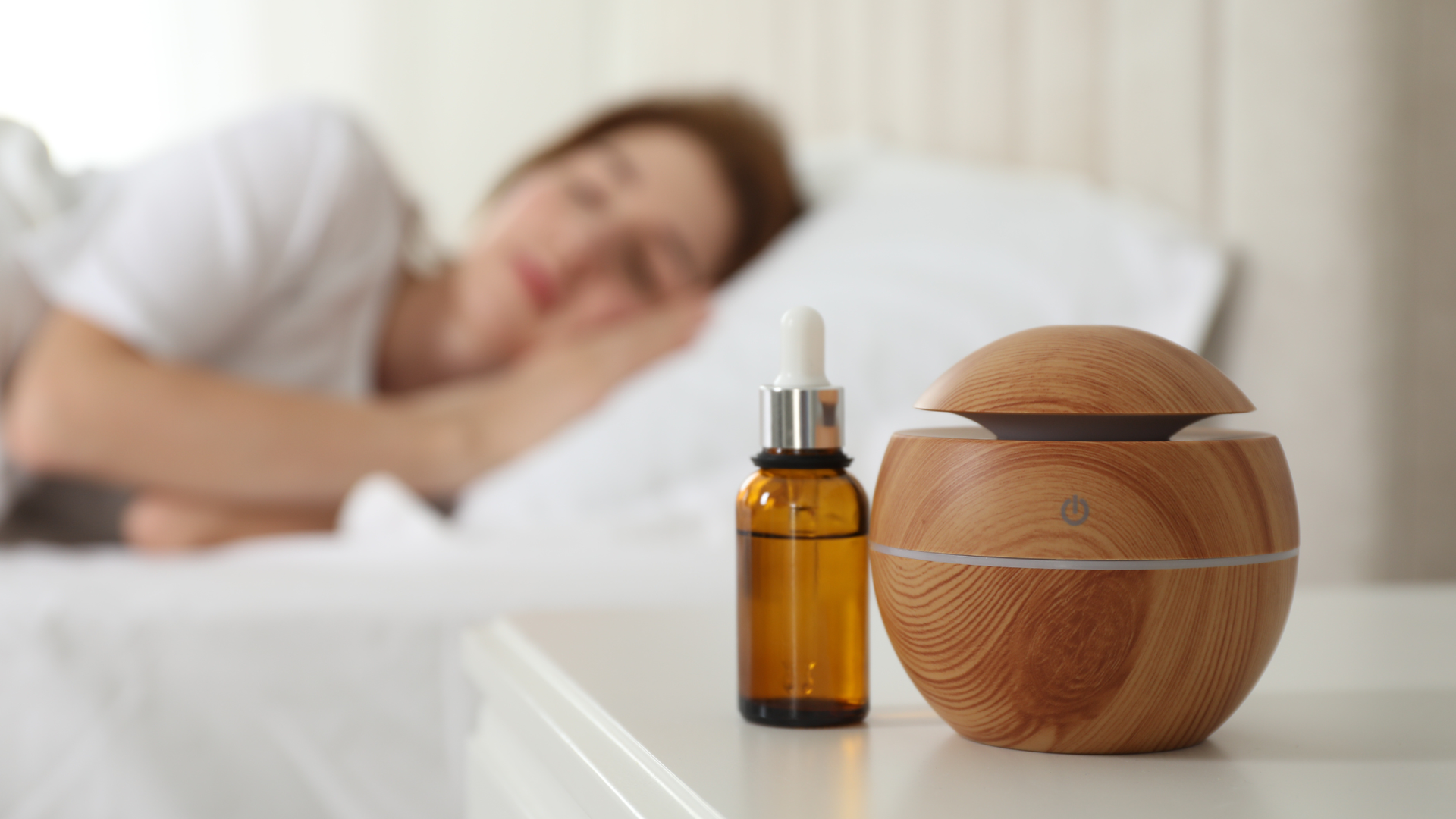
Learn to use essential sleep oils topically or aromatically for a calming bedtime routine. Get practical tips on diffusing, dilution, habit-building.

Unwind overworked joints before bed with a 10-minute essential oil massage. Get dilution tips, techniques, and simple routines for soothing nighttime comfort.
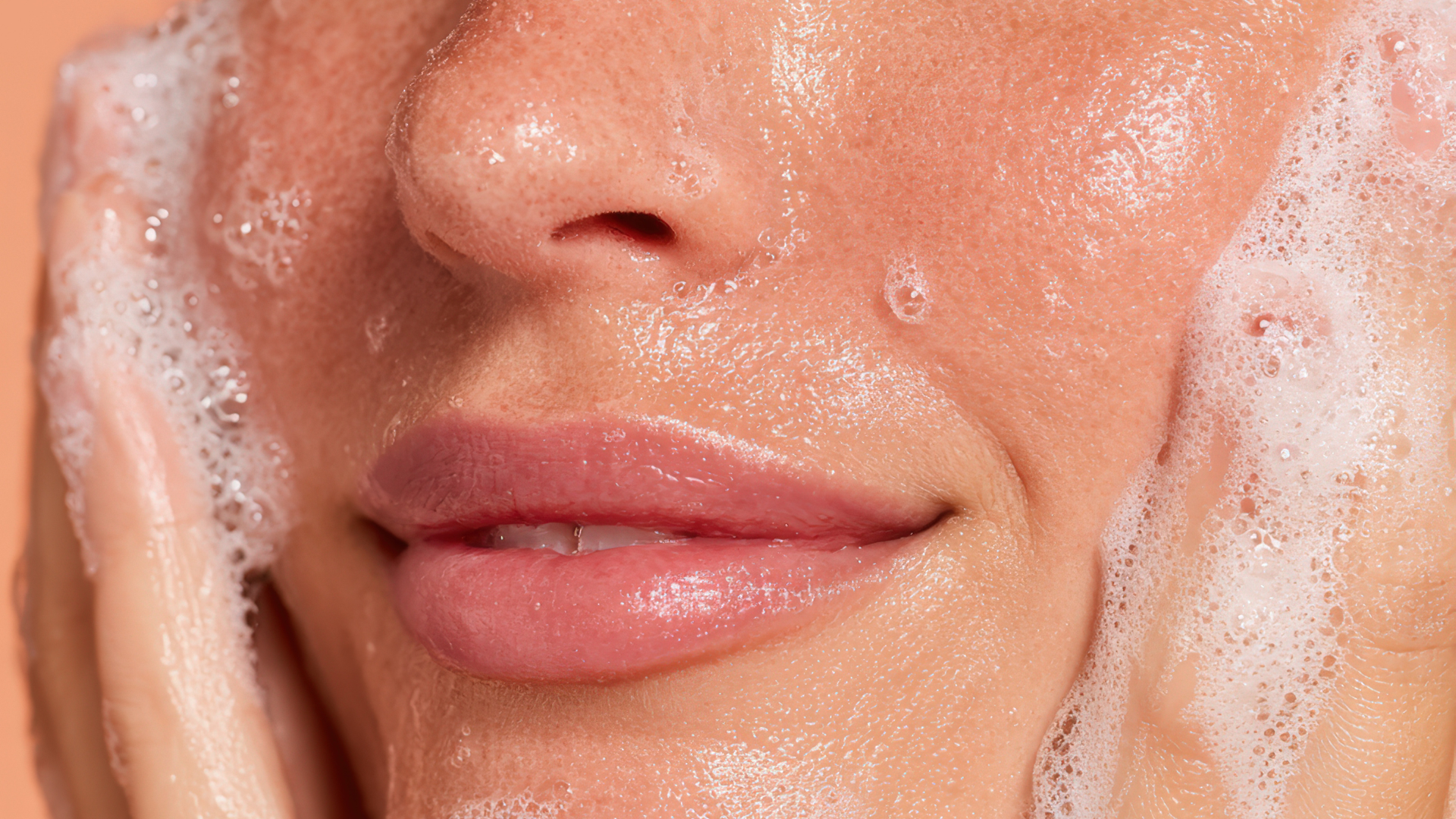
Build a gentle, toxin-free facial care routine with essential oils. Discover safe dilution, patch testing, AM/PM steps and tips for cleaner, healthier skin.

Discover 3 simple essential oil routines to ease work-life stress. Get safety tips and quick scent cues for calm focus and evening wind-downs.
Explore gentle, kid-safe essential oil blends to support your family's cold and flu wellness routines with safe dilution, diffusion tips, and home habits.

Discover a practical monthly menstrual self-care ritual using essential oils, heat, movement, and grounding habits. Safe, realistic tips for comfort and calm.

Kickstart your day with a 10-minute morning ritual using essential oils to support immunity, hydration, hygiene, and stress relief. Simple family tips.