
Essential Oils for Hormonal Headache Relief: Ease PMS Migraines Naturally
April 26, 2026
A gentler toolkit for PMS headaches—without ignoring the big picture
If your headaches reliably show up around your cycle—throbbing, pressure behind the eyes, neck tension, light sensitivity, or full-on migraine—you’re not imagining the pattern. Hormone shifts can influence pain pathways, sleep quality, stress response, and hydration needs, which can all stack the deck toward headaches. Essential oils won’t “fix hormones,” but they can be a practical layer of support for tension, stress load, and comfort—especially when paired with simple habits that reduce common triggers.
Important note:
If you have new, severe, or changing headaches, or migraine symptoms like weakness, fainting, slurred speech, or “worst headache of your life,” seek urgent medical care. Essential oils are supportive tools—not a substitute for diagnosis or treatment.
Why PMS and hormonal migraines happen (in plain English)
Many people notice headaches in the days leading up to their period or at the start of bleeding. A common driver is the rapid change (especially a drop) in estrogen. That shift can affect:
Essential oils are most helpful when they target the “secondary” contributors—tension, stress, nausea, and the need for a calming reset—while you also address hydration, nutrition timing, and sleep.
Brain chemistry & pain sensitivity:
hormone changes can make the nervous system more reactive.
Sleep:
lighter sleep or insomnia can raise migraine risk.
Stress response:
cortisol patterns and muscle tension often increase around demanding weeks.
Fluid balance:
dehydration and electrolyte shifts can be sneaky triggers.
The essential oils most often used for hormonal headache support
When people search for PMS headache oils
or migraine relief essential oils
, two oils come up repeatedly because they support comfort in different ways:
People also often combine these with gentle, grounding oils (like frankincense or roman chamomile) for a more “exhale” effect—especially when headaches show up alongside irritability, overwhelm, or poor sleep.
Lavender (aromatic support for calm + tension):
Inhaled lavender has been studied for acute migraine support and is commonly used for relaxation and stress modulation.
Peppermint (cooling support for tension-type discomfort):
Peppermint is widely used topically (properly diluted) for tension headaches and “tight” forehead/temple sensations. Evidence is limited but promising for tension-type relief.
A simple, targeted approach: choose your “headache type” first
Hormonal headaches can feel different month to month. Use your symptoms to guide how you use oils.
What it feels like
Most helpful oil “direction”
Best method
Band-like pressure, tight neck/shoulders, screen-time ache
Cooling + muscle-tension support (peppermint-forward)
Topical (diluted) + gentle neck massage
Throbbing migraine symptoms, stress spike, sensory sensitivity
Calming aromatic support (lavender-forward)
Inhalation (diffuser or personal inhaler)
Headache + nausea or “queasy” feeling
Cooling + steady-breath support (peppermint + lavender balance)
Inhalation first; topical only if tolerated
Pro tip:
If smells make your migraine worse, skip diffusing and try unscented comfort strategies first (hydration + dark room + cold compress). Some people are scent-sensitive during attacks.
Step-by-step: 3 easy routines for hormonal headache support
1) The “Temple & Neck Reset” (best for tension-style PMS headaches)
What you’ll do:
Apply a properly diluted blend to the base of the skull, upper neck, and jawline (avoid eyes and broken skin), then do 60–90 seconds of slow breathing.
Blend idea:
Peppermint + lavender in a carrier oil (start very low).
Technique:
Small circles at the base of the skull, then gentle downward strokes along the neck.
Pair with:
A tall glass of water and a salty snack if you’ve been under-eating.
2) The “Lavender Pause” (best for stress-triggered migraine days)
What you’ll do:
Use a diffuser for a short session (10–20 minutes) in a well-ventilated room, then rest your eyes and lower stimulation.
Blend idea:
Lavender on its own, or lavender + a grounding note like frankincense.
Environment:
Dim lights, reduce screen brightness, and loosen tight clothing around neck/waist.
Breath cue:
Inhale 4 seconds, exhale 6–8 seconds (2–4 minutes).
3) The “Bedtime Buffer” (helpful when headaches track with poor sleep)
What you’ll do:
Build a consistent wind-down so you’re not playing catch-up when your cycle week hits.
Option A:
Diffuse lavender 20 minutes before sleep, then turn the diffuser off.
Option B:
Use a diluted roller blend on wrists/neck (patch test first).
Support habit:
Same bedtime/wake time for 4–5 days leading into your period when possible.
Safety basics that matter:
Always dilute essential oils for topical use, keep oils away from eyes/mucous membranes, and start with less. If you’re pregnant, breastfeeding, managing asthma, or using oils around children, talk with a qualified clinician first and use extra caution.
Did you know? Quick facts that can reduce hormone-week headaches
Hydration is not just water.
If you’re drinking more water but still getting headaches, you may need electrolytes (especially if you sweat a lot, drink coffee, or exercise intensely).
Under-eating can trigger headaches.
Skipped meals and low protein earlier in the day can create blood-sugar swings that feel like “hormonal migraines.”
Neck and jaw tension are often involved.
Clenching, posture, and screen time can amplify PMS headaches—topical oils plus gentle self-massage can be a helpful combo.
A U.S. household approach: cleaner routines that reduce “headache noise”
Across the United States, many families are trying to reduce exposures that can aggravate headaches—strong synthetic fragrances, harsh cleaners, and heavy air fresheners are common culprits for sensitive people. A simple “green home” approach can make your essential oil routine feel more supportive and less overwhelming:
If you’re building a toxin-aware home routine, you may also like exploring Green Home Living
options curated by YL Family.
Choose fragrance-free laundry and cleaning options when possible, especially during migraine-prone weeks.
Ventilate kitchens and bathrooms well (humidity + odors can be triggers).
Keep diffuser sessions shorter and purposeful instead of running all day.
Where essential oils fit (and where they don’t)
Think of essential oils as nervous-system and comfort support
. They can be useful for:
They are less useful if the main driver is an unmanaged medical issue (blood pressure concerns, medication-overuse headaches, severe anemia, or neurological changes). If your headaches are frequent, disabling, or escalating, it’s worth getting a personalized plan from your healthcare team.
Tension, tight muscles, and stress-associated headache patterns
Creating a consistent wind-down routine for better sleep
Supporting a calmer response when symptoms start (especially if you catch them early)
Explore targeted wellness categories
Many people with hormone-week headaches also support their routine with calmer evenings and stress tools.
Support recovery with movement
Gentle mobility and neck/shoulder work can reduce tension load over time.
Shop supportive essentials with YL Family
If you want help choosing a simple, beginner-friendly approach to hormonal headache support
—from calming diffusion routines to properly diluted topical options—YL Family can guide you toward clean, consistent choices for the whole household.
FAQ: Essential oils for PMS headaches and hormonal migraines
What are the best essential oils for PMS headaches?
Many people start with lavender for calming aromatic support and peppermint for cooling, tension-style discomfort. The best choice depends on whether your symptoms feel more like muscle tension, sensory overload, stress, or nausea.
Can essential oils stop a hormonal migraine once it starts?
Some people find inhalation routines (especially lavender) helpful early in an attack, but results vary. Essential oils are best viewed as supportive—most effective when combined with your established migraine plan (hydration, rest, low stimulation, and clinician-guided treatment when needed).
How do I use peppermint safely for headaches?
Use topical peppermint only when diluted in a carrier oil, avoid the eye area, and wash hands after applying. Start with a small amount and patch test first—peppermint can feel intense on sensitive skin.
Are essential oils safe for kids and teens with headaches?
Use extra caution with children: keep diffusion gentle, avoid strong or “hot” oils, and always dilute for topical use. If a child has frequent headaches, prioritize medical evaluation first to rule out vision issues, dehydration, sleep problems, or other causes. For family-focused options, see Kids & Teens.
When should I talk to a healthcare professional?
If headaches are new, worsening, happening more than a few times per month, waking you from sleep, or accompanied by neurological symptoms (weakness, confusion, fainting, vision loss), get medical guidance promptly. If you’re pregnant, breastfeeding, or on multiple medications, it’s also smart to ask before using essential oils regularly.
Glossary (quick definitions)
Carrier oil:
A neutral oil (like fractionated coconut or jojoba) used to dilute essential oils for safer topical use.
Diffusion:
Dispersing essential oil into the air (ideally for short sessions in a ventilated space).
Hormonal migraine:
Migraine attacks that correlate with menstrual cycle hormone shifts, often around the start of bleeding.
Patch test:
Testing a diluted oil on a small area of skin (like inner forearm) to check for irritation before broader use.
Tension-type headache:
Often feels like pressure or a tight band around the head; commonly linked with neck/shoulder tension and stress.

Discover teen-friendly bedtime routines with gentle essential oils for 8–10 hours of sleep. Try simple wind-down steps for calmer nights and rested mornings.
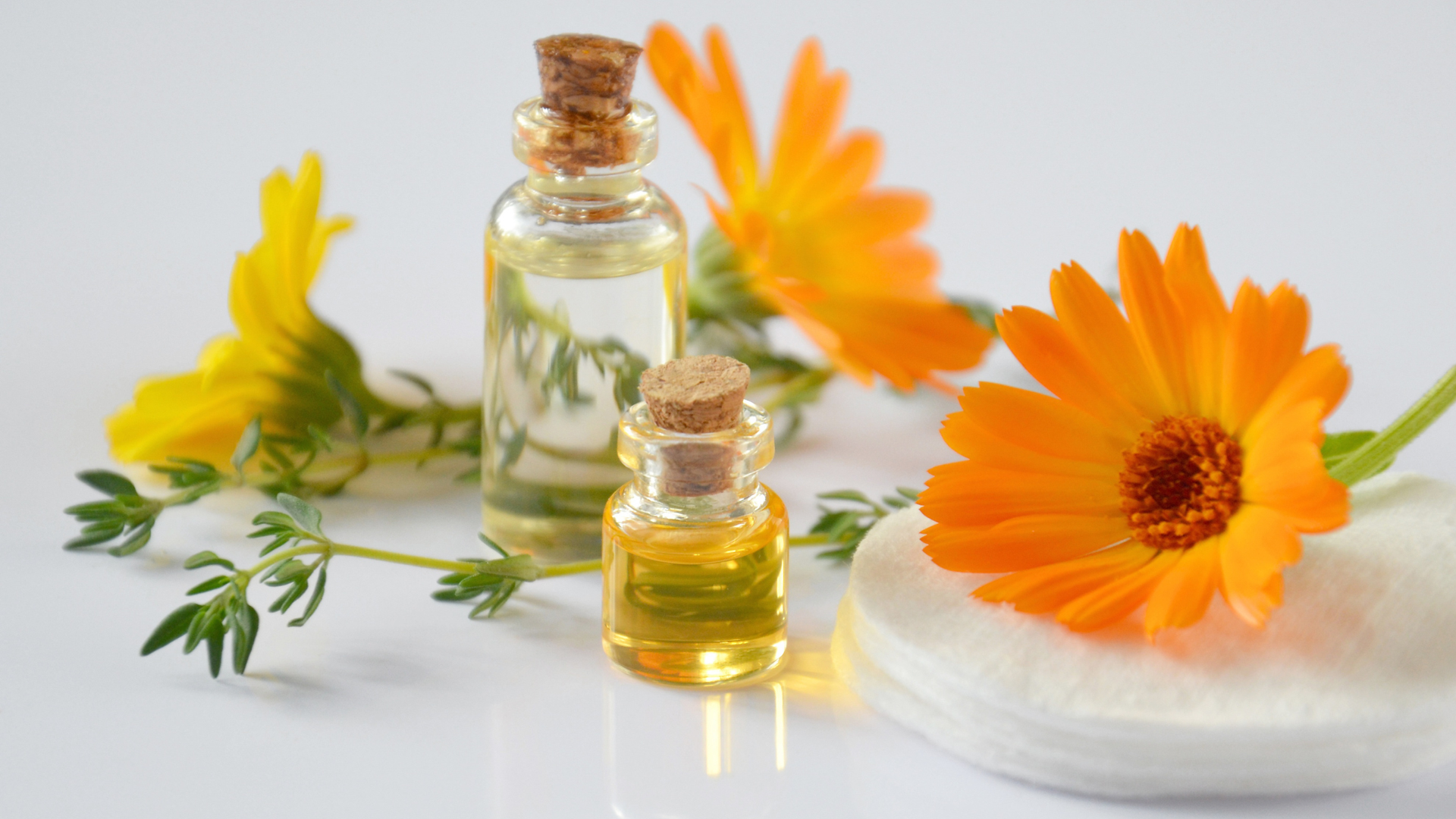
Learn essential oil safety & dilution basics with practical tips. Discover phototoxicity warnings, dilution ratios, and beginner routines for confident, safe use.
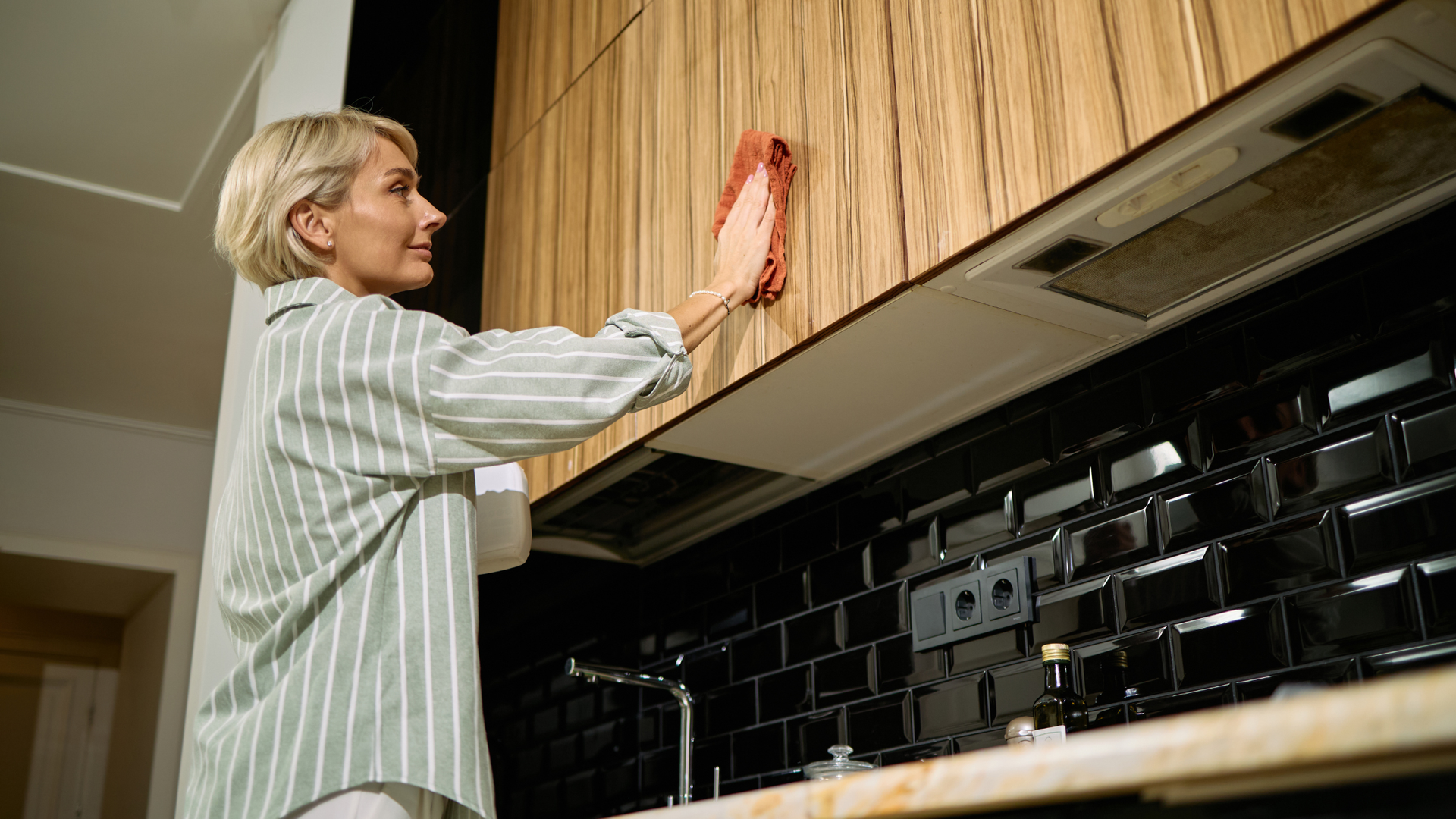
Learn to make eco-friendly DIY cleaning tablets with baking soda, citric acid & essential oils for effective, low-toxin home cleaning and reduced plastic waste.
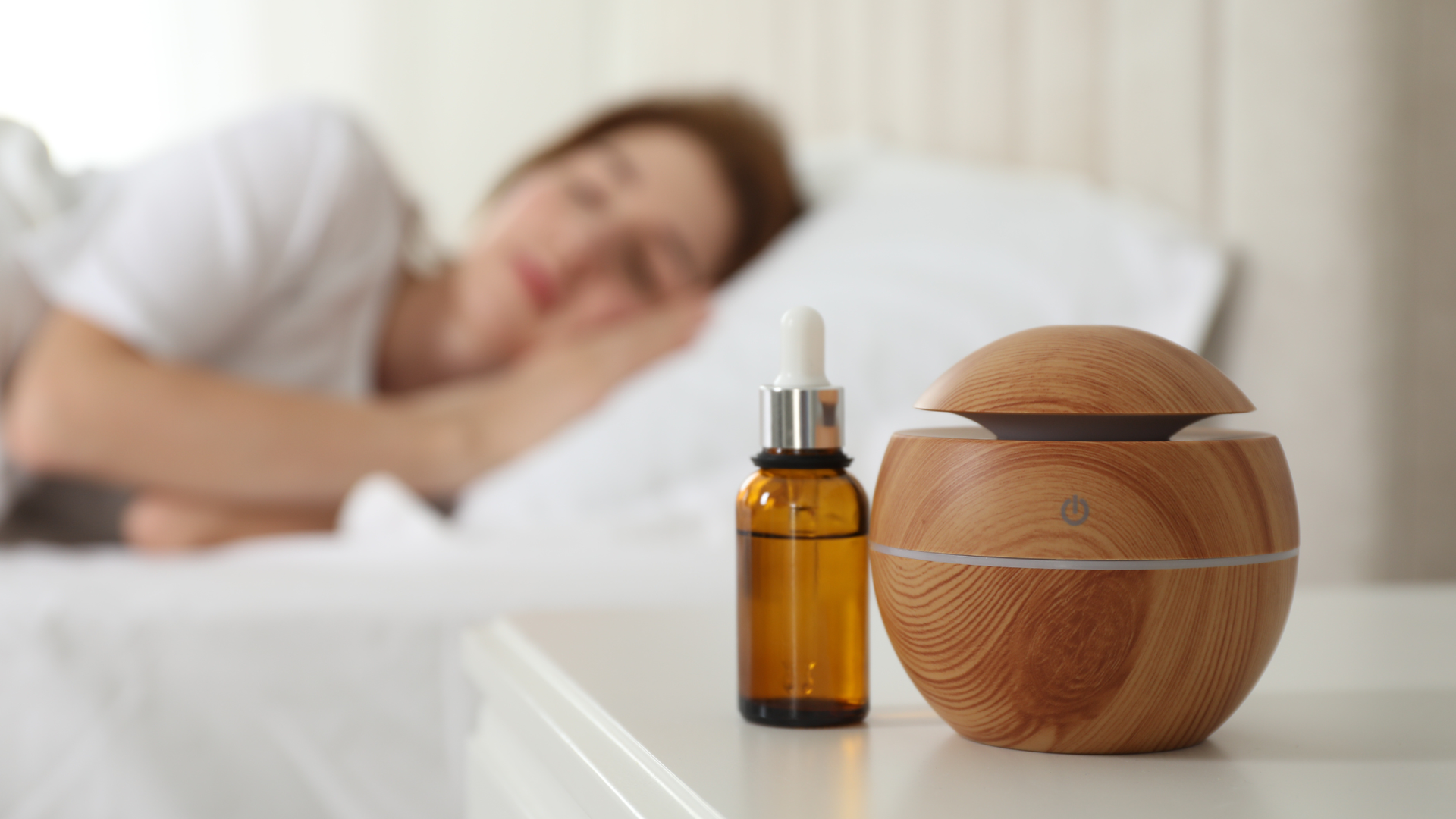
Learn to use essential sleep oils topically or aromatically for a calming bedtime routine. Get practical tips on diffusing, dilution, habit-building.
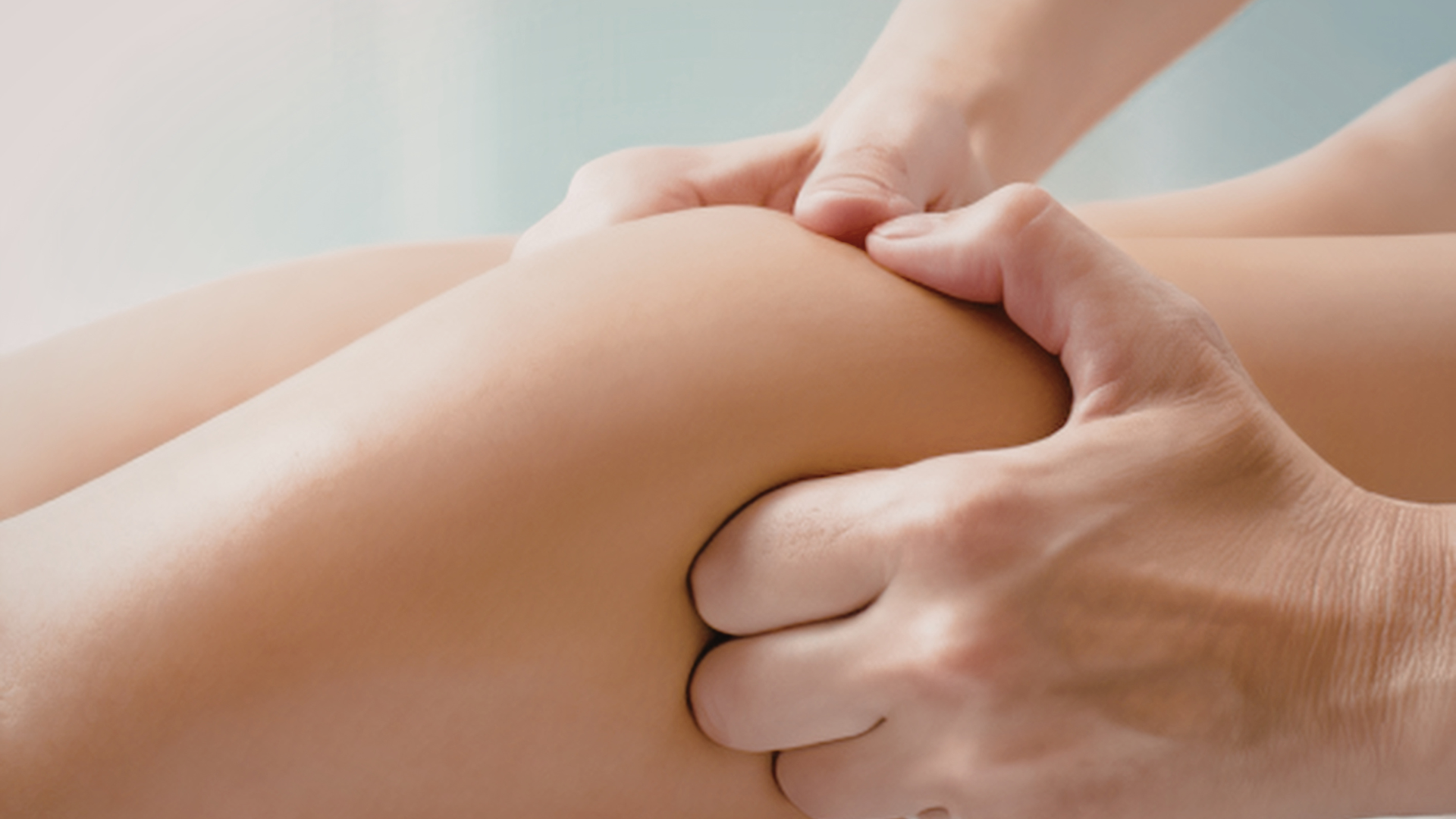
Unwind overworked joints before bed with a 10-minute essential oil massage. Get dilution tips, techniques, and simple routines for soothing nighttime comfort.
Build a gentle, toxin-free facial care routine with essential oils. Discover safe dilution, patch testing, AM/PM steps and tips for cleaner, healthier skin.

Discover 3 simple essential oil routines to ease work-life stress. Get safety tips and quick scent cues for calm focus and evening wind-downs.
Explore gentle, kid-safe essential oil blends to support your family's cold and flu wellness routines with safe dilution, diffusion tips, and home habits.

Discover a practical monthly menstrual self-care ritual using essential oils, heat, movement, and grounding habits. Safe, realistic tips for comfort and calm.

Kickstart your day with a 10-minute morning ritual using essential oils to support immunity, hydration, hygiene, and stress relief. Simple family tips.