
Gargle and Spritz: Essential Oil Recipes for Oral Immune Defense (Safe, Simple, and Family-Friendly)
April 12, 2026
A cleaner-feeling mouth can be part of your everyday wellness rhythm
Your mouth is the front door to the rest of your body—so when your oral routine feels supportive, the whole day tends to go better. At YL Family
, we love practical, low-tox ways to build consistent habits that work for real life: brushing, flossing, hydration, and optional add-ons like a gentle gargle or a refreshing mouth spritz.
This guide shares essential oil-inspired recipes and safer usage tips (especially important when anything is used in or near the mouth). You’ll also find non-oil options that still fit a clean-living lifestyle—because “natural” should always mean thoughtful and well-informed .
This guide shares essential oil-inspired recipes and safer usage tips (especially important when anything is used in or near the mouth). You’ll also find non-oil options that still fit a clean-living lifestyle—because “natural” should always mean thoughtful and well-informed .
First: what “oral immune defense” can (and can’t) mean
“Oral immune defense” is a wellness phrase people use to describe routines that help the mouth feel clean, comfortable, and resilient—especially during seasonal shifts or stressful weeks.
A few evidence-based foundations matter most:
Bottom line: a gargle or spritz can be a pleasant adjunct for fresh breath and comfort—but it shouldn’t replace dental care, and it needs to be done safely.
A few evidence-based foundations matter most:
Daily mechanical cleaning:
brushing and flossing disrupt plaque better than any rinse alone.
Smart product choices:
the American Dental Association recommends looking for products that have been evaluated for safety and effectiveness (e.g., ADA Seal for mouthrinses). ( ada.org)
Safety with essential oils:
reputable aromatherapy organizations advise against internal use without advanced training and appropriate professional guidance. ( naha.org)
Bottom line: a gargle or spritz can be a pleasant adjunct for fresh breath and comfort—but it shouldn’t replace dental care, and it needs to be done safely.
Essential oil safety for anything used in the mouth
Essential oils are highly concentrated plant compounds. When used incorrectly, they can irritate delicate oral tissues and may be risky if swallowed—especially for children.
If you want a more evidence-aligned option, consider a commercially formulated mouthrinse that has established safety review. ( ada.org)
Non-negotiable safety rules
Never
swish or gargle undiluted oils.
Do not
use essential oil gargles/spritzes with children who may swallow the mixture.
Avoid
“internal use” unless you’re working with a qualified professional trained in essential oil safety. ( naha.org)
Stop immediately
if you feel burning, numbness, rash, or swelling; seek medical guidance if symptoms are significant.
Did you know? Quick oral-wellness facts
Mouthrinses are “helpers,” not heroes.
Even effective rinses are designed to be used alongside brushing and flossing—not instead of them. ( ada.org)
Oral care is connected to whole-body health in clinical settings.
In healthcare environments, standardized oral care is used to reduce infection risks like pneumonia in vulnerable patients—proof that consistent basics matter. ( cdc.gov)
Accidental ingestion is a real concern.
Safety agencies note frequent mishaps involving children and essential oils—store them securely and treat them like concentrated substances. ( anses.fr)
Step-by-step: safer “gargle and spritz” recipes (with non-oil options)
Because water and oil don’t mix well, DIY essential oil mouth recipes can create “hot spots” of concentrated oil. The options below prioritize lower-risk
approaches for adults. If you are pregnant, have asthma/COPD, take medications, or have oral sores, ask a clinician before experimenting.
1) Gentle salt gargle (oil-free, classic)
Best for:
scratchy-throat days, post-travel “reset,” simple breath support.
How to make:
How to make:
1) Warm water (about 8 oz / 240 mL).
2) Dissolve 1/4 to 1/2 tsp salt (start lower if sensitive).
3) Gargle 20–30 seconds, spit. Repeat 1–2 times.
4) Do not swallow.
2) Xylitol “fresh mouth” spritz (oil-free, family-aware)
Best for:
after coffee, dry mouth moments, on-the-go freshness.
Why xylitol? It’s widely used in oral products, and pediatric dentistry organizations discuss xylitol’s use and safety profile in oral health contexts. ( aapd.org)
How to make:
Why xylitol? It’s widely used in oral products, and pediatric dentistry organizations discuss xylitol’s use and safety profile in oral health contexts. ( aapd.org)
How to make:
1) Add 1/2 tsp xylitol to 2 oz (60 mL) warm distilled water; stir to dissolve.
2) Optional: add a pinch of salt.
3) Pour into a clean, food-safe spritzer bottle.
4) Spritz 1–2 times, then swallow normally (xylitol is used in oral products), or spit if preferred.
Pet safety note:
xylitol is unsafe for dogs. Keep bottles out of reach.
3) “Aromatic rinse” approach (adult-only, minimal contact)
If you love the sensory experience of oils, consider keeping it aromatic
rather than oral: diffuse during your evening routine, or add a drop to a shower steamer (not for ingestion). Many medical references note aromatherapy is commonly delivered via inhalation/topical routes rather than ingestion. ( cancer.gov)
How to do it:
How to do it:
1) Choose a relaxing or clarifying aroma you tolerate well.
2) Use a diffuser in a ventilated space for 15–30 minutes.
3) Pair it with brushing/flossing to reinforce the habit loop.
A clear caution about DIY essential oil gargles
DIY essential oil gargles can be risky because oils don’t disperse evenly in water, and oral tissues are sensitive. If you still want an “essential oil-containing rinse” for oral care, consider a commercially formulated product
designed for that purpose, and look for independent safety evaluation where possible. ( ada.org)
YL Family philosophy: we’re here for education first—your routine should feel good and be appropriate for your body and household.
YL Family philosophy: we’re here for education first—your routine should feel good and be appropriate for your body and household.
Quick comparison table: choose your best-fit option
| Option | Main purpose | Best for | Cautions |
|---|---|---|---|
| Salt gargle | Throat comfort, “reset” | Most adults | Avoid swallowing; go gentle if you’re sensitive |
| Xylitol spritz | Freshness, moisture support | Busy days, after meals | Keep away from dogs; confirm suitability for kids with your dentist |
| Commercial mouthrinse | Adjunct plaque/gingivitis support | People who want a researched option | Choose reputable products; look for independent evaluation (e.g., ADA Seal). ( ada.org) |
| Aromatic routine (diffuser) | Sensory support, habit pairing | People who want “oils” without oral exposure | Ventilation matters; avoid around sensitive pets/people |
A simple “oral defense” routine you can actually stick with
Try this 4-step flow for 7 days and see how your mouth feels:
Step 1:
Brush thoroughly (2 minutes), especially along the gumline.
Step 2:
Floss or use interdental cleaners nightly.
Step 3:
Choose one add-on: salt gargle or
xylitol spritz or
a commercial mouthrinse that fits your needs.
Step 4:
Hydrate—dry mouth often makes breath and comfort worse.
If you have persistent bleeding gums, mouth sores that don’t heal, tooth pain, or a sore throat lasting more than a few days, it’s worth checking in with a dental or medical professional.
Local angle: clean-living oral routines across the United States
Across the U.S., families are paying closer attention to what’s in their home products—from cleaning supplies to personal care. Oral care is an easy place to simplify: fewer harsh extras, more consistency, and safer ingredient choices.
If you’re building a more toxin-conscious lifestyle, consider pairing your oral routine with other low-tox shifts at home (hand soap, surface sprays, laundry basics, and air quality habits). For more ideas, visit Green Home Living or explore Personal Care.
If you’re building a more toxin-conscious lifestyle, consider pairing your oral routine with other low-tox shifts at home (hand soap, surface sprays, laundry basics, and air quality habits). For more ideas, visit Green Home Living or explore Personal Care.
Want help choosing a safer wellness routine—without the overwhelm?
Shop curated wellness favorites and build a simple routine that fits your household. If you’re focused on seasonal support, check out Immune Support, or for calmer evenings visit Sleep & Rest.
FAQ: Gargles, spritzes, and essential oils for oral support
Are essential oils safe to gargle with?
DIY gargles are risky because oils don’t mix evenly with water, which can irritate oral tissues. Many aromatherapy safety organizations recommend avoiding internal use unless you have advanced training and appropriate professional guidance. ( naha.org)
If I want an essential oil-containing mouthrinse, what’s the safer route?
Choose a commercially formulated rinse designed for oral use, follow label directions, and look for independent evaluation (such as products bearing the ADA Seal). ( ada.org)
Can kids use a mouth spritz?
For children, keep things simple and dentist-approved. Avoid essential oil gargles/sprays due to swallowing risk, and ask your child’s dentist before adding any “extras” beyond brushing, flossing help, and age-appropriate products.
What if my mouth burns after trying an oil or rinse?
Stop immediately, rinse with plenty of water, and avoid re-exposure. If symptoms are significant (swelling, trouble breathing, severe pain), seek urgent medical care. For accidental ingestion, contact a medical professional or Poison Control.
Do gargles and spritzes replace brushing and flossing?
No. Mouthrinses are considered adjuncts—brushing and interdental cleaning remain the foundation. ( ada.org)
Glossary (quick, helpful definitions)
Adjunct:
something used in addition to the main approach (example: mouthrinse used alongside brushing and flossing).
Essential oil:
a concentrated aromatic compound extracted from plants. Highly potent and not water-soluble.
Oral tissues:
the delicate lining of the mouth (gums, cheeks, tongue), which can be easily irritated by strong substances.
Xylitol:
a sugar alcohol commonly used in oral products; discussed in pediatric dentistry resources for oral health applications. ( aapd.org)

Discover teen-friendly bedtime routines with gentle essential oils for 8–10 hours of sleep. Try simple wind-down steps for calmer nights and rested mornings.
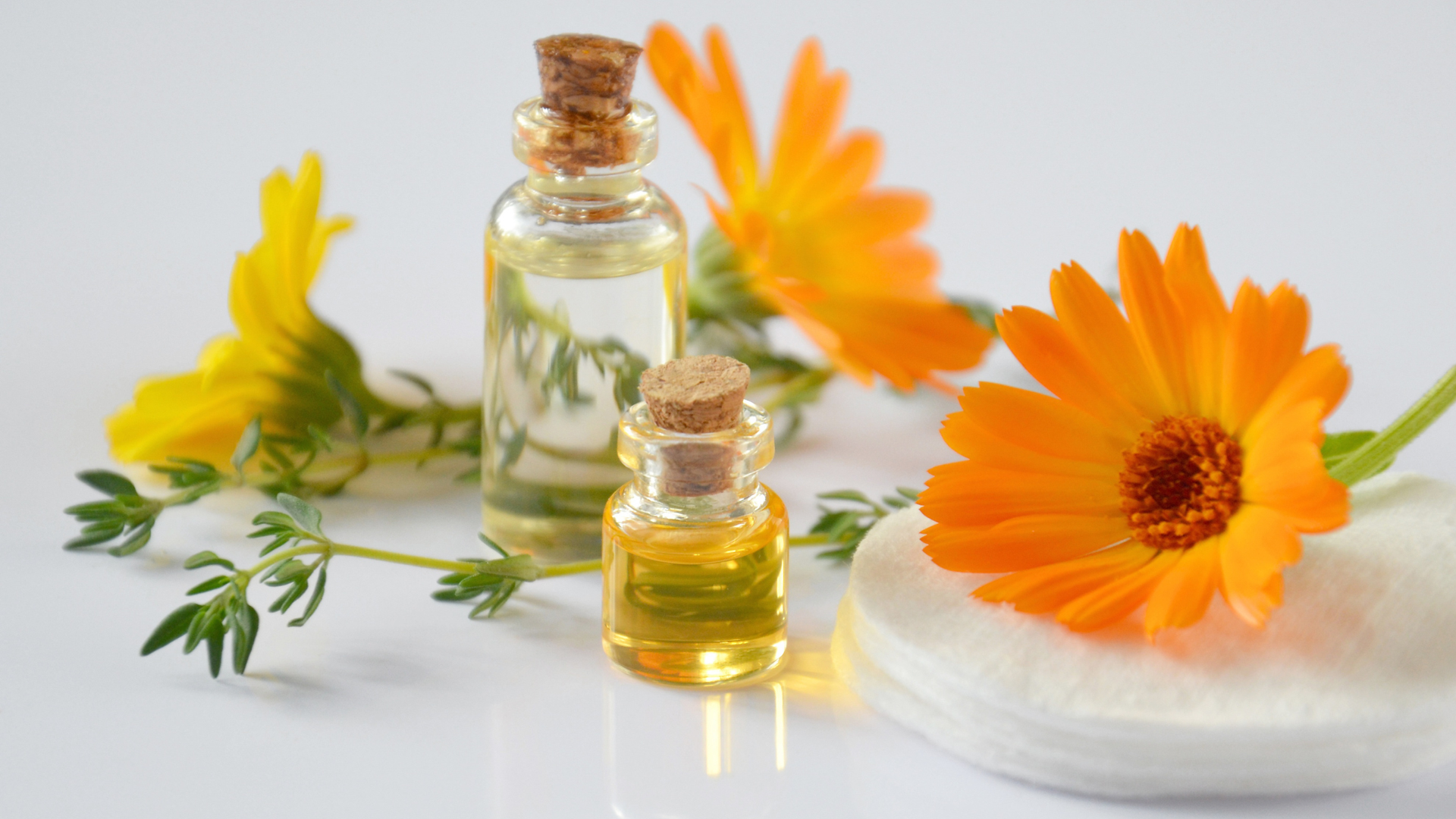
Learn essential oil safety & dilution basics with practical tips. Discover phototoxicity warnings, dilution ratios, and beginner routines for confident, safe use.
Learn to make eco-friendly DIY cleaning tablets with baking soda, citric acid & essential oils for effective, low-toxin home cleaning and reduced plastic waste.
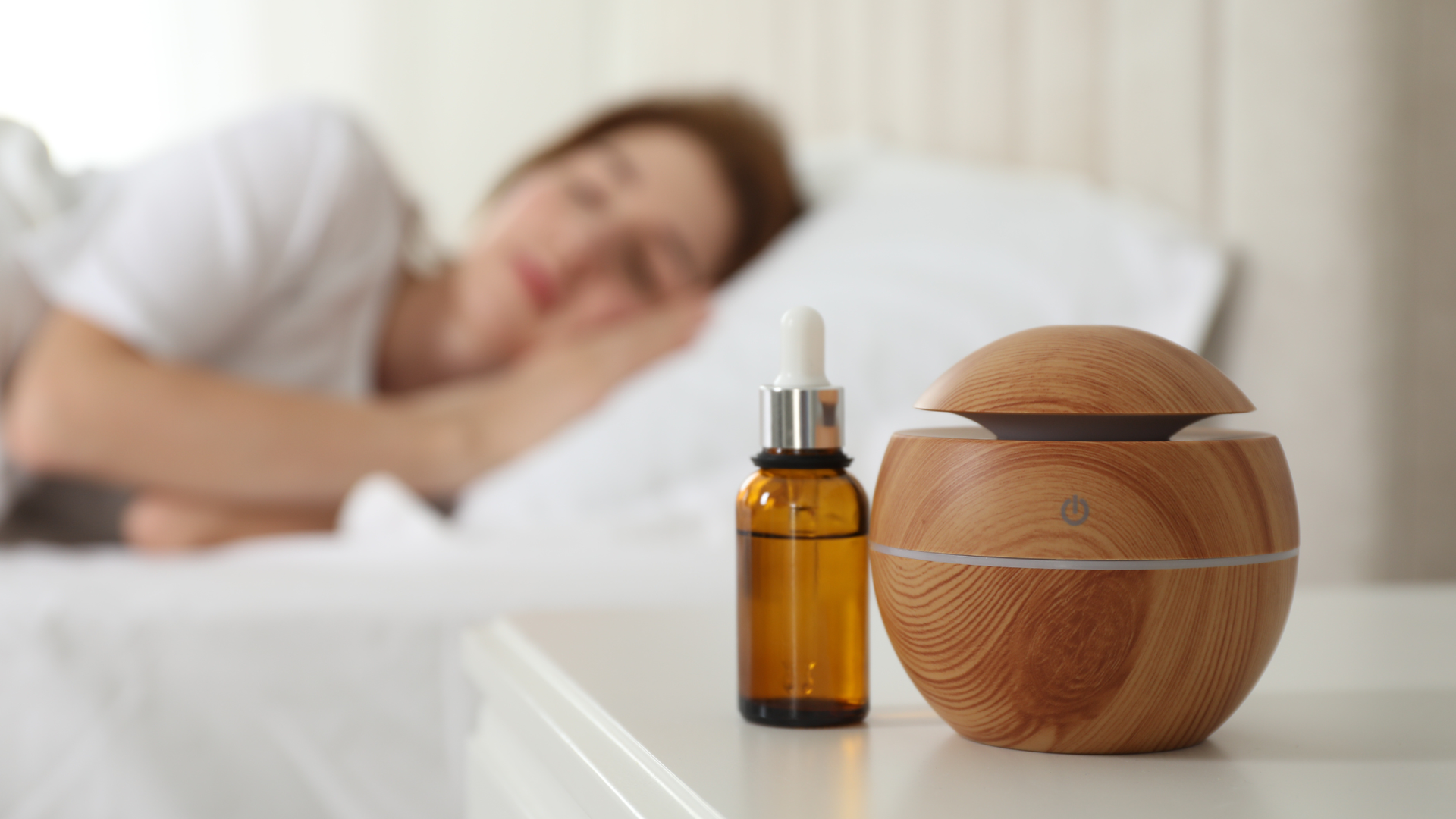
Learn to use essential sleep oils topically or aromatically for a calming bedtime routine. Get practical tips on diffusing, dilution, habit-building.

Unwind overworked joints before bed with a 10-minute essential oil massage. Get dilution tips, techniques, and simple routines for soothing nighttime comfort.
Build a gentle, toxin-free facial care routine with essential oils. Discover safe dilution, patch testing, AM/PM steps and tips for cleaner, healthier skin.

Discover 3 simple essential oil routines to ease work-life stress. Get safety tips and quick scent cues for calm focus and evening wind-downs.
Explore gentle, kid-safe essential oil blends to support your family's cold and flu wellness routines with safe dilution, diffusion tips, and home habits.

Discover a practical monthly menstrual self-care ritual using essential oils, heat, movement, and grounding habits. Safe, realistic tips for comfort and calm.

Kickstart your day with a 10-minute morning ritual using essential oils to support immunity, hydration, hygiene, and stress relief. Simple family tips.