
Kid-Friendly Summer Survival Kits: Essential Oils for Camp, Travel, and Playdates
May 14, 2026
A practical, calmer summer—without overpacking
Summer with kids is full of the good stuff: sunshine, pools, camps, sleepovers, road trips, and backyard playdates. It’s also full of “surprises” like snack spills, funky shoes, sweaty gear, restless evenings, and the occasional bug bite that turns into a full-body drama.
A kid-friendly summer survival kit isn’t about treating illness or replacing medical care. It’s about having a few simple, safe tools that help your family stay comfortable and regulated—especially when routines change. With thoughtful essential oil use (and a few non-negotiable safety rules), you can build a kit that supports calm, fresh air, post-play recovery, and smoother transitions from “go mode” to “rest mode.”
At YL Family in Parker, Colorado, we’re big believers in making wellness simple, consistent, and realistic for real households—especially for parents and caregivers who want cleaner living without perfectionism.
A kid-friendly summer survival kit isn’t about treating illness or replacing medical care. It’s about having a few simple, safe tools that help your family stay comfortable and regulated—especially when routines change. With thoughtful essential oil use (and a few non-negotiable safety rules), you can build a kit that supports calm, fresh air, post-play recovery, and smoother transitions from “go mode” to “rest mode.”
At YL Family in Parker, Colorado, we’re big believers in making wellness simple, consistent, and realistic for real households—especially for parents and caregivers who want cleaner living without perfectionism.
What belongs in a “summer survival kit” (and what doesn’t)
A good kit has two lanes:
- Comfort supports (calm, reset, freshen-up, post-activity soothing)
- Preventive basics (hydration, sun protection, and evidence-based bug protection)
Essential oils are best used for aromatic support
(diffusing, personal inhalers) and properly diluted topical comfort
for older children—while following age-appropriate guidelines and label directions. For bite prevention, essential oils should not be your only line of defense in higher-risk areas; organizations like the CDC and AAP recommend EPA-registered repellents such as DEET or picaridin for effective protection when needed, and note that “pure” oil of lemon eucalyptus (an essential oil) isn’t recommended as a repellent. (We’ll keep this parent-friendly and practical below.) ( aap.org)
The 3 “zones” to pack for: camp, travel, and playdates
| Zone | Most common “summer problems” | What to pack (oil + non-oil) | How to use |
|---|---|---|---|
| Camp & outdoors | Gear odor, overstimulation, itchy bites, sweaty feet | Diffuser/clip aroma option, diluted “after-play” roller, hand wipes, bandages, EPA-registered repellent when appropriate | Diffuse in cabin/car, topical only with proper dilution, repellent per label |
| Travel days | Motion discomfort, cranky transitions, dry airplane/hotel air | Personal inhaler, calming roller, water bottle, salty snack, gum/lozenges (age-appropriate) | Inhale for quick reset; apply diluted roller to wrists/feet for bedtime cues |
| Playdates & sleepovers | Big feelings, sharing stress, late-night “second wind” | Calm-down roller, bedtime routine cue, hand sanitizer, extra hair ties, mini snack | Keep it simple: one calming scent + a predictable routine |
Parent note:
For younger kids, lean into aroma (diffuser/inhaler) more than topical use. When you do use topical blends, keep dilutions conservative and avoid “hot” oils on sensitive skin.
Safety first: kid-friendly essential oil rules that keep summer easy
Use these guardrails as your baseline
- Dilute for skin. For children, use conservative dilutions (often in the ~0.5–1% range for older children/sensitive skin). When in doubt, use less oil, not more. ( nowfoods.com)
- Avoid eyes, inner nose, ears, and broken skin. “More” doesn’t work better—especially with kids.
- Watch sun exposure with citrus oils. Some cold-pressed citrus oils can be phototoxic when applied topically—meaning sunlight can trigger a skin reaction. If you’ll be outdoors, skip topical cold-pressed citrus or keep it to very low, guideline-based levels. ( cir-safety.org)
- Bug protection: don’t rely on essential oils alone. In many U.S. areas (including tick regions), the AAP and CDC emphasize using effective, EPA-registered repellents when needed. Also note that “pure” oil of lemon eucalyptus isn’t recommended as a repellent; and products containing OLE/PMD are typically not recommended for children under 3. ( aap.org)
- When a child has asthma/allergies: introduce aromas gently, diffuse intermittently, and stop if you see coughing, headache, or irritation.
If you’re brand new to oils, choose one calming option
and one “fresh air” option
first. Your kit should feel simple and repeatable, not like a chemistry set.
Step-by-step: build your kid-friendly summer kit in 20 minutes
Step 1: Pick your container (and make it “kid-proof”)
A small zip pouch or hard-shell toiletry case works well. Add a label that says “Adult opens”
if you have younger kids. Keep oils upright and capped tightly.
Step 2: Choose 2 aromatic supports (easy wins)
“Calm cue”
(bedtime, transitions, overstimulation) and “fresh air cue”
(stuffy car, sweaty gear, shared spaces). Use a personal inhaler, a car diffuser clip, or a room diffuser at home.
These are great options because they reduce the need for topical application on kids while still offering a familiar sensory signal—something children respond to quickly when routines shift.
These are great options because they reduce the need for topical application on kids while still offering a familiar sensory signal—something children respond to quickly when routines shift.
Step 3: Make one diluted “after-play” roller (for older kids)
For kids who tolerate topical use well, a gentle roller can become part of a recovery ritual after sports, hiking, or swimming. Keep the blend mild and avoid known irritants for sensitive skin.
Tip: If you’ll be outdoors in sunny weather, avoid using cold-pressed citrus oils topically due to phototoxicity risk. ( cir-safety.org)
Tip: If you’ll be outdoors in sunny weather, avoid using cold-pressed citrus oils topically due to phototoxicity risk. ( cir-safety.org)
Step 4: Add the “boring but essential” items
These are the items you’ll use most:
- Bandages + a couple of alcohol-free wipes
- Hand sanitizer
- A small fragrance-free lotion (also works as a quick carrier if skin feels dry)
- Electrolyte packets (especially for hot, active days)
- Evidence-based insect repellent for your area (follow label directions; avoid applying to hands that go in mouths)
Step 5: Decide your “rules of use” (this prevents chaos)
Keep it consistent:
- One oil at a time when trying something new.
- Adult applies for kids (especially under 10).
- Use aroma first , topical second—especially for younger kids.
- Stop if irritated (redness, itching, headache, coughing).
Quick “Did you know?” summer facts (parents actually use)
Did you know?
“Oil of lemon eucalyptus” in bug sprays is not the same as lemon eucalyptus essential oil, and “pure” essential oil versions aren’t recommended as repellents by the CDC. ( cdc.gov)
Did you know?
The AAP advises avoiding OLE/PMD products for children under age 3, and emphasizes careful application (don’t spray directly on faces). ( aap.org)
Did you know?
Some cold-pressed citrus oils have established phototoxicity limits for leave-on products—meaning low concentration matters, and sunlight timing matters. ( cir-safety.org)
A U.S. “local angle” that matters: sun + bugs change by region
In the United States, your summer kit should flex depending on where you are:
- Tick-prone regions (many wooded and grassy areas): prioritize long sleeves, tick checks, and effective repellent choices per label guidance. ( aap.org)
- High-sun, high-heat areas : keep topical blends conservative and avoid sun-sensitive citrus topicals before outdoor play. ( cir-safety.org)
- Travel across climates : pack your calming aroma cues; sleep often gets disrupted first, and a consistent scent routine can help signal “safe + settled” even in new beds.
Helpful YL Family pages for building your routine
- Kids & Teens wellness solutions(gentle routines, family-friendly supports)
- Stress & Mood(calm cues for transitions and busy days)
- Sleep & Rest(bedtime routines that travel well)
- Green Home Living(fresh home + fresh gear habits)
- Body Discomfort(post-play comfort and recovery routines)
CTA: Build your summer kit with confidence
Ready to simplify summer? Shop kid-friendly wellness essentials and stock your home, travel bag, and camp bin with products that support a cleaner routine.
Shop YL Family Essentials
Tip: If you’re buying for kids, consider starting with one calming option and one fresh-air option, then add targeted supports as you learn what your family loves.
FAQ: Kid-friendly summer kits & essential oils
Are essential oils safe for kids in summer?
Many families use essential oils safely when they follow conservative dilution, use age-appropriate methods, and avoid known risk categories (like sun-sensitive citrus oils applied before outdoor play). Aroma use is often the simplest place to start.
Can I use essential oils instead of bug spray?
If you’re in an area where mosquito- or tick-borne illness is a concern, the CDC and AAP emphasize using effective, EPA-registered repellents (like DEET or picaridin) as directed. They also note that “pure” oil of lemon eucalyptus (an essential oil) isn’t recommended as a repellent, and that OLE/PMD products are typically not recommended for children under 3. ( aap.org)
What dilution should I use for a kid roller?
Many guidance charts suggest keeping children’s topical blends conservative (commonly around 0.5–1% for older children/sensitive skin). If your child has very sensitive skin or you’re unsure, start lower or stick to aromatic methods. ( nowfoods.com)
Which oils should I avoid before going out in the sun?
Some cold-pressed citrus oils can be phototoxic when applied to skin and then exposed to sunlight. If you’re spending time outdoors, avoid topical use of cold-pressed citrus oils or keep concentrations to established low limits and cover skin. ( cir-safety.org)
What’s the easiest kit for beginners?
Choose: (1) one calming aromatic option for transitions/bedtime, (2) one “fresh air” aromatic option for travel/camp spaces, and (3) the basics (bandages, wipes, water bottle, sunscreen, and an appropriate insect repellent for your region). Then expand based on what you actually use.
Glossary (quick, parent-friendly)
Carrier oil:
A skin-friendly oil (like fractionated coconut oil) used to dilute essential oils for topical use.
Dilution (0.5–1%):
A low concentration of essential oil in a carrier, commonly used for children or sensitive skin. ( nowfoods.com)
Phototoxicity:
A skin reaction that can happen when certain oils (often cold-pressed citrus) are applied topically and the skin is then exposed to UV light. ( cir-safety.org)
OLE/PMD:
Oil of lemon eucalyptus or its synthesized version (para-menthane-3,8-diol) used in some EPA-registered repellents; typically not recommended for kids under 3. ( aap.org)
EPA-registered repellent:
An insect repellent reviewed and registered for safety/efficacy when used as directed—often recommended when preventing bites is a priority. ( aap.org)

Discover teen-friendly bedtime routines with gentle essential oils for 8–10 hours of sleep. Try simple wind-down steps for calmer nights and rested mornings.
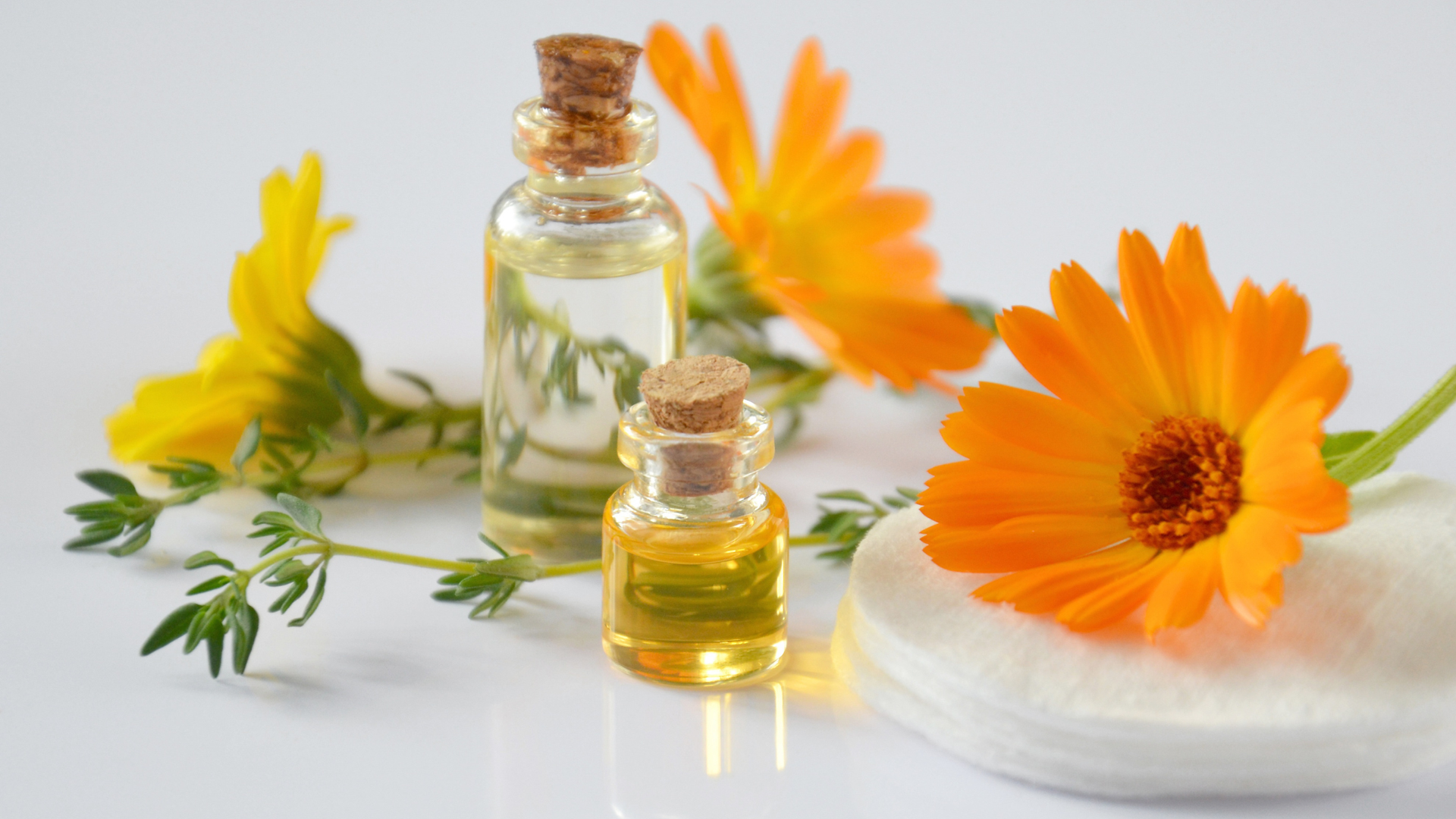
Learn essential oil safety & dilution basics with practical tips. Discover phototoxicity warnings, dilution ratios, and beginner routines for confident, safe use.
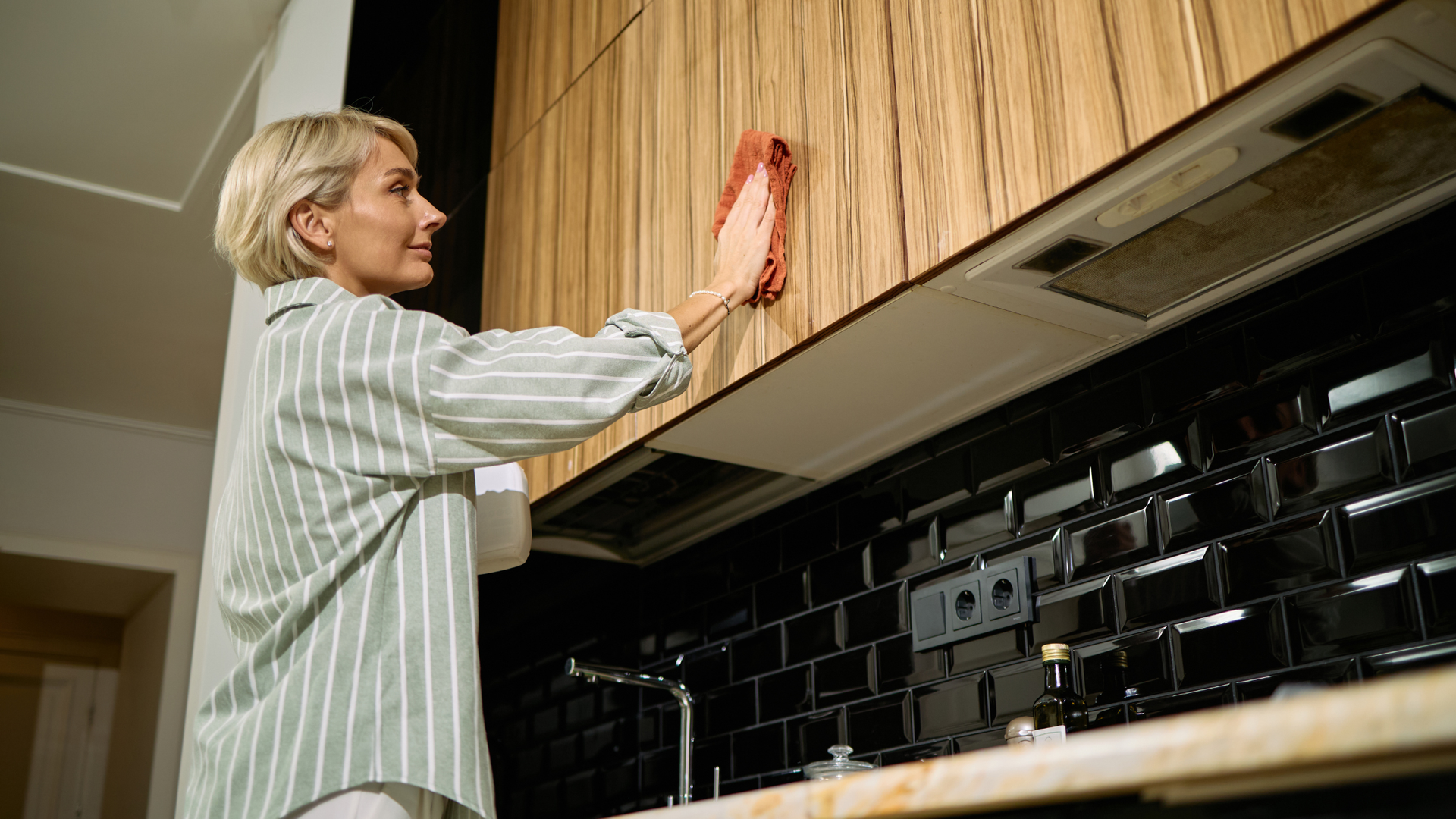
Learn to make eco-friendly DIY cleaning tablets with baking soda, citric acid & essential oils for effective, low-toxin home cleaning and reduced plastic waste.
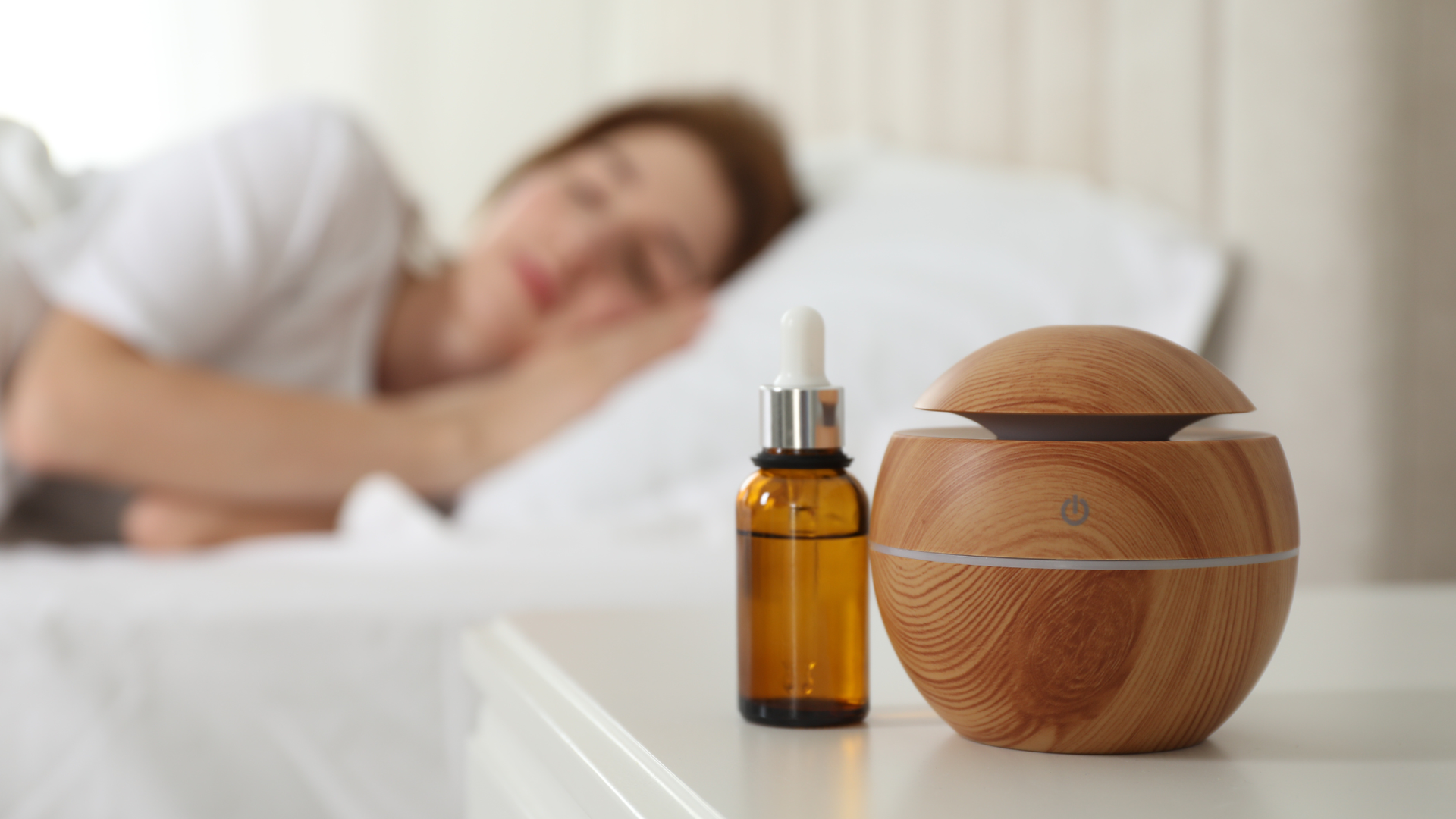
Learn to use essential sleep oils topically or aromatically for a calming bedtime routine. Get practical tips on diffusing, dilution, habit-building.

Unwind overworked joints before bed with a 10-minute essential oil massage. Get dilution tips, techniques, and simple routines for soothing nighttime comfort.
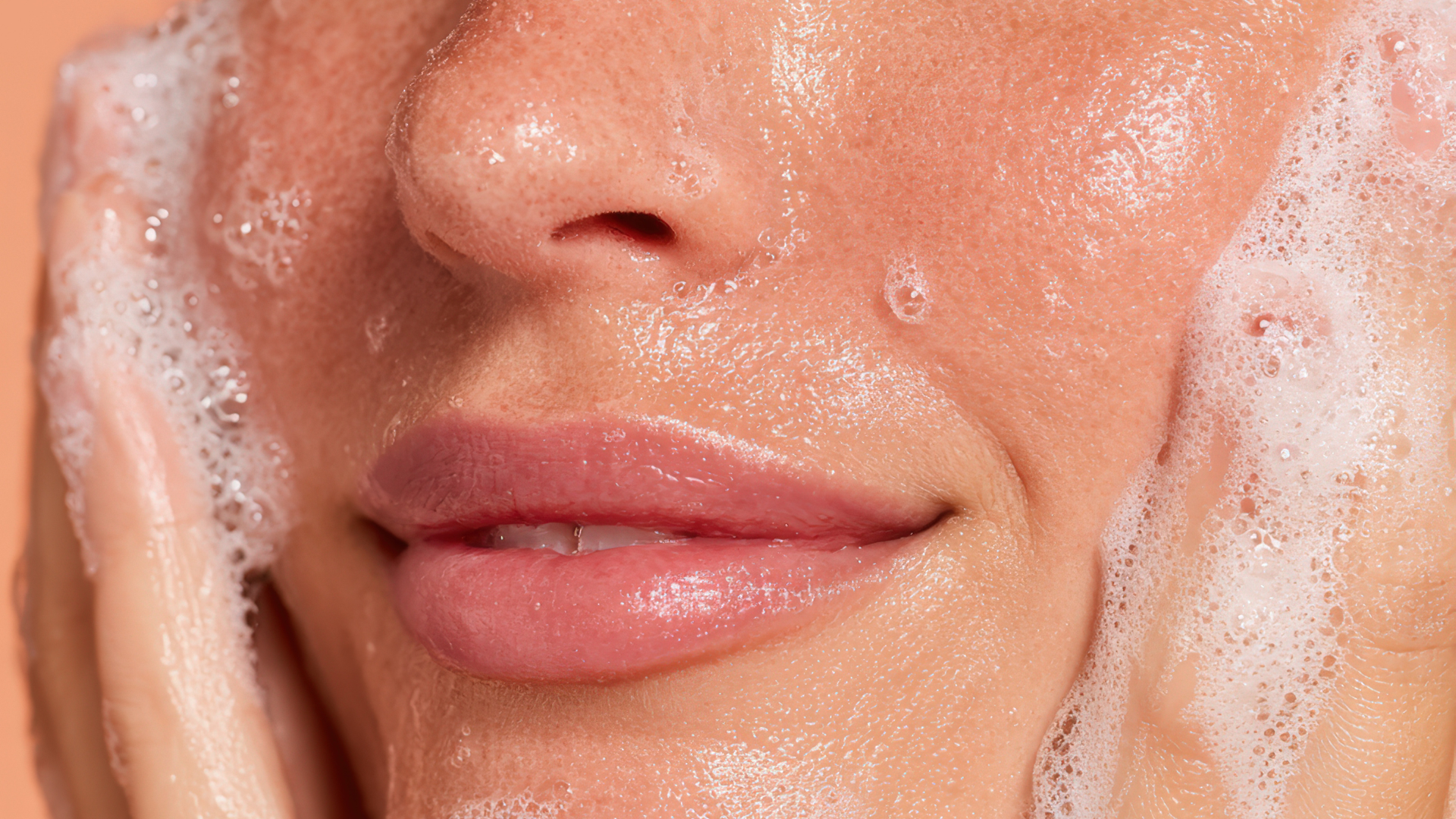
Build a gentle, toxin-free facial care routine with essential oils. Discover safe dilution, patch testing, AM/PM steps and tips for cleaner, healthier skin.

Discover 3 simple essential oil routines to ease work-life stress. Get safety tips and quick scent cues for calm focus and evening wind-downs.
Explore gentle, kid-safe essential oil blends to support your family's cold and flu wellness routines with safe dilution, diffusion tips, and home habits.

Discover a practical monthly menstrual self-care ritual using essential oils, heat, movement, and grounding habits. Safe, realistic tips for comfort and calm.

Kickstart your day with a 10-minute morning ritual using essential oils to support immunity, hydration, hygiene, and stress relief. Simple family tips.