
Handcrafted Mother’s Day Gifts: Essential Oil Roll-Ons and Bath Salts (Simple, Beautiful, and Practical)
May 6, 2026
A thoughtful gift doesn’t have to be complicated to feel personal.
Mother’s Day is a chance to give something that feels like care—something that supports rest, calm, and everyday well-being. Two of the most loved DIY options are essential oil roll-ons
(easy to tuck into a purse) and bath salts
(a simple ritual that encourages a real pause). This guide walks you through safe, gift-ready recipes and packaging tips so your present feels polished, not “last-minute.”
What makes roll-ons and bath salts such great Mother’s Day gifts?
They’re useful.
Instead of adding clutter, you’re giving a small daily support—something she can actually reach for.
They’re easy to personalize.
You can tailor a blend for “calm,” “uplift,” “focus,” or “bedtime,” and label it with a name that fits her personality.
They feel special even on a budget.
A simple glass roll-on bottle + a clean label + a thoughtfully chosen aroma can look boutique-level.
Friendly safety reminder:
Essential oils are highly concentrated. For topical use, dilution matters, and some oils (especially certain citrus oils) can increase sun sensitivity after skin application. When in doubt, keep blends gentle and add clear label notes. (Young Living also notes that pure citrus oils may compound the effects of sun exposure.) ( youngliving.com)
Before you start: a simple “gift-maker” safety checklist
1) Always dilute for roll-ons.
Many reputable sources recommend low dilutions for everyday use and suggest extra caution for kids/teens, pregnancy, and nursing. ( nowfoods.com)
2) Patch test when possible.
New products can irritate sensitive skin—especially fragrance-rich blends.
3) Watch sun exposure with certain citrus oils.
If you include expressed citrus oils in a roll-on, add a label note to avoid sun/UV exposure on that area for a period of time. ( youngliving.com)
4) Keep claims clean.
In the U.S., products marketed to treat or prevent disease are regulated as drugs; avoid medical claims on labels and gift tags. ( fda.gov)
Quick dilution guide for a 10 mL Mother’s Day roll-on
A 10 mL roll-on is the classic gift size. For most adults, a gentle, everyday blend
is usually the best choice—especially when you don’t know skin sensitivity.
| Strength (10 mL roll-on) | Approx. drops of essential oil | Best for | Notes |
|---|---|---|---|
| 1% (very gentle) | ~2 drops | Sensitive skin, frequent use | A “safe default” for gifting |
| 2% (gentle) | ~4 drops | Most adults | Still mild, more aromatic |
| 3% (moderate) | ~6 drops | Occasional use | Use caution; avoid for very sensitive skin |
Drop counts vary by oil and dropper. If you’re gifting widely (teachers, friends, neighbors), staying in the 1–2% range
is a smart, conservative approach. ( nowfoods.com)
DIY Mother’s Day Roll-On Recipes (10 mL)
Base you’ll need:
10 mL glass roll-on bottle + carrier oil (fractionated coconut, jojoba, or sweet almond) + label.
1) “Calm Purse Roll-On” (gentle)
Blend (2%):
4 total drops essential oil + fill the rest with carrier oil.
Easy idea: Make it floral-herbal and soft (great for evenings and busy days).
Label tip: “Apply to wrists/neck as desired. Avoid eyes. Patch test first.”
Easy idea: Make it floral-herbal and soft (great for evenings and busy days).
Label tip: “Apply to wrists/neck as desired. Avoid eyes. Patch test first.”
2) “Morning Uplift Roll-On” (bright, but mindful)
Blend (1–2%):
2–4 total drops essential oil + carrier oil to fill.
Note: If you choose citrus oils, include a sun/UV caution on the label because some citrus oils can increase sun sensitivity when used on skin. ( youngliving.com)
Note: If you choose citrus oils, include a sun/UV caution on the label because some citrus oils can increase sun sensitivity when used on skin. ( youngliving.com)
3) “Bedtime Wind-Down Roll-On” (gift-friendly)
Blend (2%):
4 total drops essential oil + carrier oil to fill.
Use: Roll onto shoulders or wrists 20–30 minutes before bedtime as part of a calming routine.
Use: Roll onto shoulders or wrists 20–30 minutes before bedtime as part of a calming routine.
Pro packaging tip:
Add a small “use card” tied to the bottle with cotton string. Include: ingredients, dilution, how to use, and cautions (sun exposure + keep away from eyes + discontinue if irritation occurs).
DIY Bath Salt Recipes (and the truth about “benefits”)
Bath salts are beloved because they turn a normal bath into a ritual. People often associate Epsom salts (magnesium sulfate) with muscle relief and magnesium absorption, but major outlets note the science is still not definitive on significant magnesium absorption through the skin. ( nationalgeographic.com)
That said, a warm bath can still feel deeply relaxing—and the aroma experience can be a meaningful part of winding down.
Basic Bath Salt Formula (gift jar size)
You’ll need:
1 cup Epsom salt + 1/2 cup sea salt (optional) + essential oil + an emulsifier step (important).
Why emulsify? Essential oils don’t mix with water; pre-mixing helps disperse them more evenly and can reduce “hot spots” of undiluted oil on skin.
Why emulsify? Essential oils don’t mix with water; pre-mixing helps disperse them more evenly and can reduce “hot spots” of undiluted oil on skin.
Simple method recommended by Young Living for baths:
Mix 5–10 drops
of essential oil into 1/4 cup
of a bath/shower base or Epsom salt first, then add to running bath water. ( youngliving.com)
Recipe A: “Spa Night Bath Salts”
In a bowl:
Combine 1 cup Epsom salt + (optional) 1/2 cup sea salt.
Add: 6–10 drops essential oil total.
Mix well: Stir thoroughly, break up clumps, then pour into a clean jar.
Add: 6–10 drops essential oil total.
Mix well: Stir thoroughly, break up clumps, then pour into a clean jar.
Recipe B: “Soft Skin Bath Salts” (gentler aroma)
Use less oil:
4–6 drops essential oil total per 1–1.5 cups salt blend.
Great for: Fragrance-sensitive moms who still want the ritual.
Great for: Fragrance-sensitive moms who still want the ritual.
Jar label idea:
“Add 2–4 tbsp to warm running bath water. Soak 10–20 minutes. If you have sensitive skin, use less.”
Step-by-step: make a “Mother’s Day Mini Gift Set” in under 30 minutes
Step 1: Choose a theme
Pick one: Rest
, Calm
, Uplift
, or Self-Care Night
. This makes the set feel cohesive.
Step 2: Make the roll-on (10 mL)
Add your essential oil drops first, then fill with carrier oil, cap, and roll gently between hands to blend.
Step 3: Make the bath salts
Mix salts + essential oils thoroughly, then jar it up. Wipe the rim, seal tightly.
Step 4: Add a one-card “How to Use” note
Include: ingredients, basic directions, patch-test reminder, and a sun/UV caution if you used citrus oils topically. ( youngliving.com)
Did you know? (Quick facts that help your gifts feel more “expert-made”)
Bath oils need mixing.
Pre-mixing essential oils into a bath base or salts helps them distribute more evenly in water. ( youngliving.com)
Epsom baths are relaxing, but evidence is mixed.
Warm water can soothe; “magnesium through skin” claims aren’t strongly proven. ( nationalgeographic.com)
In the U.S., avoid medical claims.
FDA guidance distinguishes fragrance/aromatherapy products from drugs based on intended use and claims. ( fda.gov)
A practical “gift menu” (so you can match the mom)
| If she’s… | Make her… | Keep it simple with… | Extra label note |
|---|---|---|---|
| Always busy | 2% purse roll-on | 1–2 scent notes | Patch test |
| Bath lover | Spa bath salts | 6–10 drops per jar | Use 2–4 tbsp |
| Fragrance-sensitive | 1% roll-on + low-scent salts | Lower drops, more carrier | Discontinue if irritation |
United States gifting note: shipping, labeling, and “clean” messaging
If you’re mailing gifts within the United States, pack roll-ons in a small zip bag inside the box (just in case a cap loosens). For labels and cards, stick to language like “aroma,” “relaxing ritual,” “self-care,”
and “supports a calm routine”
rather than disease-treatment promises—this aligns with FDA’s general guidance around aromatherapy marketing. ( fda.gov)
Simple label template:
“External use only. Diluted with carrier oil. Avoid eyes. Patch test. Keep out of reach of children. If pregnant/nursing or under medical care, consult a qualified professional. If using citrus oils topically, avoid UV/sun exposure on applied area.” ( youngliving.com)
Shop-ready supplies and curated wellness favorites from YL Family
If you’d rather build a gift with ready-to-go wellness favorites (or restock oils and home essentials), you can browse YL Family’s shop and choose what fits your Mother’s Day theme—calm, sleep, stress support, or green home living.
Featured collections
Mother’s Day add-ons
Accessories(giftable lifestyle extras)
Yoga(support her unwind time)
Apparel(comfortable, easy gifts)
Ready to build her gift?
Shop curated wellness essentials and create a set that matches her routine.
Shop YL Family Favorites
Questions? Contact YL Family
for guidance.
FAQ: DIY essential oil gifts (roll-ons and bath salts)
How long do DIY roll-ons last?
Typically months, especially when stored away from heat and direct sunlight. Carrier oils can oxidize over time, so keep caps tight and avoid leaving them in hot cars.
What’s the safest dilution for gifting?
If you don’t know the recipient’s skin sensitivity, aim for a gentle blend (around 1–2%)
and include patch-test instructions. ( nowfoods.com)
Can I add essential oils directly to bath water?
It’s better to pre-mix them into salts or a bath base first so they disperse more evenly. Young Living specifically describes mixing drops into a bath base or Epsom salt before adding to running water. ( youngliving.com)
Are Epsom salt baths “detoxing”?
A warm bath can feel great, but evidence is not definitive that Epsom salt baths provide special benefits through magnesium absorption in the skin. It’s best to frame bath salts as a relaxing ritual rather than a medical detox. ( nationalgeographic.com)
Do I need to warn about sun exposure with citrus oils?
Yes—some citrus oils can increase sun sensitivity when applied to skin. If you include them in a roll-on, add a clear UV/sun caution on the label. ( youngliving.com)
Glossary (helpful terms for DIY gifting)
Carrier oil:
A neutral plant oil (like jojoba or fractionated coconut oil) used to dilute essential oils for safer topical use.
Dilution (topical):
The percentage of essential oil in a blend. Lower percentages are typically gentler for frequent use. ( nowfoods.com)
Phototoxicity / sun sensitivity:
A reaction where certain oils on skin can increase the risk of skin irritation or burning after UV exposure (sun/tanning). Citrus oils are common examples to treat with extra care. ( youngliving.com)
Patch test:
Testing a small amount of a diluted blend on a small area of skin first to check for irritation before wider use.
Emulsify (in baths):
Pre-mixing essential oils into salts or a bath base so oils distribute more evenly in water, instead of floating in concentrated spots. ( youngliving.com)

Discover teen-friendly bedtime routines with gentle essential oils for 8–10 hours of sleep. Try simple wind-down steps for calmer nights and rested mornings.
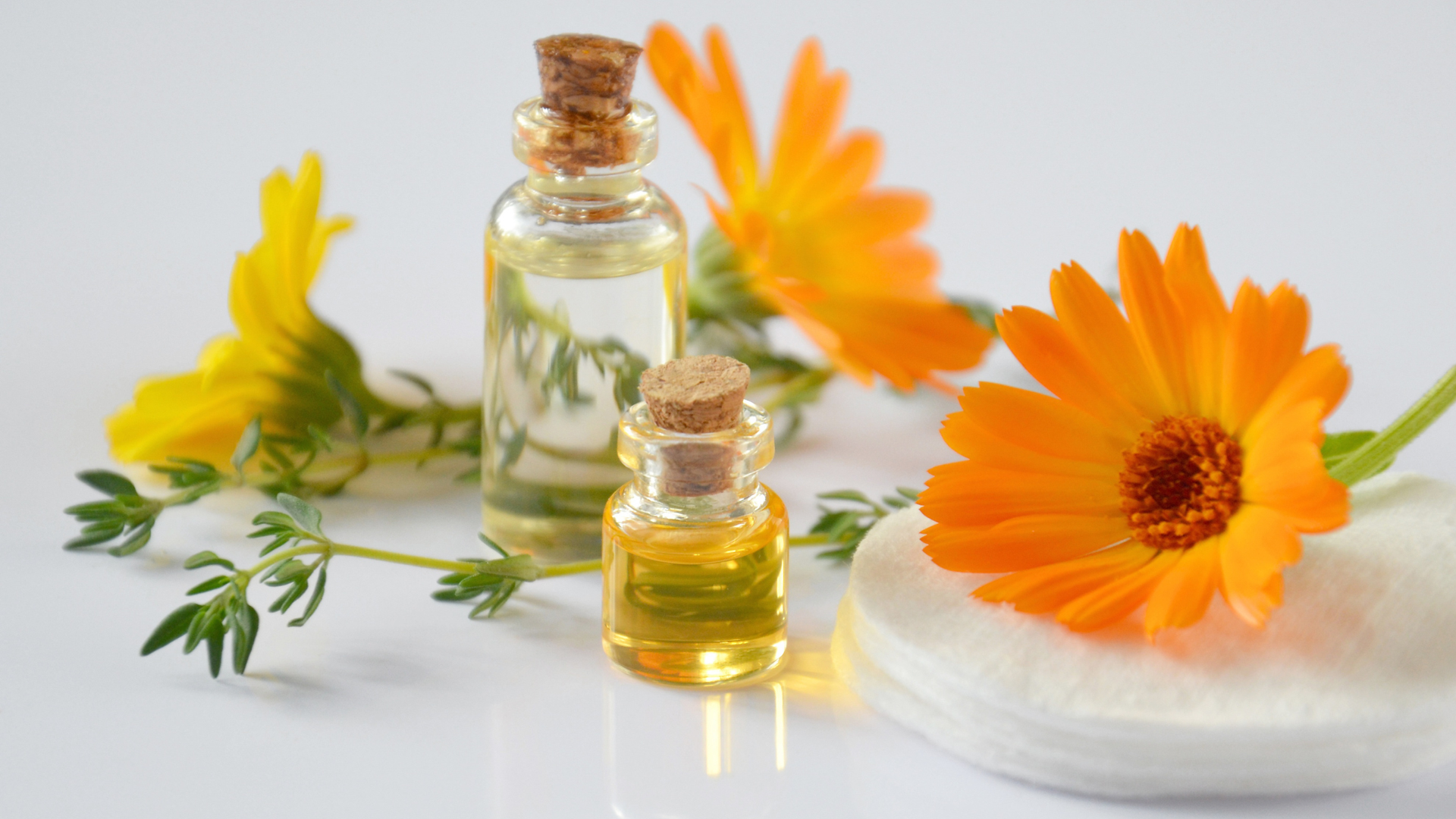
Learn essential oil safety & dilution basics with practical tips. Discover phototoxicity warnings, dilution ratios, and beginner routines for confident, safe use.
Learn to make eco-friendly DIY cleaning tablets with baking soda, citric acid & essential oils for effective, low-toxin home cleaning and reduced plastic waste.
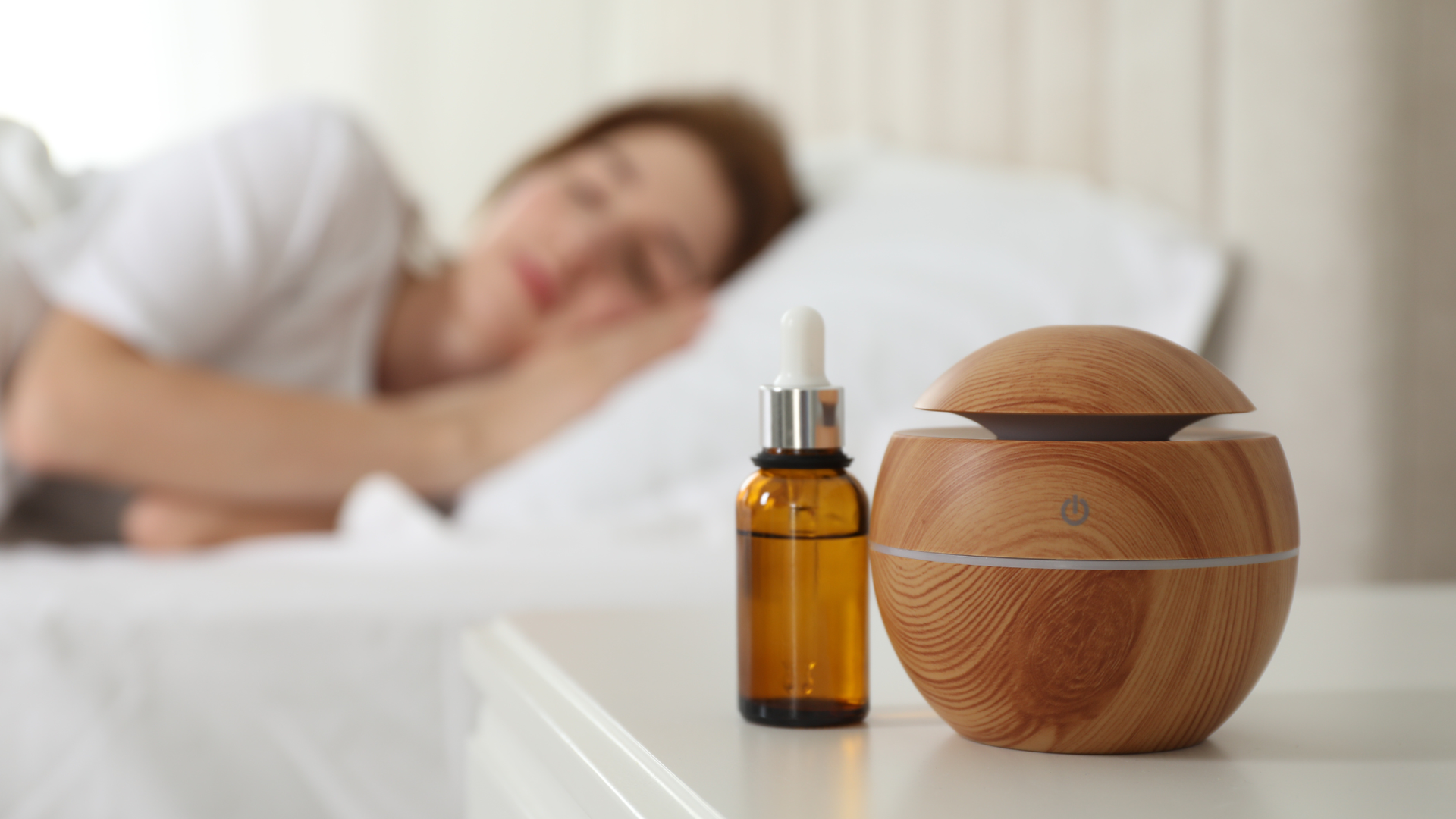
Learn to use essential sleep oils topically or aromatically for a calming bedtime routine. Get practical tips on diffusing, dilution, habit-building.
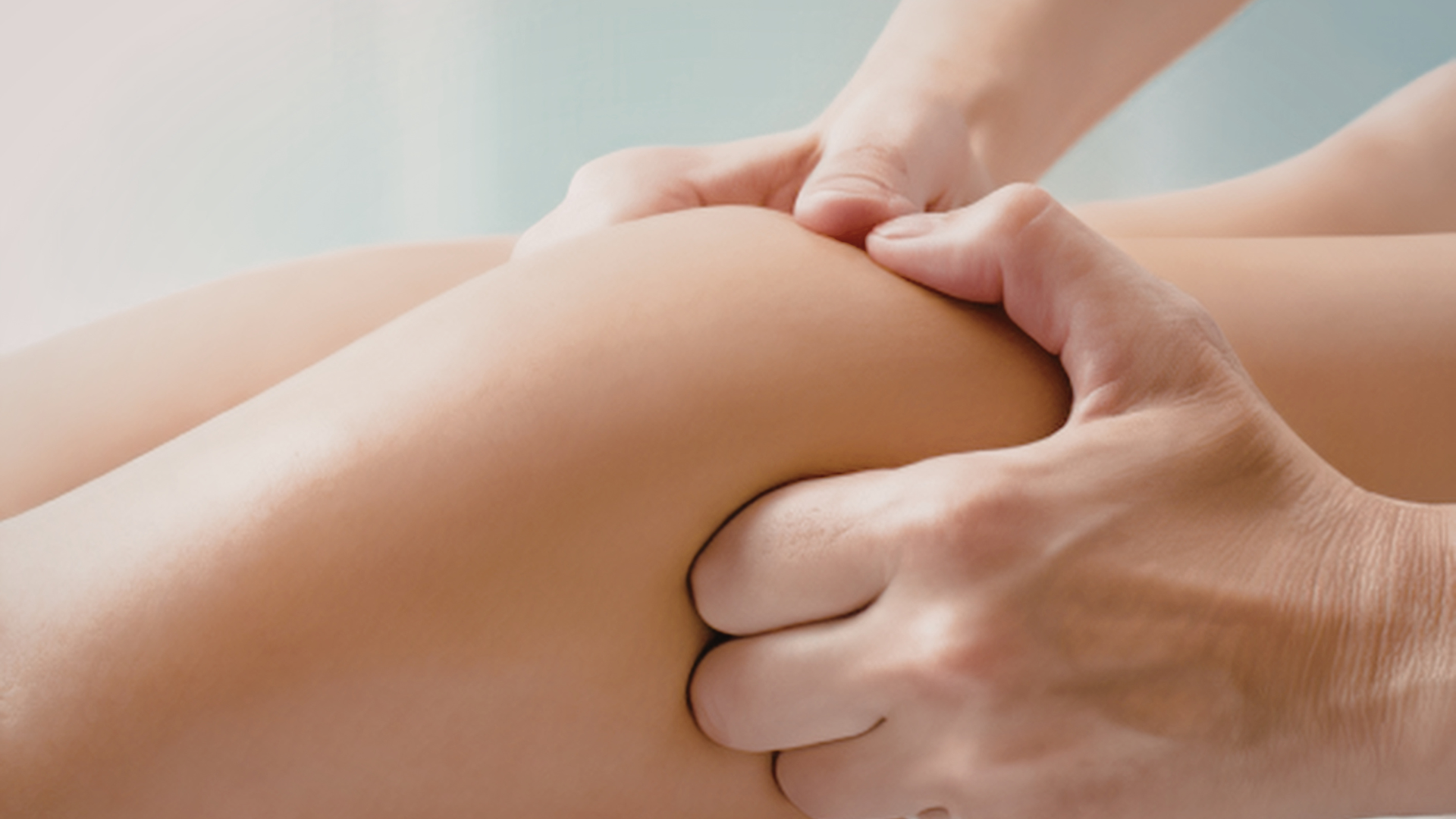
Unwind overworked joints before bed with a 10-minute essential oil massage. Get dilution tips, techniques, and simple routines for soothing nighttime comfort.
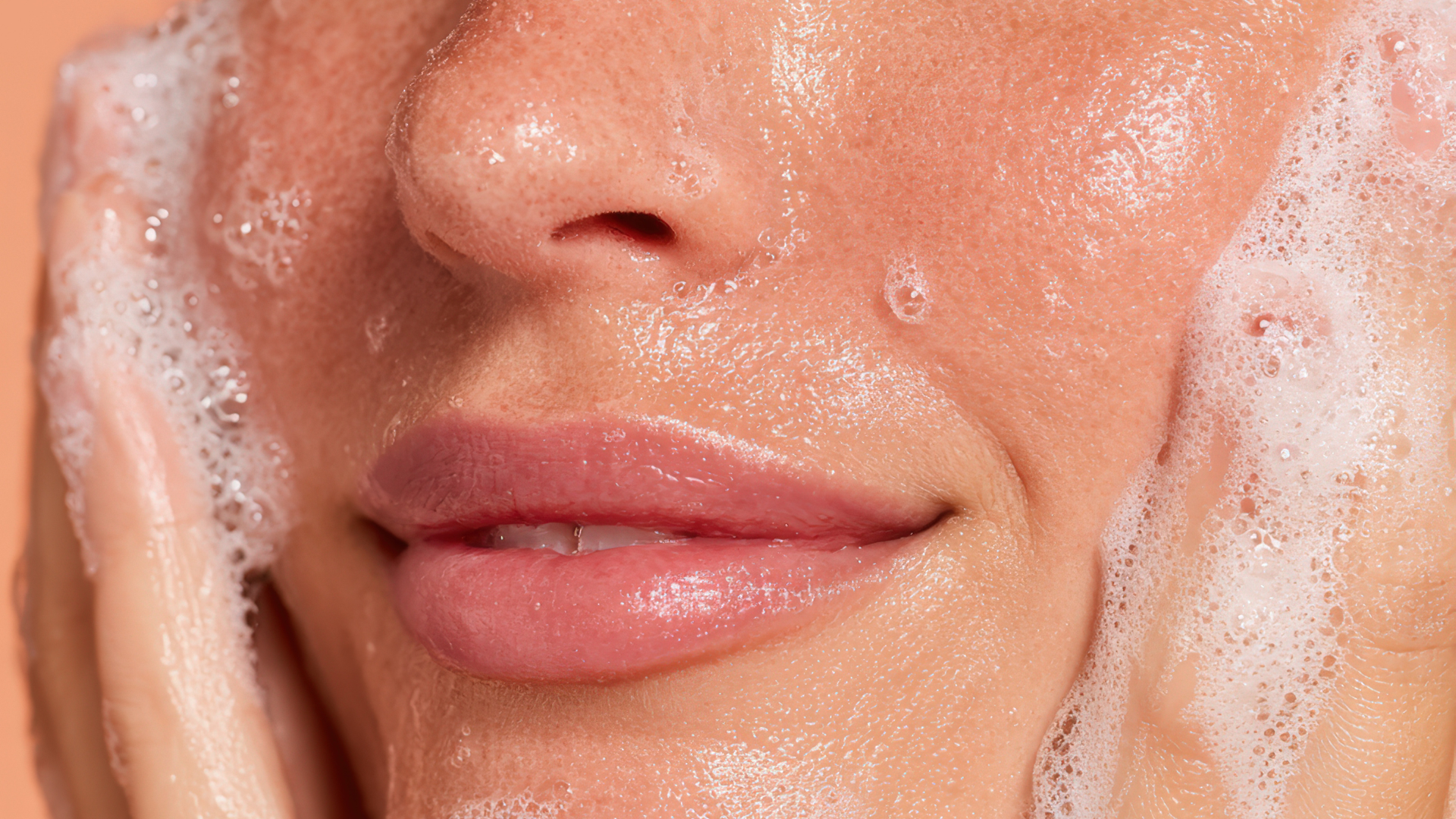
Build a gentle, toxin-free facial care routine with essential oils. Discover safe dilution, patch testing, AM/PM steps and tips for cleaner, healthier skin.

Discover 3 simple essential oil routines to ease work-life stress. Get safety tips and quick scent cues for calm focus and evening wind-downs.
Explore gentle, kid-safe essential oil blends to support your family's cold and flu wellness routines with safe dilution, diffusion tips, and home habits.

Discover a practical monthly menstrual self-care ritual using essential oils, heat, movement, and grounding habits. Safe, realistic tips for comfort and calm.

Kickstart your day with a 10-minute morning ritual using essential oils to support immunity, hydration, hygiene, and stress relief. Simple family tips.