
Immune-Boosting Diffuser Blends for Kids: Gentle Family Health Support
April 27, 2026
A calmer, cleaner-feeling home routine—without overwhelming little lungs
Diffusing essential oils can be a comforting part of a family wellness rhythm—especially during sniffly seasons, school-year germs, travel weeks, or those “everyone’s a little run-down” stretches. The key is keeping it gentle, age-appropriate, and supportive of good indoor air habits (like ventilation). At YL Family
, we focus on simple, practical guidance so parents and caregivers feel confident using family wellness oils
in real life—without turning it into a complicated science project.
First: kid-safe diffuser basics (this matters more than the blend)
When it comes to immune diffuser kids
routines, “gentle” is not a vibe—it’s a safety standard. Kids (especially infants and toddlers) are more sensitive to airborne irritants and strong fragrances. Aromatherapy organizations recommend extra caution with young children and emphasize education and appropriate use. ( naha.org)
YL Family’s “gentle diffusion” checklist
Use time limits:
Start with short sessions (10–20 minutes), then reassess.
Keep it airy:
Diffuse in a larger, well-ventilated area—crack a window when weather allows or run your home ventilation system.
Avoid constant exposure:
Don’t run a diffuser continuously for hours.
Skip the nursery for infants:
If you have a baby, prioritize a fragrance-free sleep space.
Watch the child, not the clock:
If your child coughs, looks irritated, complains of a headache, or seems “off,” stop diffusing and air out the room.
Why ventilation is part of the “immune-support” conversation:
Good ventilation and clean indoor air support comfort and overall respiratory wellness—regardless of what you diffuse. Health organizations consistently emphasize bringing in outdoor air and improving indoor air quality practices at home. ( lung.org)
What “immune-supporting” diffuser blends can (and can’t) do
Diffuser blends are best viewed as comfort support
: creating a fresh-feeling environment, supporting relaxation, and encouraging routines (sleep, hydration, handwashing, calmer evenings). They are not
a substitute for medical care, and they won’t “kill all germs” in the air. Also, essential oil diffusion releases aromatic compounds into indoor air, and research has explored how diffusion can affect indoor air chemistry—another reason to keep sessions short and spaces ventilated. ( sciencedirect.com)
Gentle diffuser blends for kids (simple, low-intensity ideas)
These blend ideas aim for a soft
aromatic profile that many families find comfortable. Start with the minimum drops
and increase only if your child tolerates it well.
1) “Clean Air, Calm Home”
Goal:
fresh + relaxed vibe during after-school / evening routines
Try:
1–2 drops lavender + 1 drop lemon (or a gentle citrus)
2) “Bedtime Reset”
Goal:
support wind-down (especially during sniffly seasons)
Try:
1–2 drops lavender alone, or lavender + a touch of cedarwood
3) “School-Day Support”
Goal:
bright, clean, lightly uplifting atmosphere
Try:
1 drop sweet orange + 1 drop lavender
Parent note:
If your child has asthma/reactive airways, seasonal allergies, or migraine tendencies, diffuse with extra care (or skip altogether). If you’re unsure, ask your pediatric clinician.
Oils to use cautiously around young children
Some oils can feel “too strong” for young kids in diffusion—especially if used heavily or in small rooms. As a general safety principle, aromatherapy organizations advise additional caution for young children and recommend professional guidance for certain oils. ( ifparoma.org)
Use extra caution (especially under ~6 years)
• Strong minty oils (peppermint) in enclosed spaces
• “Hot” spice oils (cinnamon, clove, oregano) in diffusion
• Heavy blends with many intense oils at once
When in doubt, choose a single gentle oil, diffuse briefly, and prioritize ventilation.
Did you know? Quick facts parents appreciate
Short sessions beat all-day diffusion.
Less exposure is often more comfortable for kids and helps keep the aroma from becoming overpowering.
Indoor air habits matter.
Bringing in outdoor air and improving ventilation are proven ways to support better indoor air quality. ( lung.org)
Kids explore quickly.
Keep bottles out of reach and never let children handle oils unsupervised. ( naha.org)
Quick table: kid-friendly diffuser routine (easy to follow)
Step-by-step: a “gentle immune season” diffuser routine for families
Step 1: Choose your goal (pick one)
Examples: “Freshen the air after school,” “Encourage calm during bedtime routines,” or “Create a cozy vibe during a rainy weekend.” Keeping the goal simple helps you keep the blend simple.
Step 2: Keep the blend small
Start with 1–3 total drops
(not per oil—total). For kids, fewer drops is often enough. If you can smell it strongly across the room, it’s probably too much.
Step 3: Set a timer
Diffusers make it easy to forget time. Set a phone timer for 10–20 minutes. Short sessions help minimize irritation and keep it pleasant.
Step 4: Add airflow
When weather and safety allow, crack a window or run HVAC circulation. Indoor air quality guidance emphasizes bringing in outdoor air and improving ventilation for healthier indoor spaces. ( lung.org)
Step 5: Store oils like medicine
Keep bottles capped, stored high, and out of children’s reach. Safety organizations consistently emphasize child-safe storage. ( naha.org)
Local angle (United States): seasonal timing that impacts family routines
Across the United States, families often feel immune “pressure points” during back-to-school transitions, winter indoor time, spring pollen surges, and travel-heavy holiday weeks. If you diffuse oils during these periods, pair it with the basics that move the needle: sleep consistency, hydration, handwashing, and indoor air quality habits (ventilation + filtration). Diffusion works best as a supportive ritual
—not a single solution.
Shop YL Family’s wellness favorites (and build a kid-friendly routine)
Want help choosing family wellness oils
and creating a gentle diffuser plan that fits your home? Explore curated options and simple wellness staples designed for everyday use.
FAQ: immune diffuser blends for kids
Are essential oil diffusers safe around kids?
They can be used cautiously for short periods in well-ventilated areas, but children are more sensitive than adults. Use fewer drops, avoid continuous diffusion, and stop if any irritation occurs. Professional aromatherapy safety guidance recommends extra caution with young children. ( naha.org)
Can I run a diffuser in my child’s bedroom all night?
It’s better to avoid all-night diffusion. If you want a bedtime routine, diffuse for a short session (like 10–15 minutes) earlier in the evening, then turn it off and keep the sleep space comfortable and not overly scented.
What’s the best “immune blend” to diffuse for kids?
For kids, the “best” is usually the gentlest: a simple lavender + mild citrus approach, used briefly, can feel supportive without being overpowering. Strong, spicy, or intensely minty profiles are more likely to irritate in small spaces.
Do diffuser blends replace supplements, medicine, or a doctor visit?
No. Diffusion can be a comforting addition to healthy routines, but it isn’t a medical treatment. If your child has persistent fever, breathing issues, worsening symptoms, or dehydration concerns, contact a licensed clinician.
What else supports “family immune wellness” at home?
Sleep, hydration, nutritious meals, stress management, and indoor air quality habits. Ventilation—bringing in outdoor air and improving airflow—helps support healthier indoor environments. ( lung.org)
Glossary (plain-English)
Diffusion:
Using a device to disperse essential oil aroma into the air as fine mist or vapor.
Ventilation:
Bringing outdoor air in and moving indoor air out to support cleaner indoor air.
Terpenes / VOCs:
Natural aromatic compounds found in plants (and essential oils) that contribute to scent; in indoor spaces, they become part of the “mix” of airborne compounds. ( sciencedirect.com)
Reactive airways:
A tendency for airways to tighten/irritate in response to triggers (like smoke, fragrances, or cold air), commonly seen with asthma-like symptoms.

Discover teen-friendly bedtime routines with gentle essential oils for 8–10 hours of sleep. Try simple wind-down steps for calmer nights and rested mornings.
Learn essential oil safety & dilution basics with practical tips. Discover phototoxicity warnings, dilution ratios, and beginner routines for confident, safe use.
Learn to make eco-friendly DIY cleaning tablets with baking soda, citric acid & essential oils for effective, low-toxin home cleaning and reduced plastic waste.
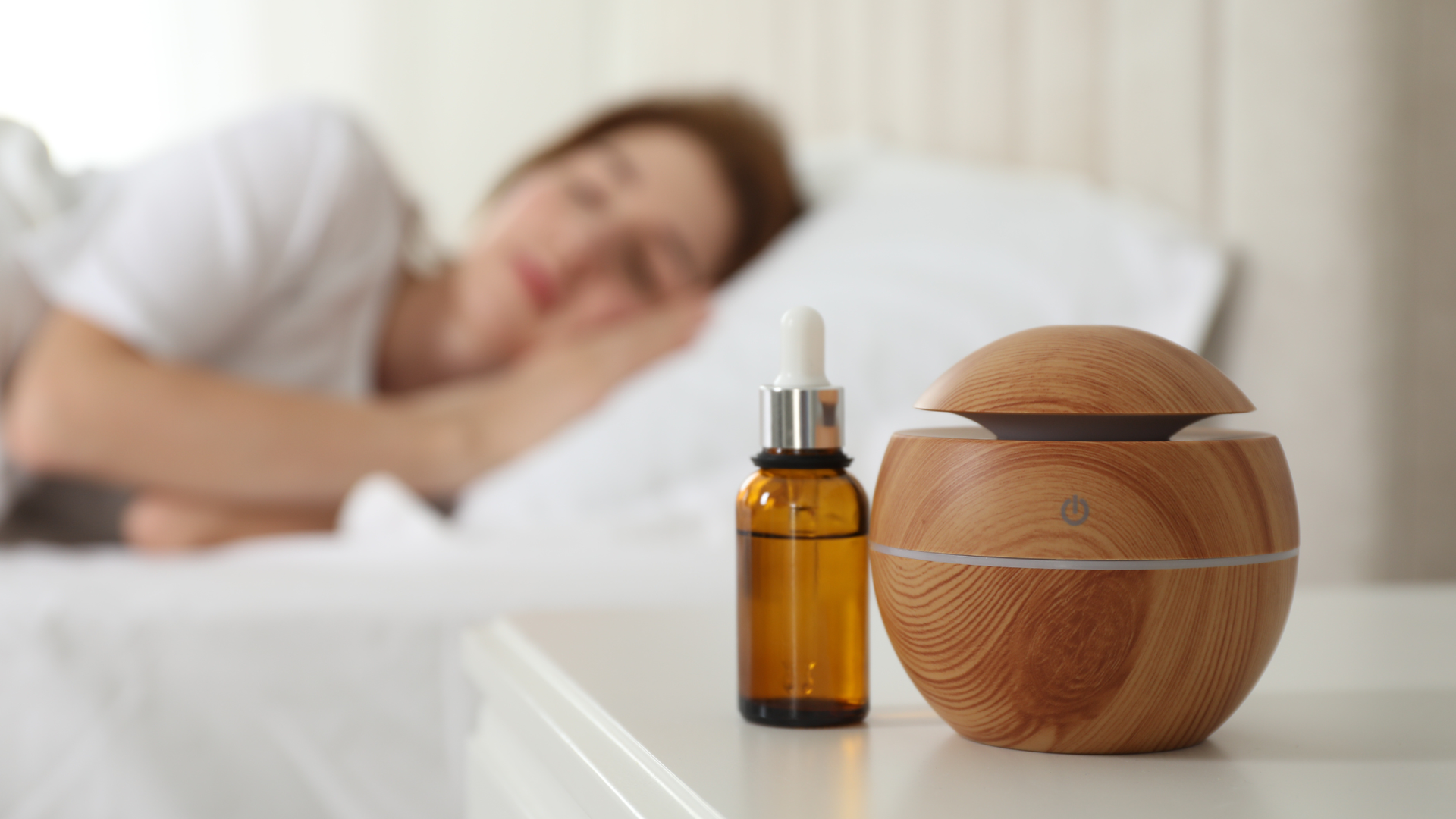
Learn to use essential sleep oils topically or aromatically for a calming bedtime routine. Get practical tips on diffusing, dilution, habit-building.

Unwind overworked joints before bed with a 10-minute essential oil massage. Get dilution tips, techniques, and simple routines for soothing nighttime comfort.
Build a gentle, toxin-free facial care routine with essential oils. Discover safe dilution, patch testing, AM/PM steps and tips for cleaner, healthier skin.

Discover 3 simple essential oil routines to ease work-life stress. Get safety tips and quick scent cues for calm focus and evening wind-downs.
Explore gentle, kid-safe essential oil blends to support your family's cold and flu wellness routines with safe dilution, diffusion tips, and home habits.

Discover a practical monthly menstrual self-care ritual using essential oils, heat, movement, and grounding habits. Safe, realistic tips for comfort and calm.

Kickstart your day with a 10-minute morning ritual using essential oils to support immunity, hydration, hygiene, and stress relief. Simple family tips.