
Senior Joint Comfort: Essential Oil Solutions for Arthritis Support
April 16, 2026
A calmer, more comfortable day—without complicated routines
Arthritis can make everyday tasks feel bigger than they should—opening jars, gardening, getting up from a chair, or simply enjoying a walk. While essential oils aren’t a cure for arthritis, many seniors and caregivers use them as part of a “comfort toolkit” that supports relaxation, soothing massage, and a consistent self-care rhythm. When you pair safe essential oil use with evidence-based arthritis strategies—gentle movement, joint protection, and heat/cold therapy—you create more opportunities for easier mobility and better quality of life.
Important note:
Arthritis symptoms can overlap with other conditions. If pain is new, severe, red/hot, linked with fever, sudden swelling, or follows a fall—seek medical advice promptly. Essential oils should be used externally and diluted
, and seniors may be more sensitive to topical products.
What helps arthritis comfort the most (and where essential oils fit)
Health organizations consistently recommend a multi-pronged approach for arthritis: staying physically active, using symptom-management programs, protecting joints, and using heat/cold to reduce stiffness or soreness. For many adults with arthritis, aiming for about 150 minutes per week
of moderate activity (adjusted to ability) is a common guideline, and structured self-management education can improve confidence and daily coping. Topical options can also play a role; for osteoarthritis, guidelines often favor topical treatments
when appropriate—especially for older adults—because they can provide localized relief with fewer systemic effects than oral medications.
Essential oils can complement
these foundations in three practical ways:
1) Comforting touch:
diluted oils encourage regular hand/foot/knee massage, which supports circulation and relaxation.
2) Relaxation cues:
aroma routines can help reduce stress, which often amplifies pain perception.
3) Habit stacking:
using a roll-on or massage oil at the same time as stretching can make mobility habits easier to keep.
Quick comparison: common comfort tools for seniors
| Tool | Best for | How it’s commonly used | Safety notes |
|---|---|---|---|
| Heat therapy | Stiffness, tight muscles | 15 minutes before movement or stretching | Use a barrier cloth; don’t exceed recommended time |
| Cold therapy | Swelling, “hot” soreness | Short sessions after activity | Avoid direct skin contact; limit duration |
| Gentle exercise + strength | Mobility, function, stability | Short, frequent sessions (walking, cycling, mobility) | Progress slowly; prioritize consistency over intensity |
| Topical comfort products | Localized knee/hand discomfort | Applied to a specific joint area | Follow label directions; check medication interactions |
| Diluted essential oils (topical + aroma) | Relaxation, soothing massage routines | Diluted massage oil/roll-on around (not on) joints | Patch test; avoid eyes/mucous membranes; watch phototoxic oils |
Safe essential oil use for seniors: the non-negotiables
Seniors often have thinner skin, may take multiple medications, and may have conditions (like neuropathy) that make it harder to sense irritation or temperature changes. Keep routines simple and conservative.
1) Always dilute for topical use
Do not apply essential oils “neat” (undiluted). A commonly used adult range is around 1–2%
for body application, and seniors may do best starting at the lower end (or less) depending on sensitivity. If you’re making a roll-on, use a carrier oil and start lightly; you can always increase later if skin tolerates it.
2) Patch test every new blend
Apply a small amount of your diluted blend to the inner forearm and wait 24 hours. Redness, itching, burning, or raised bumps means it’s not a good match—wash with gentle soap and discontinue.
3) Watch phototoxic oils (sun sensitivity)
Some citrus oils—especially cold-pressed
oils—can increase sun sensitivity on skin. If you use citrus oils topically (like lemon, lime, bergamot), apply only at night or choose non-phototoxic versions (such as certain steam-distilled options) and keep dilution conservative. When in doubt: don’t apply citrus oils to skin that will see sunlight.
4) Avoid “hot spots” and sensitive areas
Keep essential oils away from eyes, inside the nose, ears, mouth, and any broken or irritated skin. For joint comfort, apply around the joint (for example, the muscles above and below the knee) rather than directly on thin, delicate areas.
Step-by-step: a simple “joint comfort routine” you can repeat
Consistency usually beats intensity. This routine is designed to be realistic for seniors and caregivers and pairs well with gentle movement.
Routine (10–20 minutes)
Step 1: Warmth first (optional).
Apply gentle heat for about 10–15 minutes before movement if stiffness is the main issue.
Step 2: Apply a diluted massage oil.
Use a small amount and massage slowly around the area (hands, wrists, knees, hips—wherever support is needed). Keep pressure light to moderate.
Step 3: Mobility “snacks.”
Choose 2–3 gentle movements (ankle circles, seated knee extensions, shoulder rolls, hand open/close). Do 6–10 repetitions each, pain-free range only.
Step 4: After activity, consider cold.
If the joint feels puffy, warm, or irritated after movement, a short cold pack session can help.
Step 5: Track what works.
Note time of day, weather changes, and which joints benefit. This makes your routine more personalized over time.
If you’re adding exercise support, explore YL Family’s movement options such as Stretch & Tone Workout, Functional Strength Training, or Total Body Pilates Sculpt
—and keep intensity appropriate for joint comfort and recovery.
Supportive habits that make a bigger difference than any single product
Move often—little and often
Many seniors do best with short movement sessions spread through the day. Even 5 minutes of gentle walking, cycling, or chair mobility can reduce stiffness and support function—especially when paired with good pacing.
Protect joints with smarter mechanics
Use two hands when lifting, keep items close to your body, and avoid sustained gripping. Consider assistive tools (jar openers, ergonomic kitchen tools) to reduce strain on hands.
Build recovery into the plan
Sleep, hydration, and stress support matter. If stress and tension are part of the picture, explore YL Family’s Stress & Mood
options for routines that support a calmer nervous system.
Did you know? (quick facts seniors and caregivers appreciate)
• Heat tends to help stiffness
feel more manageable, while cold tends to help with swelling and sharp soreness
.
• Topical approaches are often preferred for certain older adults because they act locally (ask your clinician what’s appropriate for you).
• Many essential oil skin reactions come from using oils undiluted or using too much, too often—starting low is a smart strategy.
• Citrus oils can be phototoxic on skin—timing and proper selection matter if you spend time outdoors.
A practical local angle for the United States
Across the U.S., arthritis comfort often shifts with seasons, travel, and daily routines. Here are a few country-wide realities that help seniors stay consistent:
Dry indoor air + winter stiffness
When indoor heat runs, skin can feel drier—making diluted topical routines feel less comfortable if you skip the carrier oil. Keep a simple carrier oil on hand and use a smaller amount of essential oil.
Sun exposure matters for citrus oils
Many U.S. seniors spend time driving, walking, or gardening. If you use citrus oils topically, treat them like “night-time only” unless you’re fully confident they’re non-phototoxic and properly diluted.
Make routines travel-proof
A small roll-on, a light resistance routine, and a hydration habit can keep you steady during family visits or trips. If you like simple gear, see YL Family’s Accessories
and Equipment
collections.
Shop supportive wellness essentials with guidance from YL Family
If you’re building a senior-friendly comfort routine, start simple: a few high-quality essential oils, a gentle carrier oil, and a plan you can repeat. YL Family can help you choose options that fit your goals—whether that’s daily relaxation, mobility support, or a cleaner home environment.
FAQ: Essential oils and arthritis comfort for seniors
Can essential oils cure arthritis?
No. Arthritis is a medical condition with multiple causes and types. Essential oils are best viewed as a supportive tool for relaxation, soothing massage, and consistent self-care—not a cure or a replacement for medical care.
What’s the safest way for seniors to use essential oils for joint comfort?
Use them topically diluted
in a carrier oil, start with a low dilution, patch test, and apply around (not on) sensitive areas. Keep products away from eyes and broken skin, and stop if irritation occurs.
Is heat or cold better for arthritis?
Many people use both. Heat is often preferred for stiffness and tight muscles; cold is often preferred for swelling or “hot” soreness after activity. If a senior has decreased sensation (neuropathy), use extra caution to avoid burns or cold injury.
Do citrus oils really cause sun sensitivity?
Some do—especially cold-pressed citrus oils—because they can contain compounds that increase phototoxic risk. If you’re unsure, avoid using citrus oils on skin that will be exposed to sunlight and choose non-phototoxic options for daytime.
What if the senior is already using topical pain products or taking medications?
Check with a clinician or pharmacist—especially if the person uses prescription pain treatments, blood thinners, or has chronic medical conditions. If using a medicated topical (like a pharmacy product), avoid layering multiple topicals on the same area unless a professional confirms it’s appropriate.
Glossary
Carrier oil
A skin-friendly oil (like jojoba or fractionated coconut oil) used to dilute essential oils for safer topical application.
Dilution (1–2%)
A way of describing how much essential oil is mixed into a carrier oil. Lower dilutions are typically more senior-friendly when starting.
Phototoxicity
A skin reaction that can happen when certain oils (commonly some citrus oils) are applied to skin and then exposed to UV light, increasing risk of burn-like irritation or pigmentation changes.
Mobility “snacks”
Short bursts of gentle movement spread throughout the day to reduce stiffness and maintain range of motion.

Discover teen-friendly bedtime routines with gentle essential oils for 8–10 hours of sleep. Try simple wind-down steps for calmer nights and rested mornings.
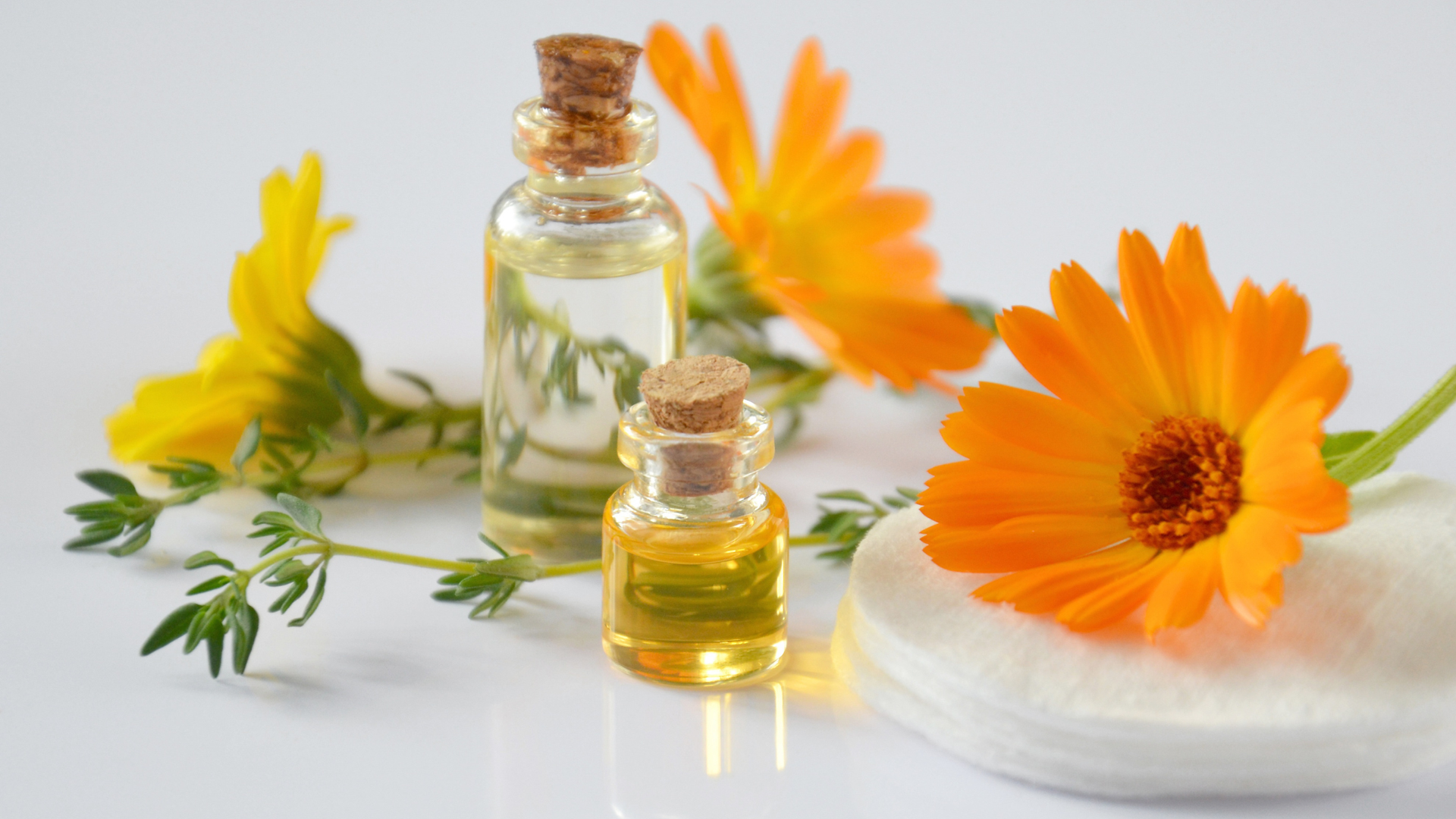
Learn essential oil safety & dilution basics with practical tips. Discover phototoxicity warnings, dilution ratios, and beginner routines for confident, safe use.
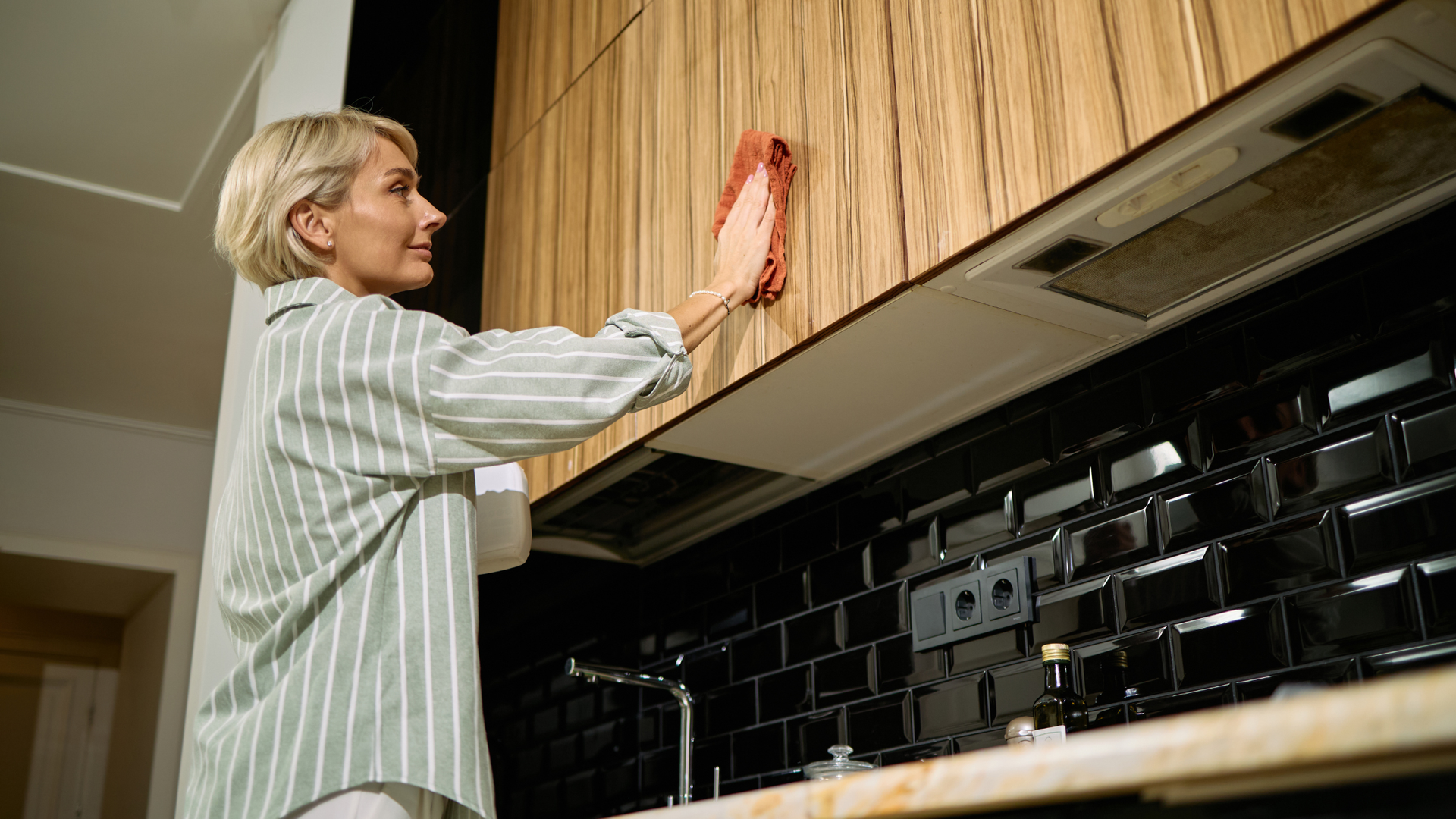
Learn to make eco-friendly DIY cleaning tablets with baking soda, citric acid & essential oils for effective, low-toxin home cleaning and reduced plastic waste.
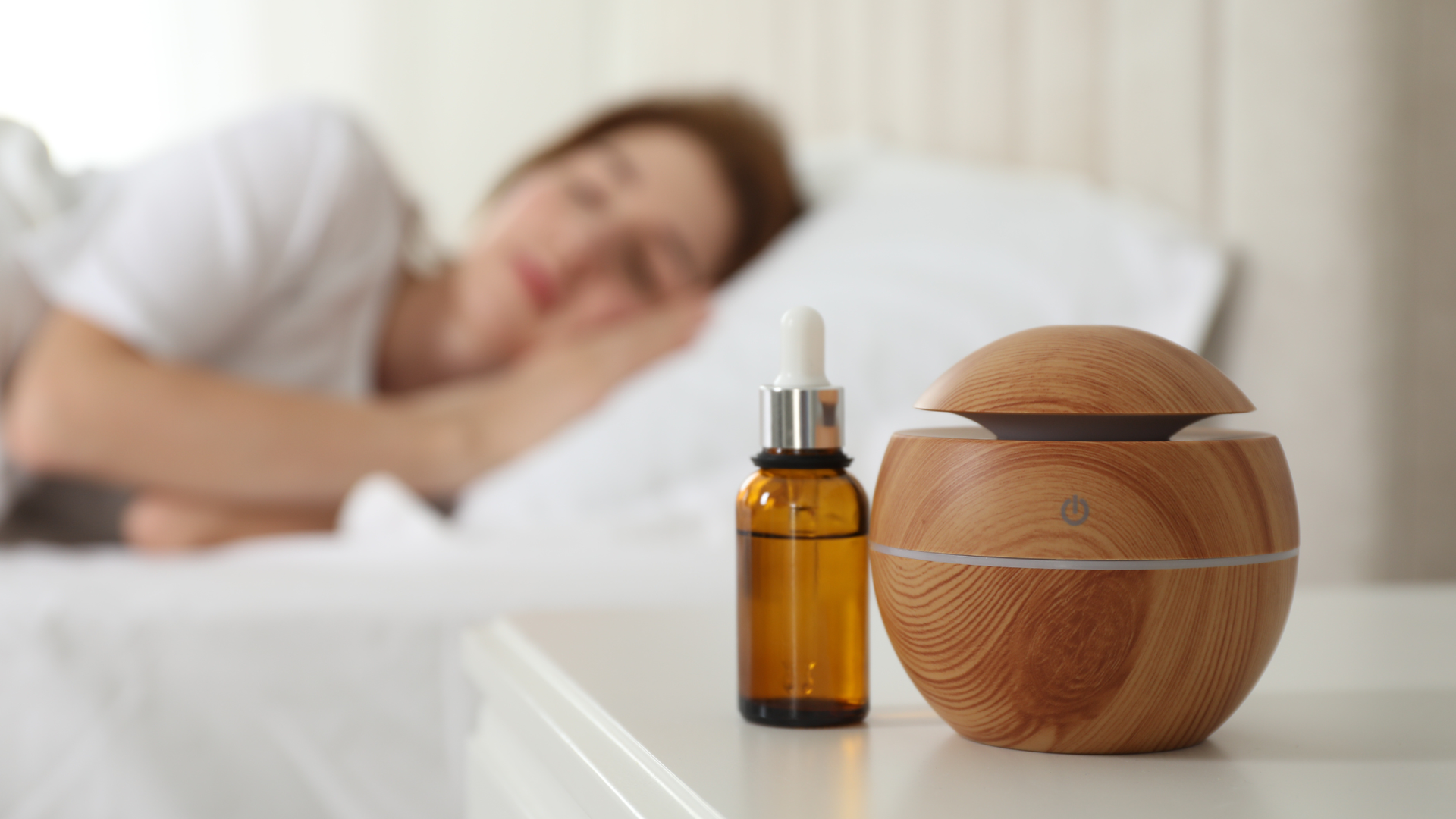
Learn to use essential sleep oils topically or aromatically for a calming bedtime routine. Get practical tips on diffusing, dilution, habit-building.
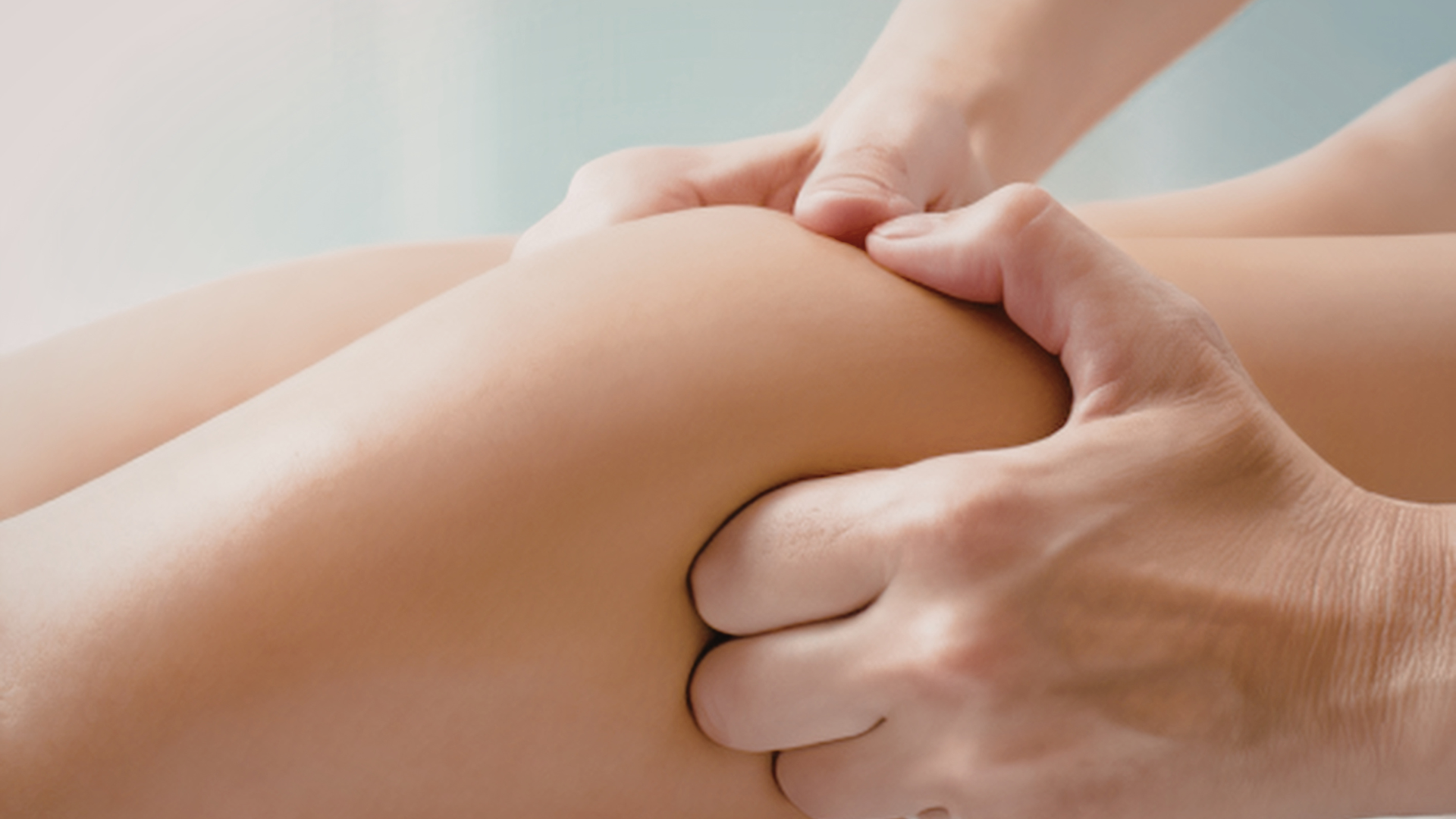
Unwind overworked joints before bed with a 10-minute essential oil massage. Get dilution tips, techniques, and simple routines for soothing nighttime comfort.
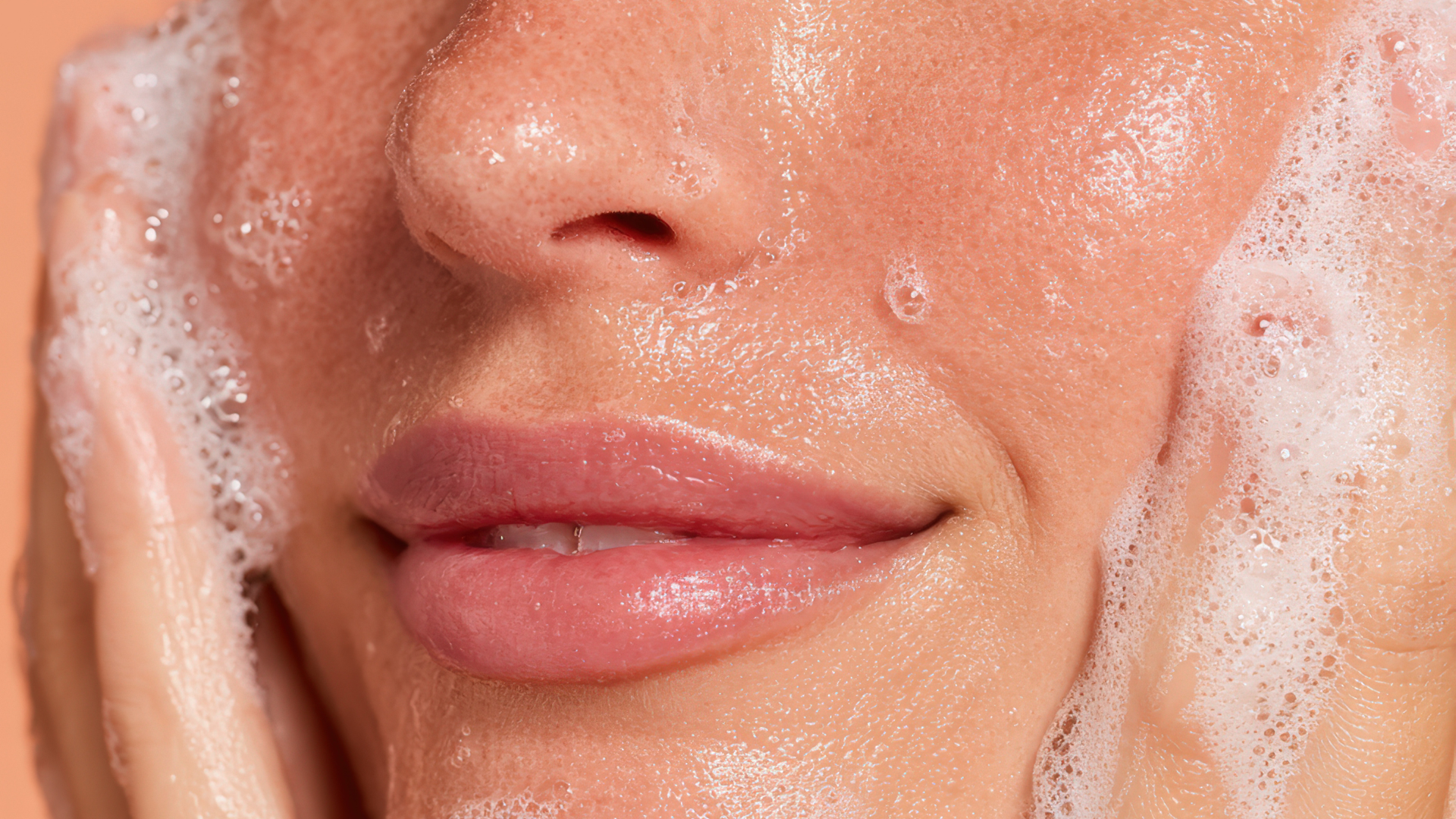
Build a gentle, toxin-free facial care routine with essential oils. Discover safe dilution, patch testing, AM/PM steps and tips for cleaner, healthier skin.

Discover 3 simple essential oil routines to ease work-life stress. Get safety tips and quick scent cues for calm focus and evening wind-downs.
Explore gentle, kid-safe essential oil blends to support your family's cold and flu wellness routines with safe dilution, diffusion tips, and home habits.

Discover a practical monthly menstrual self-care ritual using essential oils, heat, movement, and grounding habits. Safe, realistic tips for comfort and calm.

Kickstart your day with a 10-minute morning ritual using essential oils to support immunity, hydration, hygiene, and stress relief. Simple family tips.