Outdoor Itch Relief: Essential Oils for Insect Bites and Skin Soothing
A calmer, cleaner way to handle bites—without turning your summer bag into a medicine cabinet
Bug bites are part of being outside—whether you’re at a backyard barbecue, hiking a local trail, or watching kids run through sprinklers. The frustrating part is the itch-scratch cycle that follows: a small bite can become red, swollen, and irritated simply from repeated rubbing. This guide shares practical, skin-smart strategies for fast relief, plus how essential oils can fit into an “outdoor first aid” routine when used thoughtfully and safely—especially for families who prioritize toxin-free living.
What’s really causing the itch (and why scratching makes it worse)
For many common bites (like mosquitoes), the itch is largely an immune response—your body reacts to proteins introduced at the bite site. That reaction triggers histamine and local inflammation, which creates the familiar combination of itching, warmth, and swelling. Scratching can feel satisfying for a moment, but it can:
- Increase inflammation , which can keep the itch going longer.
- Break the skin barrier , raising the risk of infection.
- Trigger more redness that looks worse than the original bite.
The goal is simple: calm the skin, reduce swelling, and protect the area so your body can move on.
First-line itch relief that works fast (and pairs well with oils)
Even if you love plant-based solutions, it helps to know the standard “first aid” steps. These are widely recommended options for mild bites and stings:
Step 1: Cool the area
A cold pack or cool compress can reduce swelling and “turn down” itch signals. Use a cloth barrier and take breaks so you don’t over-chill the skin. If you have a tendency toward cold-triggered hives, skip ice and use a cool (not cold) compress.
Step 2: Clean gently
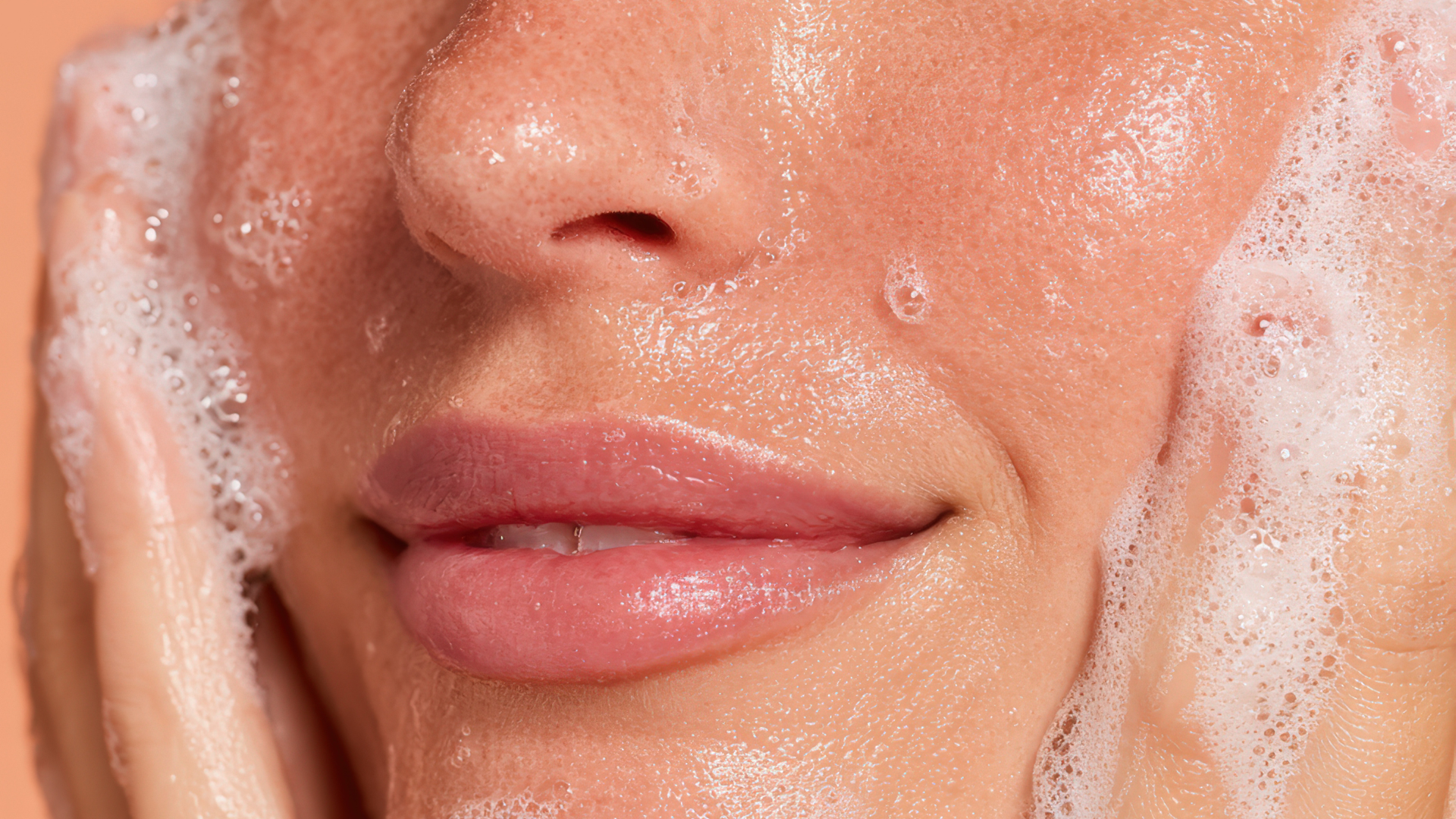
Wash with mild soap and water. This is especially helpful if you’ve been outdoors (sunscreen, dirt, sweat) or if the bite is near areas kids tend to touch.
Step 3: Choose an anti-itch approach
Over-the-counter options (like oral antihistamines or topical anti-itch products) are commonly used for symptom relief. If swelling worsens, the site shows signs of infection, or you feel unwell, it’s wise to check in with a clinician.
Where essential oils fit: “itch soothing oils” as supportive care
Essential oils are best viewed as a supportive, comfort-focused option—especially when you want a simple, natural-smelling routine that encourages you to stop scratching. For many families, the value is in creating a consistent ritual: cool the skin, apply a properly diluted blend, and cover if needed.
Non-negotiable safety basics (especially for kids)
- Dilute first for most topical uses, especially on sensitive skin and for children. Many brands recommend patch testing and dilution for first-time use.
- Patch test new oils or blends on a small area before broader use.
- Avoid eyes, inner nose, and mucous membranes.
- Be sun-smart with citrus oils. Some citrus oils can increase sun sensitivity on skin; avoid applying those before sun exposure.
- Stop if it burns, stings, or worsens redness. “More” is not better with essential oils.
A practical step-by-step: building an “outdoor first aid” bite routine
1) Reset the itch-scratch cycle in 2 minutes
Start with a cool compress for a short interval. This reduces swelling and gives you a calmer surface to work with—especially helpful for kids who go straight to scratching.
2) Use a carrier base that supports the skin barrier
Choose a gentle carrier (like a simple, unscented plant oil or lotion) to help dilute essential oils and reduce the chance of irritation. This also helps keep the bite from drying out and getting “crispy,” which often makes it itchier.
3) Apply a diluted essential-oil blend (small amount, targeted area)
For topical comfort, use a conservative dilution and apply only to intact skin. If you’re unsure where to start, begin with a lower concentration and increase only if your skin tolerates it well. Reapply sparingly rather than layering on a strong blend.
4) Protect and prevent re-irritation
If the bite is on an area that rubs (sock line, waistband, bra strap), consider a breathable bandage or clothing barrier. For kids, covering is often the easiest way to prevent absent-minded scratching during play.
Quick “Did you know?” facts for bite season
Most mild bites improve in a few days , but persistent swelling, worsening redness, or drainage can point to infection or a more significant reaction.
Essential oils are highly concentrated. Skin irritation and sensitization risk goes up when oils are used undiluted or repeatedly on the same spot.
Citrus oils + sunlight can be a bad mix for some people. If you’re heading back outside, avoid using sun-sensitive oils on exposed skin.
Which approach should you choose? (Quick comparison)
| Option | Best for | Pros | Watch-outs |
|---|---|---|---|
| Cool compress | Immediate itch + swelling | Fast, simple, kid-friendly | Avoid over-chilling; consider sensitivity to cold |
| OTC anti-itch options | Stubborn itching | Standard first-aid approach | Follow label directions; ask a clinician for kids/pregnancy/conditions |
| Diluted essential oils (topical) | Comfort ritual + skin soothing | Aromatic and targeted; aligns with clean-living routines | Patch test, dilute, avoid sun-sensitive oils on exposed skin |
| Barrier (bandage/clothing) | Preventing scratching | Protects skin, reduces infection risk | Keep clean and dry; watch for irritation from adhesives |
A United States angle: planning for bites in every region
Bite “season” looks different across the United States. Humid regions may deal with longer mosquito months, while drier areas may see intense spikes after rain. Travel adds another twist: camping, lake weekends, and sports tournaments can mean more exposure than your normal routine.
A simple checklist for your go-bag
- Cold pack option (or access to cold water + cloth)
- Gentle cleanser wipe or mild soap access
- Carrier oil or unscented lotion for dilution
- A pre-made, properly diluted roll-on for quick application (adults and kid-appropriate versions)
- Bandages for high-scratch areas
If you have a history of stronger reactions to stings or you’re unsure what bit you, consider adding a plan for when to seek care—especially for facial swelling, breathing issues, or rapidly spreading symptoms.
Shop your outdoor-support essentials with YL Family
If you’d like help building a simple, family-friendly outdoor routine—whether you’re brand new to essential oils or refining what you already use—YL Family can point you toward options that align with your goals for clean living, toxin reduction, and everyday wellness.
Helpful browsing paths: Stress & Mood, Sleep & Rest, Green Home Living, Personal Care.
FAQ: Essential oils for insect bites and itchy skin
What’s the fastest way to calm an itchy bite?
Cooling the area (brief cool compress) and resisting scratching are two of the quickest ways to reduce swelling and irritation. After that, a skin-friendly topical option—used correctly—can help keep the area comfortable while it resolves.
Can I put essential oils directly on a bite?
It’s safer to start diluted, especially if you’re using a new oil, supporting a child, or applying on sensitive skin. Undiluted oils can irritate and may increase the chance of developing sensitivity over time.
What does a patch test look like?
Apply a small amount of a properly diluted blend to a small area of intact skin (like the inner forearm). Wait to see if redness, itching, or irritation develops before using more broadly.
When is a bug bite more than “just a bite”?
Seek urgent or emergency care for trouble breathing, swelling of the lips/face/throat, dizziness, or rapidly worsening symptoms. Also check in with a provider if the area shows signs of infection (increasing warmth, pain, pus), the swelling keeps getting worse, or you feel ill.
Are “sun-sensitive” oils a real concern?
Yes. Some citrus oils can raise the risk of skin reactions with UV exposure. If you’re going back outside, avoid applying sun-sensitive oils to exposed skin, or cover the area with clothing.
Glossary
Carrier oil: A skin-friendly base oil (or unscented lotion) used to dilute essential oils for safer topical application.
Patch test: A small “try first” application to check for irritation or sensitivity before using a product more widely.
Phototoxicity (sun sensitivity): A reaction where certain substances on the skin increase the chance of irritation or discoloration after UV exposure.
Skin barrier: The outer layer of skin that helps keep moisture in and irritants out; scratching can disrupt it and prolong irritation.