Kids’ Bedtime Routines: Calming Essential Oil Rituals for Summer Sleep
A steady evening rhythm—without the “summer bedtime battle”
Summer can be wonderful for kids—and tricky for sleep. Later sunsets, travel, camps, extra screen time, and less predictable schedules can make it harder for children to wind down. A simple bedtime routine helps the brain and body recognize: “It’s time to rest.” For many families, gentle essential oil rituals (used safely and age-appropriately) can become a comforting cue that supports calm, connection, and consistency.
How much sleep do kids need?
Sleep needs vary by age. Many pediatric organizations align around these general nightly targets:
| Age | Recommended total sleep (per 24 hours) | What “summer drift” looks like |
|---|---|---|
| Preschool (3–5) | 10–13 hours (including naps) | Late naps or car-snoozes that push bedtime back |
| School-age (6–12) | 9–12 hours | Later bedtime + same early wake time for camp |
| Teens (13–18) | 8–10 hours | Screen time late at night, sleeping in, then “jet lag” on weekdays |
If your child is consistently struggling to fall asleep, waking often, snoring loudly, or seems overly sleepy during the day, it’s worth discussing with a pediatrician.
Why routines work (especially in summer)
Think of bedtime routines as gentle “signals” that stack together—lighting changes, quieter voices, warm water, a familiar scent, the same book, the same hug. When those cues repeat nightly, kids spend less energy negotiating and more energy transitioning.
In summer, this consistency matters even more because the rest of the day is often less structured. A reliable 25–45 minute wind-down can protect sleep even when schedules shift.
Essential oil safety for kids (quick, practical rules)
- No ingestion. Essential oils are concentrated; keep bottles out of reach and never add them to water “to drink.”
- Dilute for skin. If you use oils topically, use a carrier oil and start conservatively.
- Patch test. Try a small area first and wait to see if skin reacts before regular use.
- Diffuse thoughtfully. Use a well-ventilated space and keep sessions short; discontinue if anyone gets irritated.
- If swallowed: contact Poison Control right away (in the U.S., 1-800-222-1222).
A gentle mindset shift
Essential oils aren’t “sleep medicine.” For families who enjoy them, they’re best used as a supportive cue—part of a bigger routine that includes dim lights, fewer screens, a comfortable sleep environment, and steady timing.
A summer bedtime routine (30–40 minutes): step-by-step
Step 1: “Sunset mode” (10 minutes)
About an hour before bed, start lowering the “energy volume” in the home: dim lights, soften voices, and switch to calmer activities. If screens are part of your summer evenings, aim to power down at least 60 minutes before bedtime and replace with reading, puzzles, or a simple family reset.
Step 2: Bath or warm washcloth reset (10–15 minutes)
Warm water is a powerful transition cue. Keep it short if your child gets “second wind” after baths. If a full bath isn’t realistic, try a warm washcloth for face and hands, then cozy pajamas.
Step 3: Choose one calming scent cue (2 minutes)
Pick one consistent essential oil ritual, not five different ones. The goal is predictability. Two kid-friendly options many families prefer:
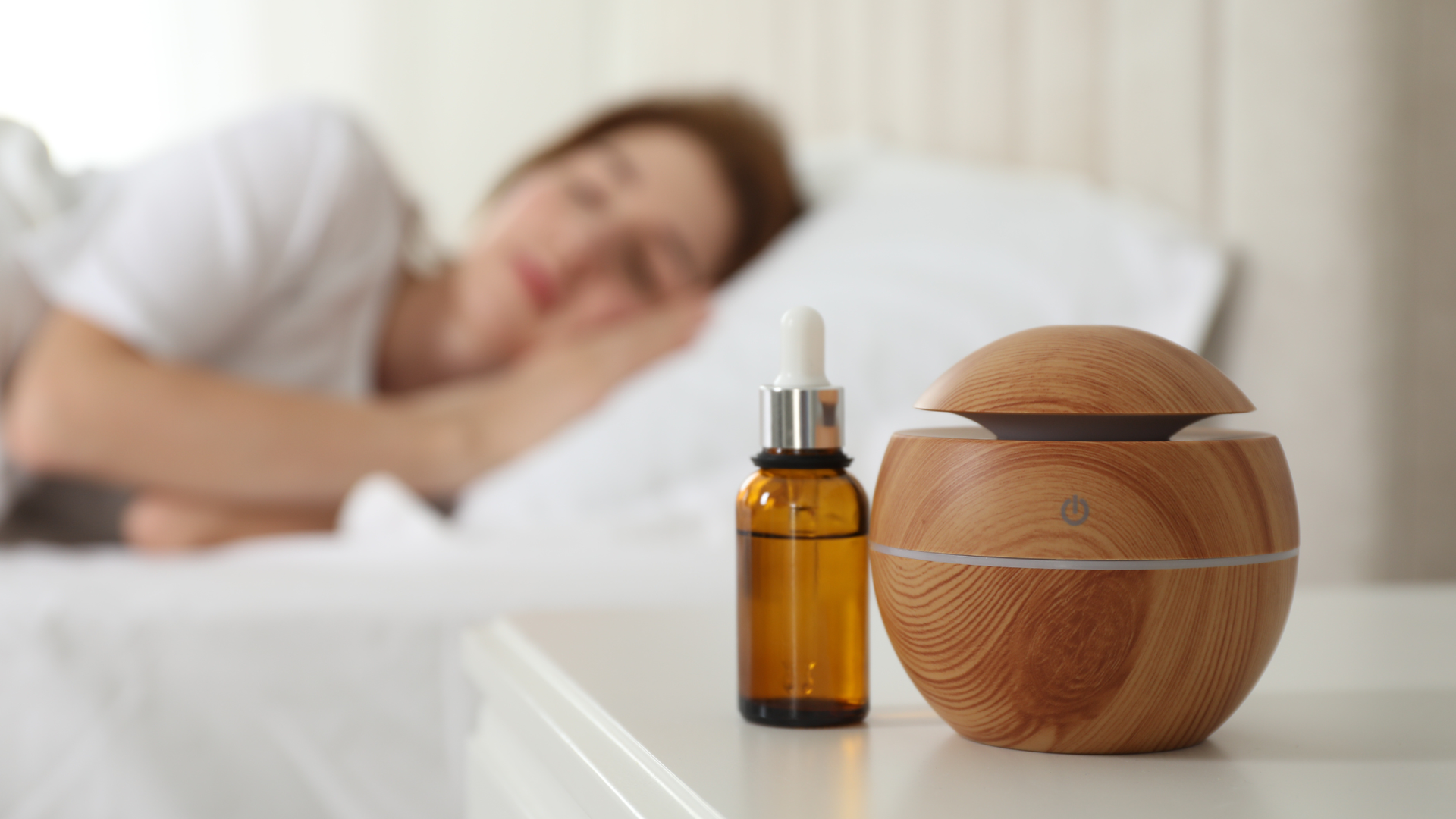
Option A: Short diffuser session
Diffuse for a limited time while you read together, then turn it off before sleep if you prefer. Keep the door slightly open for airflow and always discontinue if anyone gets irritated.
Option B: “Bedtime massage” with proper dilution
A tiny amount of properly diluted oil in a carrier oil on feet or shoulders can become a soothing connection ritual. Keep it simple, avoid sensitive areas, and patch test first.
Step 4: Story + “3 good things” (10 minutes)
Read a familiar book (new stories can be stimulating). Then ask your child to share “three good things” from the day—even simple ones like ice cream, sprinklers, or seeing a friend. This closes the day on safety and connection.
Step 5: Lights out with a consistent phrase (1 minute)
A consistent script reduces negotiations: “It’s time for your body to rest. I’ll check on you in 5 minutes.” For children who call out repeatedly, timed check-ins can help them feel secure while they practice falling asleep independently.
Common summer sleep challenges (and what helps)
| Challenge | Why it happens | Helpful routine tweak |
|---|---|---|
| Later sunsets | Light cues the brain to stay alert | Dim lights indoors early; use blackout curtains |
| “Second wind” at bedtime | Overtiredness can make kids more wired | Move bedtime earlier by 15 minutes for 3–5 nights |
| Late naps / car naps | Sleep pressure is lower at bedtime | Cap naps; shift earlier; keep car rides engaging near evening |
| Extra evening screen time | Content and light can delay wind-down | Create a “screens park here” basket 60 minutes before bed |
A U.S. summer angle: travel, time zones, and “sleep jet lag”
Many families across the United States travel more in summer—road trips, camping, visiting relatives, and weekend tournaments. If bedtime slides later on vacation, your child’s body can feel a mini version of jet lag when it’s time to return to camp schedules or prepare for back-to-school routines.
A practical reset is to shift bedtime and wake time earlier by 10–15 minutes every 2–3 days starting about two weeks before your “normal” schedule needs to return. Keep your calming cues the same—bath, story, one consistent aroma cue—so the routine travels with you.
Shop calming bedtime essentials with YL Family
If you’re building a cleaner, more supportive bedtime routine, YL Family can help you choose simple, family-friendly options—whether you’re brand new to essential oils or refining a routine that already works.
FAQ: Kids sleep, summer routines, and essential oils
What’s the best bedtime for kids in summer?
The “best” bedtime is the one that allows your child to consistently hit their recommended total sleep. If wake-up time is fixed (camp, childcare, parents’ work schedules), set bedtime based on that wake time and protect it even when evenings are busy.
How long should a bedtime routine be?
Many families do well with 25–45 minutes. Shorter routines can work if they’re consistent. Longer routines can backfire if kids learn they can “extend bedtime” with extra steps.
Are essential oils safe for kids at bedtime?
They can be used more safely when you follow basic precautions: no ingestion, dilute for skin use, patch test, and diffuse thoughtfully with good ventilation. If your child has asthma, allergies, or sensitive skin, check with your pediatrician before use.
Should I diffuse essential oils all night?
Many families prefer short diffuser sessions as a wind-down cue rather than continuous overnight diffusion. A predictable, brief routine is often enough to create a “sleep association.”
My child keeps getting out of bed—what do we do?
Keep your response calm and boring. Walk them back with minimal talking, repeat your bedtime phrase, and use timed check-ins if helpful. Consistency for 7–14 nights often makes the biggest difference.
What if my child snores or seems very restless?
Persistent loud snoring, pauses in breathing, frequent night waking, or significant daytime sleepiness are good reasons to ask a pediatrician for guidance. Sometimes sleep issues have a medical component that routines alone won’t solve.
Glossary (helpful bedtime routine terms)
Carrier oil: A gentle base oil (like fractionated coconut oil or jojoba) used to dilute essential oils before applying to skin.
Patch test: Testing a small amount of a diluted product on a small skin area first to check for irritation before wider use.
Sleep association (sleep cue): A consistent signal (bath, book, scent, song) that helps the brain link certain actions with falling asleep.
Sleep pressure: The body’s natural build-up of need for sleep across the day; late naps can reduce it and delay bedtime.
Looking for a simple place to start? Keep the routine steady for two weeks: dim lights, one calming cue, one story, one goodnight phrase. Small changes, repeated nightly, add up fast.