Green Home Summer Hacks: DIY Cooling & Air-Purifying Blends for a Fresh House
A calmer, cleaner-feeling home—without heavy fragrance or harsh cleaners
Summer is when homes often feel a little “stale” from closed windows, higher humidity, extra cooking, pets, and busy schedules. The good news: you can make your space feel noticeably fresher with a few simple habits—then add optional essential-oil blends for a light, uplifting scent (not as a substitute for cleaning or ventilation). At YL Family , we love practical, low-tox home routines that work for real families—especially when they’re easy to repeat all season long.
Start with what actually improves indoor air
If your goal is “air purifying,” focus on the fundamentals first. The U.S. Environmental Protection Agency (EPA) consistently highlights three best-practice strategies for healthier indoor air: source control (remove or reduce pollutants), ventilation (bring in fresh outdoor air when possible), and supplemental filtration/air cleaning (like quality HVAC filters or portable air cleaners). This approach is especially helpful during summer when indoor pollutants can build up in closed homes.
- Ventilate during “best air” windows: early morning or after a storm (when outdoor air quality is good).
- Control moisture: keep indoor humidity comfortable (too much humidity supports musty odors and biological growth).
- Run kitchen + bathroom fans: especially while cooking and showering.
- Upgrade filtration: use HVAC filters that fit your system’s recommended rating, and replace on schedule.
- Reduce scent “sources”: heavily fragranced sprays/candles can add volatile compounds; choose simpler routines.
Where essential oils fit (and where they don’t)
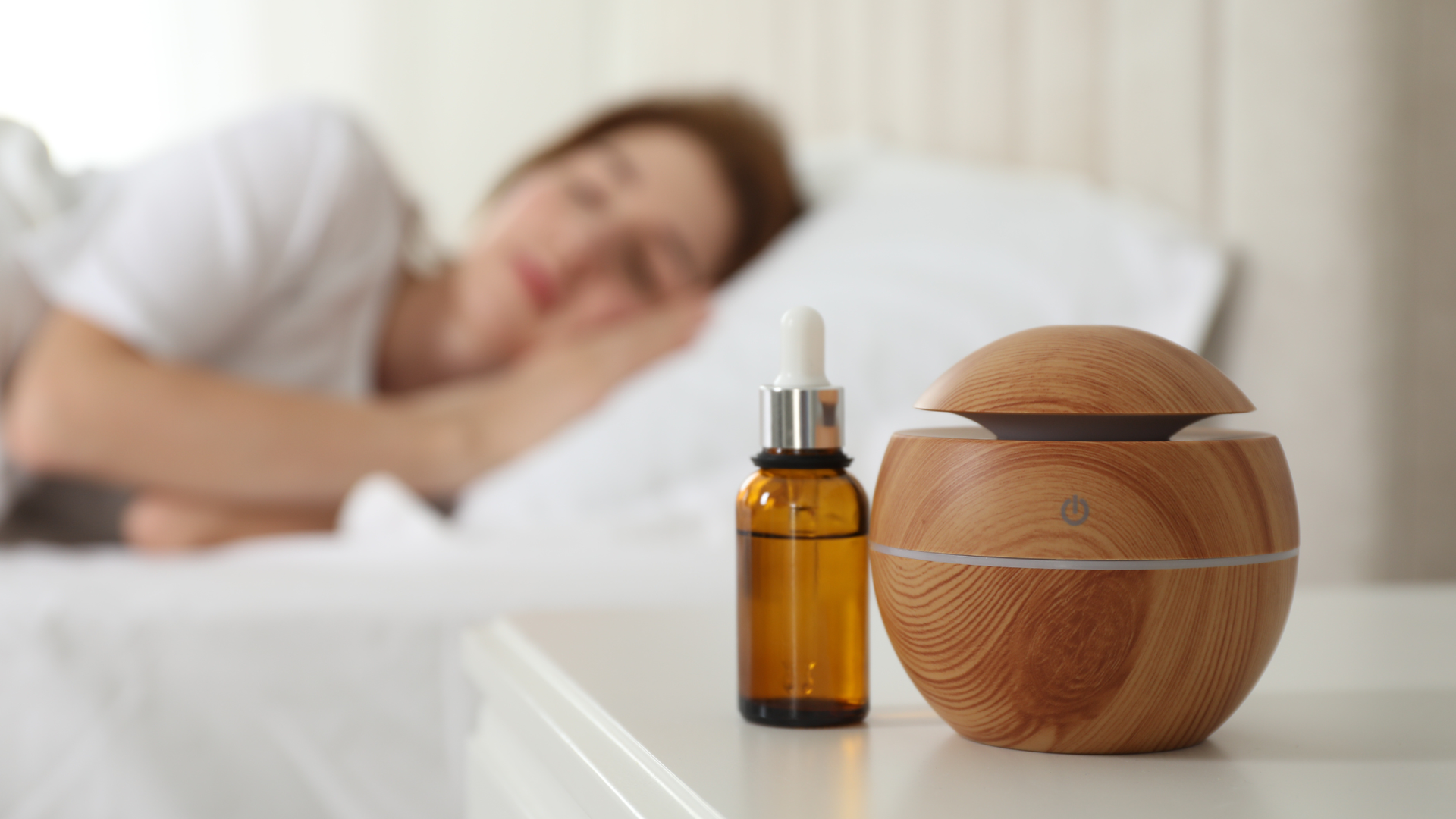
Essential oils can be a beautiful part of a summer home routine because they can make a space smell fresh and feel more inviting. Still, it’s smart to keep expectations grounded: essential oils add scent and can support a “clean-home experience,” but they don’t replace removing dust, managing moisture, or improving ventilation/filtration.
If anyone in your home has asthma/COPD, scent sensitivities, migraines, or you have infants or pets, use extra caution with diffusers and airborne use. Keep diffusion light , time-limited , and ensure good airflow. If irritation occurs, stop and ventilate. (The American Lung Association has cautioned that inhaling VOCs—including from essential oils—can irritate airways for sensitive individuals.)
DIY Summer “Cooling Mist” Hacks (that won’t leave your floors slick)
A cooling mist is really about evaporation and comfort cues (like a crisp, spa-like aroma). For home use, keep these sprays water-based, gently scented, and designed for air + linens (not skin, unless you’re following appropriate dilution guidance for topical use).
Step-by-step: Fresh Linen Cooling Mist (air + fabric)
You’ll need: 8 oz (240 mL) glass spray bottle, distilled water, optional unscented witch hazel (as a light dispersing base), and essential oils.
- Add base: 1–2 tbsp witch hazel (optional).
- Add oils: start with 10–20 total drops for an 8 oz bottle (light scent).
- Fill with distilled water , leaving a little headspace.
- Shake well before each use.
- Mist curtains, entry rugs, or bedding (spot-test delicate fabrics first).
Pro tip: If your home runs humid, skip fabric misting and focus on ventilation + dehumidifying to prevent mustiness.
Blend ideas (pick one “family” of scents)
- “Clean + Crisp”: lemon + lavender (light, classic, not overpowering)
- “Backyard Breeze”: lavender + cedarwood (calmer, woodsy)
- “Spa Day”: eucalyptus + lavender (fresh, airy—use lightly if sensitive)
- “Citrus Grove”: orange + lemon (bright, kitchen-friendly)
Air-“purifying” routines that pair well with essential oils
If you want your home to smell fresher for longer, connect aroma to a real air-quality habit. Think: remove the odor source, then add a light scent.
| Summer problem | Do this first (foundation) | Then add scent (optional) |
|---|---|---|
| Musty entryway | Dry mats, manage humidity, wipe surfaces, improve airflow | Light linen mist on rug (spot-test), or brief diffuser cycle |
| Cooking odors | Run range hood, open a window, wipe grease sources | Citrus blend in diffuser for 15–30 minutes |
| “Stale AC” smell | Replace HVAC filter, check for moisture, clean vents as needed | Gentle, low-drop diffusion when system is circulating |
| Pet funk | Wash bedding, vacuum frequently, manage dander, ventilate | Use oils cautiously around pets; keep pets out of the room during diffusion |
Step-by-step: “Reset the Air” in 12 minutes
- Open two windows on opposite sides (if outdoor air quality is good).
- Run one box fan facing outward in a window to push stale air out.
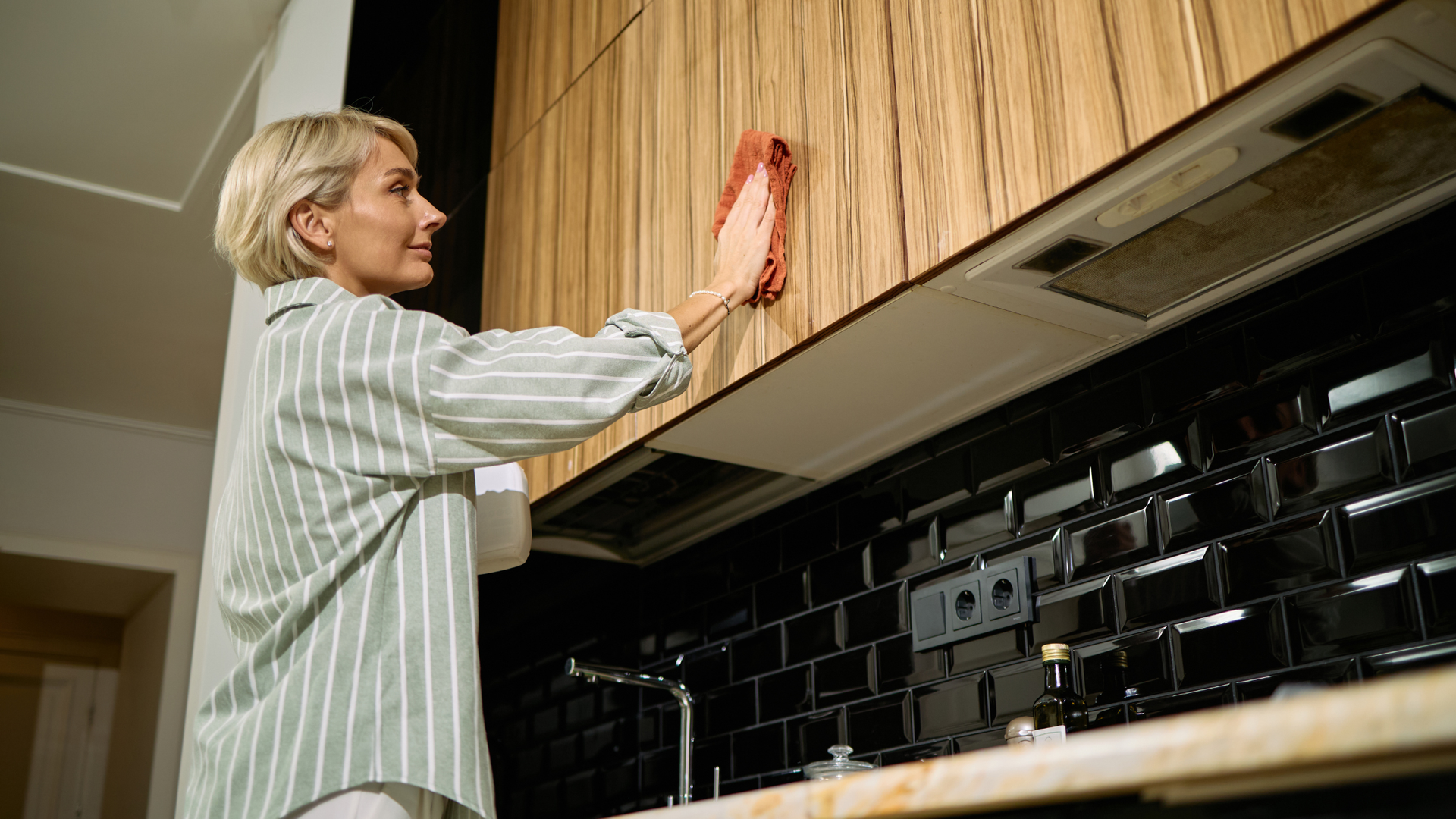
- Wipe one “odor hotspot” (trash lid, sink edges, pet bowls).
- Optional: diffuse a simple blend for 15–20 minutes after the reset (light settings).
Did you know? Quick facts that explain “summer stale air”
Local angle: Summer freshness tips that work across the United States
The best “green home” plan depends on your region’s summer pattern:
Hot & humid regions
Prioritize dehumidifying, bathroom fan use, and quick-dry routines (towels, mats, pet bedding). Use mists sparingly on fabrics.
Hot & dry regions
Ventilate early/late when temps drop. Cooling mists can feel extra refreshing, but keep them light so they don’t become “perfume fog.”
Wildfire-prone seasons
Follow local air-quality advisories. When outdoor air is poor, keep windows closed and focus on filtration/portable air cleaning rather than “airing out.”
Helpful resources from YL Family (shop + supportive routines)
If you’re building a cleaner summer routine for your home and body, these pages are a great next step:
Ready to refresh your summer routines?
Shop YL Family’s curated wellness essentials and build a simple, consistent green-home rhythm that supports your whole household.
Shop YL FamilyFAQ
Glossary