
DIY Elderberry & Essential Oil Cough Syrup: A Natural Cold-Relief Recipe (Safe, Family-Friendly Options)
July 24, 2026
A gentler way to support comfort when a cough shows up
When someone in the house starts coughing, most families want two things at the same time: fast comfort and ingredients they recognize. Elderberry syrup has become a popular “pantry staple” for seasonal wellness, and aromatherapy can be a helpful add-on for feeling clear and calm. This guide shares a practical DIY elderberry cough-syrup style recipe, plus a safer way to incorporate essential oils (without risky shortcuts), so you can support comfort while keeping wellness routines simple and responsible.
Important note:
Elderberry and essential oils are not substitutes for medical care. Seek urgent care for trouble breathing, blue lips/face, wheezing with distress, dehydration, or symptoms that rapidly worsen. For kids under 1 year, avoid honey. If pregnant, nursing, managing asthma/COPD, autoimmune disease, or taking prescription meds, check with a clinician first.
What elderberry cough syrup can (and can’t) do
Elderberry (Sambucus nigra) is widely used for seasonal immune support. Research is still evolving, but small human studies and reviews suggest elderberry preparations may help reduce the duration and severity of some upper-respiratory symptoms for certain people—yet the overall evidence base is limited and not definitive. If you like elderberry, the best approach is to treat it as a supportive comfort tool, not a cure, and to use it consistently and safely when it makes sense for your household.
A quick reality check on essential oils in cough syrups
Essential oils are highly concentrated plant extracts. Many people enjoy them for aroma-based routines (diffusing, steam inhalation, topical use when properly diluted). Ingesting essential oils is not broadly recommended by many safety-focused organizations
, and internal use can be risky—especially for children, people with medical conditions, and anyone taking medications. A safer “DIY elderberry + essential oil” approach is to keep the essential oils for aromatic support
(or very careful topical use) and keep the syrup itself simple and food-based.
DIY elderberry cough-syrup style recipe (classic + kid-friendly options)
This is a “cough syrup style” elderberry blend designed for comfort: soothing texture, warming herbs, and a sweet base that’s easy to take. You can keep it very simple, or add traditional kitchen herbs. Choose what fits your family.
Ingredients (makes ~2 cups)
Base
- 1 cup dried elderberries
- 3–4 cups water
- 1–1.5 cups honey (or maple syrup for a vegan option)
- 1 tbsp fresh lemon juice (optional, for flavor)
Optional “comfort” add-ins (choose 1–3)
- 1–2 inch piece fresh ginger, sliced
- 1 cinnamon stick
- 2–4 whole cloves
- 1–2 tsp dried thyme (traditional herb for cough comfort)
Step-by-step directions
- Simmer: Add elderberries (and optional herbs) to a pot with 3–4 cups water. Bring to a gentle boil, then reduce to a simmer 35–45 minutes.
- Reduce: Aim to reduce the liquid by about half. This concentrates the flavor.
- Strain: Let cool 10–15 minutes. Strain through a fine mesh strainer. Press berries lightly, then discard solids.
- Cool before sweetening: Wait until the liquid is warm (not hot) to protect honey’s taste and texture. Stir in honey (or maple syrup) and optional lemon.
- Store: Pour into a clean glass jar. Refrigerate. Use within 2–3 weeks (or freeze in silicone trays for longer storage).
Dosing (general, non-medical guidance)
Adults often use 1 tbsp
up to 2–4x/day for short-term comfort. For kids, many families use smaller amounts (for example, 1 tsp
), but children’s dosing depends on age, health status, and ingredients used. If you’re using this for a child, especially under 6, check with a pediatric clinician—particularly if the child has asthma, takes meds, or symptoms are significant.
Honey safety:
Do not give honey to infants under 12 months.
How to add essential oils safely (without putting them in the syrup)
If you love essential oils, you can pair your elderberry routine with aroma-based support. This keeps your “syrup” food-based, while your oils stay in the lane where most families use them most comfortably: diffusion and simple rituals.
Option A: “Bedtime comfort” diffuser blend
Try:
2 drops lavender + 2 drops lemon (or cedarwood) in your diffuser for 30–60 minutes before bed. Keep the room ventilated, follow diffuser instructions, and avoid diffusing continuously overnight for kids.
Option B: Steam bowl (adult-only)
Add hot water to a bowl, then do not add essential oils directly
if you have sensitive airways. For many people, plain steam plus a warm shower is enough. If you choose to use oils, use extreme caution (some oils can irritate eyes and airways), keep your face well back, and stop immediately if stinging or coughing worsens.
Option C: Diluted chest/neck rub (patch test first)
For adults and older teens, consider a 1% dilution
(about 1 drop essential oil per 1 tsp/5 mL carrier oil). Apply to the upper chest or back of neck—never near eyes, inside nostrils, or on broken skin. For children, ask your pediatric clinician first and use kid-appropriate guidance.
Safety reminders that matter
- Do not put essential oils into homemade cough syrup unless you have verified food-use labeling, appropriate dosing expertise, and medical guidance—especially for kids.
- Keep oils locked away; accidental ingestion can be serious.
- Avoid “neat” application (undiluted on skin), especially with cinnamon, clove, oregano, peppermint, and other high-irritant oils.
- If coughing is persistent (more than ~2–3 weeks), or accompanied by high fever, chest pain, or shortness of breath, get medical evaluation.
Quick comparison: honey vs. maple syrup base
| Base | Best for | Taste & texture | Key caution |
|---|---|---|---|
| Honey | Classic cough comfort, soothing feel | Thick, smooth, familiar sweetness | Not for infants under 12 months |
| Maple syrup | Vegan households, lighter sweetness | Thinner, distinct maple flavor | Still sugar; use thoughtfully for kids |
Did you know? (Simple facts that help your routine)
Warm liquids can ease throat irritation.
Tea, broth, and warm water with lemon can be just as important as supplements for comfort.
Humidity matters.
Dry indoor air can make coughs feel worse—especially in winter and in high-altitude areas.
“Natural” doesn’t always mean “safe for everyone.”
Herbs and oils can interact with medications or irritate sensitive lungs and skin.
A practical “cold-night” routine (5 steps)
If you want a repeatable plan for your household, this is an easy sequence that works for many families:
- Hydrate first: Warm tea or broth, plus water nearby.
- Use your elderberry syrup: A small serving after food can be gentler on the stomach.
- Comfort the airway: Shower steam or a humidifier in the bedroom.
- Aromatherapy support: Diffuse a calming blend for 30–60 minutes before bed.
- Sleep support: Slightly elevate pillows (adults) and keep the room cool and comfortably humid.
Local angle: seasonal wellness across the United States
Across the U.S., cough season often overlaps with big temperature swings, indoor heating, travel, and school schedules. In drier regions and at higher elevations (including parts of Colorado), air can feel especially drying—so a humidifier, warm beverages, and a simple syrup routine can be a smart comfort combination. If you’re building a “ready shelf,” consider stocking dried elderberries, a quality honey or maple syrup, and a few go-to essential oils for diffusion so you’re not scrambling when the first cough starts.
Shop YL Family wellness essentials
If you’d like guidance selecting essential oils and natural wellness staples for your home routines, YL Family can help you choose options that fit your goals (sleep, stress, seasonal comfort, and more).
FAQ: Elderberry cough syrup & essential oils
Can I put essential oils directly into my homemade elderberry syrup?
For most households, it’s best not to. Essential oils are highly concentrated and internal use can be risky without professional guidance and verified food-use labeling. A safer approach is to keep the syrup food-based and use essential oils via diffusion or properly diluted topical application.
How long does DIY elderberry syrup last in the fridge?
Many families use it within about 2–3 weeks when refrigerated in a clean glass jar. If you made a big batch, freezing in small portions can help reduce waste.
Is elderberry safe for kids?
It can be appropriate for some kids, but age and health status matter. Avoid honey for infants under 12 months. If your child has asthma, is on medication, or symptoms are significant, check with your pediatric clinician before using herbal products.
What’s the best essential oil for a cough?
Many people prefer calming, gentle aromas (like lavender) for nighttime comfort, and fresh scents (like lemon) for an uplifting feel. If you’re sensitive, start with fewer drops and shorter diffusion times. For wheezing, asthma, or reactive airways, avoid anything that feels irritating and consult a clinician.
When should I skip DIY remedies and call a clinician?
Seek medical guidance for high or persistent fever, chest pain, shortness of breath, dehydration, coughing lasting longer than 2–3 weeks, or if you’re managing pregnancy, immune conditions, or complex medications. For infants and toddlers, get guidance early.
Glossary (helpful terms)
Elderberry (Sambucus nigra)
A dark berry traditionally used in seasonal wellness preparations, often as a syrup.
Diffusion
Using a diffuser to disperse essential oil aroma into the air for a set period of time.
Carrier oil
A skin-safe oil (like fractionated coconut, jojoba, or sweet almond) used to dilute essential oils before topical use.
1% dilution
A conservative topical dilution rate often used for adults: roughly 1 drop essential oil per 1 tsp (5 mL) carrier oil.
Internal links you may find helpful:

Discover teen-friendly bedtime routines with gentle essential oils for 8–10 hours of sleep. Try simple wind-down steps for calmer nights and rested mornings.
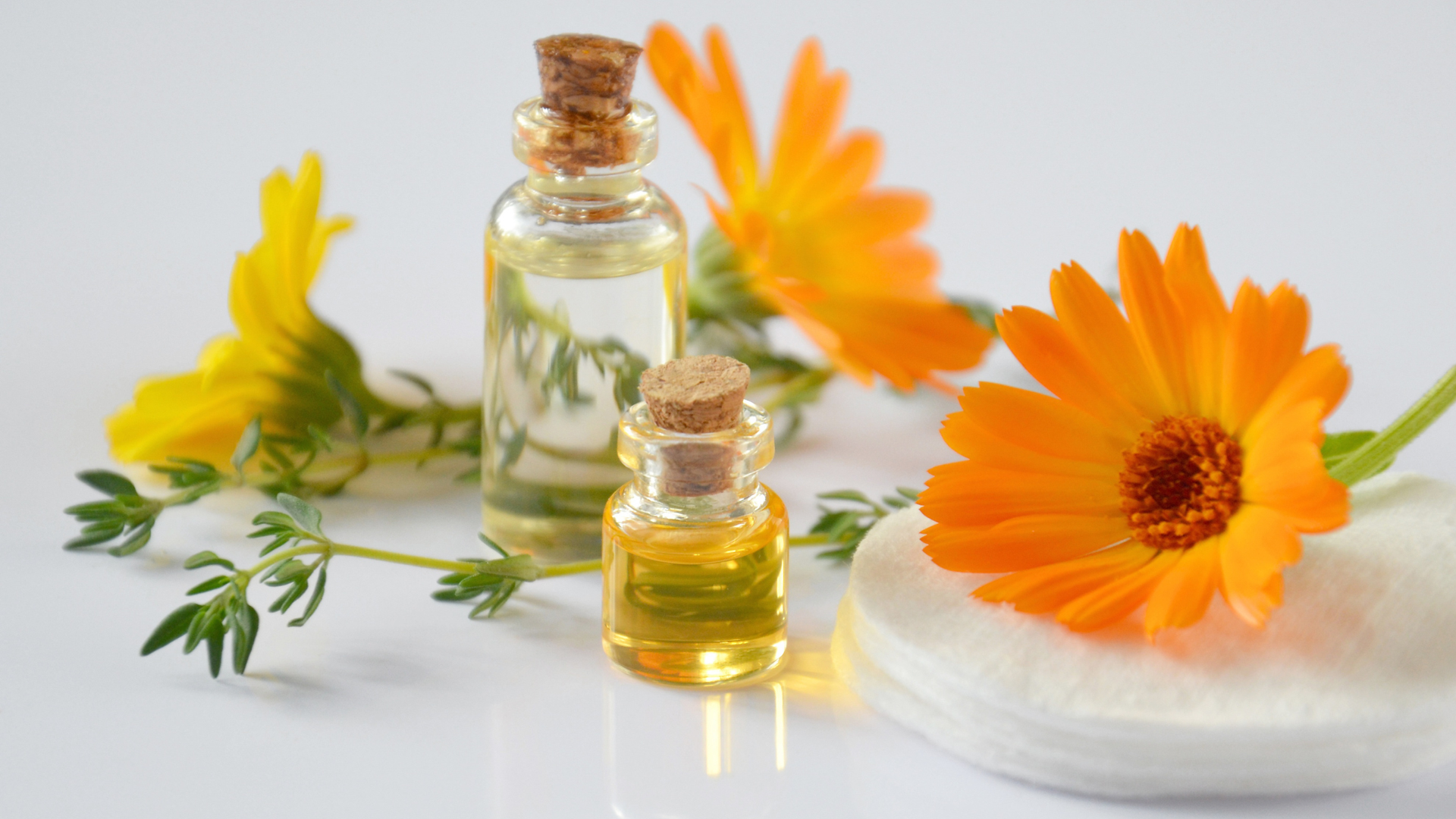
Learn essential oil safety & dilution basics with practical tips. Discover phototoxicity warnings, dilution ratios, and beginner routines for confident, safe use.

Learn to make eco-friendly DIY cleaning tablets with baking soda, citric acid & essential oils for effective, low-toxin home cleaning and reduced plastic waste.
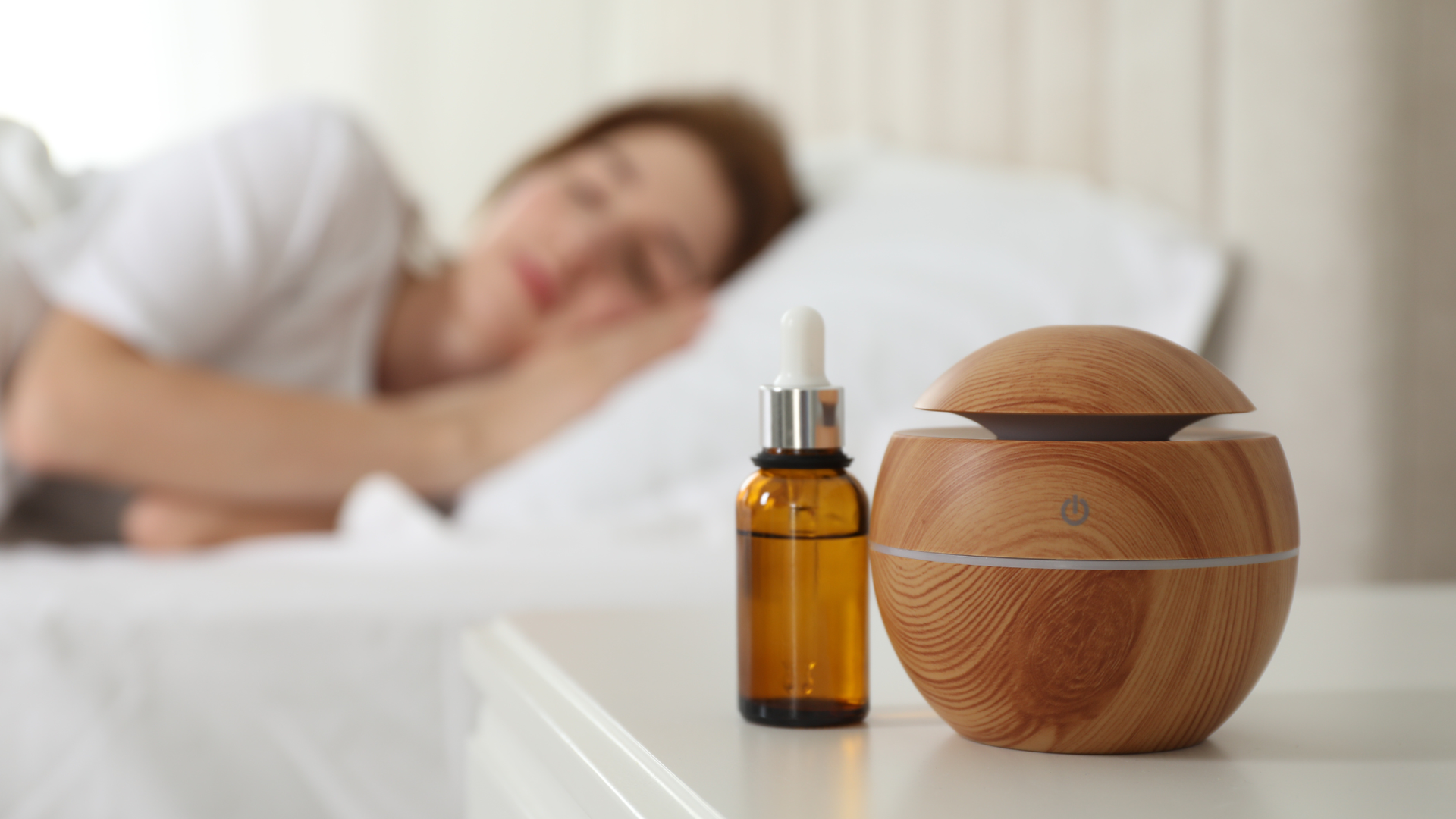
Learn to use essential sleep oils topically or aromatically for a calming bedtime routine. Get practical tips on diffusing, dilution, habit-building.

Unwind overworked joints before bed with a 10-minute essential oil massage. Get dilution tips, techniques, and simple routines for soothing nighttime comfort.
Build a gentle, toxin-free facial care routine with essential oils. Discover safe dilution, patch testing, AM/PM steps and tips for cleaner, healthier skin.

Discover 3 simple essential oil routines to ease work-life stress. Get safety tips and quick scent cues for calm focus and evening wind-downs.
Explore gentle, kid-safe essential oil blends to support your family's cold and flu wellness routines with safe dilution, diffusion tips, and home habits.

Discover a practical monthly menstrual self-care ritual using essential oils, heat, movement, and grounding habits. Safe, realistic tips for comfort and calm.

Kickstart your day with a 10-minute morning ritual using essential oils to support immunity, hydration, hygiene, and stress relief. Simple family tips.