
Understanding Young Living’s Seed-to-Seal: Ensuring Pure, Potent Essential Oils
July 28, 2026
A clearer way to understand essential oil quality—without guessing
If you’ve ever wondered why two bottles labeled “lavender essential oil” can smell different (or feel different on the skin), you’re not alone. Essential oils are complex plant extracts, and quality depends on choices made long before the bottle shows up at your door—seed selection, farming conditions, distillation methods, and testing. Young Living’s Seed-to-Seal
is designed to bring structure to that entire journey so families can feel more confident about purity, potency, and consistency.
What “Seed-to-Seal” means (in practical terms)
“Seed-to-Seal” is Young Living’s quality standard describing how essential oils are sourced, produced, and verified—from the starting plant material (the “seed”) through the finished, sealed bottle. While the phrase is often used as a simple label, it’s best understood as a set of checkpoints designed to reduce common quality issues such as adulteration, contamination, or inconsistent chemistry between batches.
Seed-to-Seal is typically explained through three pillars: Sourcing
, Distillation
, and Testing
. (Young Living describes Seed-to-Seal as its quality standard and frames it around these pillars.)
Pillar #1: Sourcing—why the plant matters as much as the oil
Essential oils are not a single “ingredient”—they’re a chemical fingerprint created by a plant’s genetics and growing conditions. Soil health, altitude, rainfall, harvest timing, and even how plant material is handled before distillation can meaningfully change the resulting oil’s aroma and composition.
A strong sourcing standard focuses on:
Botanical identity (the right plant)
True essential oils come from specific botanical species and plant parts. Quality programs emphasize verifying authenticity so a “look-alike” plant or cheaper substitute doesn’t end up in the supply chain.
Farming and supplier standards (how it’s grown)
A documented sourcing standard helps set expectations around farming practices and supplier accountability—especially when oils are sourced beyond a company’s owned farms.
Harvest timing and handling (freshness + integrity)
Harvesting at the right time and protecting plant material before distillation can help preserve delicate aromatic compounds.
Pillar #2: Distillation—how oils are extracted impacts potency
Most essential oils are produced by steam distillation
(and citrus oils are often produced by cold pressing/expression
). The extraction method—and how carefully it’s controlled—affects whether the oil smells vibrant and “true,” or flat and harsh.
Distillation quality is influenced by:
Time + temperature control
Too much heat can damage delicate compounds; too little can yield an incomplete extraction. Skilled distillation aims for a balanced profile.
On-site distillation (fewer “handoffs”)
Fewer transfers and clearer chain-of-custody can reduce opportunities for contamination or dilution.
Clean equipment + storage practices
Metals, residues, and improper containers can affect oil integrity. High-quality operations focus on clean processing and appropriate storage.
Pillar #3: Testing—verifying purity and consistency
Testing is where quality becomes measurable. While brands may describe “therapeutic grade” in marketing terms, what actually matters is whether the oil’s chemistry matches the expected profile and whether contaminants or adulterants are present.
Common testing approaches in the essential oil world include:
GC (Gas Chromatography) & GC/MS (Gas Chromatography/Mass Spectrometry)
These methods help identify and quantify many of the compounds in an essential oil. Gas chromatography is also reflected in ISO methodology for essential oil analysis. Consistent chemical patterns help support authenticity and batch-to-batch reliability.
Organoleptic evaluation (trained sensory checks)
Experienced evaluators can often detect off-notes that suggest oxidation, contamination, or improper processing—especially when combined with lab testing.
Safety/quality screens (context-dependent)
Depending on product type and intended use, screens may include checks for certain impurities or markers of degradation.
How Seed-to-Seal helps real families (beyond the buzzword)
For most households, “quality” becomes relevant at three moments: (1)
when you’re diffusing around kids or pets, (2)
when you’re applying topically, (3)
when you want consistent results (the same bedtime routine should smell and feel the same next month).
A process like Seed-to-Seal is meant to reduce uncertainty so you’re not relying on label claims alone. It also creates a consistent framework for education—helpful if you’re new to essential oils and want guidance you can repeat.
A simple “quality check” you can do at home (without lab equipment)
You can’t replace professional testing at home, but you can spot red flags and improve your odds of a good experience:
Step 1: Read the label like a checklist
Look for the botanical name (Latin), plant part (if listed), and clear usage directions. A label that’s vague about what’s inside isn’t helping you make a confident choice.
Step 2: Smell for clarity, not “strength”
Strong isn’t always better. A quality oil often smells layered and true-to-plant—without a sharp “chemical” edge that can indicate oxidation, heavy additives, or poor handling.
Step 3: Practice skin safety every time
For topical use, dilute appropriately in a carrier oil and patch test, especially if you have sensitive skin. Essential oils can irritate skin in concentrated form, and some can be phototoxic (more likely with certain citrus oils).
Step 4: Store oils like you store “fresh” ingredients
Heat, light, and oxygen can contribute to oxidation. Keep lids tight and store away from direct sun and hot spots (like a windowsill).
Important note:
In the U.S., essential oils marketed with claims to treat or prevent disease may be regulated as drugs, which require FDA approval. Be cautious with sweeping health claims, and use products as directed. (FDA guidance on aromatherapy and product claims is a helpful reference point for consumers.)
Quick “Did you know?” facts
Did you know?
Many “true” essential oils are produced via steam distillation or mechanical expression; oils made with chemical solvents aren’t typically considered true essential oils in many educational references.
Did you know?
Gas chromatography methods for essential oil analysis are formalized in ISO standards—one reason GC/GC-MS remains a common reference point in quality discussions.
Did you know?
Even high-quality essential oils can cause skin irritation if used undiluted—“pure” doesn’t automatically mean “gentle.”
Seed-to-Seal at a glance (quick comparison table)
| Stage | What it controls | Why it matters to families |
|---|---|---|
| Sourcing | Plant identity, cultivation, harvest timing | Better consistency; fewer surprises from batch changes |
| Distillation | Extraction method, time/temperature, cleanliness | Preserves aromatic profile and reduces “off” oils |
| Testing | Chemical profile verification, screening for issues | Adds confidence in purity and repeatable experiences |
Local angle: what U.S. families should keep in mind
In the United States, product claims matter. If an essential oil (or any wellness product) is marketed with claims to diagnose, cure, mitigate, treat, or prevent disease, it may be regulated as a drug—meaning it would need FDA approval. For consumers, that’s a reminder to choose education-forward brands and to keep your use practical: focus on safe home routines (diffusion, topical dilution, supportive self-care habits) and talk with a qualified clinician for medical concerns.
For families building a cleaner home, Seed-to-Seal can be especially relevant when you’re using oils in shared spaces—nurseries, living rooms, bathrooms—where consistent quality and clear guidance help you use products more confidently.
CTA: Shop quality-focused wellness with YL Family
If you want essential oils and natural wellness products backed by long-term experience and simple, supportive guidance, explore YL Family’s curated options and build a routine that fits your home.
FAQ: Seed-to-Seal & essential oil quality
Is Seed-to-Seal the same as “therapeutic grade”?
Seed-to-Seal describes a quality process (how an oil is sourced, distilled, and tested). “Therapeutic grade” is often used as marketing language in the essential oil space and isn’t a single regulated standard. When comparing oils, look for transparent sourcing and credible testing practices.
What is GC/MS testing, and why do people mention it so often?
GC/MS is a lab method used to identify many of the natural constituents in an essential oil. It helps confirm an oil’s chemical profile and can flag certain types of adulteration. It’s not the only quality tool, but it’s a widely referenced one.
If an oil is “pure,” can I apply it undiluted?
Not necessarily. Many essential oils can irritate skin when used neat (undiluted). For most people, dilution with a carrier oil and a patch test is a safer approach—especially for kids, sensitive skin, or frequent use.
Do essential oils need FDA approval in the United States?
It depends on how they’re marketed. If a product is marketed with claims to treat or prevent disease, it may be regulated as a drug and would require FDA approval. If it’s marketed for cosmetic purposes or as fragrance/aromatherapy without disease claims, the regulatory pathway differs. Always read labels and be cautious with medical promises.
What’s the biggest benefit of Seed-to-Seal for beginners?
Simplicity. When you’re just starting, it helps to follow one clear quality framework and learn safe routines step-by-step—especially for home use, sleep rituals, and daily stress support.
Glossary (quick definitions)
Seed-to-Seal:
A quality framework describing the steps from plant sourcing through distillation and testing to the finished bottle.
Steam distillation:
A common extraction method where steam carries aromatic compounds from plant material and the condensate is separated into oil and water.
Cold pressing (expression):
A mechanical extraction method often used for citrus peels.
GC/GC-MS:
Laboratory methods used to analyze the chemical constituents of essential oils.
Organoleptic testing:
Sensory evaluation (aroma, appearance, feel) performed by trained evaluators to help identify quality issues.
Dilution:
Mixing essential oils into a carrier oil before topical use to reduce irritation risk.

Discover teen-friendly bedtime routines with gentle essential oils for 8–10 hours of sleep. Try simple wind-down steps for calmer nights and rested mornings.
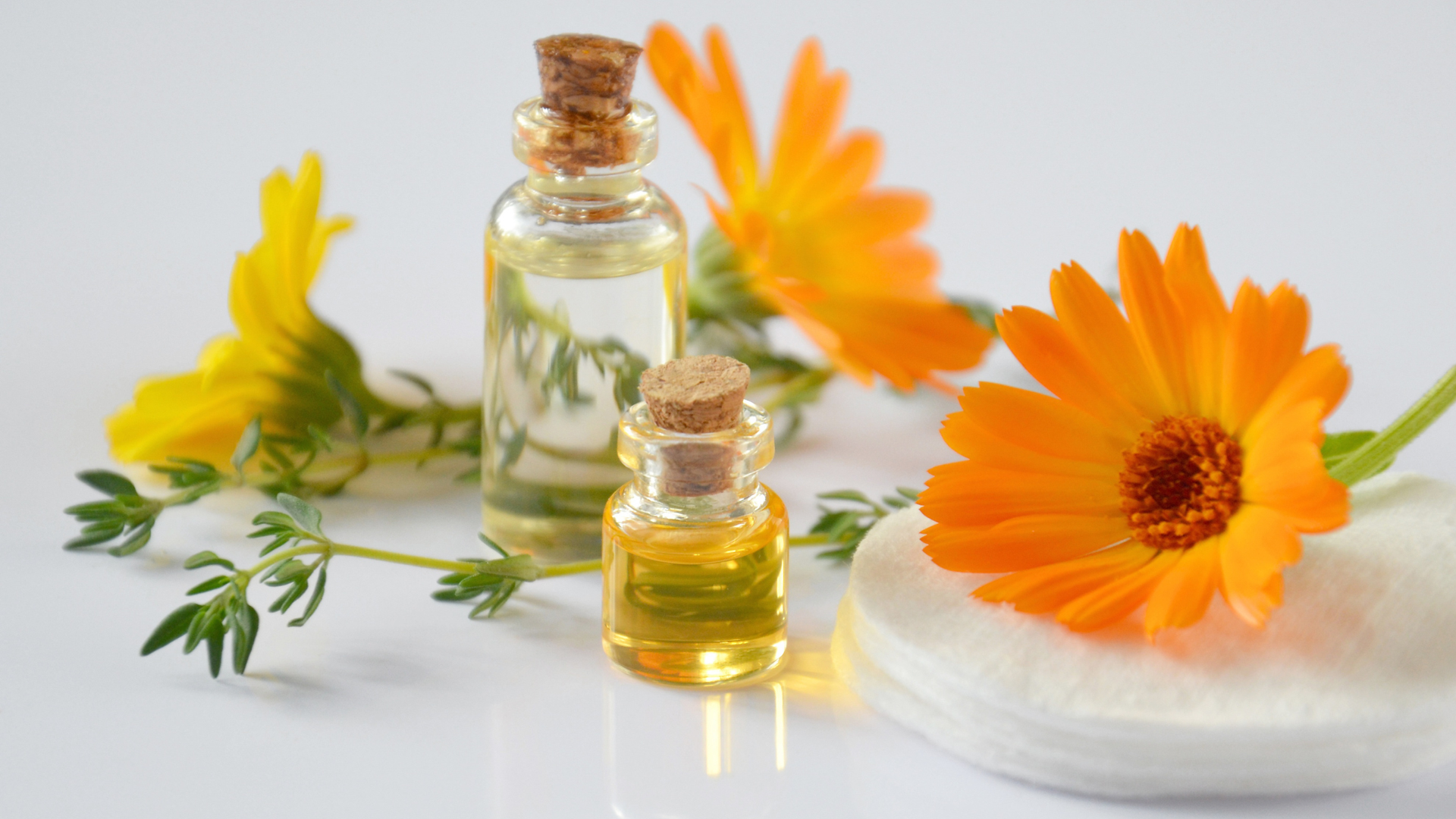
Learn essential oil safety & dilution basics with practical tips. Discover phototoxicity warnings, dilution ratios, and beginner routines for confident, safe use.
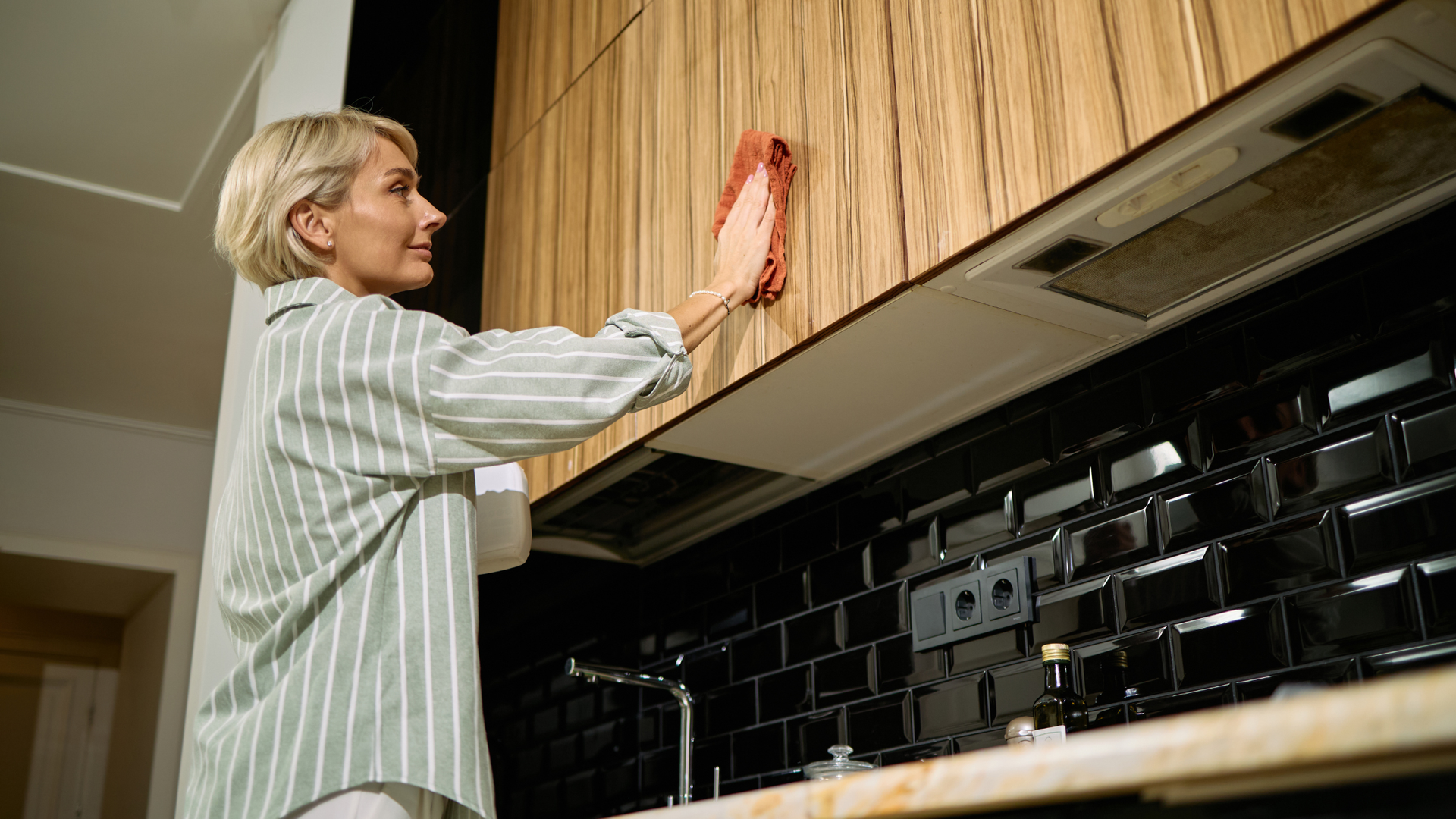
Learn to make eco-friendly DIY cleaning tablets with baking soda, citric acid & essential oils for effective, low-toxin home cleaning and reduced plastic waste.
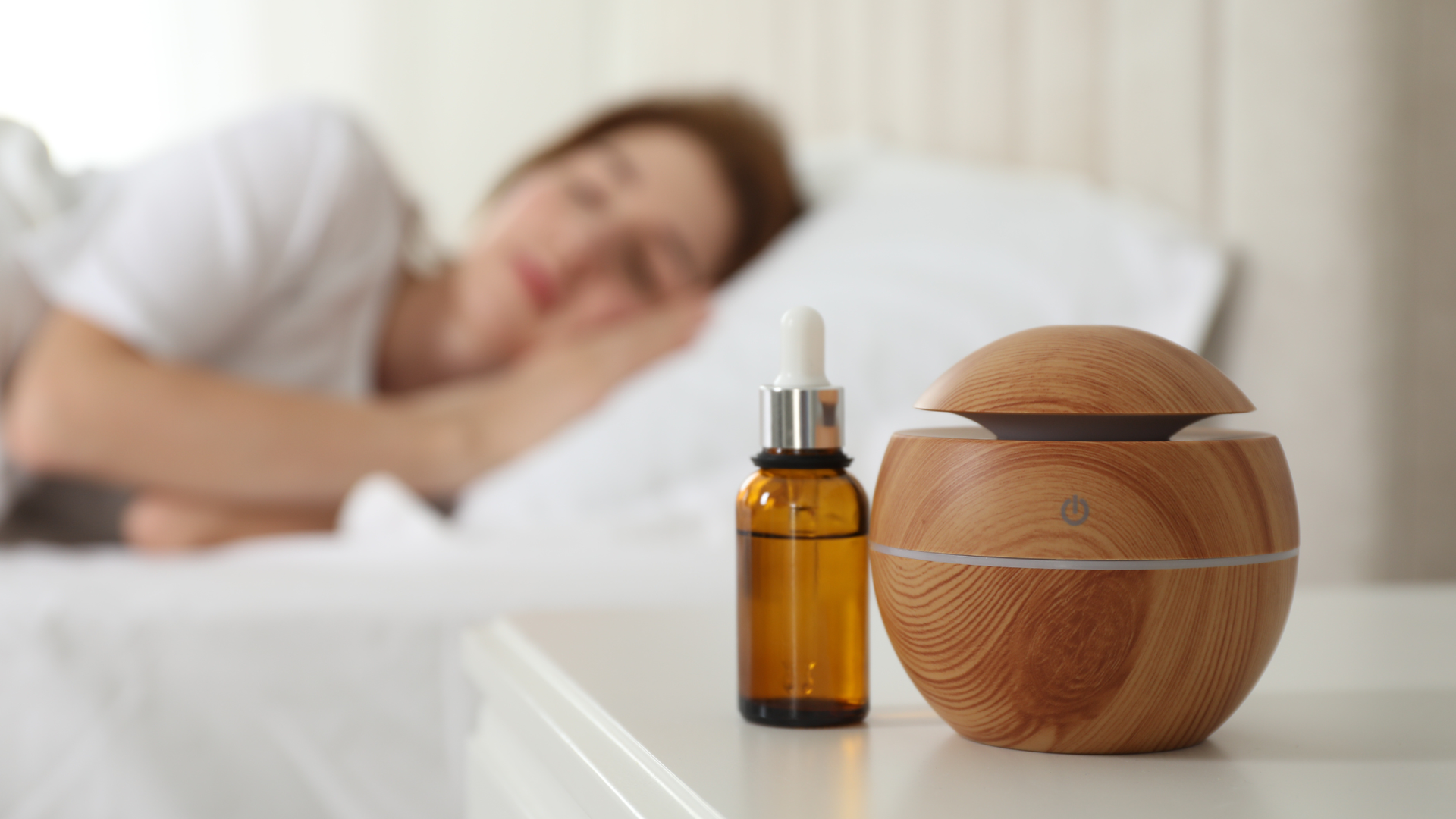
Learn to use essential sleep oils topically or aromatically for a calming bedtime routine. Get practical tips on diffusing, dilution, habit-building.

Unwind overworked joints before bed with a 10-minute essential oil massage. Get dilution tips, techniques, and simple routines for soothing nighttime comfort.
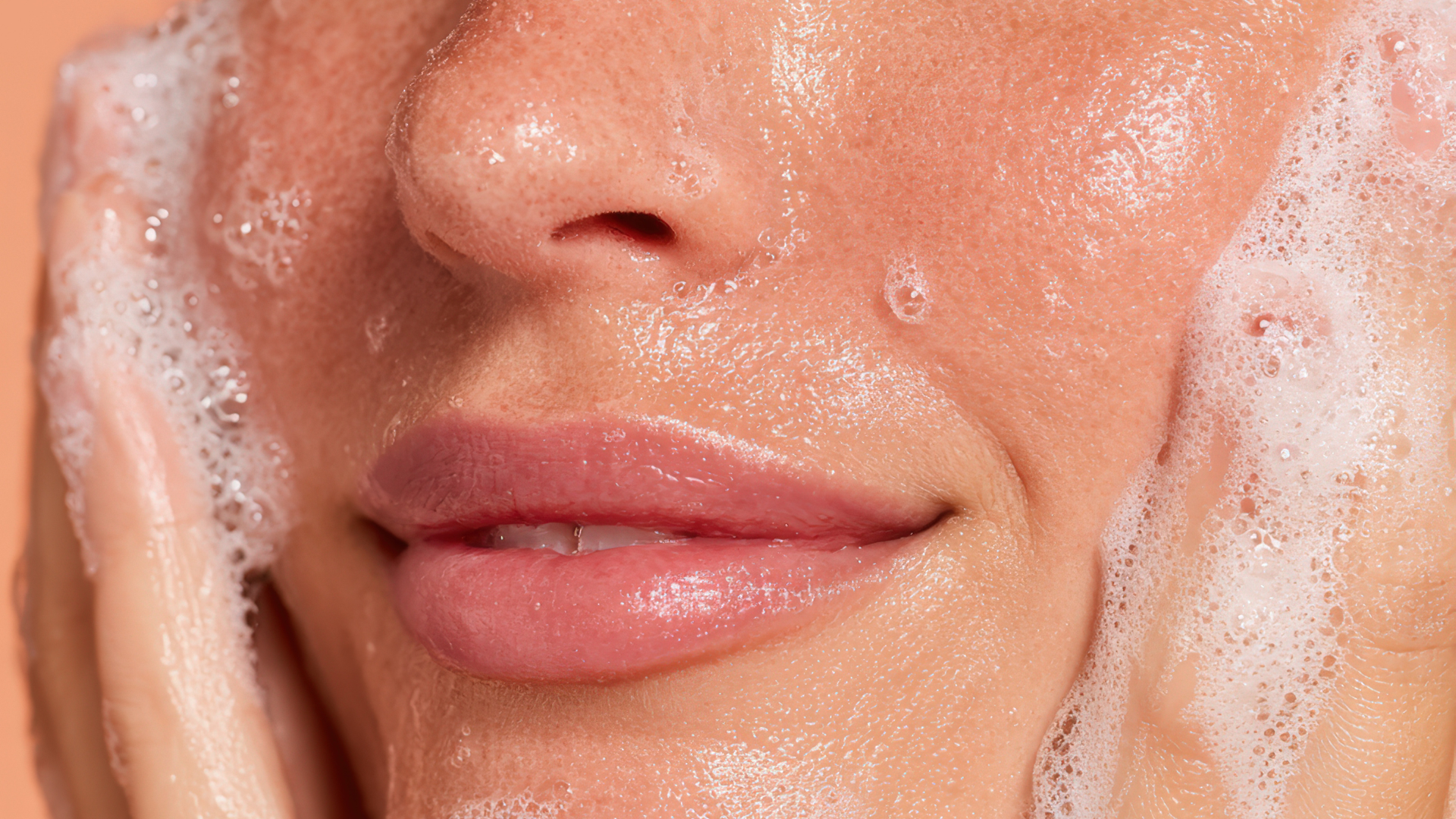
Build a gentle, toxin-free facial care routine with essential oils. Discover safe dilution, patch testing, AM/PM steps and tips for cleaner, healthier skin.

Discover 3 simple essential oil routines to ease work-life stress. Get safety tips and quick scent cues for calm focus and evening wind-downs.
Explore gentle, kid-safe essential oil blends to support your family's cold and flu wellness routines with safe dilution, diffusion tips, and home habits.

Discover a practical monthly menstrual self-care ritual using essential oils, heat, movement, and grounding habits. Safe, realistic tips for comfort and calm.

Kickstart your day with a 10-minute morning ritual using essential oils to support immunity, hydration, hygiene, and stress relief. Simple family tips.