
DIY Aromatherapy Jewelry: Wearable Diffuser Accessories for All-Day Wellness
July 31, 2026
A simple way to keep calm, focused, and refreshed—without carrying a diffuser everywhere
Aromatherapy jewelry (also called wearable diffusers
) lets you enjoy essential oil aromas throughout your day—at work, in the carpool line, at the gym, or while traveling. Instead of running an ultrasonic diffuser at home, you apply a small amount of essential oil to a porous surface (like lava stone or a felt pad) and wear it as a necklace, bracelet, or clip.
For many families across the United States, wearable diffusers fit naturally into a “clean living” routine: you get the comforting ritual of scent while keeping products minimal and portable. Below, you’ll learn how to craft your own aromatherapy jewelry, choose materials, use oils thoughtfully, and keep everything comfortable and skin-safe.
For many families across the United States, wearable diffusers fit naturally into a “clean living” routine: you get the comforting ritual of scent while keeping products minimal and portable. Below, you’ll learn how to craft your own aromatherapy jewelry, choose materials, use oils thoughtfully, and keep everything comfortable and skin-safe.
What is aromatherapy jewelry (and how does it work)?
Aromatherapy jewelry is designed to hold a tiny amount of essential oil so the aroma can evaporate slowly and be inhaled as you move through your day. Most designs fall into three categories:
| Type | How it holds oil | Best for | Skin-contact notes |
|---|---|---|---|
| Lava stone bracelet | Porous beads absorb oil | Everyday wear, subtle aroma | Oil can touch skin—use caution, use less |
| Locket necklace | Felt pad inside locket | Controlled aroma, easy pad changes | Pad can be shielded from skin if locket has backing |
| Keychain / bag clip | Felt, clay, or porous insert | Scent on-the-go without wearing it | Lowest skin-contact risk |
If you’re new to essential oils, a locket or clip is often the easiest starting point because you can control how much oil is used and reduce direct skin contact. Many aromatherapy jewelry guides also recommend choosing designs that prevent oils from soaking onto skin or clothing. ( aromaweb.com)
Before you craft: practical safety basics for wearable diffusers
Essential oils are concentrated botanicals. With wearable diffuser accessories, the most common issue isn’t “too little aroma”—it’s using too much oil
, especially when the oil can contact skin.
Tip that saves a lot of frustration: if you want a stronger “diffuser-like” experience, jewelry may feel subtle. A personal inhaler can be another option for more concentrated aroma without applying oil to a wearable surface that might rub against skin. ( aromaweb.com)
Wearable diffuser safety checklist
Avoid undiluted (“neat”) skin exposure:
Reactions are more likely when oils are used undiluted. NAHA advises avoiding undiluted application and using appropriate dilution when skin exposure is possible. ( naha.org)
Watch sun exposure with citrus oils:
Certain expressed citrus oils can be phototoxic when applied to skin before UV exposure (sun or tanning beds). ( tisserandinstitute.org)
Use fresh oils and store them well:
Oxidized/old oils can increase sensitization risk, particularly with some citrus oils. ( pmc.ncbi.nlm.nih.gov)
Special situations:
If you’re pregnant/nursing, managing asthma, or shopping for kids/teens, choose gentler approaches and consider professional guidance—especially when any skin contact is involved. ( naha.org)
Tip that saves a lot of frustration: if you want a stronger “diffuser-like” experience, jewelry may feel subtle. A personal inhaler can be another option for more concentrated aroma without applying oil to a wearable surface that might rub against skin. ( aromaweb.com)
DIY options: 3 wearable diffuser projects you can make at home
These projects are beginner-friendly and don’t require specialized tools. Choose the one that best matches your lifestyle (and your comfort level with essential oils).
1) Lava stone diffuser bracelet (quick, minimal supplies)
What you’ll need
• Lava stone beads (8–10mm)
• Elastic beading cord
• Scissors + tape (optional)
• Spacer beads (optional)
• Elastic beading cord
• Scissors + tape (optional)
• Spacer beads (optional)
Steps
1) Measure your wrist and cut cord with extra length for knots.
2) String lava beads (and spacers if desired).
3) Tie a secure double knot; add a tiny dab of jewelry glue if you like.
4) Let it sit 10–15 minutes before applying any oil.
2) String lava beads (and spacers if desired).
3) Tie a secure double knot; add a tiny dab of jewelry glue if you like.
4) Let it sit 10–15 minutes before applying any oil.
How to use it without overdoing it
Start with 1 small drop
on 1–2 beads. Let it absorb fully before wearing. If your bracelet sits tightly against skin, use less (or switch to a clip/locket style).
2) Aromatherapy locket necklace (easy to switch aromas)
What you’ll need
• Diffuser locket + chain
• Felt pads (pre-cut or cut your own)
• Optional: tiny scissors to size pads
• Felt pads (pre-cut or cut your own)
• Optional: tiny scissors to size pads
Steps
1) Insert a dry felt pad into the locket.
2) Add 1–2 drops to the pad (not the metal).
3) Close the locket and wait a few minutes before wearing.
4) Swap pads when changing oils to prevent “mixed” scents.
2) Add 1–2 drops to the pad (not the metal).
3) Close the locket and wait a few minutes before wearing.
4) Swap pads when changing oils to prevent “mixed” scents.
Comfort tip
Choose a locket with a solid backing so oil doesn’t wick onto skin or clothing, and avoid oversaturating the pad. ( aromaweb.com)
3) Bag clip or keychain diffuser (best for work, travel, and scent sensitivity)
What you’ll need
• Keychain diffuser (felt/clay insert) or small pouch
• Insert material (felt pad or porous clay bead)
• Insert material (felt pad or porous clay bead)
Steps
1) Add 1–2 drops to the insert.
2) Clip to your bag, gym tote, or car key ring.
3) Refresh as needed (often every 1–3 days depending on oil and climate).
2) Clip to your bag, gym tote, or car key ring.
3) Refresh as needed (often every 1–3 days depending on oil and climate).
This style is also ideal if you’re around kids often—aroma stays personal, and you can remove it anytime.
Oil selection: blends that fit real life (sleep, stress, focus, and fresh-air vibes)
A wearable diffuser works best when you match the aroma to the moment. Instead of chasing a “perfect recipe,” think in simple categories:
If your jewelry might touch skin, be extra mindful with oils known for higher irritation potential and with phototoxic expressed citrus oils. NAHA specifically cautions against photosensitizing oils before sun exposure. ( naha.org)
Try these “use cases”
Calm + steady:
soothing floral/herbal aromas for busy days.
Fresh + clean:
crisp, spa-like aromas for errands, travel, and post-workout.
Focus cue:
bright, clear aromas that signal “work mode.”
Bedtime wind-down:
relaxing aromas—used earlier in the evening if you’re sensitive to scent.
If your jewelry might touch skin, be extra mindful with oils known for higher irritation potential and with phototoxic expressed citrus oils. NAHA specifically cautions against photosensitizing oils before sun exposure. ( naha.org)
DIY oils (and a quick reality check on dilution)
The phrase “DIY oils” can mean two different things:
For wearable diffusers, you typically don’t need a complex formula. If you’re applying oil to a pad/bead that could touch skin, prioritize small amounts and consider a design that shields skin. Many safety guidelines emphasize avoiding undiluted skin application and using dilution when contact is possible. ( naha.org)
• DIY essential oil blends
(combining oils for aroma preferences)
• DIY topical products (roller bottles, perfumes, balms)
• DIY topical products (roller bottles, perfumes, balms)
For wearable diffusers, you typically don’t need a complex formula. If you’re applying oil to a pad/bead that could touch skin, prioritize small amounts and consider a design that shields skin. Many safety guidelines emphasize avoiding undiluted skin application and using dilution when contact is possible. ( naha.org)
Phototoxicity note (especially important in summer months)
Phototoxic reactions are most commonly associated with certain expressed citrus peel oils. If an expressed citrus oil ends up on skin (from an oversaturated bracelet or locket pad), UV exposure can increase the risk of a reaction. Guidance from aromatherapy safety authorities and IFRA-related discussions highlight strict limits for certain oils (for example, bergamot in leave-on products) and the need to avoid sun exposure when using photosensitizing oils topically. ( tisserandinstitute.org)
Make it last: care, cleaning, and “why does my bracelet smell weird?”
Wearable diffusers stay pleasant when you treat them like any other wellness tool—keep them clean, keep oils fresh, and avoid saturating materials.
Quick maintenance tips
• Rotate pads:
If you use a locket, keep a few pads and dedicate one per aroma family (calm, fresh, seasonal).
• Air out lava beads: Let the bracelet sit in a dry area for 24–48 hours between strong oils.
• Store oils correctly: Heat and light can speed oxidation—fresh oils matter because oxidized oils may increase sensitization risk for some people. ( pmc.ncbi.nlm.nih.gov)
• Less is more: If you can smell it easily at arm’s length, it’s probably too much for a wearable diffuser.
• Air out lava beads: Let the bracelet sit in a dry area for 24–48 hours between strong oils.
• Store oils correctly: Heat and light can speed oxidation—fresh oils matter because oxidized oils may increase sensitization risk for some people. ( pmc.ncbi.nlm.nih.gov)
• Less is more: If you can smell it easily at arm’s length, it’s probably too much for a wearable diffuser.
A U.S. “real life” angle: workplace-friendly, school-friendly, travel-ready
Across the United States, many workplaces and schools are more scent-aware than they used to be. Wearable diffusers can still work well when you keep the aroma subtle and personal:
A wearable diffuser should feel supportive—not distracting. If headaches or nausea show up, pause use, get fresh air, and reassess the amount and oil choice.
• For offices:
Use 1 drop on a pad, choose a locket style, and avoid reapplying mid-day in shared spaces.
• For travel: A bag clip diffuser is discreet for flights/hotels. Keep oils capped tightly and consider a small protective pouch.
• For summer outings: Avoid situations where phototoxic oils could transfer to skin before sun exposure. ( naha.org)
• For travel: A bag clip diffuser is discreet for flights/hotels. Keep oils capped tightly and consider a small protective pouch.
• For summer outings: Avoid situations where phototoxic oils could transfer to skin before sun exposure. ( naha.org)
A wearable diffuser should feel supportive—not distracting. If headaches or nausea show up, pause use, get fresh air, and reassess the amount and oil choice.
Explore wearable-friendly wellness favorites with YL Family
If you want help choosing oils for stress support, sleep routines, fresh-air vibes, or family-friendly options, YL Family shares multi-generational guidance for building practical, toxin-conscious habits. When you’re ready, you can browse oils and wellness products here:
Shop YL Family Essentials
Prefer a guided approach? Explore focused collections like Stress & Mood
and Sleep & Rest.
FAQ: DIY aromatherapy jewelry + wearable diffuser accessories
How many drops should I use on aromatherapy jewelry?
Start with 1 drop (especially for bracelets). For lockets, 1–2 drops is usually enough. Oversaturating increases the chance of oil touching skin or staining clothing, and many aromatherapy jewelry guides recommend keeping the pad lightly scented rather than soaked. ( aromaweb.com)
Can essential oils burn or irritate my skin if I wear a diffuser bracelet?
They can, especially if oil transfers onto skin or if you’re sensitive to a particular oil. General aromatherapy safety guidance recommends avoiding undiluted skin application and being cautious with known irritants or inflamed skin. If irritation occurs, discontinue use and wash the area with mild soap and plenty of water. ( naha.org)
Are citrus oils okay for wearable diffusers?
Citrus aromas can be uplifting, but some expressed citrus oils are associated with phototoxicity when applied to skin before UV exposure. If there’s any chance the oil will touch skin (bracelets are the usual culprit), choose extra caution: use minimal drops, keep jewelry off sun-exposed skin, and consider non-skin-contact options like bag clips. ( tisserandinstitute.org)
How long does the scent last?
It depends on the oil, how porous the material is, and your climate. Many people refresh every day or two, but some aromas can linger longer on lava beads. If you can’t smell it, you don’t need to “flood it”—a small refresh is typically enough.
Is aromatherapy jewelry safe for kids and teens?
Many families use gentle approaches, but kids can be more sensitive. Consider clip-on options (less skin contact), use very small amounts, and avoid strong or irritating oils. If your child has asthma, allergies, or a history of skin sensitivity, check with a qualified clinician for individualized guidance. ( naha.org)
Glossary (helpful terms for DIY wearable diffusers)
Carrier oil
A plant-based oil (like jojoba or fractionated coconut oil) used to dilute essential oils for safer skin application.
Dilution
Reducing essential oil concentration—usually by mixing with a carrier—to lower the risk of irritation or sensitization when skin contact is possible. ( naha.org)
Phototoxicity
A skin reaction that can occur when certain oils (often expressed citrus oils) are on the skin and then exposed to UV light. ( tisserandinstitute.org)
Sensitization
A process where repeated exposure increases the likelihood of developing an allergic-type skin response to an oil—sometimes more likely with oxidized/older oils. ( pmc.ncbi.nlm.nih.gov)
Educational content only. Essential oils are not intended to diagnose, treat, cure, or prevent disease. If you have a medical condition, are pregnant/nursing, or are seeking guidance for children, consult a qualified healthcare professional.

Discover teen-friendly bedtime routines with gentle essential oils for 8–10 hours of sleep. Try simple wind-down steps for calmer nights and rested mornings.
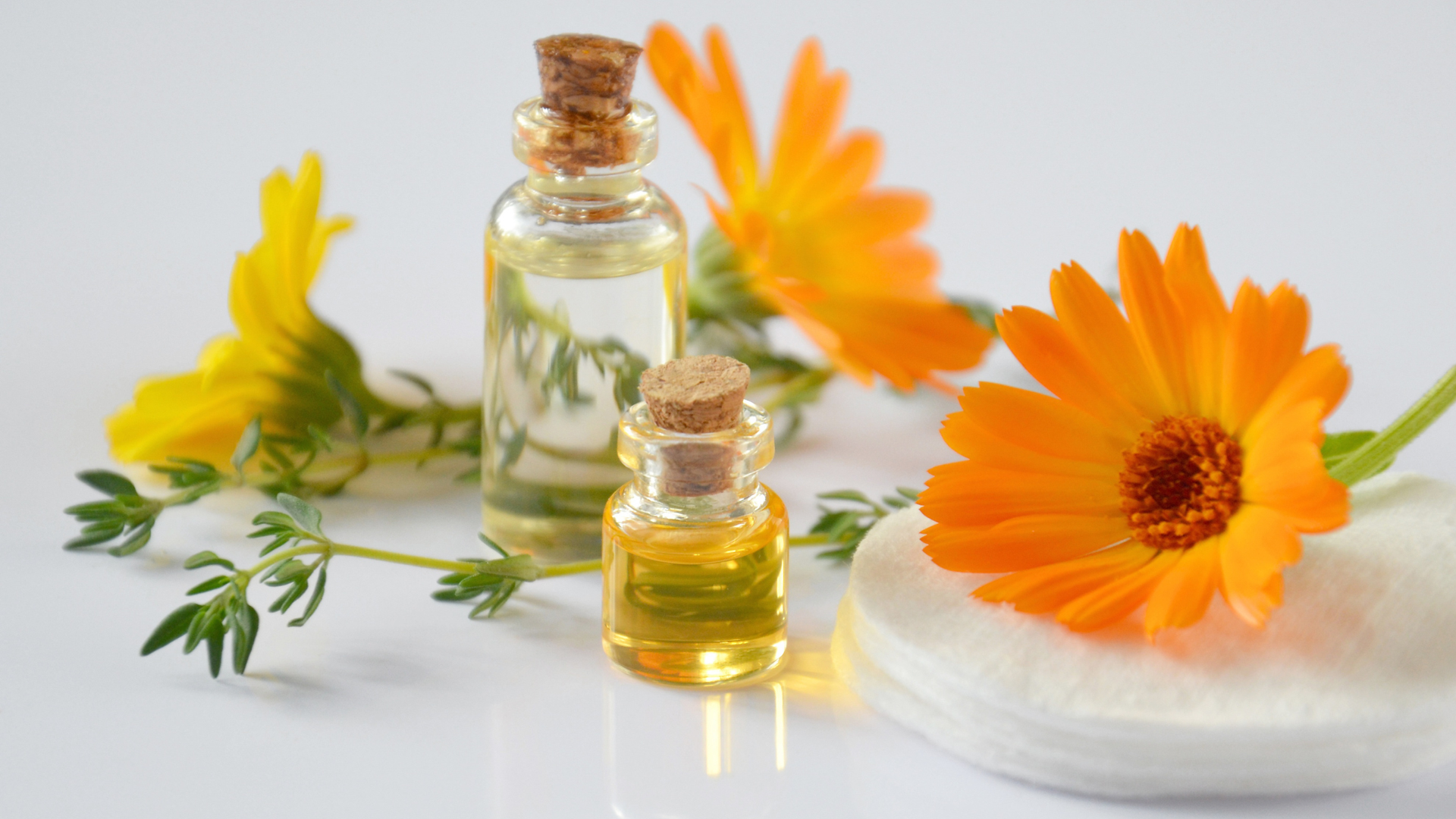
Learn essential oil safety & dilution basics with practical tips. Discover phototoxicity warnings, dilution ratios, and beginner routines for confident, safe use.
Learn to make eco-friendly DIY cleaning tablets with baking soda, citric acid & essential oils for effective, low-toxin home cleaning and reduced plastic waste.
Learn to use essential sleep oils topically or aromatically for a calming bedtime routine. Get practical tips on diffusing, dilution, habit-building.
Unwind overworked joints before bed with a 10-minute essential oil massage. Get dilution tips, techniques, and simple routines for soothing nighttime comfort.
Build a gentle, toxin-free facial care routine with essential oils. Discover safe dilution, patch testing, AM/PM steps and tips for cleaner, healthier skin.

Discover 3 simple essential oil routines to ease work-life stress. Get safety tips and quick scent cues for calm focus and evening wind-downs.
Explore gentle, kid-safe essential oil blends to support your family's cold and flu wellness routines with safe dilution, diffusion tips, and home habits.
Discover a practical monthly menstrual self-care ritual using essential oils, heat, movement, and grounding habits. Safe, realistic tips for comfort and calm.

Kickstart your day with a 10-minute morning ritual using essential oils to support immunity, hydration, hygiene, and stress relief. Simple family tips.