
Integrating Essential Oils into Your Daily Digestive Routine: Tips for Lasting Comfort
August 1, 2026
A steady, supportive rhythm for your gut—without overcomplicating your day
Digestive comfort is rarely about one “magic fix.” For many people, it’s the result of small, consistent habits—hydration, mindful meals, movement, stress support, and a home environment that reduces everyday irritants. Essential oils can fit into that bigger picture as a simple, sensory cue that helps you stay consistent with the routines that matter most.
At YL Family , we’re big believers in practical wellness: easy-to-follow steps you can repeat daily, plus education so you can choose what’s appropriate for your body and your household. Below is a digestible (pun intended) way to build a daily oil routine that supports gut comfort and complements hormone harmony—especially for busy families and wellness-minded adults across the United States.
At YL Family , we’re big believers in practical wellness: easy-to-follow steps you can repeat daily, plus education so you can choose what’s appropriate for your body and your household. Below is a digestible (pun intended) way to build a daily oil routine that supports gut comfort and complements hormone harmony—especially for busy families and wellness-minded adults across the United States.
First, a quick reality check: what essential oils can (and can’t) do
Essential oils are concentrated plant extracts often used for aromatherapy and topical routines. Many people use them as part of a calming morning or evening ritual, to create a soothing environment during meals, or to support relaxation when stress is “talking” through the gut.
It’s also important to be careful with claims and safety. In the U.S., products marketed with drug-like claims fall into different regulatory categories, and “natural” does not automatically mean “risk-free.” Use oils thoughtfully, follow label directions, and keep them out of reach of children. If you’re pregnant, nursing, managing a chronic condition, or taking medications, it’s wise to consult a qualified clinician. (As a general safety reminder, the FDA notes that essential oils and aromatherapy products aren’t automatically proven safe or effective for medical treatment simply because they’re natural.)
It’s also important to be careful with claims and safety. In the U.S., products marketed with drug-like claims fall into different regulatory categories, and “natural” does not automatically mean “risk-free.” Use oils thoughtfully, follow label directions, and keep them out of reach of children. If you’re pregnant, nursing, managing a chronic condition, or taking medications, it’s wise to consult a qualified clinician. (As a general safety reminder, the FDA notes that essential oils and aromatherapy products aren’t automatically proven safe or effective for medical treatment simply because they’re natural.)
Safety “non-negotiables” for a daily oil routine
• Diffuse in intervals
(not continuously all day): aim for short sessions (e.g., 15–30 minutes), then take a break. Keep spaces ventilated.
• Topical use = dilute with a carrier oil unless a product is specifically labeled as pre-diluted/ready-to-apply.
• Avoid eyes, inner ears, and sensitive areas. Wash hands after applying.
• Patch test first if you have sensitive skin.
• Never force exposure (especially for kids, older adults, and pets). If someone dislikes a scent or feels off, stop and reassess.
• Topical use = dilute with a carrier oil unless a product is specifically labeled as pre-diluted/ready-to-apply.
• Avoid eyes, inner ears, and sensitive areas. Wash hands after applying.
• Patch test first if you have sensitive skin.
• Never force exposure (especially for kids, older adults, and pets). If someone dislikes a scent or feels off, stop and reassess.
How digestion and hormones can overlap (and why routines help)
Your gut and your hormones are in constant conversation. Stress hormones can influence motility and sensitivity; sleep impacts appetite signaling; and day-to-day inflammation, hydration, and meal timing can shift how you feel after eating. That’s why a daily oil routine
works best when it’s tied to anchor habits you already do: waking up, meals, a mid-afternoon reset, and bedtime.
Think of essential oils as a habit cue : the scent becomes a reminder to sip water, slow down at meals, take a five-minute walk, or do a calming breath practice.
Think of essential oils as a habit cue : the scent becomes a reminder to sip water, slow down at meals, take a five-minute walk, or do a calming breath practice.
| Daily moment | What your body often needs | Essential-oil-friendly support |
|---|---|---|
| Morning | Hydration, gentle “wake-up,” steady energy | Bright diffusion + a simple hydration ritual |
| Mealtimes | Calm nervous system, slower eating pace | Soft diffusion; mindful breathing before first bite |
| Afternoon | Stress reset; reduce “wired + tired” snacking | Grounding aroma + a 3–5 minute reset practice |
| Evening | Downshift; support sleep quality | Calming diffusion; bedtime routine consistency |
Step-by-step: a practical daily routine for gut comfort
This routine is designed for consistency, not perfection. Pick one step per time block
and build from there.
1) Morning (5 minutes): “Hydrate + brighten”
Do:
Start with water before coffee. Pair it with a short diffusion session to set the tone for the day.
Why it helps: Hydration supports regularity and reduces the “dry stress” feeling that can make digestion feel sluggish.
Tip: Put your diffuser near the kitchen (out of reach of kids) so it becomes a built-in reminder.
Why it helps: Hydration supports regularity and reduces the “dry stress” feeling that can make digestion feel sluggish.
Tip: Put your diffuser near the kitchen (out of reach of kids) so it becomes a built-in reminder.
2) Before meals (60 seconds): “Downshift your nervous system”
Do:
Pause before your first bite. Inhale slowly (gentle aroma from diffusion or a personal inhaler), then do 3 slow breaths.
Why it helps: Many people notice more comfort when they eat slower and calmer. Even a one-minute reset can change meal pace and portion awareness.
Make it easy: Choose one meal per day to practice this—usually dinner.
Why it helps: Many people notice more comfort when they eat slower and calmer. Even a one-minute reset can change meal pace and portion awareness.
Make it easy: Choose one meal per day to practice this—usually dinner.
3) After meals (10 minutes): “Gentle movement + comfort support”
Do:
Take a short walk, do light stretching, or try a simple mobility flow. If you like topical routines, consider a diluted abdominal massage (clockwise, gentle pressure).
Why it helps: Post-meal movement supports normal motility and reduces the “heavy” feeling that can show up after sitting right away.
Pro move: Tie this to a habit you already have (walking the dog, cleaning the kitchen, evening family time).
Why it helps: Post-meal movement supports normal motility and reduces the “heavy” feeling that can show up after sitting right away.
Pro move: Tie this to a habit you already have (walking the dog, cleaning the kitchen, evening family time).
Evidence note:
Research has found some evidence
that peppermint oil capsules (especially enteric-coated forms) may help symptoms of irritable bowel syndrome in the short term. This is different from applying peppermint essential oil topically or diffusing it, but it’s a helpful reminder: digestion support is nuanced, and form matters. If you’re considering supplements, talk with a clinician and follow product-specific directions.
4) Afternoon (3 minutes): “Stress reset for the gut”
Do:
Set a calendar reminder for a quick reset: stand up, roll shoulders, inhale a calming scent, and do 4–6 slow breaths.
Why it helps: Stress is one of the most common triggers for digestive discomfort. You’re not “imagining it”—the gut and brain are closely connected.
Keep it realistic: If your day is packed, do this in the car (parked), in the bathroom, or while waiting for water to boil.
Why it helps: Stress is one of the most common triggers for digestive discomfort. You’re not “imagining it”—the gut and brain are closely connected.
Keep it realistic: If your day is packed, do this in the car (parked), in the bathroom, or while waiting for water to boil.
5) Evening (15–30 minutes): “Create a sleep-friendly wind-down”
Do:
Diffuse calming scents in the living room or bedroom for a short period while you dim lights and reduce screens.
Why it helps: Sleep supports appetite signals, stress regulation, and gut rhythm. When sleep is off, many people feel it in digestion the next day.
Family-friendly tweak: Keep the routine predictable—kids and teens often respond well to consistent sensory cues.
Why it helps: Sleep supports appetite signals, stress regulation, and gut rhythm. When sleep is off, many people feel it in digestion the next day.
Family-friendly tweak: Keep the routine predictable—kids and teens often respond well to consistent sensory cues.
Common mistakes that can sabotage a “gut comfort” oil routine
1) Doing too much, too soon.
If your routine requires 6 steps, it won’t survive a busy week. Start with one anchor habit (morning or bedtime).
2) Confusing “stronger” with “better.”
Over-diffusing can cause headaches or irritation. Short, consistent exposure often works better than an all-day blast.
3) Skipping the basics.
Oils can’t replace hydration, fiber tolerance, balanced meals, and movement. Use oils to support the habits, not replace them.
4) Ignoring personal triggers.
If a scent makes you feel nauseated, overstimulated, or “off,” honor that. Your nervous system is giving feedback.
A United States–friendly approach: routines that work in real homes
Across the United States, busy schedules and quick meals can make digestive routines feel hard to maintain. The goal is to build “set points” you can keep even when life is loud:
• Kitchen routine: Diffuse for 15 minutes while prepping dinner (then turn it off). Pair with a glass of water and slower plating.
• Desk routine: A 3-minute midday reset to reduce stress-eating and support steadier energy.
• Bedtime routine: A short wind-down diffusion session while you read, stretch, or prep for the next day.
If you travel often, create a “portable routine” that doesn’t rely on a perfect environment: a consistent breathing practice + a familiar scent can help your body recognize the cue for calm—especially during schedule changes.
• Kitchen routine: Diffuse for 15 minutes while prepping dinner (then turn it off). Pair with a glass of water and slower plating.
• Desk routine: A 3-minute midday reset to reduce stress-eating and support steadier energy.
• Bedtime routine: A short wind-down diffusion session while you read, stretch, or prep for the next day.
If you travel often, create a “portable routine” that doesn’t rely on a perfect environment: a consistent breathing practice + a familiar scent can help your body recognize the cue for calm—especially during schedule changes.
Shop supportive wellness essentials with YL Family
If you’re ready to build a simple, sustainable routine—whether you’re brand new to oils or refining what already works—YL Family can help you choose options that match your goals and your household.
Helpful collections (internal)
Movement supports digestion, too
Gentle movement after meals can be a game-changer. If you like structured guidance, explore:
• Stretch & Tone Workout
• Functional Strength Training
• Total Body Pilates Sculpt
• Stretch & Tone Workout
• Functional Strength Training
• Total Body Pilates Sculpt
Ready to start your daily oil routine for gut comfort?
Shop curated wellness products and build your routine at your own pace.
Shop curated wellness products and build your routine at your own pace.
FAQ: Essential oils, digestion, and daily routines
How long does it take to notice a difference with a daily oil routine?
Many people notice changes quickly in mood, relaxation, or sleep cues because scent is immediate. Digestive comfort tends to improve when the routine helps you stay consistent with basics (hydration, meal pace, movement, stress reduction). Give your routine 2–4 weeks of steady practice before judging it.
Are “digestive essential oils” the same as peppermint oil capsules for IBS?
Not necessarily. Research often discusses enteric-coated peppermint oil capsules
for IBS symptoms. Diffusing peppermint essential oil or using it topically is a different approach and is not the same as using a standardized oral capsule product.
Can I use essential oils every day?
Many people do, especially with short diffusion sessions and proper topical dilution. Rotate scents, use breaks, and pay attention to sensitivity. If you get headaches, throat irritation, or nausea, reduce intensity and frequency.
What’s the best time of day to support gut comfort?
Most people benefit most from routines tied to meals
(slowing down before eating) and evening wind-down
(supporting sleep and stress recovery). If you can only pick one, start with the one you’ll actually repeat.
When should I talk to a clinician instead of trying another home routine?
If you have persistent digestive symptoms, unexplained weight loss, blood in stool, severe pain, ongoing vomiting, or symptoms that disrupt daily life, get medical guidance. Essential oils can be part of a supportive routine, but they shouldn’t delay care when red flags are present.
Glossary (quick, plain-English)
Aromatherapy
The use of scents (often essential oils) to support mood, relaxation, and wellbeing through inhalation.
Carrier oil
A neutral oil used to dilute essential oils for skin application (helpful for reducing irritation).
Enteric-coated capsule
A capsule designed to pass through the stomach before dissolving in the intestines—often used to reduce stomach upset or reflux from certain ingredients (including peppermint oil in some IBS studies).
Gut-brain connection
The two-way communication between your digestive system and nervous system. Stress and emotions can influence digestion, and digestive discomfort can affect mood.

Discover teen-friendly bedtime routines with gentle essential oils for 8–10 hours of sleep. Try simple wind-down steps for calmer nights and rested mornings.
Learn essential oil safety & dilution basics with practical tips. Discover phototoxicity warnings, dilution ratios, and beginner routines for confident, safe use.

Learn to make eco-friendly DIY cleaning tablets with baking soda, citric acid & essential oils for effective, low-toxin home cleaning and reduced plastic waste.
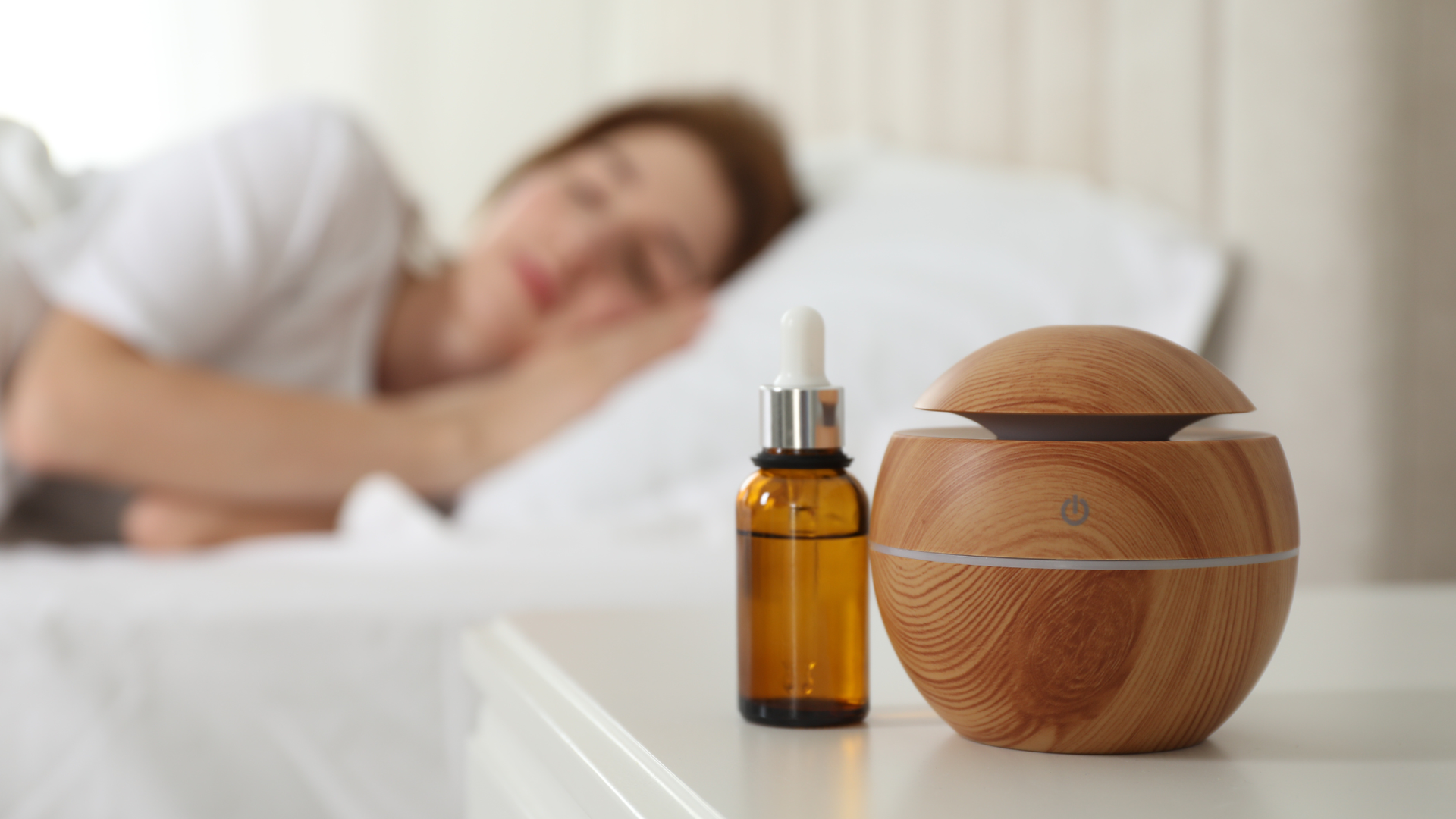
Learn to use essential sleep oils topically or aromatically for a calming bedtime routine. Get practical tips on diffusing, dilution, habit-building.

Unwind overworked joints before bed with a 10-minute essential oil massage. Get dilution tips, techniques, and simple routines for soothing nighttime comfort.

Build a gentle, toxin-free facial care routine with essential oils. Discover safe dilution, patch testing, AM/PM steps and tips for cleaner, healthier skin.

Discover 3 simple essential oil routines to ease work-life stress. Get safety tips and quick scent cues for calm focus and evening wind-downs.
Explore gentle, kid-safe essential oil blends to support your family's cold and flu wellness routines with safe dilution, diffusion tips, and home habits.

Discover a practical monthly menstrual self-care ritual using essential oils, heat, movement, and grounding habits. Safe, realistic tips for comfort and calm.

Kickstart your day with a 10-minute morning ritual using essential oils to support immunity, hydration, hygiene, and stress relief. Simple family tips.