
Essential Oils for Mold Prevention: Natural Strategies for a Healthier Home
July 21, 2026
Breathe easier with a mold-resistant, low-toxin home routine
Mold prevention is less about “one magic spray” and more about daily habits that keep moisture under control. Essential oils can be a helpful add-on—especially for freshening the air, supporting a cleaner-smelling space, and complementing your cleaning routine—but the real foundation is controlling dampness, drying wet materials quickly, and fixing leaks. Public health guidance is clear: if mold is growing, you clean it up and address the moisture source so it doesn’t return.
Why mold happens (and why it keeps coming back)
Mold spores are everywhere—indoors and outdoors—so prevention is really about removing the conditions mold needs to grow: water
, time
, and something to feed on
(like drywall paper, wood, dust, fabrics, or grout). Health agencies emphasize that any mold growth in a building signals a moisture problem that should be corrected. Keeping indoor humidity controlled and drying wet areas promptly are two of the biggest “wins” for long-term prevention.
Humidity target:
Aim to keep indoor humidity no higher than 50%
to reduce mold risk, especially in bathrooms, basements, and laundry areas. A simple hygrometer can help you monitor levels.
Where essential oils fit into mold prevention (realistic, helpful, and safe)
Many essential oils contain natural compounds that show antifungal activity in lab settings
(notably oils rich in compounds like thymol, carvacrol, and eugenol). Reviews of the scientific literature often highlight oils such as tea tree
, thyme
, oregano
, and clove
as having antifungal potential in controlled studies. That said, home “mold prevention” still depends on moisture control and proper cleaning—essential oils are best used as a supportive layer, not a substitute for fixing a leak or addressing damp building materials.
Important:
If you have a large area of visible mold, recurring water intrusion, or anyone in the home has asthma/allergies that flare around musty odors, consider professional guidance. Also, never ingest essential oils unless under qualified supervision, and use extra caution around kids, pets, and pregnancy.
Step-by-step: a practical mold-prevention routine for real homes
1) Control moisture first (the non-negotiable)
- Use bath fans during showers and run them for 20–30 minutes afterward.
- Fix leaks quickly (under sinks, behind toilets, around windows, rooflines).
- Keep humidity at or below 50%—use a dehumidifier in basements and during humid seasons.
- Dry wet materials promptly; mold can begin growing when materials stay wet.
2) Clean with a “remove first, then refresh” mindset
Mold prevention works best when you regularly remove what mold feeds on: dust, soap scum, skin cells, and damp debris. Use soap/detergent and water on washable surfaces, then dry thoroughly. Public health guidance notes that common household cleaners (including bleach or detergent in appropriate situations) may be used for mold cleanup, but the key is still cleaning and drying
plus correcting moisture.
3) Use essential oils as a “support tool” in targeted ways
Here are mold-prevention-friendly uses that are simple and realistic:
- Diffusing for fresh air perception: Helpful in damp seasons for a cleaner-smelling home—especially after cooking, laundry, or rainy days. (Still: ventilation and humidity control do the heavy lifting.)
- DIY “freshen” spray for non-porous surfaces: A light mist on sinks, shower doors, trash can lids, and doorknobs can support your routine. Always spot test and avoid natural stone.
- Laundry refresh: If towels get musty, focus on washing/drying thoroughly; an oil-based “scent boost” is optional and should be used cautiously (oils are concentrated and can irritate skin if overused).
Safety checklist for essential oil use:
- Keep oils away from eyes and mucous membranes; wash hands after handling.
- Avoid applying undiluted oils to skin; dilution matters.
- Use lower diffusion time in smaller rooms; ventilate afterward.
- Keep oils out of reach of children and pets; consult a clinician if you have respiratory sensitivities.
Quick comparison table: what works best for prevention?
| Strategy | Best for | Limitations | Frequency |
|---|---|---|---|
| Humidity control (fans/dehumidifier) | Prevention at the source | Requires consistent monitoring and maintenance | Daily/seasonal |
| Routine cleaning + thorough drying | Bathrooms, kitchens, laundry rooms | Doesn’t help if leaks/condensation continue | Weekly |
| Essential oils (diffusion / light freshening) | Supporting a low-toxin routine and fresh-air feel | Not a fix for hidden mold or water intrusion | As needed |
| Repair work (leaks, insulation, ventilation upgrades) | Recurring musty smells, chronic dampness | May require contractors and budget | As needed |
Tip: If you’re choosing just one tool to start, pick a humidity monitor
. Knowing your baseline makes every other decision easier.
A U.S. home checklist: common “mold zones” to watch
Across the United States, mold issues tend to show up in the same places—especially where humidity spikes or airflow is poor:
- Bathrooms: grout, shower curtains, under-sink cabinets, fan housings
- Kitchens: under sinks, dishwasher edges, refrigerator drip trays
- Basements/crawl spaces: rim joists, cardboard storage, carpet, foundation corners
- Laundry rooms: behind washers, around dryer vents, damp baskets/towels
A simple weekly rhythm:
10 minutes to wipe + 10 minutes to dry/air out can reduce the “musty cycle” dramatically—especially in summer humidity or rainy seasons.
Shop supportive wellness tools (oils, home products, and more)
If you’re building a cleaner home routine—air freshening, stress-soothing aromas while you clean, or simply wanting to reduce “synthetic fragrance load”—YL Family can help you choose options that fit your household and comfort level.
Ready to stock your home with simple, trusted essentials?
Prefer guidance first? Visit the contact page
and share what you’re noticing (musty odors, condensation, damp towels, basement humidity).
FAQ: Essential oils, air purification, and mold prevention
Can essential oils prevent mold by themselves?
No. Mold prevention depends on moisture control—fixing leaks, reducing humidity, improving ventilation, and drying wet materials. Essential oils can support your routine, but they aren’t a replacement for addressing water problems.
Which essential oils are most associated with antifungal properties?
Research reviews commonly discuss tea tree, thyme, oregano, and clove oils for antifungal activity in lab studies. For home use, think of these as “supportive,” and focus on safe handling and proper dilution.
Is diffusing essential oils the same as air purification?
Not exactly. Diffusing changes how the air smells and can support a calm, fresh atmosphere. True air-quality improvements come from ventilation, filtration (where appropriate), and controlling humidity and moisture sources.
If I see mold on drywall or a ceiling, should I just spray it?
Spraying alone is rarely enough. Drywall and other porous materials can hold moisture and contamination. If there’s recurring discoloration, soft spots, or a persistent musty smell, you may need to locate and fix the moisture source and replace affected materials.
What’s the fastest way to lower mold risk after a spill or leak?
Act quickly: remove standing water, increase airflow, run fans/dehumidifiers, and dry materials thoroughly. The faster a space dries, the less opportunity mold has to take hold.
Glossary
Humidity
The amount of water vapor in the air. High indoor humidity increases mold risk, especially in closed-up rooms.
Porous vs. non-porous surfaces
Porous materials (drywall, fabrics, unfinished wood) absorb moisture; non-porous surfaces (glass, sealed tile, metal) don’t. Porous materials can be harder to fully remediate if mold growth is established.
Antifungal (in vitro)
Describes activity against fungi in laboratory testing. In-vitro results don’t automatically translate to real-world mold prevention in building materials.
Musty odor
A damp, earthy smell that can indicate excess moisture and possible microbial growth. It’s a helpful “early warning,” even before visible spots appear.

Discover teen-friendly bedtime routines with gentle essential oils for 8–10 hours of sleep. Try simple wind-down steps for calmer nights and rested mornings.

Learn essential oil safety & dilution basics with practical tips. Discover phototoxicity warnings, dilution ratios, and beginner routines for confident, safe use.
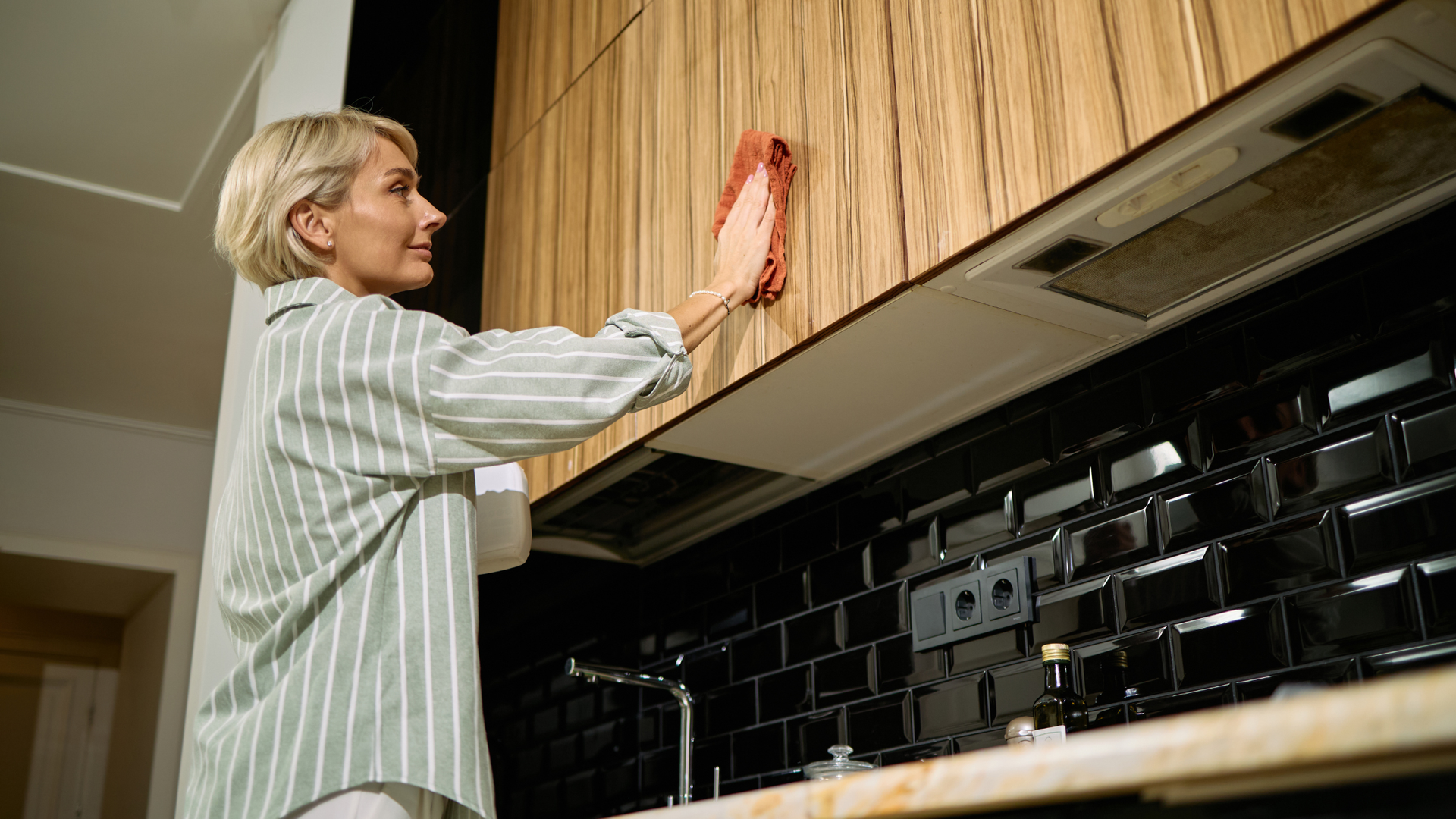
Learn to make eco-friendly DIY cleaning tablets with baking soda, citric acid & essential oils for effective, low-toxin home cleaning and reduced plastic waste.
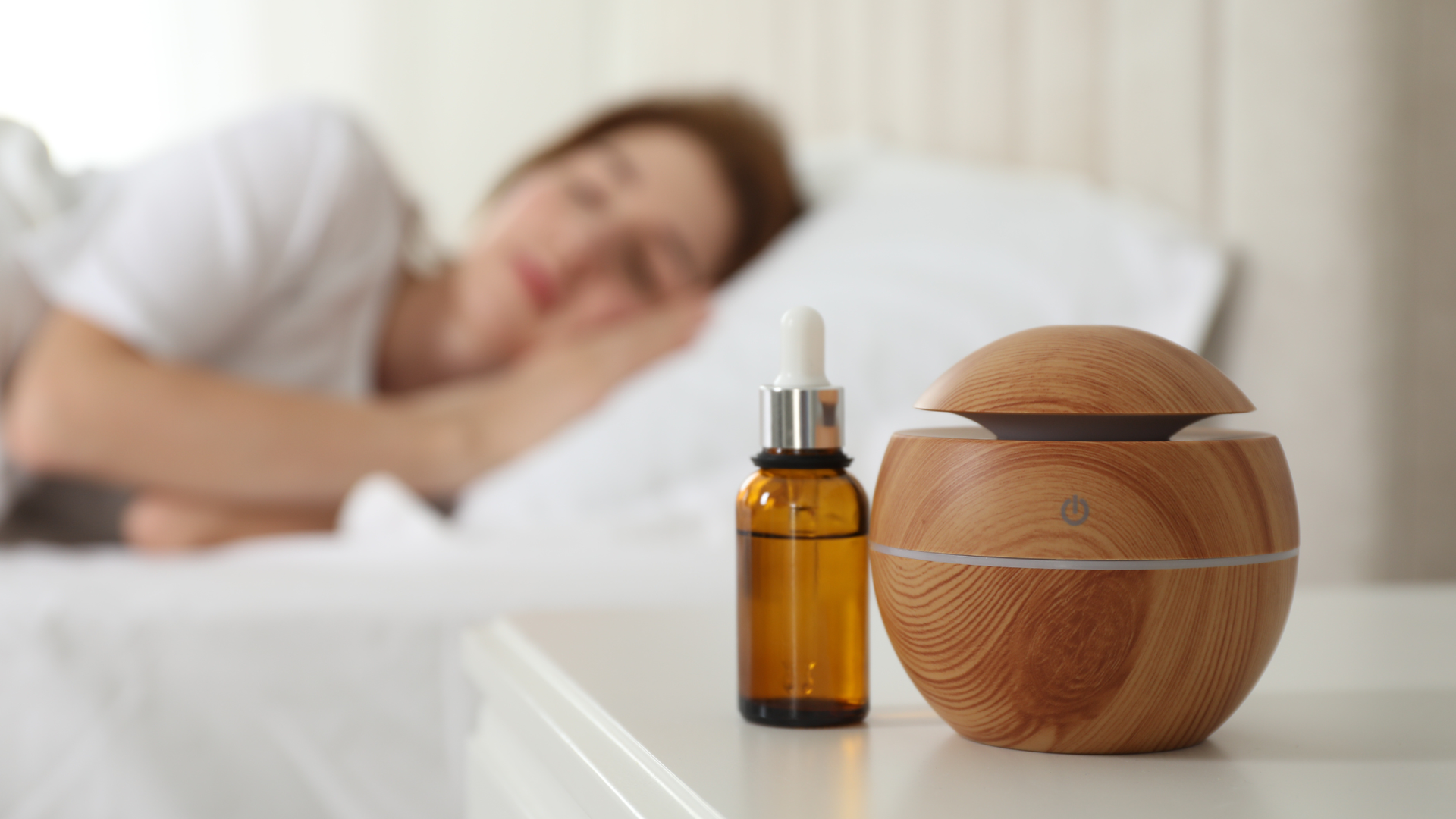
Learn to use essential sleep oils topically or aromatically for a calming bedtime routine. Get practical tips on diffusing, dilution, habit-building.

Unwind overworked joints before bed with a 10-minute essential oil massage. Get dilution tips, techniques, and simple routines for soothing nighttime comfort.
Build a gentle, toxin-free facial care routine with essential oils. Discover safe dilution, patch testing, AM/PM steps and tips for cleaner, healthier skin.

Discover 3 simple essential oil routines to ease work-life stress. Get safety tips and quick scent cues for calm focus and evening wind-downs.
Explore gentle, kid-safe essential oil blends to support your family's cold and flu wellness routines with safe dilution, diffusion tips, and home habits.

Discover a practical monthly menstrual self-care ritual using essential oils, heat, movement, and grounding habits. Safe, realistic tips for comfort and calm.

Kickstart your day with a 10-minute morning ritual using essential oils to support immunity, hydration, hygiene, and stress relief. Simple family tips.