
Evening Wind-Down Rituals: Essential Oils to Unplug and Relax on Summer Evenings
June 30, 2026
A calmer night starts with a repeatable routine (not perfection)
Summer evenings can feel like a second “day” tacked onto the first—late sunsets, packed family calendars, and that temptation to keep scrolling because you finally have a quiet moment. The good news: your wind-down doesn’t have to be complicated to be effective. A simple, consistent evening ritual signals to your brain and body that it’s safe to shift gears.
At YL Family , we love routines that blend practical sleep hygiene with gentle, sensory support—like essential oils used in a diffuser, a warm shower, or a soothing foot massage. Think of oils as one helpful layer in a bigger plan: light, temperature, habits, and timing matter too.
At YL Family , we love routines that blend practical sleep hygiene with gentle, sensory support—like essential oils used in a diffuser, a warm shower, or a soothing foot massage. Think of oils as one helpful layer in a bigger plan: light, temperature, habits, and timing matter too.
Why summer evenings can make “unplugging” harder
Longer daylight can delay melatonin release and push bedtimes later than you intend. Add travel, backyard gatherings, sports schedules, or simply more time outdoors, and you may notice:
Building an evening ritual
creates a dependable off-ramp—especially when your days are unpredictable.
• A “tired but wired” feeling after busy days
• More screen time once the house gets quiet
• Later dinners or desserts that sit heavy
• Warmer bedrooms that make falling asleep tougher
The “3-Part Wind-Down”: Body, Space, Mind
A great unplug routine
supports three things:
| Part of the ritual | Goal | Easy examples |
|---|---|---|
| Body | Turn down physical tension | Warm shower, gentle stretching, foot soak, magnesium lotion (if you use it) |
| Space | Make the room feel “sleep-ready” | Dim lights, cool bedroom, diffuser for a short window, put chargers outside the room |
| Mind | Reduce mental noise | Brain-dump journal, 5-minute breathing, light reading, gratitude list |
These pieces work together. Essential oils fit best in the Body
and Space
parts—supporting relaxation through scent association and a calmer environment.
Relaxation oils that pair well with an evening ritual
Research on aromatherapy and sleep is mixed, but lavender is among the most studied oils for sleep support, and multiple reviews suggest potential benefits for sleep quality in adults when used as inhaled aromatherapy. (If you’re sensitive to scent, go lighter—not stronger.) ( journals.sagepub.com)
Here are popular options for a summer wind-down—calming, not heavy:
Here are popular options for a summer wind-down—calming, not heavy:
• Lavender
— Classic bedtime staple. Great in a diffuser for a short window, or used in a diluted topical blend for neck/shoulders.
• Bergamot
— Bright, citrusy, and often used for stress support. Note: some citrus oils can be phototoxic on skin; if you use citrus topically, follow label guidance and avoid sun/UV exposure on applied areas. ( en.wikipedia.org)
• Chamomile (Roman or German)
— Traditionally associated with soothing, comforting routines (think: the “tea” vibe, but as aroma). Ideal for gentler, family-friendly bedtime cues.
• Neroli / Citrus aurantium (orange blossom)
— Used in some studies for calming contexts. ( pubmed.ncbi.nlm.nih.gov)
Safety note (important):
Essential oils are concentrated. Diffuse in a well-ventilated room, avoid direct contact with eyes, and dilute properly for topical use. For kids, pregnancy, nursing, asthma, pets, or complex medical situations, get personalized guidance from a qualified clinician and follow product-specific directions.
A simple evening ritual you can repeat (20–45 minutes)
If you want your evening ritual
to stick, keep it repeatable. Here’s a structure many families love:
Step 1: “Close the kitchen” cue (5 minutes)
Finish snacks, sip water, and switch to lower stimulation. If you can, avoid heavy meals and alcohol close to bedtime. ( medbox.iiab.me)
Step 2: Light + scent shift (10 minutes)
Dim lights. Start a diffuser with a calming blend for a short window while you tidy, shower, or set out clothes for tomorrow. This builds a “bedtime association” without needing a complicated routine.
Step 3: Body downshift (5–15 minutes)
Gentle stretching, foam rolling, or a foot rub. If you like topical oils, use a properly diluted blend on feet/shoulders and keep it away from eyes and mucous membranes.
Step 4: Mind quiet (5–10 minutes)
Try a “brain dump” list (tomorrow’s tasks) plus one calming thought (gratitude, a short prayer, or a single intention). Keeping a consistent bedtime and wake time supports better sleep over time. ( medbox.iiab.me)
Step 5: Screen boundary (optional, powerful)
Park phones on a charger outside the bedroom or switch to airplane mode. If that feels impossible, choose a firm “last scroll” time and replace it with a lower-light activity like reading.
Did you know? Quick facts that can improve your wind-down fast
• A consistent sleep schedule (even on weekends) supports better sleep quality. ( medbox.iiab.me)
• Caffeine later in the day can interfere with falling asleep—many sleep hygiene guides recommend avoiding it in the afternoon/evening. ( medbox.iiab.me)
• Alcohol close to bedtime can disrupt sleep. ( medbox.iiab.me)
• A relaxing pre-bed routine helps your body transition from “on” to “off.” ( cdc.gov)
Local angle: making an unplug routine work anywhere in the United States
In many parts of the U.S., summer brings later daylight, more social plans, and warmer nights. A few practical tweaks can make your evening ritual
feel easier:
The goal is not an Instagram-perfect routine; it’s a repeatable rhythm that still works when life is busy.
• Cool the room:
Use fans or A/C earlier so the bedroom is comfortable by bedtime.
• Make “outside time” earlier:
If evening walks energize you, try shifting them earlier and saving bedtime for gentler movement.
• Build a travel version:
Pack a small wind-down kit (roller bottle, calming scent, and a short list of your steps) so your routine doesn’t vanish on weekends away.
• Keep it family-friendly:
One shared cue—dim lights + a calming scent in the living room—can help kids and adults transition together.
Shop your wind-down essentials (and keep it simple)
If you’re building a calming evening setup, start with one ritual you’ll actually do: a diffuser routine, a shower routine, or a “phone-down + stretch” routine. When you’re ready, you can explore supportive essentials and wellness favorites through YL Family.
Want a movement-based wind-down on nights you feel restless? Pair your aroma routine with gentle mobility or stretching:
FAQ: evening rituals, relaxation oils, and unplug routines
How long should an evening wind-down ritual be?
Many people do well with 20–45 minutes. The bigger driver is consistency—similar cues, similar timing—so your body learns what to expect. ( medbox.iiab.me)
What are the best relaxation oils for a summer evening routine?
Lavender is a classic for bedtime, and many people enjoy bergamot or chamomile for a softer, calming feel. Start with one scent you genuinely like—if the aroma annoys you, it won’t support relaxation.
Do essential oils “treat insomnia”?
Essential oils are not a medical treatment for insomnia. The best results usually come from pairing calming rituals with strong sleep hygiene basics (consistent schedule, a relaxing routine, and reducing caffeine/alcohol close to bedtime). If sleep problems are persistent, talk with a qualified healthcare professional. ( medbox.iiab.me)
Is it better to diffuse oils all night?
Many people prefer diffusing for a short window as part of the wind-down (for example, while showering or reading) rather than running scent continuously. If you choose to diffuse longer, use proper ventilation and follow your diffuser and oil instructions.
What if my mind races the moment I get in bed?
Try a “two-list” method: (1) a quick brain-dump of tomorrow’s tasks, and (2) one calming anchor (a short reflection, gratitude list, or a slow breathing count). Pair it with the same scent each night to build a strong bedtime association over time.
Glossary (quick, plain-English)
Sleep hygiene:
Everyday habits and environment choices that support better sleep—like consistent bed/wake times, limiting late caffeine, and creating a relaxing pre-bed routine. ( medbox.iiab.me)
Diffusing:
Dispersing essential oil aroma into the air using a diffuser (often with water) to gently scent a space.
Dilution:
Mixing essential oils with a carrier (like a carrier oil or lotion) before applying to skin to reduce irritation risk.
Phototoxicity:
A skin reaction that can occur when certain citrus oils are applied topically and the skin is exposed to sunlight/UV soon after. ( en.wikipedia.org)
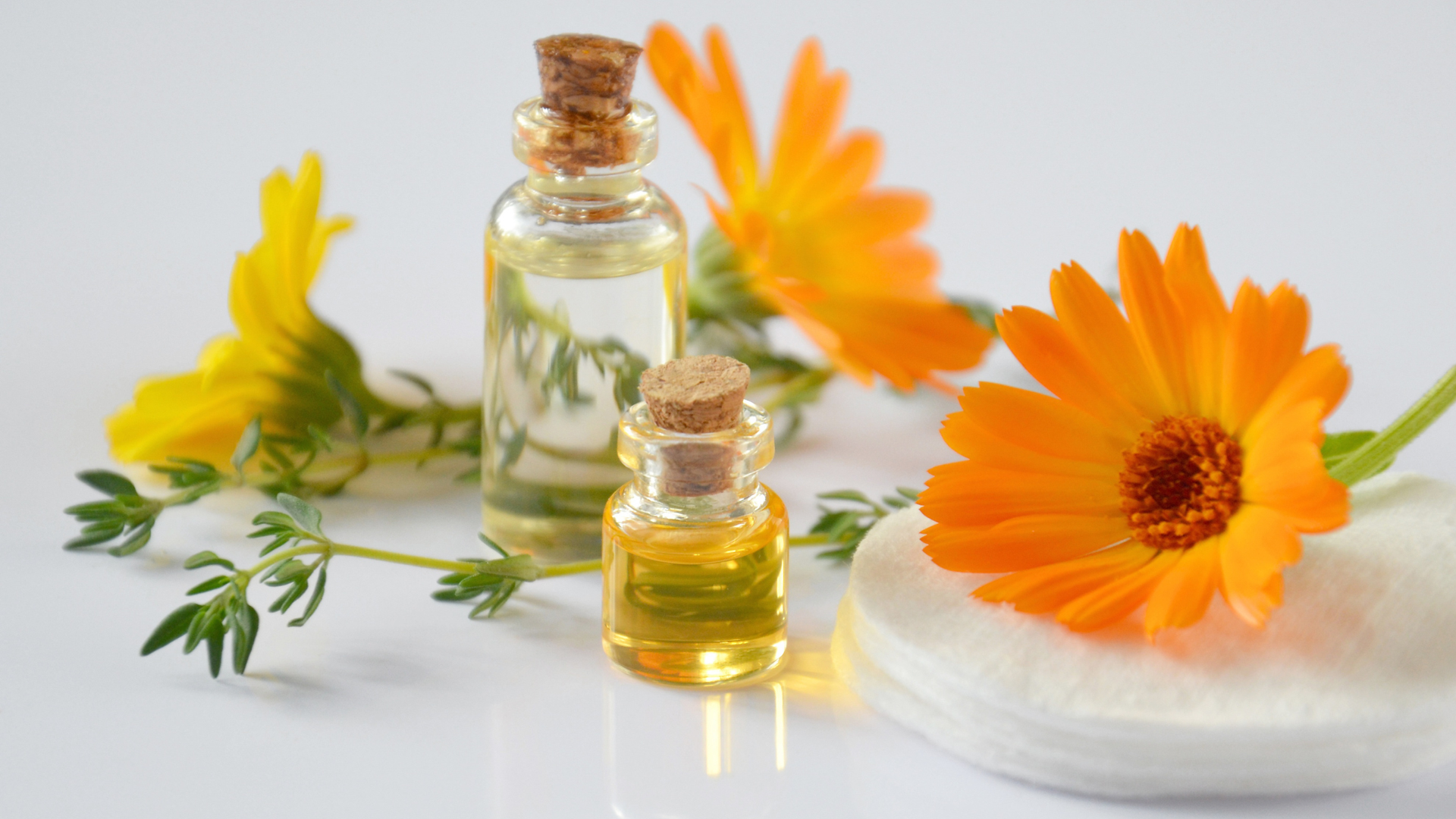
Learn essential oil safety & dilution basics with practical tips. Discover phototoxicity warnings, dilution ratios, and beginner routines for confident, safe use.
Learn to make eco-friendly DIY cleaning tablets with baking soda, citric acid & essential oils for effective, low-toxin home cleaning and reduced plastic waste.
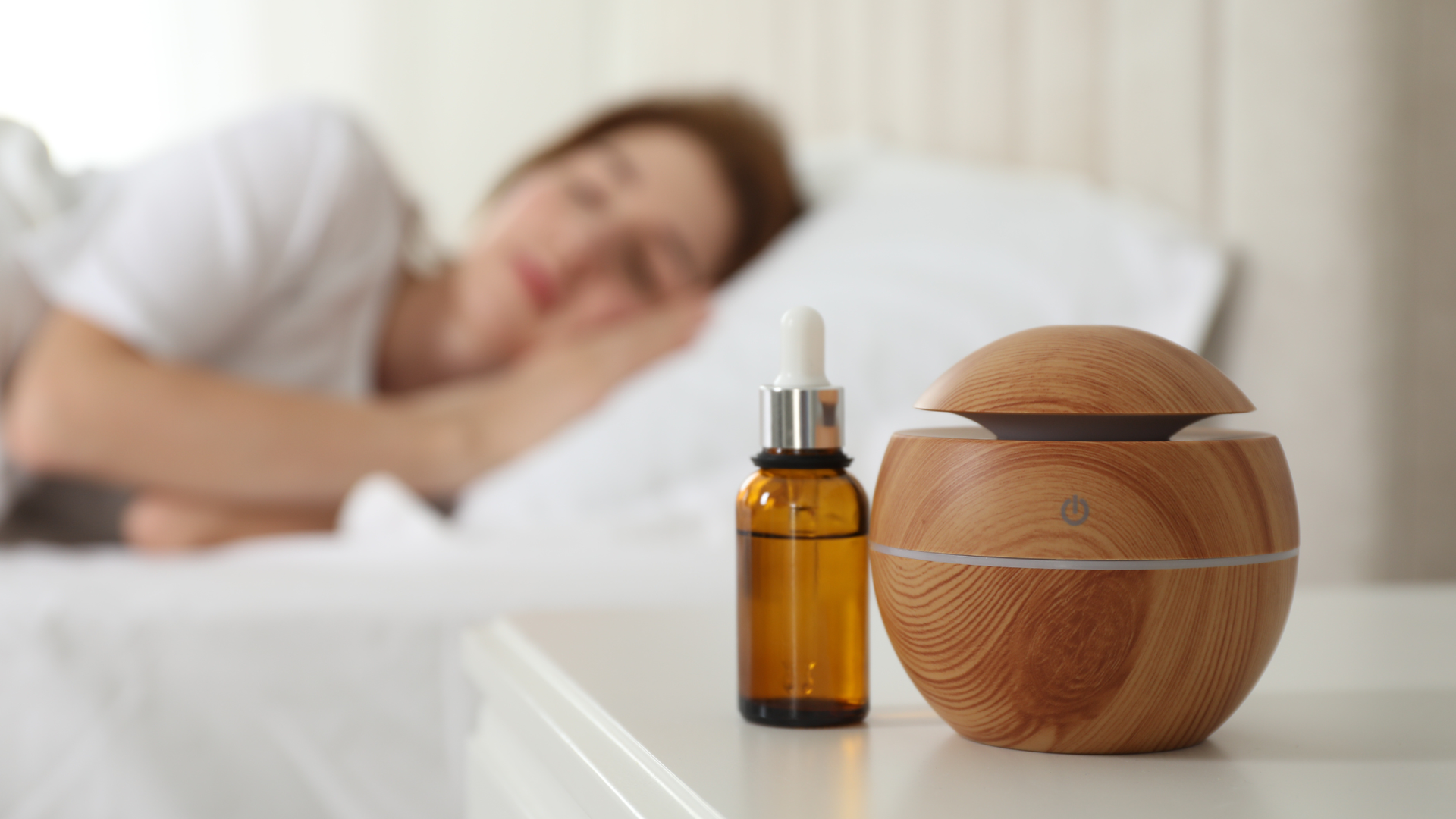
Learn to use essential sleep oils topically or aromatically for a calming bedtime routine. Get practical tips on diffusing, dilution, habit-building.

Unwind overworked joints before bed with a 10-minute essential oil massage. Get dilution tips, techniques, and simple routines for soothing nighttime comfort.
Build a gentle, toxin-free facial care routine with essential oils. Discover safe dilution, patch testing, AM/PM steps and tips for cleaner, healthier skin.

Discover 3 simple essential oil routines to ease work-life stress. Get safety tips and quick scent cues for calm focus and evening wind-downs.
Explore gentle, kid-safe essential oil blends to support your family's cold and flu wellness routines with safe dilution, diffusion tips, and home habits.

Discover a practical monthly menstrual self-care ritual using essential oils, heat, movement, and grounding habits. Safe, realistic tips for comfort and calm.

Kickstart your day with a 10-minute morning ritual using essential oils to support immunity, hydration, hygiene, and stress relief. Simple family tips.

Learn how to create DIY essential oil body scrubs for gentle exfoliation and radiant skin. Discover recipes, safety tips, and ingredient guides for smoother skin.