Natural Relief for Restless Leg Syndrome: Essential Oils for Nighttime Comfort
A calmer bedtime routine for leg discomfort—without overcomplicating your night
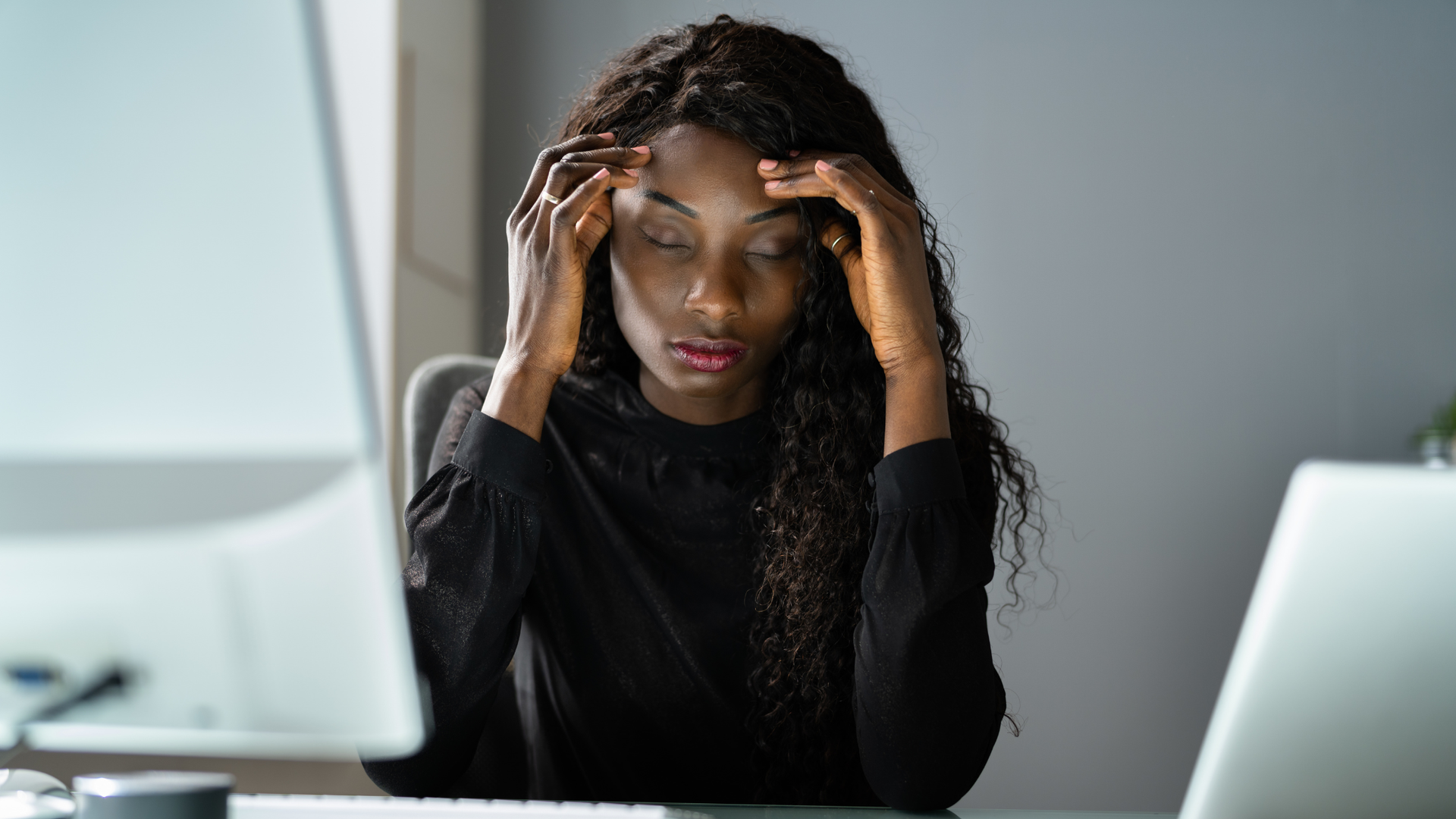
Restless legs syndrome (RLS) can feel frustratingly “invisible”—you’re tired, you want to rest, and your legs have other plans. While RLS sometimes needs medical evaluation (especially if symptoms are frequent or severe), many people find that supportive nighttime habits—like consistent sleep timing, gentle movement, and soothing sensory cues—can make evenings more manageable. At YL Family , we focus on practical, family-friendly wellness routines, including thoughtful essential oil use, to help you create a more comfortable wind-down.
First, a quick reality-check: what RLS is (and what it isn’t)
RLS is a neurological condition marked by an urge to move the legs , often paired with uncomfortable sensations that tend to worsen in the evening or at night and can disrupt sleep. For many, movement brings temporary relief. RLS may also occur alongside periodic limb movements during sleep (PLMS), which can fragment rest even if you don’t fully wake up.
Important: If leg symptoms are new, one-sided, painful with swelling, or linked with shortness of breath, seek urgent medical care. For ongoing RLS symptoms, talk with a clinician—bloodwork (including iron status) and a medication review can be helpful, since certain conditions and triggers can worsen symptoms.
Where essential oils can fit in (supportively and safely)
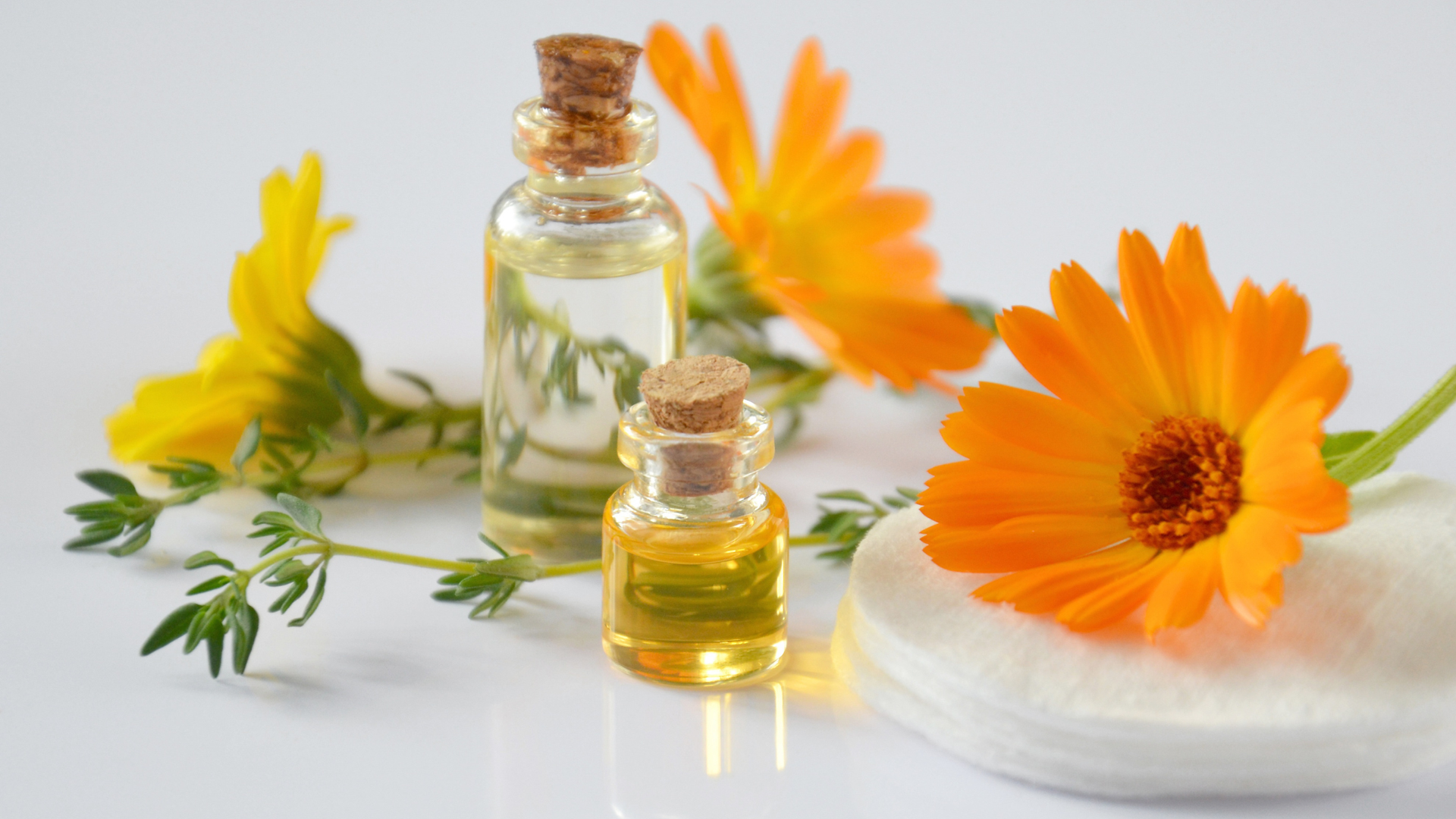
Essential oils aren’t a “cure” for RLS, but they can support the routines that matter most at night: relaxation, sensory comfort, and consistent cues that tell your nervous system it’s time to downshift. Many people also find that combining aromatherapy with proven self-care approaches—like heat/cold therapy, massage, stretching, and sleep hygiene —creates a more noticeable difference than any single step alone.
Key safety note: For topical use, dilute essential oils in a carrier oil and patch test. Avoid applying to broken skin, keep oils away from eyes, and use extra caution with children, pregnancy, asthma, or pets. If you’re under medical care for RLS, ask your clinician whether any products could interact with your plan.
Did you know? Quick facts that often surprise people
Triggers matter: Caffeine, tobacco, and alcohol can worsen symptoms for some people—especially later in the day.
Heat or cold can help: Many people report that warm baths, heating pads, cold packs, or alternating hot/cold reduces the “creepy-crawly” sensation long enough to fall asleep.
Iron status is worth checking: Low iron stores are a known contributor for some individuals, and clinicians often evaluate iron as part of the workup.
A step-by-step nighttime routine for restless leg relief (15–25 minutes)
Step 1: Choose your “cutoff” time for triggers
If RLS is part of your nights, experiment with a caffeine cutoff (often early afternoon) and consider limiting alcohol in the evening. Small adjustments here can noticeably reduce nighttime leg discomfort over time.
Step 2: Apply heat or cold for 5–10 minutes
Use a warm compress, a heating pad, a cool pack, or alternate both. The goal is to “override” the unpleasant sensations with a steady, soothing signal.
Step 3: Gentle calf/foot mobility (3 minutes)
Try slow ankle circles, seated toe points/flexes, and a light calf stretch. Keep it comfortable—RLS tends to respond better to “easy” movement than intense stretching right before bed.
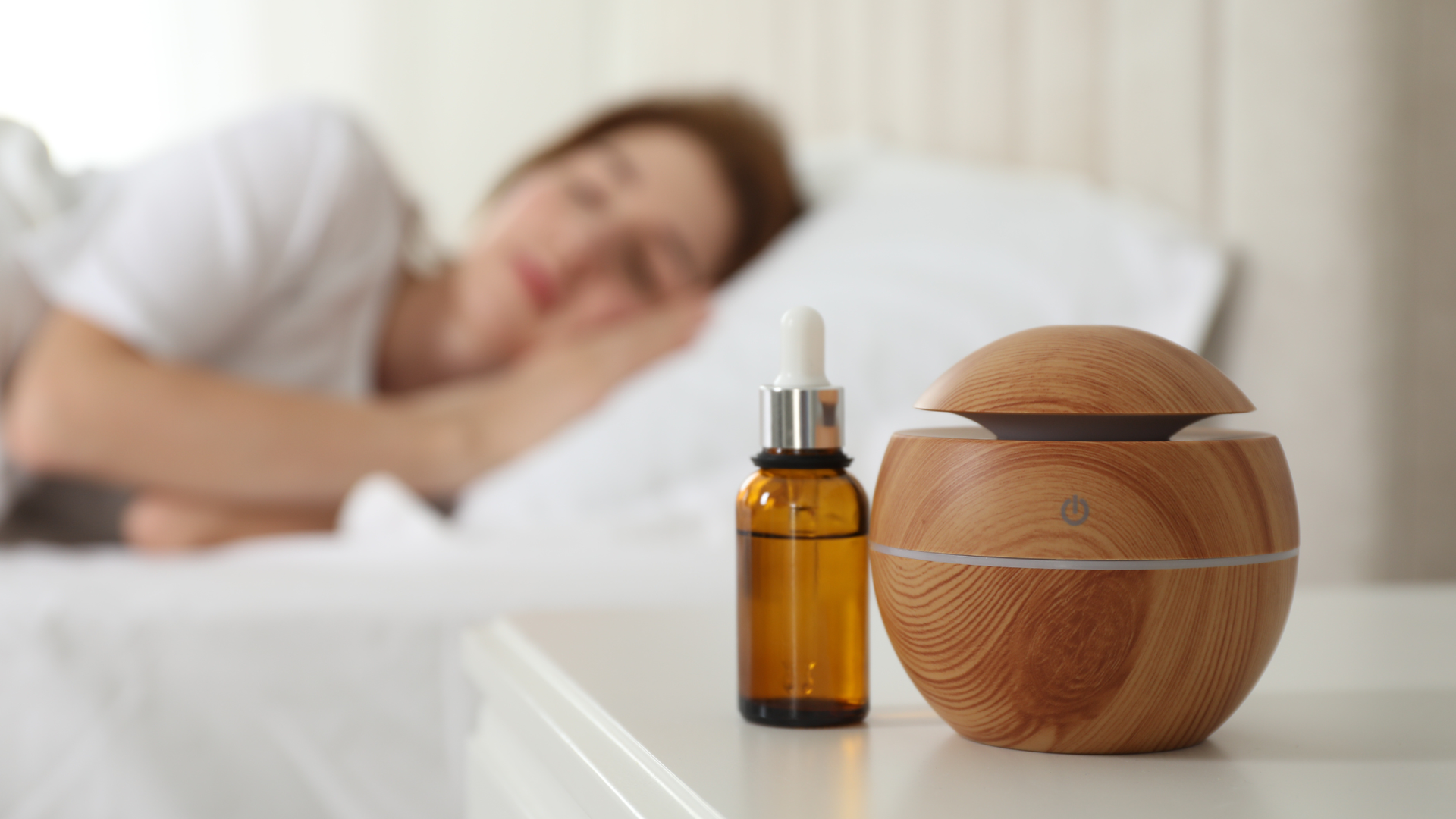
Step 4: Create an essential-oil wind-down cue (diffuse or topical)
Pick one calming scent profile and keep it consistent for 2–3 weeks. Consistency builds a strong sleep association.
Option A: Diffuser (10–30 minutes)
Diffuse a relaxing aroma in your bedroom while you read or stretch. If you’re sensitive to scents, start with fewer drops and shorter run time.
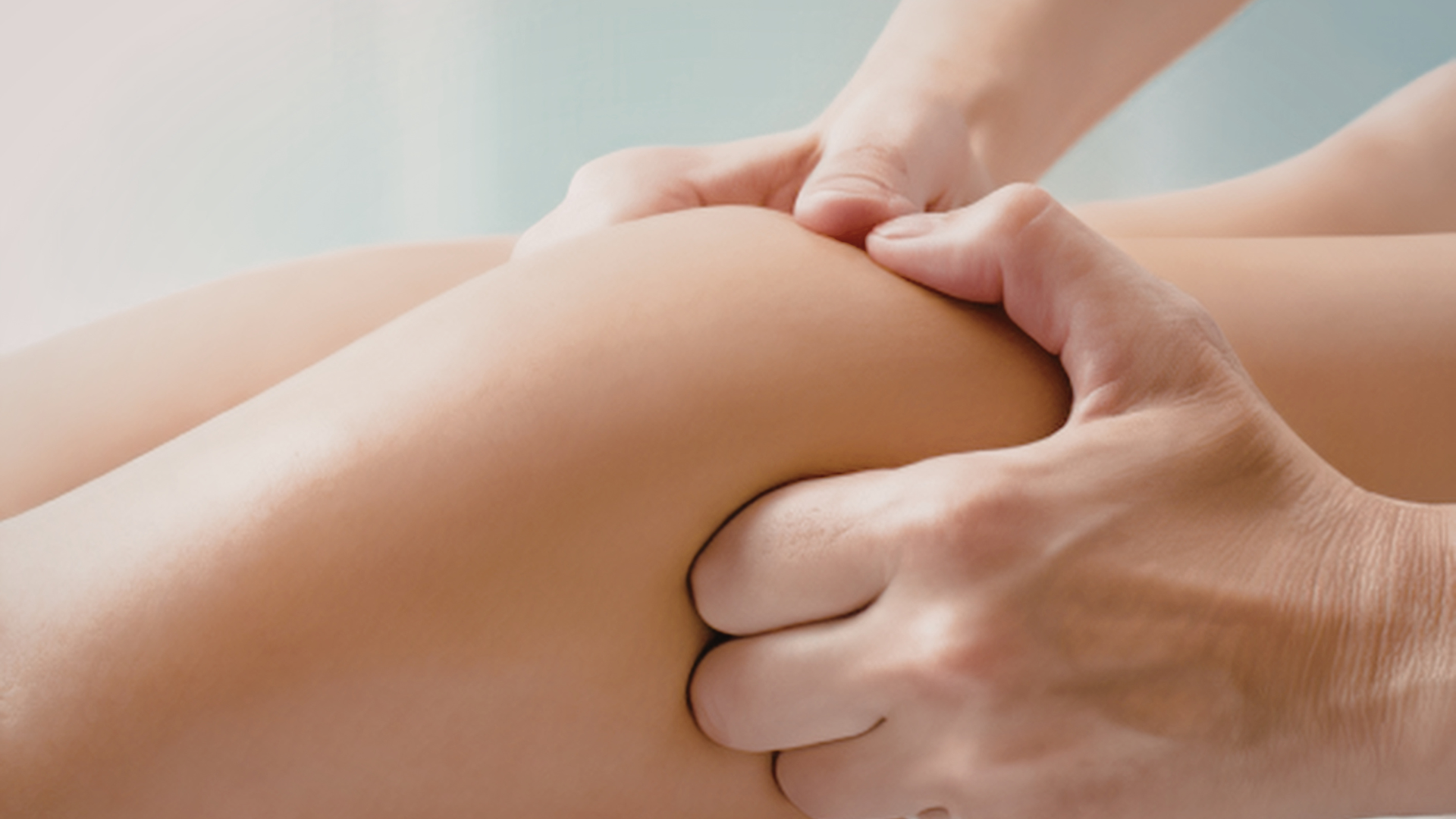
Option B: Diluted topical massage (2–3 minutes)
After a shower or warm compress, apply a diluted essential oil blend to calves and feet using slow, downward strokes. Pair with steady breathing (exhale slightly longer than inhale).
Step 5: Set your “if it flares” plan
If symptoms start after you lie down, avoid battling it in bed. Get up for 3–5 minutes: slow walking, a quick calf stretch, a sip of water, then return to bed. Having a plan reduces the stress spiral that can amplify sensations.
Which approach should you try first? (A simple comparison table)
| Supportive strategy | Best for | How fast it may feel helpful | Notes |
|---|---|---|---|
| Heat/cold (or alternating) | Immediate sensory relief | Same night | Great first step for many people |
| Gentle stretching + brief walking | When the urge-to-move ramps up | Same night | Keep intensity low pre-bed |
| Massage + diluted essential oils | Relaxation + bedtime consistency | Same night to 1–2 weeks | Patch test; dilute; keep routine steady |
| Sleep hygiene + trigger tracking | Long-term reduction in flare-ups | 1–4 weeks | Often the “quiet hero” for RLS |
A “clean living” angle that helps many families
For health-conscious households, nighttime comfort is rarely just one product—it’s an environment. Consider these small shifts:
Keep the bedroom cool and low-stimulation
Dim lights, reduce phone time, and reserve the bed for sleep (and calm).
Choose “repeatable” rituals
A short routine you do nightly beats an elaborate routine you do twice a month.
Track patterns for 14 nights
Note caffeine timing, exercise, hydration, stress level, and bedtime—then look for correlations.
Local angle: building better sleep habits anywhere in the United States
Across the U.S., busy schedules, late-day caffeine, and screen-heavy evenings can nudge the nervous system in the wrong direction—right when you want your body to settle. If you’re trying to reduce nighttime leg discomfort, treat your bedtime routine like a “household rhythm”: consistent timing, gentle movement, and a calming scent cue that signals rest. When families align around these habits, it’s often easier to stick with them long enough to see results.
Need help building a simple, safe nighttime essential oil routine?
Shop YL Family’s curated wellness essentials and create a bedtime setup that supports relaxation, comfort, and consistent routines—without guesswork.
FAQ: Restless legs, nighttime essential oils, and leg discomfort
What’s the difference between leg cramps and restless legs?
Leg cramps are typically sudden, painful muscle tightening (often in the calf). RLS is more commonly an uncomfortable urge to move (often described as creeping, pulling, or buzzing sensations), usually worse at night and relieved by movement.
Do essential oils treat restless legs syndrome?
Essential oils are best viewed as a supportive tool for relaxation and bedtime consistency. If your symptoms are frequent, worsening, or disrupting sleep, it’s wise to talk with a healthcare professional for evaluation and a personalized plan.
What’s the safest way to use essential oils for nighttime leg discomfort?
Use inhalation (diffuser) or a properly diluted topical application. Patch test first, avoid mucous membranes, and keep oils away from kids and pets unless you’ve confirmed the product and approach are appropriate for them.
How long should I try a new bedtime routine before deciding it “doesn’t work”?
Many people can feel some relief the same night from heat/cold, gentle movement, or massage. For longer-term improvements (fewer flare-ups), give consistent sleep timing and trigger reduction about 2–4 weeks.
When should I talk to a clinician about RLS?
If symptoms happen several times per week, disrupt sleep, are getting worse, or you suspect an underlying contributor (like low iron, pregnancy, kidney disease, or medication effects), a clinician can help with evaluation and options.
Glossary
Restless Legs Syndrome (RLS)
A neurological condition that creates an urge to move the legs, often worse at night, and temporarily relieved by movement.
Periodic Limb Movements of Sleep (PLMS)
Repeated, involuntary limb movements during sleep that can fragment rest; sometimes occurs along with RLS.
Sleep Hygiene
Daily habits and bedroom setup that support better sleep (consistent bedtime/wake time, low light, limited late-day stimulants, and calming routines).