
Afternoon Revive: Essential Oil Blends to Beat the Slump Without Caffeine
August 14, 2026
A calmer kind of energy—clear-headed, steady, and not tied to another cup of coffee
The afternoon slump is real: focus gets fuzzy, motivation dips, and your body starts negotiating for snacks or caffeine. If you’re trying to reduce coffee, avoid late-day jitters, or just want a cleaner routine for your home and body, essential oils can be a simple, sensory “reset” that supports alertness and mood—especially when paired with hydration, movement, and better breathing. Research on aromatherapy suggests certain aromas (notably rosemary, peppermint, and citrus profiles) may help with aspects of cognitive performance, vigilance, and mood in healthy adults when used as an aroma-based intervention. ( pubmed.ncbi.nlm.nih.gov)
Important note on expectations:
Essential oils aren’t stimulants in the way caffeine is. Think “cue + ritual” rather than “chemical shove.” The win is often steadier focus, a brighter mood, and an easier transition back into what you need to do.
Why the afternoon slump happens (and why scent can help)
That mid-to-late afternoon dip is often a mix of: a natural circadian lull, heavy or high-sugar lunches, dehydration, screen fatigue, and stress load. Aroma is one of the fastest sensory inputs to your brain, and it can shape how “awake” or “calm” you feel in the moment. Studies investigating rosemary aroma, for example, have reported measurable links between exposure and aspects of cognitive performance and mood, with rosemary’s constituent 1,8-cineole being of special interest. ( pmc.ncbi.nlm.nih.gov)
3 uplifting oil-blend “profiles” that work beautifully for afternoons
1) Crisp & Clear (focus-forward)
Profile:
Rosemary + peppermint + a bright citrus note (like lemon).
Best for: desk work, studying, inbox cleanup, “I need my brain back.”
Why it’s popular: Rosemary aroma has been studied for effects on cognition and mood, and peppermint aroma has also been investigated for alertness and attention-related outcomes. ( pmc.ncbi.nlm.nih.gov)
Best for: desk work, studying, inbox cleanup, “I need my brain back.”
Why it’s popular: Rosemary aroma has been studied for effects on cognition and mood, and peppermint aroma has also been investigated for alertness and attention-related outcomes. ( pmc.ncbi.nlm.nih.gov)
2) Sunny & Social (mood-lift + light energy)
Profile:
Citrus-forward (orange, lemon, grapefruit-style aroma) + a soft floral.
Best for: school pickup, after-work transition, “I’m dragging and cranky.”
Why it’s popular: Reviews of citrus essential oils in aromatherapy describe mood-uplifting and cheer-enhancing effects as common reported benefits. ( pmc.ncbi.nlm.nih.gov)
Best for: school pickup, after-work transition, “I’m dragging and cranky.”
Why it’s popular: Reviews of citrus essential oils in aromatherapy describe mood-uplifting and cheer-enhancing effects as common reported benefits. ( pmc.ncbi.nlm.nih.gov)
3) Grounded & Steady (stress support without sleepiness)
Profile:
Gentle wood + citrus (think “fresh air after rain”) + a calming herb.
Best for: busy parents, caregivers, customer-facing work, emotional overload.
Why it’s helpful: Sometimes the slump is less “low energy” and more “high stress.” A grounding profile can reduce the urge to reach for quick stimulants and make it easier to refocus.
Best for: busy parents, caregivers, customer-facing work, emotional overload.
Why it’s helpful: Sometimes the slump is less “low energy” and more “high stress.” A grounding profile can reduce the urge to reach for quick stimulants and make it easier to refocus.
Quick comparison table: choose your blend by your “slump type”
| If you feel… | Try this aroma profile | Use it when… | Helpful pairing |
|---|---|---|---|
| Foggy, unfocused | Crisp & Clear (rosemary + mint + citrus) | Before deep work or errands | 2 minutes of nasal breathing + water |
| Low mood, impatient | Sunny & Social (citrus-forward) | Late afternoon transition | 5–10 minute walk outside |
| Tired + stressed | Grounded & Steady (wood + citrus) | When you feel “wired & weary” | Protein snack + screen break |
Did you know?
Rosemary aroma
has been studied for measurable changes in cognitive performance and mood in healthy adults. ( pubmed.ncbi.nlm.nih.gov)
Citrus essential oils
are widely described in aromatherapy literature as mood-uplifting and cheer-enhancing. ( pmc.ncbi.nlm.nih.gov)
Safety matters:
essential oils can be harmful if misused—especially around children and pets—so storage and dilution aren’t optional details. ( poison.org)
A practical, safe “afternoon energy boost” routine (no caffeine required)
This routine is designed to be fast enough for real life, especially for busy parents and working professionals. Use whichever method fits your home: diffuser, personal inhaler, or a properly diluted topical application.
Step 1: Name your slump (30 seconds)
Ask: Am I foggy
, grumpy
, or stressed
? Matching the aroma profile to the real problem is the shortcut.
Step 2: Choose a low-effort delivery method (2–10 minutes)
Diffuser:
Great for shared spaces; run it for a short burst rather than all afternoon.
Personal inhaler: More controlled and portable (helpful at work or in the car line).
Topical: Only with proper dilution; best for a “ritual” (wrists, shoulders, back of neck—away from eyes).
Personal inhaler: More controlled and portable (helpful at work or in the car line).
Topical: Only with proper dilution; best for a “ritual” (wrists, shoulders, back of neck—away from eyes).
Step 3: Pair scent with one physical signal (3 minutes)
Pick one:
These “anchors” tell your nervous system it’s time to shift gears—aroma helps the transition feel easier.
• Drink a full glass of water.
• Stand up and do 10 slow squats or a brief stretch.
• Step outside for natural light for 2–5 minutes.
Step 4: Use smart safety rules (always)
For kids:
Use extra caution and consult reliable guidance for dilution and age-appropriateness. ( hopkinsmedicine.org)
For babies/small children: Menthol-containing oils (like peppermint) should not be used on/near infants’ faces due to breathing concerns. ( nccih.nih.gov)
For pets: Avoid directly applying essential oils to pets, ventilate well, and be especially careful with diffusers around birds. ( aspca.org)
Storage: Keep oils locked up and out of reach—misuse and ingestion can be dangerous. ( poison.org)
For babies/small children: Menthol-containing oils (like peppermint) should not be used on/near infants’ faces due to breathing concerns. ( nccih.nih.gov)
For pets: Avoid directly applying essential oils to pets, ventilate well, and be especially careful with diffusers around birds. ( aspca.org)
Storage: Keep oils locked up and out of reach—misuse and ingestion can be dangerous. ( poison.org)
How to make it stick: a simple weekly plan
Consistency beats intensity. If you’re replacing caffeine, give your body a week or two to adjust.
| Day | Primary goal | Suggested aroma profile | Non-caffeine add-on |
|---|---|---|---|
| Mon–Tue | Sharper focus | Crisp & Clear | Water + 3-min stretch |
| Wed | Mood support | Sunny & Social | 5-min outdoor light |
| Thu–Fri | Stress resilience | Grounded & Steady | Protein snack |
Local angle: what “afternoon energy” looks like across the United States
In many parts of the U.S., afternoons mean climate-controlled indoor air, long commutes, and back-to-back obligations. That combination can make energy feel more “stale” than truly depleted. A short diffuser session (or personal inhaler) paired with fresh air and hydration can feel like hitting a reset button—without pushing your nervous system into a jittery place. If you’re in a dry region or you run A/C often, bumping water intake and doing a brief mobility break can make your chosen uplifting oil blends
feel even more effective.
Pro tip for households:
If you have pets, choose a well-ventilated area, keep diffusers out of reach, and give animals the option to leave the room. ( aspca.org)
Shop your afternoon “caffeine alternative” essentials with YL Family
If you’d like help choosing a starter-friendly routine—or you’re ready to build a few go-to blends for focus, mood, and that after-lunch slump—YL Family can help you keep it simple, safe, and consistent.
Shop Essential Oils & Wellness Products
Explore Stress & Mood Support
Support Better Sleep & Rest
Ask a Question
Looking for movement to pair with your aroma routine? Browse: Online Classes
and Personal Training. If your slump is body-related, a gentle recovery routine can help too: Body Discomfort Support.
FAQ: essential oils for an afternoon energy boost
Do uplifting oil blends replace caffeine?
They don’t work like stimulants, but they can support alertness and mood as part of a routine—especially when you add water, light movement, and a short break from screens.
Is rosemary a good oil for focus?
Rosemary aroma is one of the more researched options for cognitive and mood effects in healthy adults, and studies have explored relationships between rosemary aroma exposure and performance outcomes. ( pubmed.ncbi.nlm.nih.gov)
Is peppermint a safe “pick-me-up” for everyone?
Peppermint can be energizing for many adults, but menthol-containing products should not be used on or near infants’ faces due to breathing concerns. If you’re unsure, choose a gentler citrus profile and consult a qualified professional for kid-specific guidance. ( nccih.nih.gov)
What’s the safest way to use oils when I have pets?
Avoid directly applying essential oils to pets, diffuse only with good ventilation, and be extra cautious with birds (many experts advise skipping diffusers around them). Also store oils securely to prevent accidental exposure or ingestion. ( aspca.org)
How long should I diffuse an “afternoon revive” blend?
Many people do better with short, intentional sessions (for example, while you hydrate and stretch) rather than continuous diffusion. Keep rooms ventilated and stop if you notice irritation or headaches.
Glossary
Aromatherapy:
Using plant-derived aromatic compounds (like essential oils) for supportive wellness experiences, often through inhalation.
1,8-cineole:
A naturally occurring aromatic compound found in rosemary (and some other plants) that has been studied in relation to rosemary aroma and cognitive performance outcomes. ( pmc.ncbi.nlm.nih.gov)
Dilution:
Mixing essential oils into a carrier (like a body oil or lotion) to reduce the risk of irritation and make topical use safer—especially important for children and sensitive skin. ( hopkinsmedicine.org)
Personal inhaler:
A small, portable aromatherapy tool that keeps the scent close to you for brief inhalation without filling the whole room.

Discover teen-friendly bedtime routines with gentle essential oils for 8–10 hours of sleep. Try simple wind-down steps for calmer nights and rested mornings.
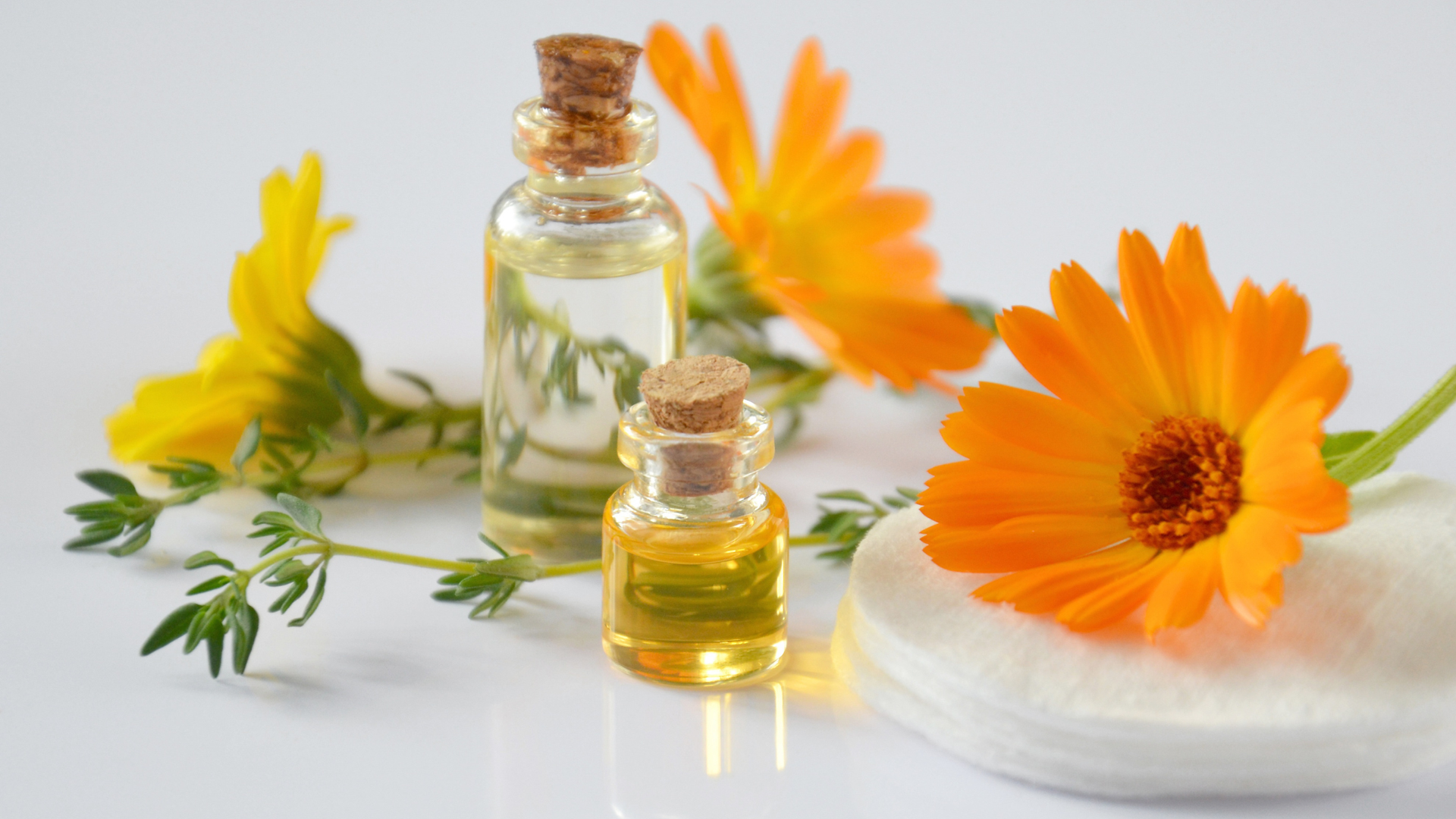
Learn essential oil safety & dilution basics with practical tips. Discover phototoxicity warnings, dilution ratios, and beginner routines for confident, safe use.
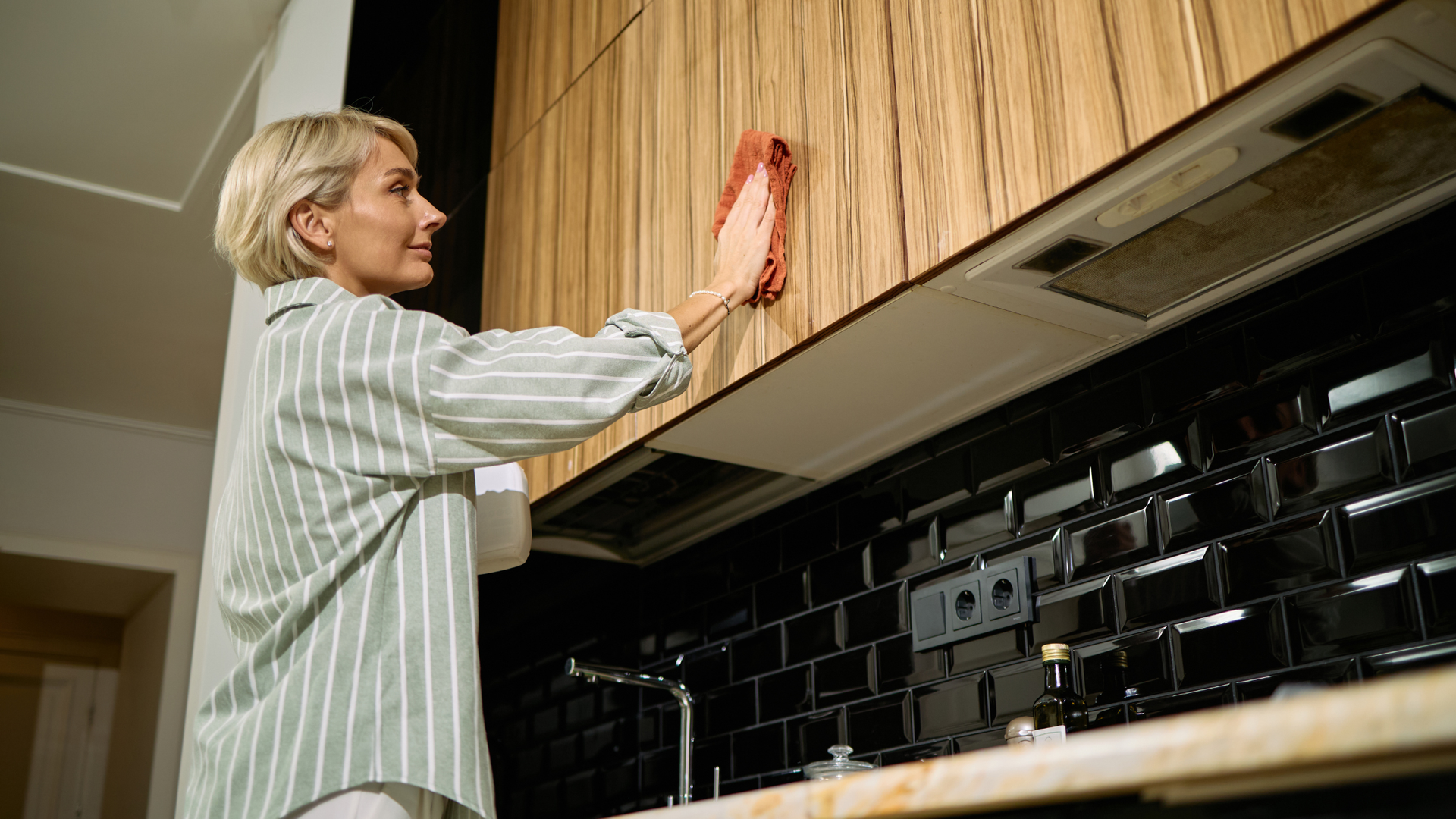
Learn to make eco-friendly DIY cleaning tablets with baking soda, citric acid & essential oils for effective, low-toxin home cleaning and reduced plastic waste.
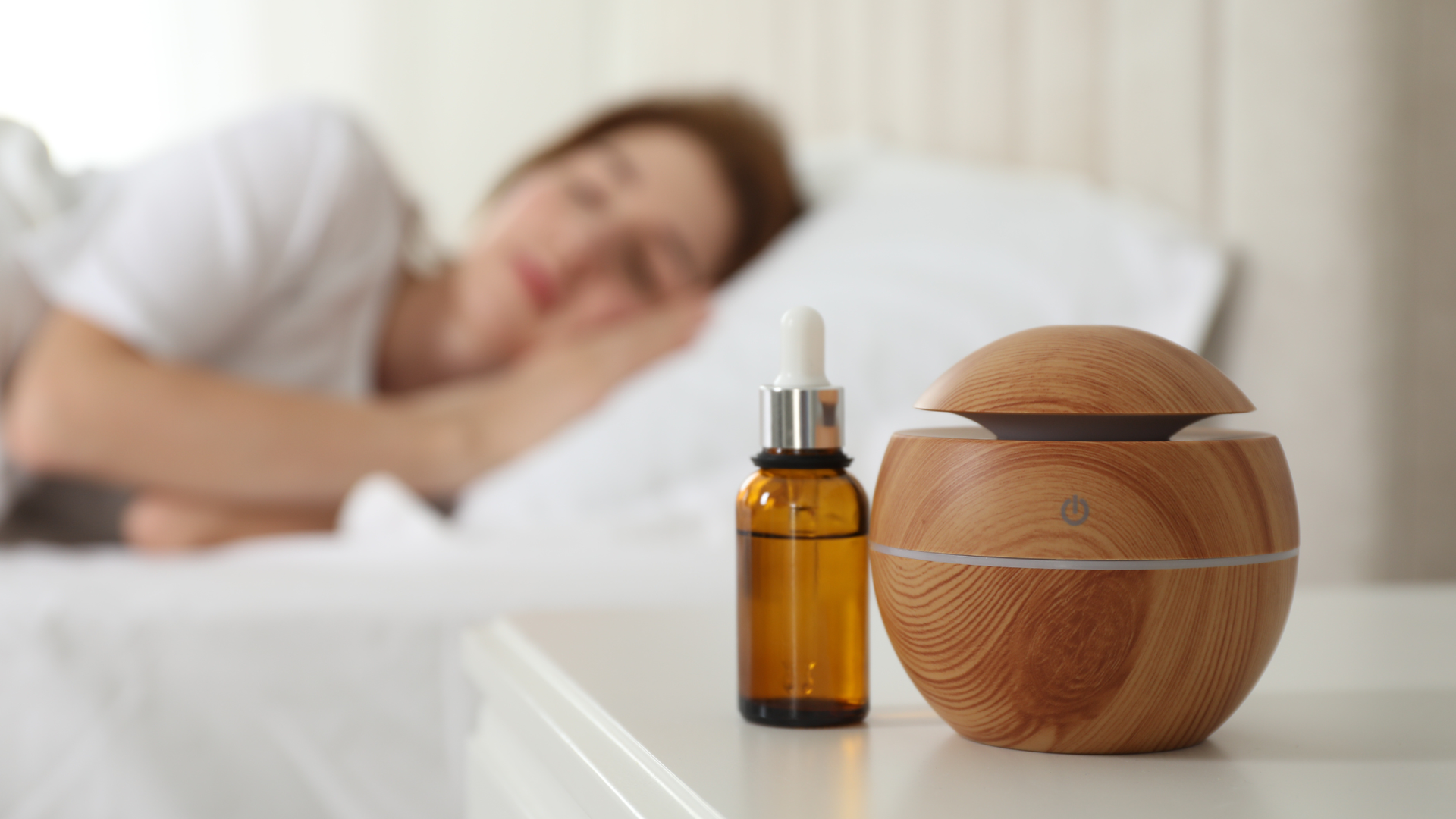
Learn to use essential sleep oils topically or aromatically for a calming bedtime routine. Get practical tips on diffusing, dilution, habit-building.

Unwind overworked joints before bed with a 10-minute essential oil massage. Get dilution tips, techniques, and simple routines for soothing nighttime comfort.

Build a gentle, toxin-free facial care routine with essential oils. Discover safe dilution, patch testing, AM/PM steps and tips for cleaner, healthier skin.

Discover 3 simple essential oil routines to ease work-life stress. Get safety tips and quick scent cues for calm focus and evening wind-downs.
Explore gentle, kid-safe essential oil blends to support your family's cold and flu wellness routines with safe dilution, diffusion tips, and home habits.

Discover a practical monthly menstrual self-care ritual using essential oils, heat, movement, and grounding habits. Safe, realistic tips for comfort and calm.

Kickstart your day with a 10-minute morning ritual using essential oils to support immunity, hydration, hygiene, and stress relief. Simple family tips.