
Harnessing Essential Oils for Gut-Brain Axis Balance: Natural Mood and Digestion Support
July 1, 2026
A calmer mind often starts with a calmer gut
When digestion feels “off,” it can ripple into your whole day—energy, focus, patience, and mood. That’s not just a hunch: your gut and brain communicate constantly through a two-way network commonly called the gut-brain axis
. Key players include the enteric nervous system
(sometimes nicknamed your “second brain”), the vagus nerve
, and your gut microbiome
. ( my.clevelandclinic.org)
At YL Family (based in Parker, Colorado, serving families across the United States), we love practical, toxin-conscious routines that support whole-body wellness. Essential oils can be a helpful part of that routine—especially when you use them thoughtfully, safely, and as part of a broader lifestyle that includes nutrition, stress care, and sleep support.
At YL Family (based in Parker, Colorado, serving families across the United States), we love practical, toxin-conscious routines that support whole-body wellness. Essential oils can be a helpful part of that routine—especially when you use them thoughtfully, safely, and as part of a broader lifestyle that includes nutrition, stress care, and sleep support.
What the gut-brain axis really means (in plain English)
Your digestive tract isn’t just a “tube” for food. It contains an extensive web of nerve cells—the enteric nervous system (ENS)
—that helps regulate digestion and sends information back to the brain. ( hopkinsmedicine.org)
Meanwhile, the vagus nerve acts like a major communication highway between your gut and brain, carrying signals in both directions and playing a role in “rest and digest” functions. ( my.clevelandclinic.org)
Add in the gut microbiome (the community of microbes in the GI tract) and you can start to see why digestion and mood often travel together. ( my.clevelandclinic.org)
Meanwhile, the vagus nerve acts like a major communication highway between your gut and brain, carrying signals in both directions and playing a role in “rest and digest” functions. ( my.clevelandclinic.org)
Add in the gut microbiome (the community of microbes in the GI tract) and you can start to see why digestion and mood often travel together. ( my.clevelandclinic.org)
Important note:
If you have persistent digestive symptoms (pain, ongoing diarrhea/constipation, blood in stool, unexplained weight loss) or significant anxiety/depression, essential oils should be considered supportive—never a substitute for medical care.
How essential oils may support digestion + mood (without overpromising)
Essential oils are concentrated aromatic compounds from plants. Their benefits are often explored through:
Research on aromatherapy and anxiety shows promising results for certain essential oils—lavender is one of the most studied for anxiety-related outcomes, particularly via inhalation. ( pmc.ncbi.nlm.nih.gov)
1) Sensory pathways (smell → brain):
Inhaled aromas can influence how you feel in the moment—especially stress and relaxation states.
2) Routine + ritual:
A consistent “wind-down” or “digestive reset” ritual can be powerful for the nervous system.
3) Targeted topical use:
When properly diluted, some oils are commonly used in massage routines that feel soothing for body tension.
Research on aromatherapy and anxiety shows promising results for certain essential oils—lavender is one of the most studied for anxiety-related outcomes, particularly via inhalation. ( pmc.ncbi.nlm.nih.gov)
Step-by-step: a simple gut-brain supportive essential oil routine
If you’re new to “gut-brain axis” support, keep it simple. Pick one goal at a time: less stress
around meals, more regular wind-down
at night, or post-meal comfort
.
1) Before meals: shift into “rest & digest”
Try:
a 60-second breathing reset + gentle inhalation.
Sit comfortably, one hand on your upper belly.
Inhale slowly through your nose for 4 counts; exhale for 6 counts.
If using an oil, keep it mild: 1–2 drops in a diffuser for a short window or on a personal inhaler (follow product guidance).
Why this helps: slowing your breathing supports relaxation states tied to vagal/parasympathetic activity (your body’s “calm digestion” mode). ( healthline.com)
2) After meals: comfort-focused abdominal massage (properly diluted)
Try:
a gentle clockwise belly massage with a diluted oil blend (or a single oil you tolerate well).
Dilute in a carrier oil (like fractionated coconut or jojoba). Start low (about 1% dilution) if you’re sensitive.
Massage lightly for 1–2 minutes.
Avoid broken skin and stop if irritation occurs.
Supportive idea: Some people reserve peppermint for occasional digestive discomfort, but if you have reflux/heartburn, peppermint may worsen symptoms—listen to your body and consult your clinician if unsure.
3) Evening: nervous-system downshift for mood + sleep
Try:
lavender-forward aromatherapy as part of a consistent bedtime ritual (dim lights, screens off, short stretch, then diffuser).
Lavender is widely studied in aromatherapy research for anxiety-related outcomes and relaxation. ( pmc.ncbi.nlm.nih.gov)
Pairing your oil routine with sleep cues (same time, same steps) is what makes it stick—especially for busy parents and caregivers.
Lavender is widely studied in aromatherapy research for anxiety-related outcomes and relaxation. ( pmc.ncbi.nlm.nih.gov)
Pairing your oil routine with sleep cues (same time, same steps) is what makes it stick—especially for busy parents and caregivers.
Optional comparison table: choosing a method that fits your household
| Method | Best for | Good to know |
|---|---|---|
| Diffuser (short sessions) | Mood shifts, bedtime cues, shared spaces | Ventilate rooms; start with fewer drops; be cautious around pets and young kids. |
| Personal inhaler | On-the-go stress support | More controlled exposure than diffusing a whole room. |
| Topical (diluted) massage | Muscle tension, post-meal comfort rituals | Patch test first; avoid eyes/mucous membranes; follow safe dilution. |
| Bath/shower aromatics | Full-body relaxation | Use a dispersant/carrier; undiluted oils can irritate skin. |
Quick “Did you know?” gut-brain facts
Your gut has a dense nerve network.
The enteric nervous system contains a remarkable number of nerve cells within the GI tract, which is one reason digestion and emotions can feel closely linked. ( hopkinsmedicine.org)
The vagus nerve is a major two-way messenger.
It carries sensory information from the gut toward the brain and supports key “rest and digest” functions. ( my.clevelandclinic.org)
Serotonin isn’t only a “brain chemical.”
It’s also involved in gut function and is part of why GI comfort and mood can influence each other. ( healthline.com)
A practical U.S. angle: stress, schedules, and the “snack spiral”
Across the United States, many families live with packed calendars, irregular mealtimes, and sleep that gets pushed too late. When stress stays high, digestion can feel more reactive—and mood can feel more brittle.
If you want a gut-brain supportive plan that fits real life, focus on what’s repeatable:
Essential oils don’t have to be complicated to be helpful. The goal is a steady nervous system and a supported routine—day after day.
If you want a gut-brain supportive plan that fits real life, focus on what’s repeatable:
Anchor meals
(even 2 consistent meals per day helps).
Cut the “late-night scroll”
by 15 minutes and replace it with a diffuser + stretch routine.
Build a post-meal pause
(2–5 minutes) before returning to work, homework, or errands.
Essential oils don’t have to be complicated to be helpful. The goal is a steady nervous system and a supported routine—day after day.
Ready to build a gut-brain supportive wellness routine?
Shop YL Family’s curated wellness essentials and create a simple plan for digestion support, calmer mood, and healthier home routines—without the overwhelm.
FAQ: Essential oils, digestion, and mood support
Do essential oils “fix” the gut-brain axis?
Think of essential oils as supportive tools
that can complement the fundamentals: nutrition that works for you, consistent sleep, stress regulation, and appropriate medical care. The gut-brain axis is a broad communication network involving nerves, hormones, immune signals, and microbes—so it’s rarely one single fix. ( my.clevelandclinic.org)
Is inhalation or topical use better for mood?
For many people, inhalation
is the simplest starting point because it’s easy to control and fits into quick routines (bedtime, transitions, stressful moments). Lavender is among the most studied essential oils in anxiety-focused aromatherapy research. ( pmc.ncbi.nlm.nih.gov)
Can I use essential oils for kids and teens?
Kids require extra caution: lower exposures, careful oil selection, and conservative dilution. Always follow product safety guidance and talk with a pediatric clinician if your child has asthma, seizures, allergies, or complex health conditions. For kid-friendly options, you can browse YL Family’s Kids & Teens
page.
What if my stomach symptoms get worse?
Stop the routine and reassess. If you notice burning, nausea, headaches, skin irritation, or symptom flares, discontinue and consult a healthcare professional—especially if symptoms are persistent or severe.
What else supports the gut-brain axis besides oils?
Consistent mealtimes, adequate hydration, fiber-rich foods (as tolerated), movement, and stress reduction all matter. The gut-brain axis involves the vagus nerve, ENS, and microbiome—so lifestyle patterns are foundational. ( my.clevelandclinic.org)
Glossary (quick definitions)
Gut-brain axis
The two-way communication network between your digestive system and your brain, involving nerves, hormones, immune signals, and the microbiome. ( my.clevelandclinic.org)
Enteric nervous system (ENS)
A complex network of nerve cells in the GI tract that helps regulate digestion and communicates with the brain. ( hopkinsmedicine.org)
Vagus nerve
A major nerve connecting the brain with organs including the digestive tract; involved in “rest and digest” functions and gut-brain signaling. ( healthline.com)
Microbiome
The community of microorganisms in your gut that can influence digestion and broader health signaling pathways. ( my.clevelandclinic.org)
Aromatherapy
The use of aromatic plant compounds (often essential oils) through inhalation or other methods to support relaxation and well-being; lavender is one of the most studied for anxiety-related outcomes. ( pmc.ncbi.nlm.nih.gov)
Looking for more targeted support? Visit YL Family’s Gut & Hormone, Stress & Mood, and Immune Support
pages for curated collections.
Learn essential oil safety & dilution basics with practical tips. Discover phototoxicity warnings, dilution ratios, and beginner routines for confident, safe use.

Learn to make eco-friendly DIY cleaning tablets with baking soda, citric acid & essential oils for effective, low-toxin home cleaning and reduced plastic waste.
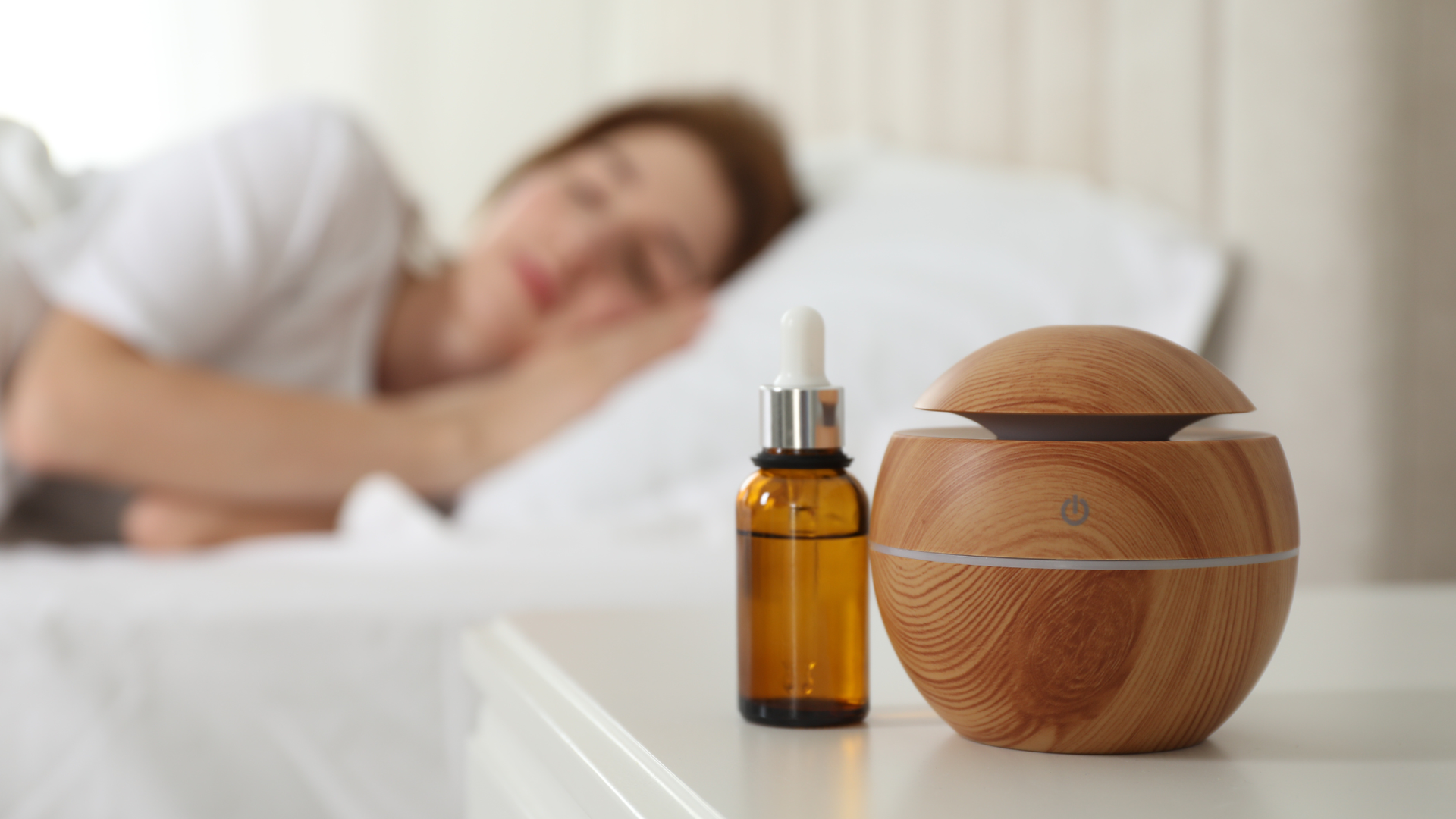
Learn to use essential sleep oils topically or aromatically for a calming bedtime routine. Get practical tips on diffusing, dilution, habit-building.

Unwind overworked joints before bed with a 10-minute essential oil massage. Get dilution tips, techniques, and simple routines for soothing nighttime comfort.

Build a gentle, toxin-free facial care routine with essential oils. Discover safe dilution, patch testing, AM/PM steps and tips for cleaner, healthier skin.

Discover 3 simple essential oil routines to ease work-life stress. Get safety tips and quick scent cues for calm focus and evening wind-downs.
Explore gentle, kid-safe essential oil blends to support your family's cold and flu wellness routines with safe dilution, diffusion tips, and home habits.

Discover a practical monthly menstrual self-care ritual using essential oils, heat, movement, and grounding habits. Safe, realistic tips for comfort and calm.

Kickstart your day with a 10-minute morning ritual using essential oils to support immunity, hydration, hygiene, and stress relief. Simple family tips.

Learn how to create DIY essential oil body scrubs for gentle exfoliation and radiant skin. Discover recipes, safety tips, and ingredient guides for smoother skin.