
Combat Spring Fatigue: Essential Oils to Boost Energy and Uplift Mood
May 26, 2026
A simple, clean-living approach to feeling more like yourself again
Spring is supposed to feel energizing, yet many people notice the opposite: sluggish mornings, midday crashes, low motivation, and a “foggy” mood that lingers even on bright days. This is often called spring fatigue
—a real, common experience tied to seasonal shifts, schedule changes, and the way your body adjusts to longer days.
At YL Family (based in Parker, Colorado and supporting families across the United States), we focus on practical wellness routines you can actually stick with. Essential oils won’t replace sleep, nutrition, or medical care, but they can be a helpful tool for energy cues, mood support, and creating a daily rhythm that feels lighter and more intentional.
At YL Family (based in Parker, Colorado and supporting families across the United States), we focus on practical wellness routines you can actually stick with. Essential oils won’t replace sleep, nutrition, or medical care, but they can be a helpful tool for energy cues, mood support, and creating a daily rhythm that feels lighter and more intentional.
What “spring fatigue” can look like (and why it happens)
Spring fatigue is a catch-all term for a short-term dip in energy and mood that shows up as seasons change. People often report:
A few common contributors:
• Trouble waking up even after a full night’s sleep
• Afternoon sleepiness or cravings for quick sugar/caffeine
• Low-grade irritability or “meh” mood
• Headaches or feeling dehydrated more easily
A few common contributors:
Schedule changes:
In the U.S., daylight saving time begins the second Sunday in March
, and that lost hour can disrupt sleep for days (sometimes longer).
Light + hormones:
Changing daylight affects circadian rhythm signals (including melatonin timing), which can alter how rested you feel.
Allergy season:
Congestion and histamine response can make you feel wiped out, even if you’re “not sick.”
Indoor-to-outdoor transition:
More activity + less hydration can create a sneaky energy drain.
Essential oils that fit an “energy + mood” routine
Think of energizing oils as sensory signals
: certain aromas can feel crisp, bright, and motivating—especially when paired with a habit (morning water, a walk, a shower, a focused work block). Research on peppermint aroma, for example, has explored links with alertness/vigilance in controlled settings, which aligns with why many people use it for “wake-up” routines.
Here are three reliable categories to consider:
Here are three reliable categories to consider:
1) Minty oils (clean + clarifying)
Often chosen for a “fresh start” feel—great for mornings, workouts, or that 2:30 p.m. slump.
2) Citrus oils (bright + upbeat)
Citrus aromas are commonly used in aromatherapy to create a lighter, happier tone—ideal for spring cleaning, morning routines, or “resetting” your environment.
3) Herbaceous oils (focused + steady)
These tend to feel grounding rather than “jittery,” which can be helpful if your spring fatigue includes scattered focus.
Quick comparison: which method fits your day?
Method
Best for
How it feels
Practical tip
Diffusing
Morning energy, home mood
Ambient, steady support
Run for 15–30 minutes, then take a break
Personal inhaler
Commute, office, travel
Fast “reset” without filling a room
Use before meetings or focused work blocks
Topical (diluted)
On-the-go routine cues
Targeted, personal aroma
Patch test; avoid eyes; mind sun sensitivity
Safety note:
Many citrus oils can be phototoxic
when applied to skin (especially cold-pressed citrus). If you use them topically, follow trusted dilution guidelines and avoid UV exposure for the recommended window. Bergamot is a well-known example with conservative maximum leave-on dilution guidance. If you’re pregnant, nursing, have asthma, or are using oils for kids, get individualized guidance.
Did you know? Quick spring fatigue facts
Hydration changes in spring.
Warmer days + more outdoor time can increase fluid needs—dehydration can mimic fatigue.
Allergies don’t always look like sneezing.
For many people, allergy season shows up as tiredness, brain fog, or sleep disruption.
Your routine matters more than your willpower.
Pairing a scent with a habit (water, walk, stretch) builds consistency faster than relying on motivation.
A step-by-step routine: “Wake, Brighten, Focus” (10 minutes)
This routine is designed for busy parents, caregivers, and professionals who want a realistic, low-effort energy lift.
Step 1: Wake your senses (1 minute)
Start with inhalation
(diffuser or personal inhaler). Choose a crisp profile (minty) if you feel foggy, or a bright profile (citrus) if you feel flat.
Step 2: Add “movement medicine” (4 minutes)
Do gentle mobility: shoulder rolls, calf pumps, slow squats, or a short walk around your home. Pairing aroma + movement helps your brain register “we’re up now.”
Relevant option: Stretch & Tone Workout
Step 3: Build steady energy (3 minutes)
Drink water before coffee. If you like, make it a “ritual” by diffusing while you fill your bottle so it becomes automatic.
Helpful gear: Stainless Water Bottle
Step 4: Focus block reset (2 minutes)
Choose one task and set a 25-minute timer. Use your inhaler or diffuser for the first 5 minutes only—enough to cue focus without becoming “background noise.”
If your “spring fatigue” includes muscle heaviness from ramping up activity, consider adding recovery support to your routine: Body Discomfort support.
A U.S. local angle: spring fatigue across climates and schedules
Because YL Family supports customers across the United States
, we see spring fatigue show up a little differently depending on region:
If mood and stress are intertwined with fatigue, consider building an “energy routine” that also supports emotional steadiness: Stress & Mood support. If sleep is the root issue, start there first: Sleep & Rest support.
Dry, high-altitude areas:
Hydration and sinus comfort can be a bigger piece of the puzzle.
Humid regions:
Sleep can feel heavier; fresh, clarifying aromas often feel especially helpful.
Busy school-year schedules:
Parents often notice fatigue spikes around early spring due to calendar density (sports, testing, events).
If mood and stress are intertwined with fatigue, consider building an “energy routine” that also supports emotional steadiness: Stress & Mood support. If sleep is the root issue, start there first: Sleep & Rest support.
Ready for a simple energy reset you can repeat daily?
Shop curated wellness favorites and build a spring routine that supports energy, mood, and a cleaner home environment—without making your day complicated.
FAQ: Spring fatigue, energy boosting oils, and mood uplift
What are “energy boosting oils” best used for?
They’re best used as routine cues
—helpful during morning wake-up, focused work blocks, workouts, and afternoon slumps. Think of them as a sensory nudge that supports the habits that actually build energy (sleep, movement, hydration, balanced meals).
Is diffusing or topical use better for spring fatigue relief?
Diffusing is a great first step because it’s simple and doesn’t involve skin sensitivity. Topical use can be convenient, but always dilute properly and be mindful of citrus phototoxicity
if you’ll be outdoors.
Which oils are best for mood uplift when motivation is low?
Many people gravitate toward citrus
for a brighter emotional tone. If you feel “wired and tired,” a more grounding approach (paired with breathwork and a short walk) may feel better than anything overly stimulating.
Can I use essential oils for kids and teens during seasonal transitions?
Kids can be more sensitive to strong aromas. Use conservative amounts, prioritize diffusion in a well-ventilated space, and avoid applying oils near the face. For family-friendly options, visit: Kids & Teens support.
When should spring fatigue be checked out?
If fatigue is persistent (several weeks), severe, or paired with symptoms like shortness of breath, dizziness, heart palpitations, or depression, talk with a licensed healthcare professional. Essential oils can support comfort and routine, but ongoing fatigue deserves a full look.
Glossary (plain-English definitions)
Phototoxicity
A skin reaction that can happen when certain essential oils (often cold-pressed citrus oils) are applied to skin and then exposed to UV light. It may look like a fast, intense sunburn or discoloration.
Dilution
Mixing essential oils into a carrier (like a plant-based oil or lotion) to reduce irritation risk. Dilution is a key part of safe topical use.
Circadian rhythm
Your internal 24-hour clock that helps regulate sleep and wake cycles. Seasonal light changes and schedule shifts can affect how steady it feels.
Aromatherapy
The practice of using aroma (often from essential oils) to support wellbeing routines—commonly for relaxation, mood cues, and environmental freshness.

Discover teen-friendly bedtime routines with gentle essential oils for 8–10 hours of sleep. Try simple wind-down steps for calmer nights and rested mornings.
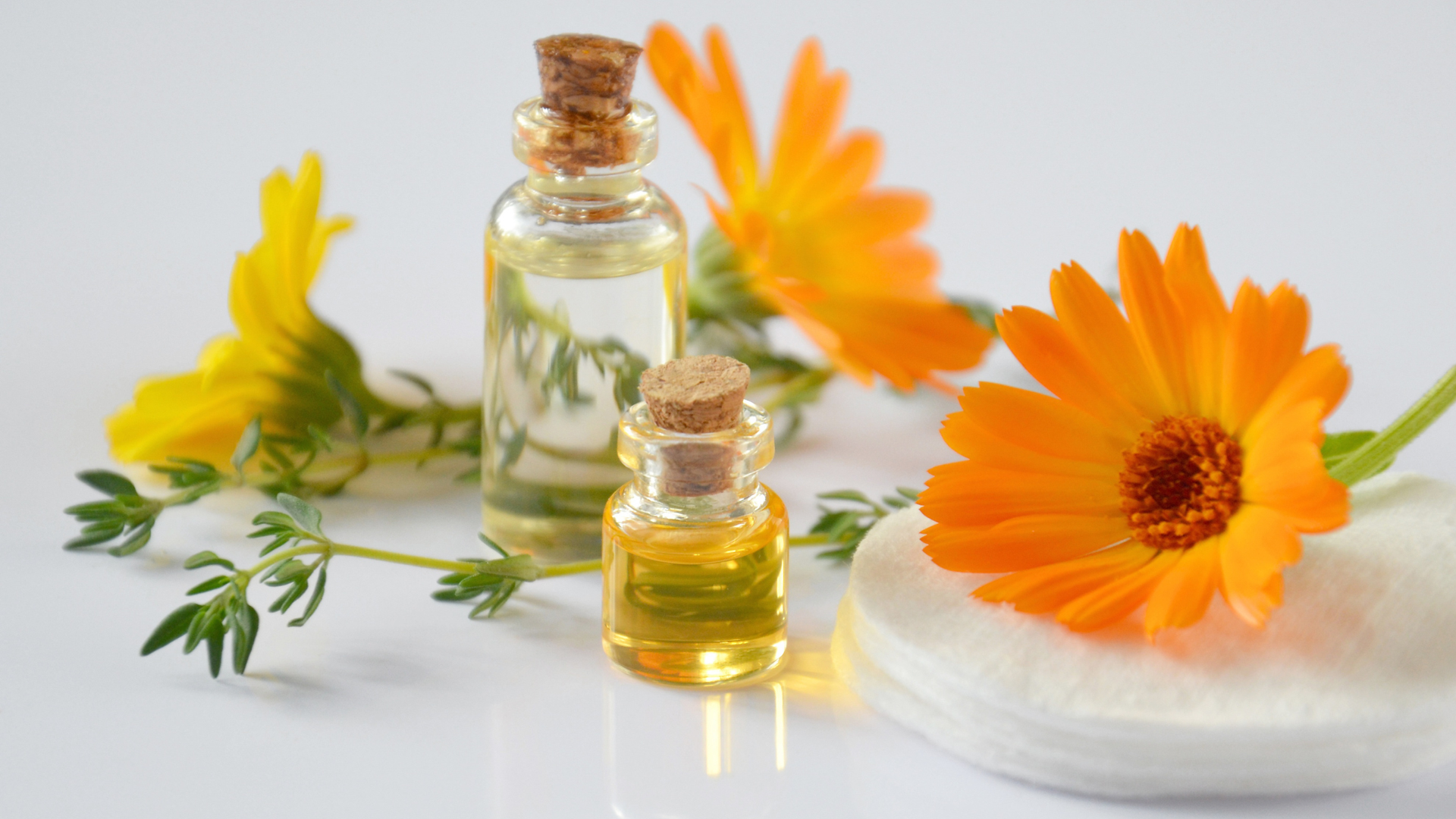
Learn essential oil safety & dilution basics with practical tips. Discover phototoxicity warnings, dilution ratios, and beginner routines for confident, safe use.

Learn to make eco-friendly DIY cleaning tablets with baking soda, citric acid & essential oils for effective, low-toxin home cleaning and reduced plastic waste.
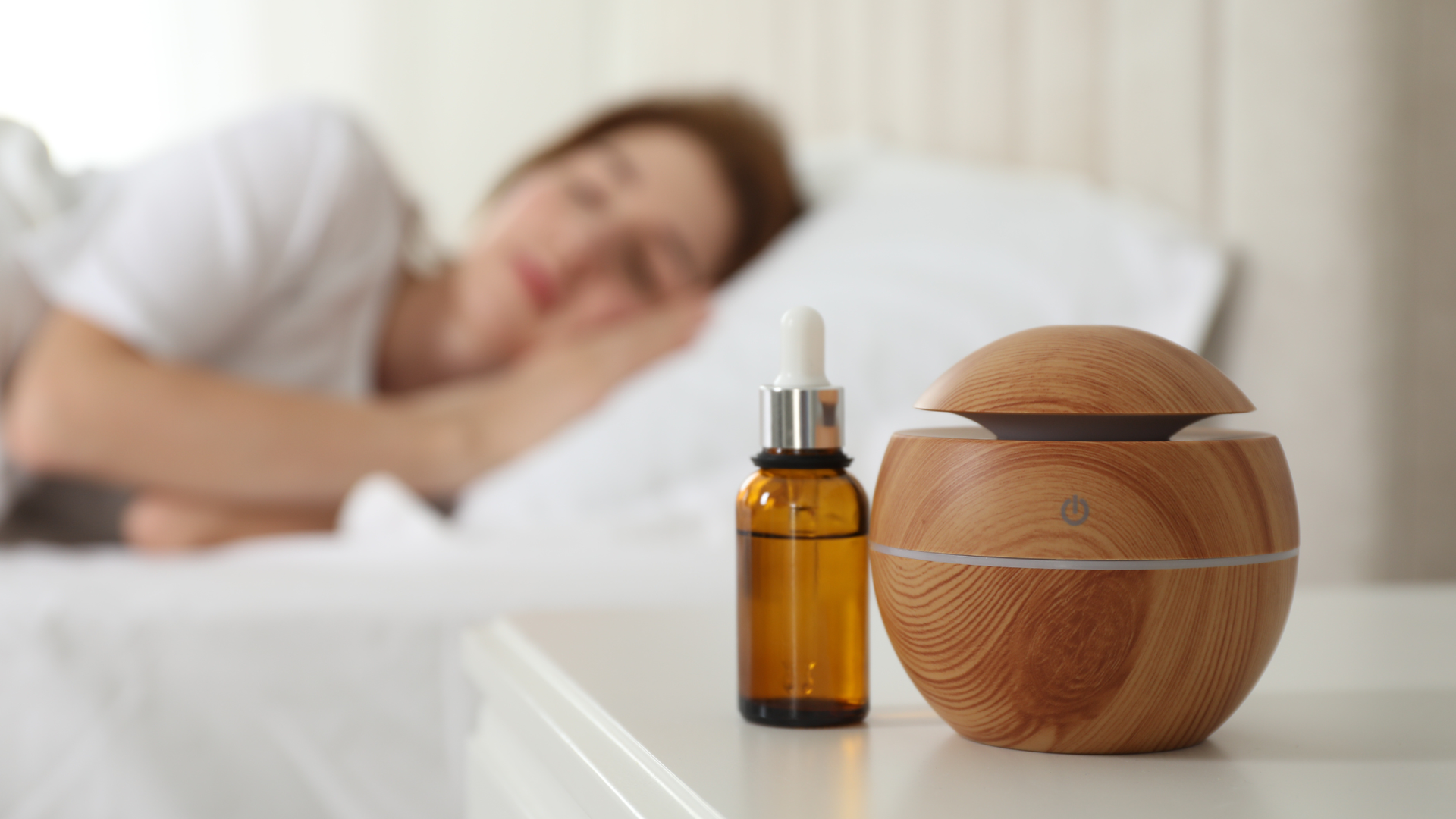
Learn to use essential sleep oils topically or aromatically for a calming bedtime routine. Get practical tips on diffusing, dilution, habit-building.

Unwind overworked joints before bed with a 10-minute essential oil massage. Get dilution tips, techniques, and simple routines for soothing nighttime comfort.
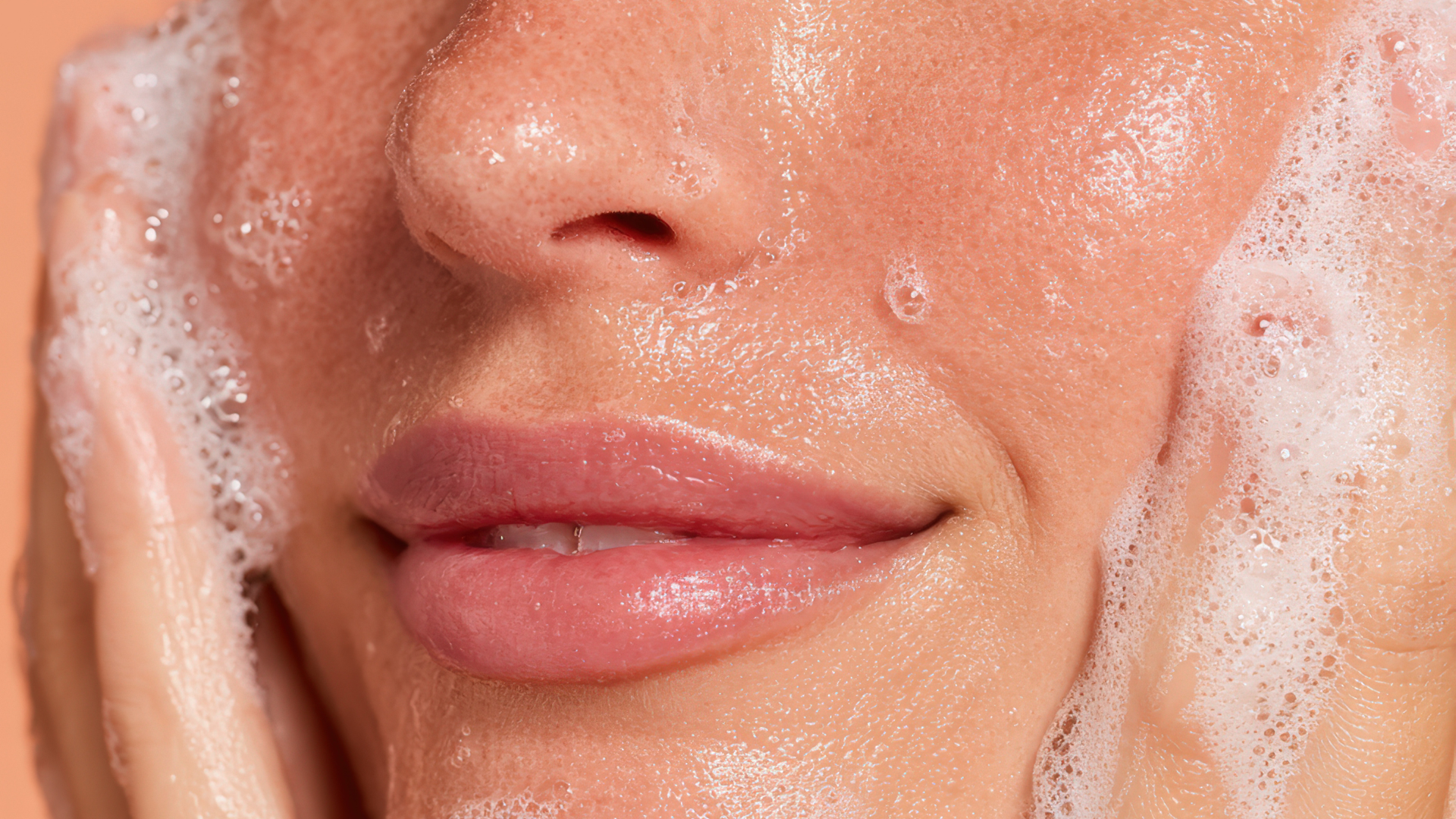
Build a gentle, toxin-free facial care routine with essential oils. Discover safe dilution, patch testing, AM/PM steps and tips for cleaner, healthier skin.

Discover 3 simple essential oil routines to ease work-life stress. Get safety tips and quick scent cues for calm focus and evening wind-downs.
Explore gentle, kid-safe essential oil blends to support your family's cold and flu wellness routines with safe dilution, diffusion tips, and home habits.

Discover a practical monthly menstrual self-care ritual using essential oils, heat, movement, and grounding habits. Safe, realistic tips for comfort and calm.

Kickstart your day with a 10-minute morning ritual using essential oils to support immunity, hydration, hygiene, and stress relief. Simple family tips.