Hydration & Gut Health: Essential Oil–Infused Electrolyte Recipes for Hot Days
Summer hydration that supports digestion—without the neon dyes
Hot days can sneak up on you. One extra hike, a long afternoon at the soccer fields, or a warm night’s sleep with dry air can leave you feeling headachy, sluggish, and “off” in your digestion. Hydration isn’t just about drinking more water—your body also needs electrolytes (especially sodium) to hold onto fluids and keep your nervous system and muscles working smoothly.
At YL Family , we love simple, family-friendly routines that fit real life. Below are easy, customizable electrolyte recipes with optional, essential oil–infused flavor ideas—plus gut-comfort upgrades that keep things gentle and refreshing.
Why electrolytes matter (especially when it’s hot)
Electrolytes are minerals that help regulate fluid balance, muscle contraction, and nerve signals. When you sweat, you lose water and electrolytes— sodium is the big one . Replacing fluid without enough sodium can leave you feeling like water “goes right through you” or doesn’t fully relieve symptoms.
For longer workouts (especially beyond an hour), sports hydration guidance commonly includes adding sodium to drinks. One well-known guideline suggests including 0.5–0.7 g of sodium per liter of water in a rehydration solution during prolonged exercise because it can improve fluid retention and palatability. (This is about sodium content, not table salt weight.)
Gut-wise, hydration can influence how you feel day-to-day: constipation, cramping, and “heavy” digestion often get worse when you’re under-hydrated. The goal is steady fluids, not chugging—paired with the minerals that help your body actually use what you drink.
Hydration + digestion: what “gut-friendly” really means
“Gut-friendly” electrolyte drinks are usually:
If you’re dealing with ongoing digestive symptoms, chronic fatigue, kidney disease, pregnancy concerns, or you’re on medications that affect fluid/mineral balance, it’s smart to check with your clinician before significantly increasing sodium, potassium, or magnesium.
Electrolytes 101: simple targets for everyday hot days
You don’t need a lab-grade formula for casual summer hydration. Most people do well with a “light electrolyte” approach: water + a pinch of salt + flavor. If you’re sweating heavily, you may want more sodium (and possibly some carbohydrate).
| Situation | What to prioritize | A practical mix |
|---|---|---|
| Warm day, normal activity | Steady fluids + a little sodium | 16–24 oz water + pinch of salt + citrus |
| Lots of sweat (yard work, hiking) | More sodium + fluids | 24–32 oz water + 1/8 tsp salt + citrus |
| Exercise > 60 minutes | Sodium + fluid retention; consider carbs | 1 liter water with sodium in the range commonly recommended for prolonged exercise hydration |
| Upset stomach with dehydration risk | Clinically balanced ORS-style approach | Use a proven ORS recipe or packet; keep it simple |
Mineral note: Nutrition labels use Daily Values (DV) to help you gauge intake; for example, magnesium is listed with a DV of 420 mg . Your best “electrolyte strategy” is still food first—fruits/veg for potassium, and magnesium-rich foods—then use drinks to fill gaps when heat and sweat increase demand.
Essential oil–infused electrolyte recipes (with smart safety)
Essential oils are potent. If you choose to use them in a drink, it’s important to use a product labeled for dietary use, follow usage directions, and keep the dose very small. If you’re pregnant, nursing, managing chronic conditions, or making drinks for kids, consult a qualified professional and consider using citrus zest, fresh herbs, or hydrosols instead for a similar “spa water” experience.
Recipe 1: “Everyday Hot Day” Citrus Salt Water (gut-gentle)
This is the “most days” recipe—light, refreshing, and easy on digestion. Many people notice fewer afternoon headaches and less craving for sugary drinks when they add just a small amount of sodium.
Recipe 2: Coconut-Lime Mineral Cooler (post-sweat)
Coconut water naturally contains potassium, but it’s often not salty enough on its own for true rehydration after heavy sweating—so the salt is what makes this feel “restorative.” If you have kidney issues or are on potassium-restricting guidance, skip coconut water and choose the simpler citrus-salt option.
Recipe 3: Low-Sugar “Workout Liter” (long walks, hikes, training)
If you’re doing higher-intensity training, a little carbohydrate can improve absorption and energy. If your gut is sensitive, keep the sweetness modest and avoid sugar alcohols.
Step-by-step: build your own “electrolyte recipe” in 60 seconds
1) Start with your container
Choose 20–32 oz for casual hydration or 1 liter for workouts. Cold water is easier to sip consistently.
2) Add sodium first (then taste)
Start with a pinch for daily hydration, or 1/8 tsp for heavier sweat days. If it tastes slightly “brighter” (not salty), you’re usually in a good range.
3) Add gentle flavor + gut support
Citrus juice, cucumber slices, mint, or ginger are easy and kid-friendly. If you’re using essential oils, use only products intended for internal use and follow label guidance.
4) Sip steadily
Many people feel better drinking smaller amounts throughout the day rather than chugging large amounts all at once—especially if digestion is already sensitive.
Quick “Did you know?” hydration facts
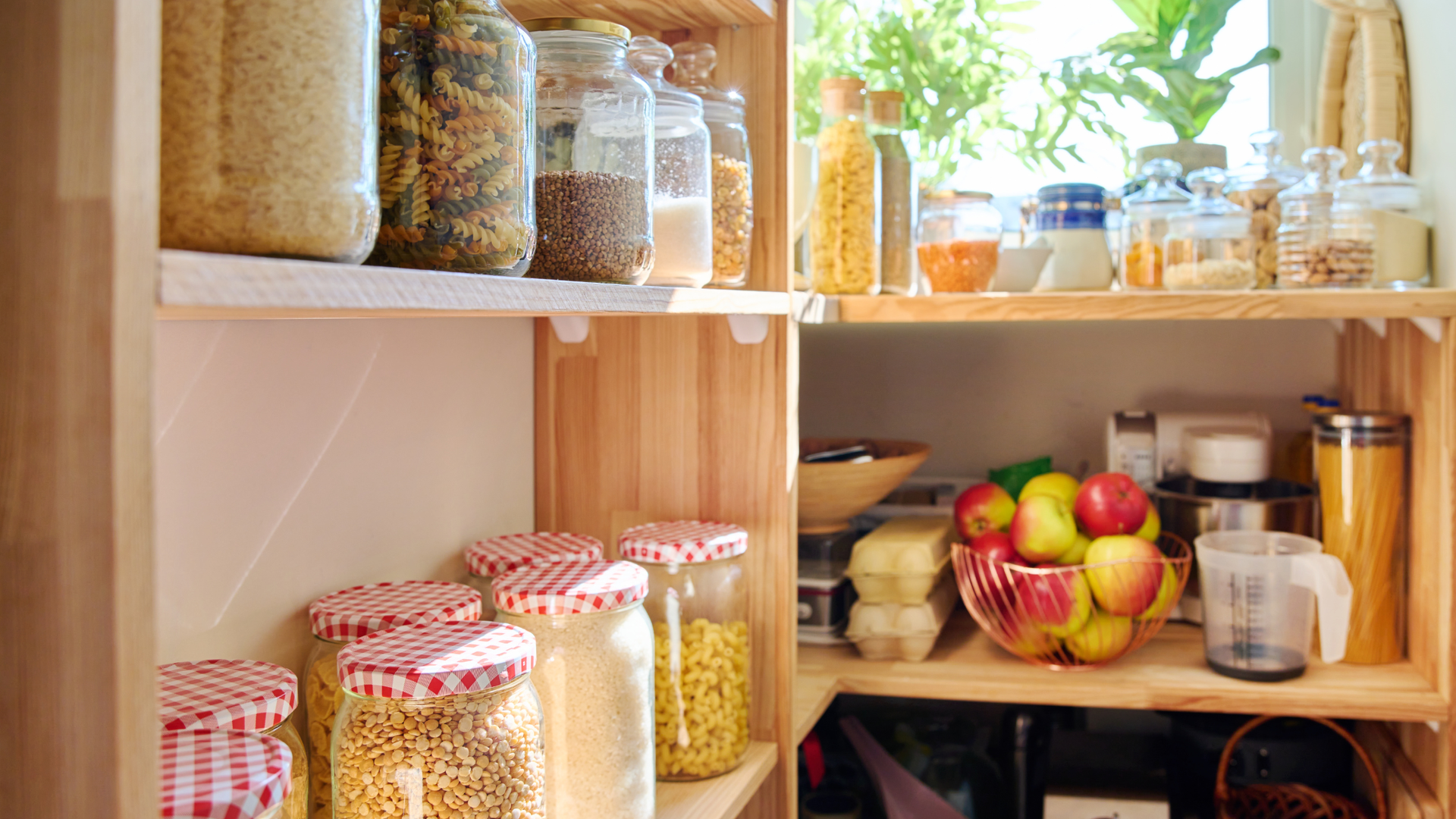
A simple “hydration kit” for your pantry (and why it helps)
When summer schedules get busy, the best hydration routine is the one you’ll actually repeat. Here’s a low-fuss setup:
United States summer angle: heat, travel, and “air-conditioned dehydration”
Across the United States, hot-weather dehydration isn’t just about sun. Many families get dehydrated during:
A helpful routine is to make one “electrolyte bottle” earlier in the day, then drink plain water the rest of the time—especially if you’re watching sodium intake.
Shop hydration-friendly essentials (and keep it simple)
FAQ: electrolyte recipes, gut health, and essential oils
How do I know if I need electrolytes or just water?
If you’ve been sweating, spending time in heat, traveling, or exercising and you notice headaches, fatigue, muscle cramping, or you’re peeing very clear very often, adding a small amount of sodium can help. Start light and see how you feel.
Can electrolyte drinks upset my stomach?
Yes—especially if they’re very sweet, highly acidic, carbonated, or use sugar alcohols. For a gut-gentle option, use water + a pinch of salt + mild citrus, and sip slowly.
Is sugar necessary in electrolyte recipes?
Not always. Light electrolytes for everyday heat can be sugar-free. Sugar can be helpful for more intense training or more significant dehydration because glucose can support absorption in certain rehydration formulas.
What’s the safest way to use essential oils with drinks?
Use only essential oils labeled for dietary/internal use, follow the label, and keep the amount very small. If you’re unsure, skip internal use and choose lemon zest, cucumber, mint, or herbal infusions for flavor.
Who should be careful with electrolyte drinks?
Anyone with kidney disease, uncontrolled hypertension, heart failure, or those on medications that affect fluid/electrolyte balance should talk with a clinician before increasing sodium, potassium, or magnesium.
Glossary