
Spring Entertaining: Essential Oil-Infused Recipes and Decor Ideas
May 20, 2026
Fresh, bright, and naturally welcoming—without a complicated setup
Spring gatherings feel best when your home smells clean, food tastes vibrant, and the vibe is light—like you opened the windows and let the season in. At YL Family
, we love helping families build simple, toxin-conscious routines that still feel special. This guide shares practical ways to add essential oils to your spring entertaining—through aromatic “oil-inspired” mocktails
, herb-forward recipes
, and natural decor
that looks elevated but stays easy to live with.
Quick safety note (important)
Essential oils are highly concentrated. Many reputable health and aromatherapy organizations advise not ingesting essential oils
unless you’re under guidance and using products specifically labeled for internal use. For family-friendly entertaining, this post leans on aroma, herbs, citrus, and botanicals
to capture the same experience—plus optional “labeled-for-internal-use” considerations if you choose to go that route.
Part 1: “Oil-infused” flavor—without overcomplicating your kitchen
When people say “essential oil-infused recipes,” they often mean one of two things:
1) Aroma + botanical flavor pairing
(the safest and most crowd-friendly approach): Use fresh herbs, citrus zest, spices, edible flowers, and a diffuser nearby to create a coordinated sensory experience.
2) True internal-use flavoring
(only if specifically labeled for that purpose): Some brands offer oils marketed as flavoring or dietary-use lines. If you choose this approach, treat it like a potent ingredient—verify labeling, follow directions precisely, and keep it away from kids and pets.
A simple spring entertaining formula
Choose one “scent theme”
(diffuser) + one “taste theme”
(food & drinks).
Scent theme ideas:
citrus-clean, herb garden, floral-fresh, or cozy-spice.
Taste theme ideas:
lemon + basil, grapefruit + rosemary, strawberry + mint, or cucumber + dill.
Part 2: Spring entertaining recipes (clean, bright, family-friendly)
1) “Botanical Bar” Sparkling Mocktail Station
Set out:
Bases:
sparkling water, unsweetened iced tea, ginger beer, or kombucha
Mix-ins:
lemon/lime wedges, cucumber ribbons, fresh mint, rosemary sprigs, frozen berries
Elevators:
honey syrup, pomegranate juice, or a pinch of sea salt (surprisingly good in citrus)
“Aroma pairing”:
diffuse a bright citrus or herb blend in a nearby room (not directly above food)
Hosting tip: Label two “signature” combinations on small cards (example: Cucumber + Mint + Lime
, Berry + Lemon + Rosemary
) so guests don’t need instructions.
2) Spring Citrus & Herb Yogurt Dip (for fruit or a brunch board)
Ingredients:
plain Greek yogurt, lemon zest, honey, pinch of salt, chopped mint (or basil), optional vanilla
Serve with:
strawberries, pineapple, kiwi, grapes, or a simple granola bowl bar
Make it feel “special”: Use a wide, shallow bowl and top with extra zest + chopped herbs for a garden-party look.
3) Sheet-Pan Spring Veg with Lemon & Dill
Try:
asparagus, baby potatoes, carrots, red onion, and chickpeas
Flavor:
olive oil, lemon zest/juice, dill, garlic, salt, pepper
Entertaining win: One pan feeds a crowd, and it’s naturally colorful—no extra decor needed on the table.
Part 3: Natural party decor that looks styled (but feels effortless)
Spring 2026 decor trends continue leaning toward natural materials
, botanical details
, and slightly richer, “lived-in” color—think linen, woven textures, vintage accents, and deeper spring hues rather than only pastels. Use that as permission to keep it simple and grounded.
Three easy decor moves
1) One “botanical runner”
Lay eucalyptus (or seasonal greenery) down the center of the table, then tuck in lemons, limes, or small flowers. It photographs beautifully and takes minutes.
Lay eucalyptus (or seasonal greenery) down the center of the table, then tuck in lemons, limes, or small flowers. It photographs beautifully and takes minutes.
2) Scent zoning
Keep food aromas pure in the kitchen/dining area. Use a diffuser in the entryway or living room so guests notice it on arrival, not while eating.
Keep food aromas pure in the kitchen/dining area. Use a diffuser in the entryway or living room so guests notice it on arrival, not while eating.
3) “Clean” candle moment
If you use candles, choose unscented at the table (less scent conflict), and add scent via botanicals or a separate room diffuser.
If you use candles, choose unscented at the table (less scent conflict), and add scent via botanicals or a separate room diffuser.
Quick table: Scent themes that pair well with spring menus
| Theme | Decor cues | Food & drink pairings | Best place to diffuse |
|---|---|---|---|
| Citrus-clean | white + greenery, lemons, glassware | lemon-herb dip, veggie platters, sparkling mocktails | entryway / living room |
| Herb garden | potted herbs as centerpieces | rosemary citrus drinks, sheet-pan spring veg | hallway / open living space |
| Floral-fresh | bud vases, linen napkins, vintage glass | berry-forward desserts, fruit boards | bathroom / guest room |
Note: Keep diffusers away from direct airflow onto food, and be mindful of guests with asthma, allergies, or migraine triggers.
Did you know? (Fast facts that make hosting easier)
Diffusing isn’t “set it and forget it.”
Short sessions can feel fresher than constant diffusion—especially with kids, pets, or sensitive guests.
Citrus zest gives big flavor fast.
If you want that bright “oil-like” citrus note in recipes, zest is often the simplest and most consistent way.
Herbs double as decor.
Small pots of mint, rosemary, or basil can be centerpieces, garnish, and a take-home gift.
Local angle: Spring entertaining in the United States
Across the U.S., spring entertaining often shifts outdoors quickly—patios, porches, and backyard tables reappear as soon as weekends warm up. Two practical ways to keep it comfortable:
1) Build a “fresh air entry moment.”
A simple basket with a light throw, SPF, and hand wipes helps guests settle in and keeps your hosting calm.
2) Keep scent subtle outdoors.
Outdoor airflow disperses aroma quickly, so go lighter. Focus on botanicals (citrus slices, herb pots, flowering branches) rather than strong diffusion near seating.
If your guest list includes little ones: store oils and blends out of reach, and avoid leaving open bottles on counters during parties.
Shop spring favorites and build your “clean hosting” kit
Stock a few reliable essentials—home-friendly aromas, personal care swaps, and wellness staples—so hosting feels simple every time.
FAQ: Spring entertaining with essential oils
Can I cook or bake with essential oils?
Many safety organizations recommend avoiding internal use unless you’re trained and/or using products specifically labeled for internal use and following directions carefully. For most gatherings, you can get the same “bright” effect using citrus zest, herbs, and spice—then use oils for aroma in a separate space.
What’s the easiest way to make my home smell “spring clean” for guests?
Tidy up scent sources first (trash, sink, towels), crack windows for 10–15 minutes, then diffuse lightly in the entryway or living room. Keep scents subtle around food and mindful of sensitivities.
How do I avoid scent headaches for guests?
Use short diffusion sessions, choose softer profiles (citrus/herb over heavy florals), and create a “no-scent zone” where people can take a break. Unscented candles at the table also help.
Is it safe to diffuse essential oils around kids and pets?
Use extra caution. Keep oils out of reach, avoid direct exposure, and diffuse in well-ventilated areas for short periods. If anyone has asthma, allergies, or respiratory sensitivity, skip diffusion or keep it very minimal.
What are “oil-infused recipes” if I’m not ingesting essential oils?
Think of it as “oil-inspired.” You match aroma and flavor families: herb-forward foods with an herb-garden scent profile, citrus dishes with a citrus-clean home aroma, and floral fruit boards with a gentle floral-fresh vibe.
Glossary (helpful terms)
Diffusion
Dispersing aromatic molecules into the air using a diffuser. For entertaining, it’s best used in short sessions and away from food.
Dispersing aromatic molecules into the air using a diffuser. For entertaining, it’s best used in short sessions and away from food.
Scent zoning
Using fragrance in specific areas (entryway/living room) while keeping dining areas neutral so aromas don’t compete with food or overwhelm guests.
Using fragrance in specific areas (entryway/living room) while keeping dining areas neutral so aromas don’t compete with food or overwhelm guests.
Botanical runner
A table “runner” made from greenery, herbs, citrus, and flowers. It’s a centerpiece and decor in one.
A table “runner” made from greenery, herbs, citrus, and flowers. It’s a centerpiece and decor in one.
Carrier oil
A neutral oil (like jojoba or fractionated coconut oil) used to dilute essential oils for topical use. Not the same as cooking oil.
A neutral oil (like jojoba or fractionated coconut oil) used to dilute essential oils for topical use. Not the same as cooking oil.

Discover teen-friendly bedtime routines with gentle essential oils for 8–10 hours of sleep. Try simple wind-down steps for calmer nights and rested mornings.
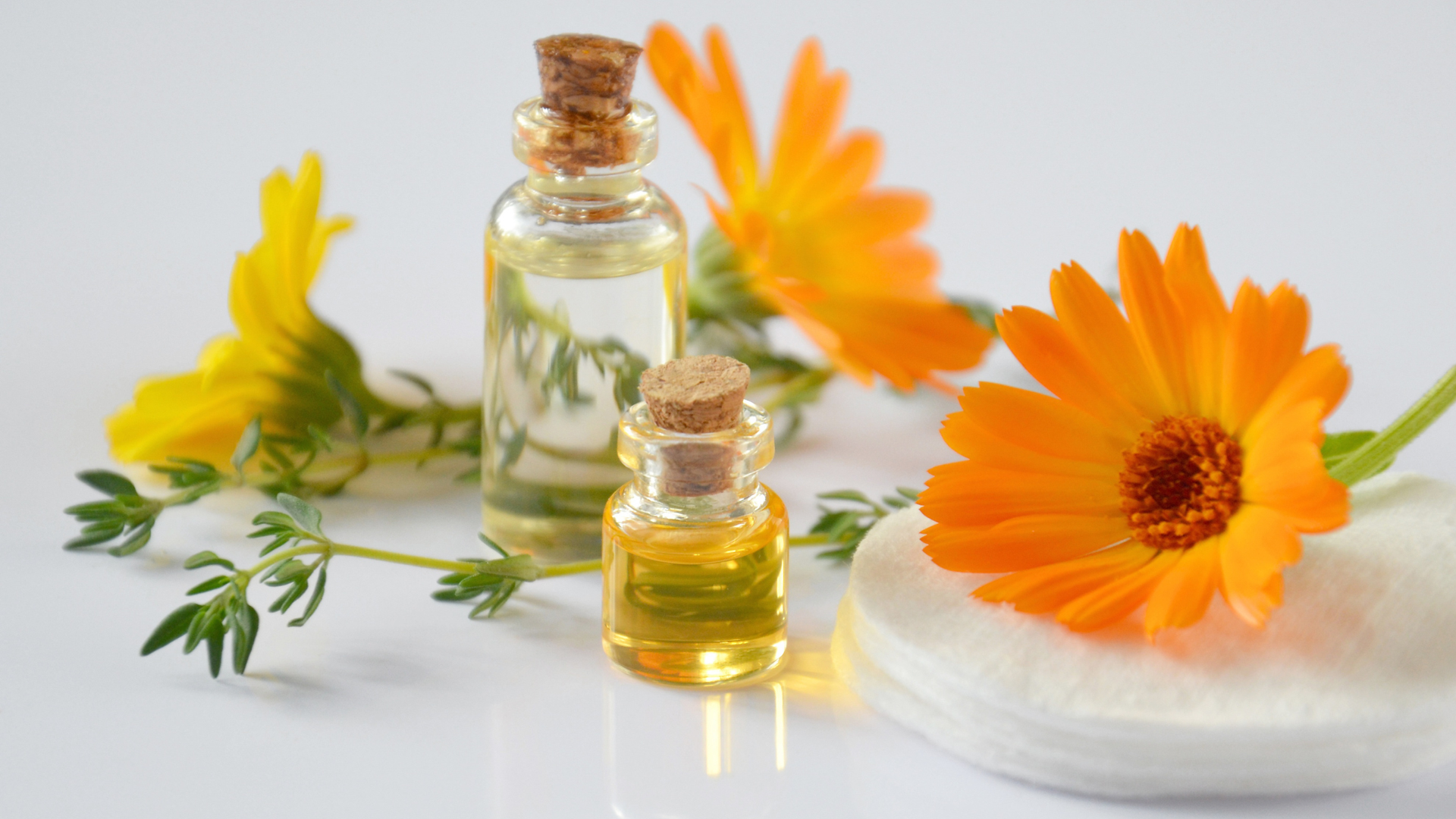
Learn essential oil safety & dilution basics with practical tips. Discover phototoxicity warnings, dilution ratios, and beginner routines for confident, safe use.
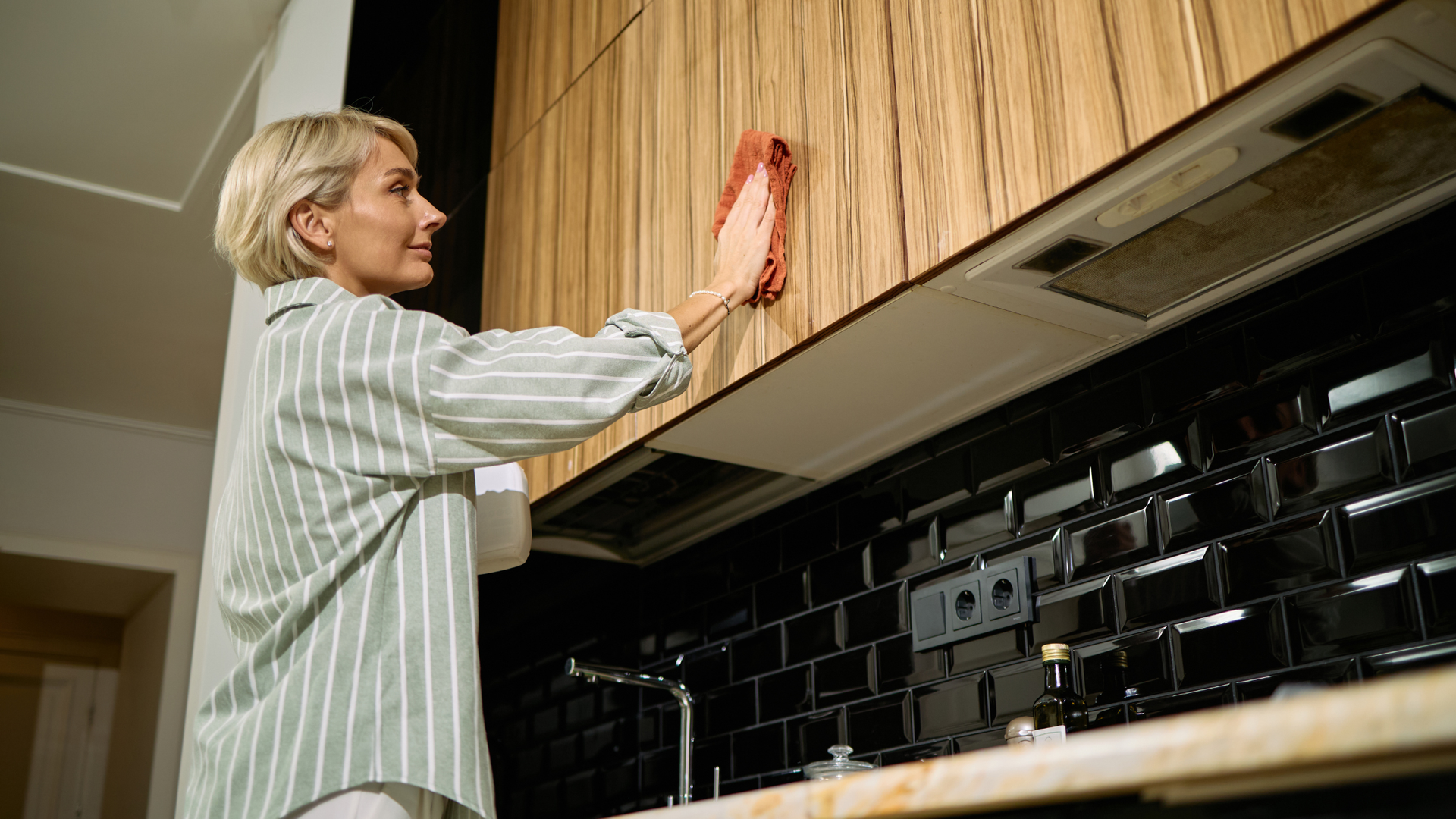
Learn to make eco-friendly DIY cleaning tablets with baking soda, citric acid & essential oils for effective, low-toxin home cleaning and reduced plastic waste.
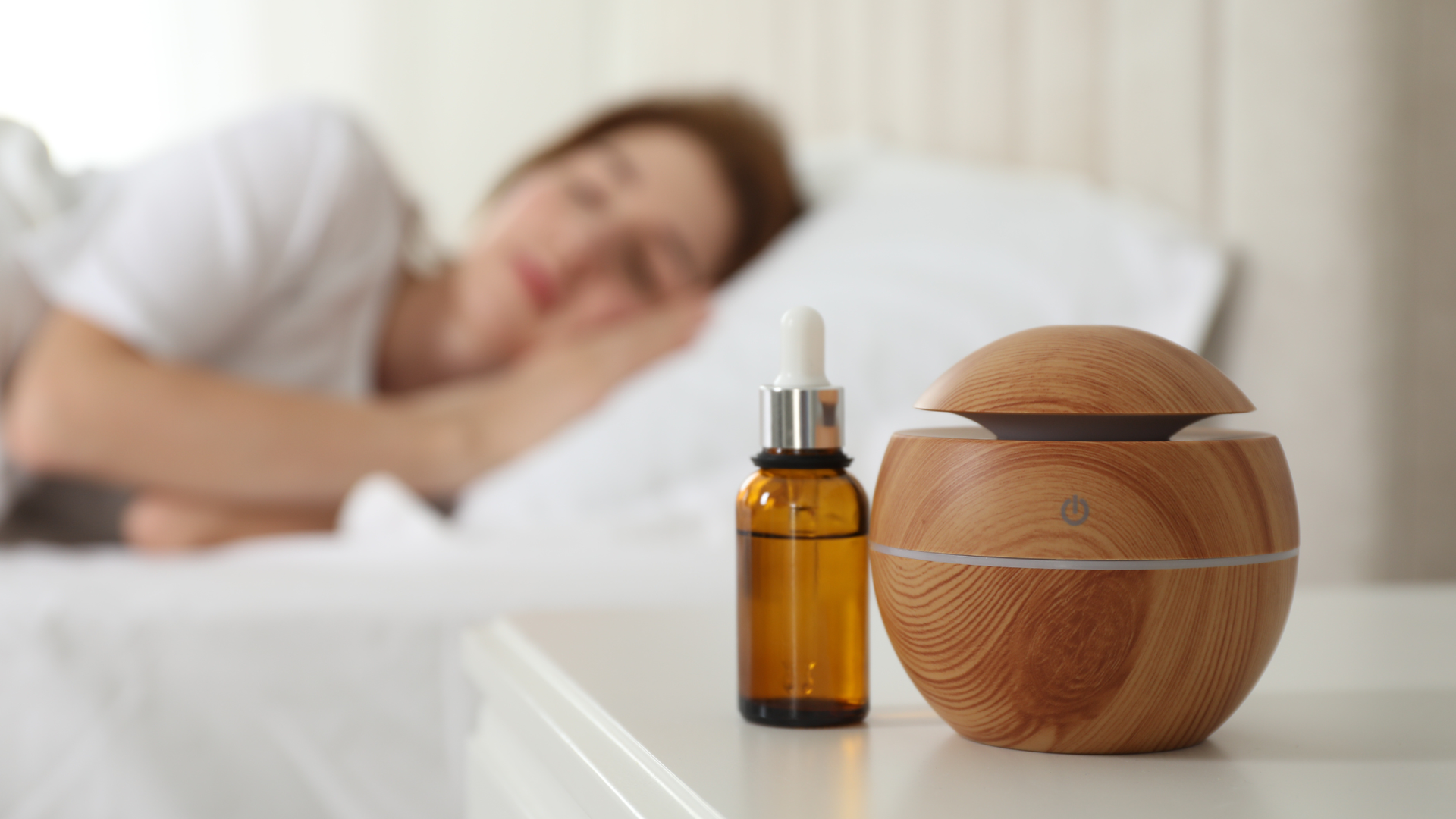
Learn to use essential sleep oils topically or aromatically for a calming bedtime routine. Get practical tips on diffusing, dilution, habit-building.

Unwind overworked joints before bed with a 10-minute essential oil massage. Get dilution tips, techniques, and simple routines for soothing nighttime comfort.
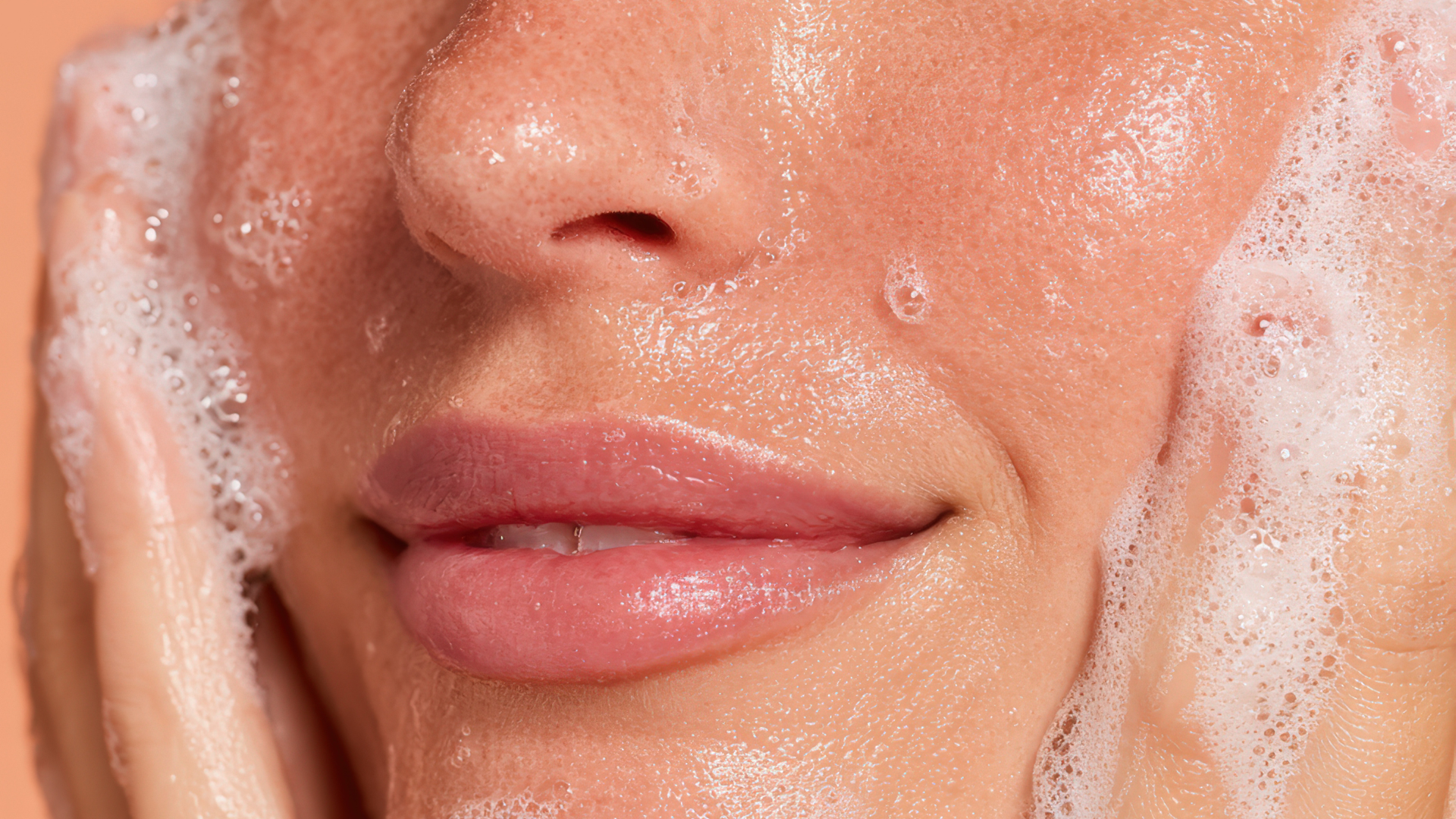
Build a gentle, toxin-free facial care routine with essential oils. Discover safe dilution, patch testing, AM/PM steps and tips for cleaner, healthier skin.

Discover 3 simple essential oil routines to ease work-life stress. Get safety tips and quick scent cues for calm focus and evening wind-downs.
Explore gentle, kid-safe essential oil blends to support your family's cold and flu wellness routines with safe dilution, diffusion tips, and home habits.

Discover a practical monthly menstrual self-care ritual using essential oils, heat, movement, and grounding habits. Safe, realistic tips for comfort and calm.

Kickstart your day with a 10-minute morning ritual using essential oils to support immunity, hydration, hygiene, and stress relief. Simple family tips.