
Mom’s Massage Ritual: Calming Essential Oil Recipes to Soothe Tension
May 7, 2026
A simple, repeatable reset for busy days—built around touch, breath, and clean ingredients
When your shoulders feel glued to your ears and your jaw won’t unclench, a short massage ritual can shift your whole nervous system. At YL Family
, we’re big believers in small, consistent practices: a few minutes of gentle massage with a properly diluted essential oil blend can help you feel grounded, cared for, and more comfortable in your body—without turning “self-care” into another to-do list.
This guide shares easy massage oil recipes
designed for real life: quick to mix, pleasant to use, and mindful about topical safety. You’ll also find a step-by-step ritual you can repeat after work, after school pickup, or before bed—plus a dilution cheat sheet so you can blend with confidence.
The foundation: carrier oils, dilution, and why it matters
Essential oils are concentrated. For massage, they should be mixed into a carrier oil
(like fractionated coconut, jojoba, sweet almond, or grapeseed). Proper dilution helps reduce the risk of irritation and makes your blend comfortable for repeated use.
Many aromatherapy references place adult massage blends in the 1–3% range depending on sensitivity and how large an area you’re applying. A widely used “daily-use” starting point is around 2% for adults. Some guidance also notes that drop size varies by oil viscosity and bottle insert, so treat drop counts as approximate and prioritize how your skin responds.
Many aromatherapy references place adult massage blends in the 1–3% range depending on sensitivity and how large an area you’re applying. A widely used “daily-use” starting point is around 2% for adults. Some guidance also notes that drop size varies by oil viscosity and bottle insert, so treat drop counts as approximate and prioritize how your skin responds.
Quick dilution cheat sheet (adult massage)
1 oz (30 mL) carrier
• 1% = ~6 drops total essential oils
• 2% = ~12 drops total essential oils
• 3% = ~18 drops total essential oils
Tip: If you’re new, start at 1% for neck/shoulders and move up only if your skin loves it.
• 1% = ~6 drops total essential oils
• 2% = ~12 drops total essential oils
• 3% = ~18 drops total essential oils
Tip: If you’re new, start at 1% for neck/shoulders and move up only if your skin loves it.
Sub-topic: safety notes that keep your ritual relaxing
A calming blend should feel calming—so a few guardrails help.
Patch test first:
Try a small amount on your inner forearm and wait 24 hours before broader use.
Avoid eyes and mucous membranes:
Keep blends away from eyes, inside the nose, and sensitive skin areas.
Photosensitivity caution:
Some citrus oils (notably certain bergamot preparations) can increase sun sensitivity when left on skin. If you’re using bergamot or other citrus oils topically, be conservative and avoid sun/UV exposure on the area for the next day, or choose non-phototoxic options for daytime blends.
If pregnant, nursing, or using meds:
Check with a qualified clinician for personalized guidance—especially if you have asthma, migraines triggered by scent, or sensitive skin conditions.
Did you know? (Quick calming facts)
Smell and stress are linked:
The olfactory system connects quickly to brain areas involved in emotion and memory—one reason aromatherapy can feel “fast-acting.”
Massage doesn’t need to be long:
Even 5–10 minutes of gentle touch plus slow breathing can help your body shift out of “fight-or-flight.”
Less can be more:
Lower dilutions often smell better on skin and are easier to use consistently—especially around kids or scent-sensitive family members.
Step-by-step: the 10-minute “Mom’s Massage Ritual”
1) Set the cue (30 seconds)
Pick one consistent trigger: right after dinner cleanup, after the kids are in bed, or after your shower. Consistency turns this into a habit, not a project.2) Warm your blend (30 seconds)
Add a dime-sized amount of your massage oil to your palms and rub hands together. Warm oil feels more soothing and spreads more evenly.3) Neck + shoulders (3 minutes)
Use slow circles from the base of your skull outward over the tops of the shoulders. Keep pressure comfortable—aim for “relief,” not “deep tissue.”4) Jaw + temples (2 minutes)
With light pressure, massage the hinge of the jaw (near the ear) and the temples. If you grind your teeth, this can be a game-changer.5) Hands + forearms (3 minutes)
Rub oil into palms, then move up the forearm with long strokes. This is especially helpful if you’re on a phone/computer or carrying kids and bags.6) Close with 4 slow breaths (1 minute)
Inhale through the nose for 4 counts, exhale for 6. Longer exhales help tell the nervous system it’s safe to soften.Massage oil recipes (easy, calming, and family-friendly)
Each recipe below is designed for a 1 oz (30 mL)
bottle and uses a 2% dilution (12 total drops)
. Choose a carrier oil you like, add essential oils, cap, and gently roll the bottle between your palms to mix.
| Blend name | Drops (total = 12) | Best for | Scent profile |
|---|---|---|---|
| Shoulders Unwind | Lavender 6 + Frankincense 4 + Cedarwood 2 | Neck/shoulder tension after a long day | Herbal-resinous, soft wood |
| Quiet Mind (Bedtime) | Lavender 7 + Roman chamomile 3 + Vetiver 2 | Wind-down routine, racing thoughts | Sweet-floral, deep earthy base |
| Bright & Calm (Daytime) | Bergamot 4 + Lavender 5 + Frankincense 3 | Midday stress, emotional reset | Citrus-lift with a calm finish |
| Head & Jaw Ease | Lavender 6 + Peppermint 2 + Frankincense 4 | Tension around temples, jaw, upper neck | Cooling-herbal with resin notes |
Note: If you use a citrus-forward blend on exposed skin, consider saving it for evening or keeping the area covered the next day.
Breakdown: how to customize your blend (without overcomplicating it)
Think in roles—then keep the total drop count the same.
1 “Anchor” oil (4–7 drops):
calming floral or grounding resin/wood (lavender, frankincense, cedarwood, vetiver).
1 “Support” oil (3–5 drops):
softens the profile (chamomile, cedarwood, frankincense).
1 “Top note” (0–4 drops):
brightens (bergamot) or cools (peppermint). For sensitive skin, keep “hot” oils (like cinnamon/clove/oregano) out of massage blends unless you’ve been trained in advanced dilution limits.
Local angle: making this ritual work anywhere in the United States
Life looks different in every region—dry winters, humid summers, altitude, travel, long commutes, and packed school calendars. A few practical tweaks keep your massage ritual comfortable year-round:
Dry climates or winter heat:
Choose richer carriers (jojoba or sweet almond) and start at 1% dilution to reduce irritation on dry skin.
Humid regions:
Lighter carriers (grapeseed) can feel less “heavy.” Apply less and massage longer.
Sunny seasons:
Use non-citrus blends for daytime shoulders/arms, or cover the area after application.
Travel:
Make a 10 mL roller version at 1–2% dilution for on-the-go calm (always label it clearly).
Ready to build your massage ritual?
Shop essential oils and wellness favorites through YL Family, and keep your routine simple: one carrier oil, one bottle, one blend you’ll actually use.
FAQ
What’s the safest dilution for a beginner massage oil?
For most adults, 1%
is a gentle starting point, especially for the neck and chest area. If your skin tolerates it well, 2%
is commonly used for adult massage on larger areas like shoulders and back.
How long does a DIY massage blend last?
Many blends keep well for several months when stored tightly capped, away from heat and sunlight. If the carrier oil smells “off” (rancid), discard and remake.
Can I use these massage oil recipes on kids?
Kids need different dilution and oil selection. Use child-specific guidance and consider a much lower dilution. When in doubt, get personalized support before applying essential oils topically to children.
What if my blend doesn’t smell strong enough?
Resist the urge to keep adding drops. Scent intensity changes as oils settle into the carrier. Give it 24 hours, and if you still want more aroma, increase gradually next time (staying within safe dilution ranges).
Where should I not apply massage oils?
Avoid eyes, eyelids, inside the nose, inside ears, broken skin, and very sensitive areas. If irritation occurs, wash with gentle soap and plenty of water, and stop using the blend.
Glossary
Carrier oil
A neutral plant oil used to dilute essential oils for safer topical application (example: jojoba, sweet almond, fractionated coconut).
Dilution (%)
How much essential oil is in a finished blend compared to the total volume. Massage blends for adults often fall around 1–3% depending on sensitivity and use.
Patch test
A small skin test (usually inner forearm) used to check for irritation or sensitivity before using a blend more broadly.
Photosensitivity
A reaction where certain oils on skin can increase sensitivity to UV light. Some citrus oils (including certain bergamot preparations) may increase risk of sun-related skin reactions when left on.
Educational content only. These suggestions are not intended to diagnose, treat, cure, or prevent any disease. If you have a medical condition or concerns about topical sensitivity, consult a qualified healthcare professional.

Discover teen-friendly bedtime routines with gentle essential oils for 8–10 hours of sleep. Try simple wind-down steps for calmer nights and rested mornings.
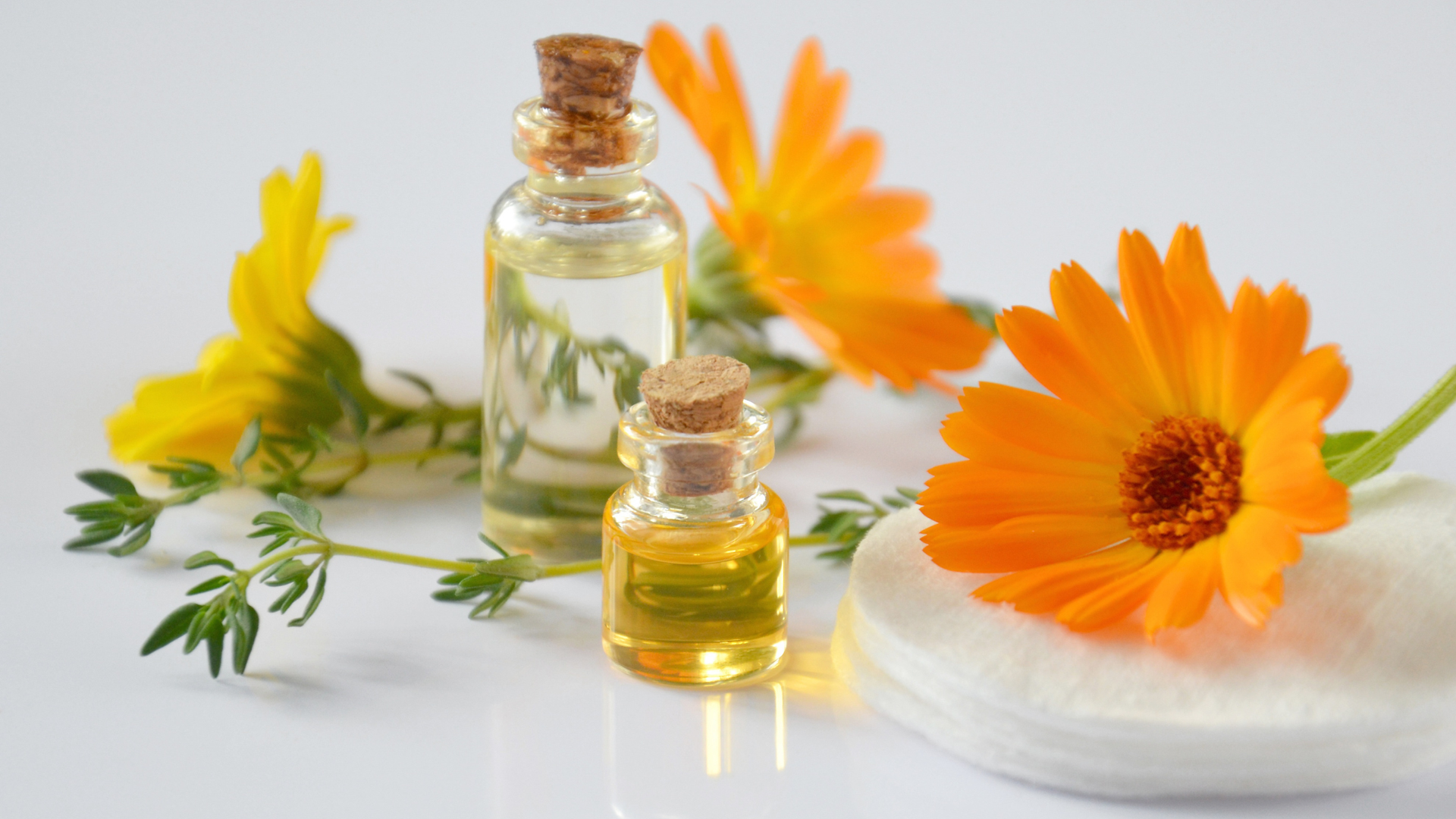
Learn essential oil safety & dilution basics with practical tips. Discover phototoxicity warnings, dilution ratios, and beginner routines for confident, safe use.
Learn to make eco-friendly DIY cleaning tablets with baking soda, citric acid & essential oils for effective, low-toxin home cleaning and reduced plastic waste.
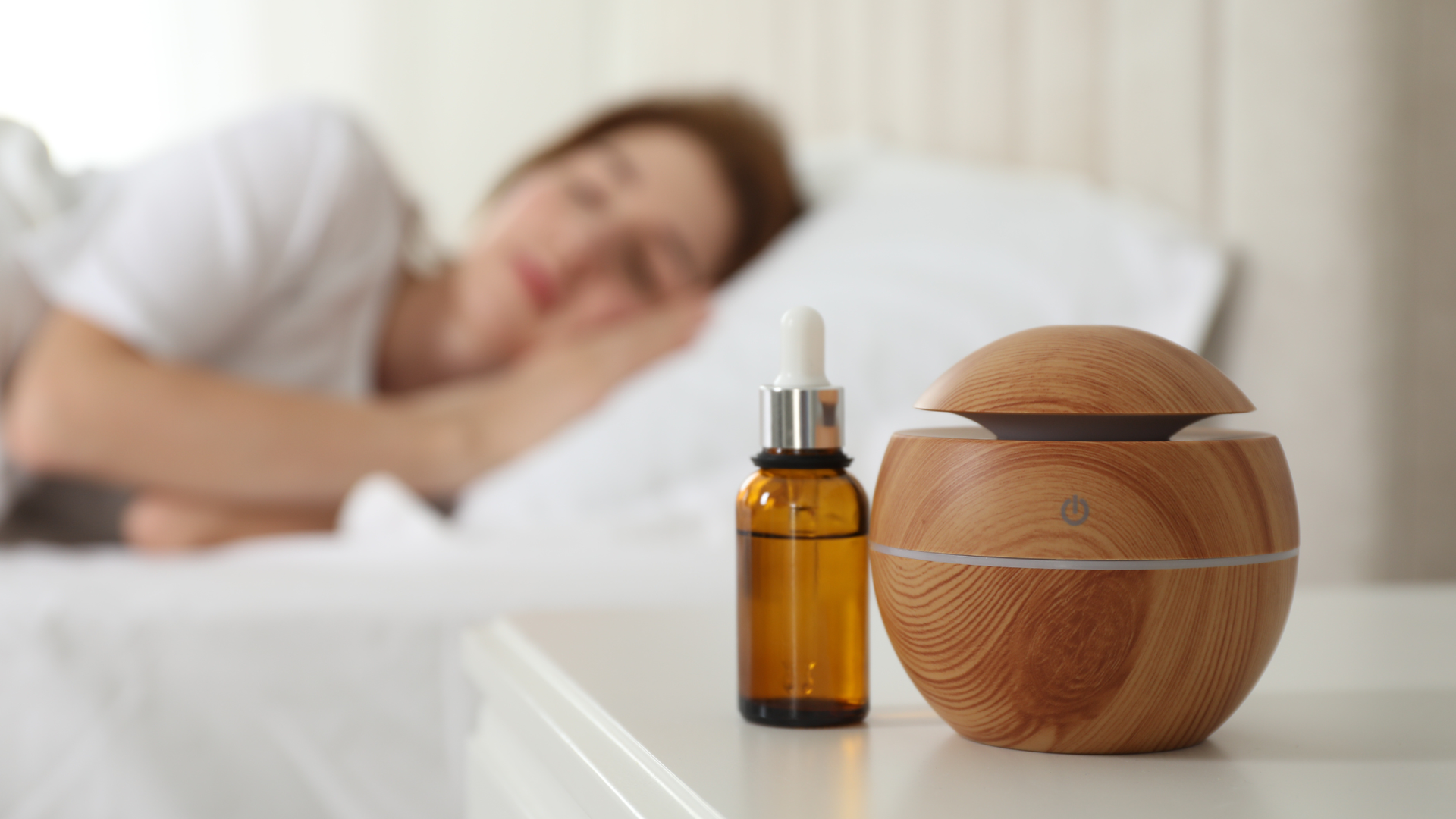
Learn to use essential sleep oils topically or aromatically for a calming bedtime routine. Get practical tips on diffusing, dilution, habit-building.
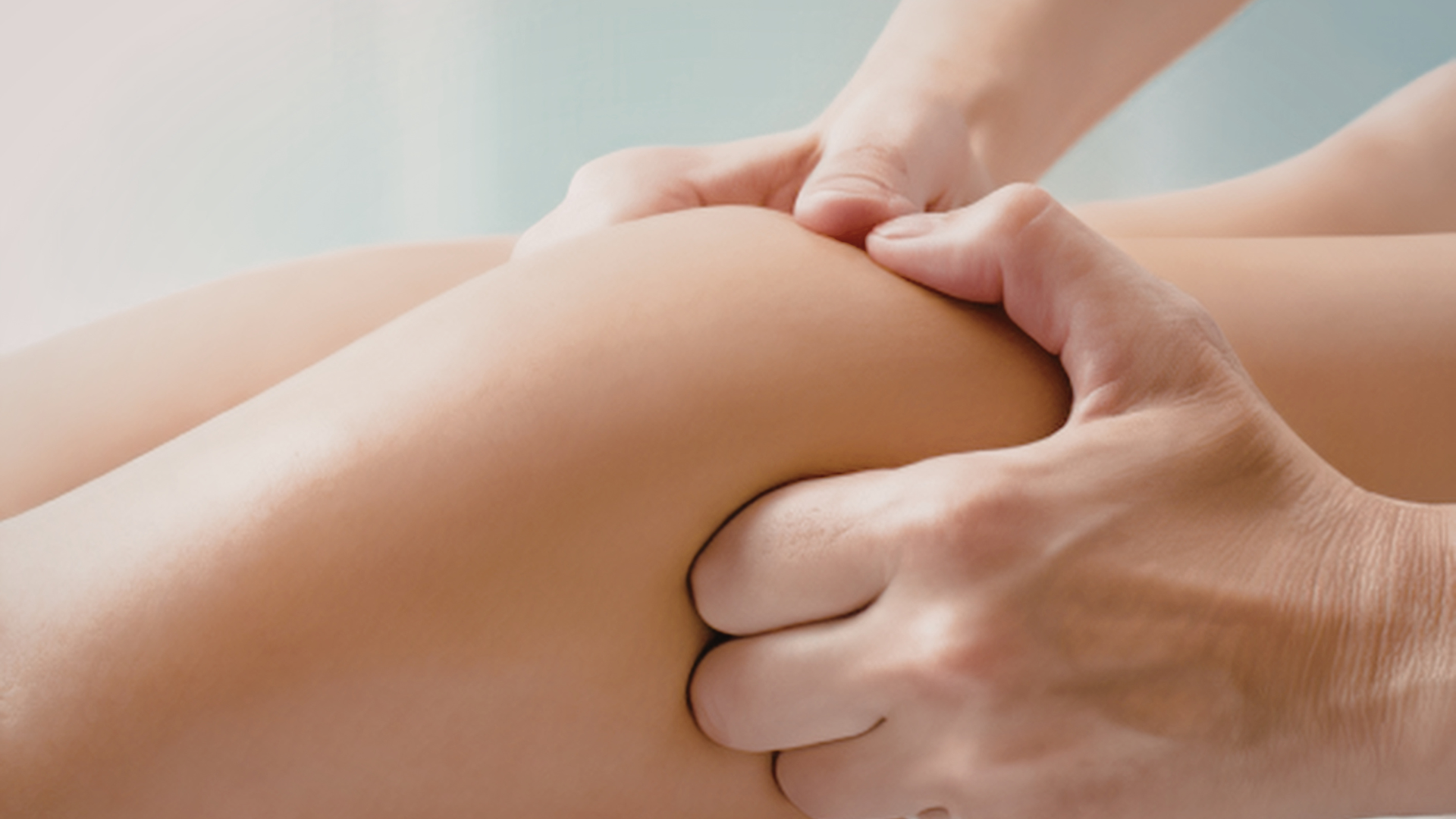
Unwind overworked joints before bed with a 10-minute essential oil massage. Get dilution tips, techniques, and simple routines for soothing nighttime comfort.
Build a gentle, toxin-free facial care routine with essential oils. Discover safe dilution, patch testing, AM/PM steps and tips for cleaner, healthier skin.

Discover 3 simple essential oil routines to ease work-life stress. Get safety tips and quick scent cues for calm focus and evening wind-downs.
Explore gentle, kid-safe essential oil blends to support your family's cold and flu wellness routines with safe dilution, diffusion tips, and home habits.

Discover a practical monthly menstrual self-care ritual using essential oils, heat, movement, and grounding habits. Safe, realistic tips for comfort and calm.

Kickstart your day with a 10-minute morning ritual using essential oils to support immunity, hydration, hygiene, and stress relief. Simple family tips.