Garden Care with Essential Oils: Natural Solutions for Healthy, Pest-Resistant Plants
A cleaner way to care for your garden—without “scorched earth” chemicals
If you’re aiming for vibrant herbs, thriving tomatoes, and flowers that actually look like they belong in a magazine, you’ve probably run into the same frustration every gardener does: pests and plant stress show up fast, and conventional sprays can feel like an overreaction—especially when kids, pets, pollinators, and edible plants are part of your yard.
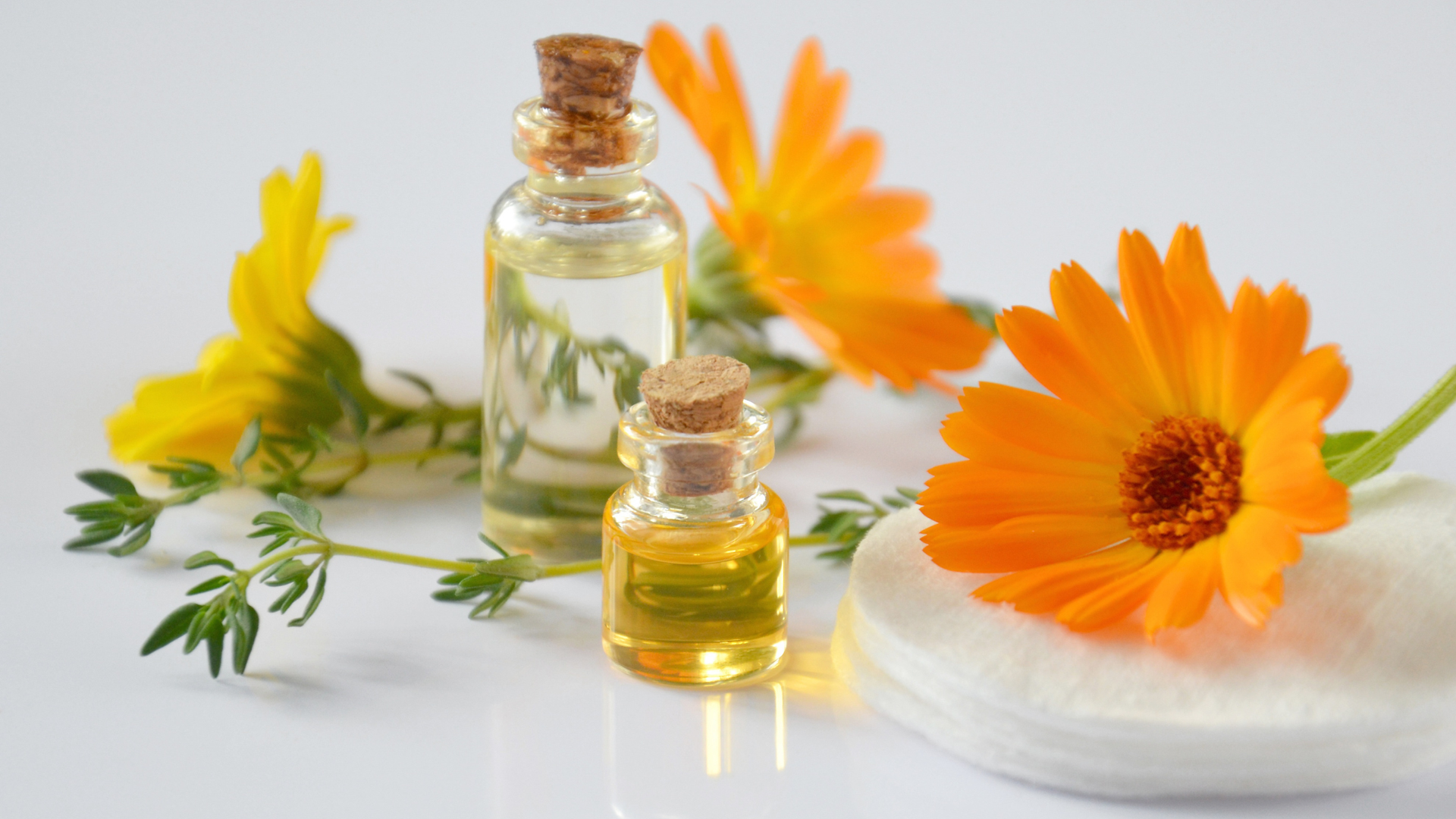
Essential oils can be one useful tool in a “plant-friendly” toolkit. Certain plant oils have been studied for their ability to repel or disrupt insect pests, and they’re often used as part of integrated pest management (IPM)—meaning you combine gentle methods instead of relying on one harsh fix. You’ll still want realistic expectations: essential oils aren’t a magic shield, and they don’t replace good garden habits. Used thoughtfully, though, they can help you discourage pests and support healthier growing conditions.
How essential oils fit into “natural pest control” (and why it works sometimes)
Plants make aromatic compounds for a reason: to communicate, defend themselves, and deter threats. Many essential oils contain concentrated versions of these compounds. In lab and greenhouse research, specific plant essential oils have shown repellent or insecticidal activity against certain pests, and some studies also suggest they can influence plant defense responses in specific contexts.
Practical takeaway: essential oils tend to work best as short-term repellents, especially when you apply them consistently and pair them with basics like pruning, airflow, and watering correctly. If you’re dealing with an advanced infestation, you may need to escalate to additional IPM steps rather than increasing oil strength.
Garden-safe mindset first: dilution, timing, and testing
Essential oils are highly concentrated. “Natural” doesn’t automatically mean “gentle,” especially for tender leaves, seedlings, and pollinator activity. Before any recipe, use these guardrails:
If you have cats or dogs that roam your yard, use extra caution. Veterinary poison-control organizations note that certain essential oils can be harmful to pets, particularly with direct exposure or ingestion—so avoid letting pets contact wet spray or lick treated leaves. When in doubt, skip oils in areas your pets can access.
Step-by-step: simple essential-oil garden spray (beginner-friendly)
This is a light, general-purpose “discouragement” spray designed for early signs of pest pressure (like aphids, whiteflies, or curious ants). It’s not a guaranteed cure for heavy infestations, but it’s a reasonable first step when you want to start gently.
Recipe: 16 oz (1 spray bottle)
How to mix & apply
Tip: if the plant is already stressed (heat wave, transplant shock, drought), reduce frequency. A stressed plant is more likely to show “spray burn.”
Targeted tips by garden problem (what to try first)
1) Aphids & whiteflies
Start with a strong “garden hygiene” combo: rinse with a gentle stream of water, prune heavily infested tips, then use a light essential oil spray for follow-up deterrence. Consistency matters more than concentration.
2) Ant trails (especially near raised beds)
Ants often show up because they’re “farming” aphids for honeydew. Address aphids first. Then, lightly spray along ant trails on hard surfaces (not directly on edible leaves). Reapply after rain.
3) Fungal pressure (powdery mildew conditions)
Focus on airflow and watering practices: water at the soil line in the morning, thin crowded growth, and remove affected leaves. Essential oils are sometimes discussed for antifungal properties, but “DIY antifungal sprays” can irritate leaves—so prioritize the non-spray fundamentals first, then patch test any approach carefully.
Did you know? Quick facts that help your garden immediately
Optional table: choose the right approach for your situation
| Garden scenario | Best first move | Where essential oils fit | Common mistake to avoid |
|---|---|---|---|
| A few pests spotted early | Rinse + prune + observe | Light deterrent spray every 2–4 days | Over-concentrating oils |
| Repeated pest pressure | Add barriers + beneficial insect habitat | Rotate mild blends; keep consistent | Spraying blooms during pollinator hours |
| Plant looks stressed (heat/drought) | Water correctly + shade cloth if needed | Pause sprays; patch test later | Spraying at midday |
| Heavy infestation | Stronger IPM plan (mechanical removal, targeted products) | Supportive, not primary | Relying on one DIY spray alone |
Local angle: practical garden strategies across the United States
Gardening in the United States spans everything from humid summers and fast-spreading mildew pressure to dry, high-sun climates where plants can scorch quickly. Essential-oil sprays are most successful when you adjust for your region’s realities:
Shop clean-living essentials with YL Family
If you’re building a lower-toxin lifestyle at home and in the garden, YL Family can help you choose high-quality essential oils and wellness staples with practical guidance from a multigenerational team.
FAQ: Garden essential oils, natural pest control, and plant health
Glossary (helpful garden terms)