Mosquito Defense: Essential Oils for Natural Outdoor Protection
Bite-free doesn’t have to mean harsh: a practical guide to mosquito-repellent oils
When warm weather calls you outside, mosquitoes can turn a relaxing evening into an itchy, stressful experience. Many families want a natural bug defense that fits a cleaner, toxin-aware lifestyle—without guessing what’s safe or effective. This guide breaks down what “mosquito repellent oils” can realistically do, which essential oils have the strongest evidence for repelling, and how to use outdoor aromatherapy strategies in a way that’s skin-smart and family-friendly.
What makes mosquitoes land (and how essential oils help)
Mosquitoes don’t just “like your blood”—they’re tracking you with a mix of body heat, carbon dioxide you exhale, and skin odors. A well-chosen essential oil blend may help by masking some of those cues or by creating a scent barrier that discourages landing. The catch: many essential oils evaporate quickly, so protection often lasts a shorter time than conventional repellents unless the formula is designed to slow evaporation (for example, with a lotion base or a proper fixative).
Realistic expectation: essential-oil approaches can be helpful for backyard dinners, walks, and kids’ sports sidelines—especially when paired with common-sense bite prevention (clothing, timing, eliminating standing water). For high-risk areas or peak mosquito activity, choose stronger, longer-lasting options (see “EPA-registered actives” below).
The most reliable “natural” option: Oil of Lemon Eucalyptus (OLE) vs. Lemon Eucalyptus essential oil
This is where a lot of people get tripped up: Oil of Lemon Eucalyptus (OLE) used in repellents typically refers to products formulated with PMD (para-menthane-diol) —and that’s the form that has been evaluated and used as an effective repellent ingredient. Meanwhile, lemon eucalyptus essential oil (the essential oil) is not the same thing and is not recommended as a stand-alone repellent substitute.
If your priority is “natural but proven,” look for a repellent product that clearly lists OLE/PMD as an active ingredient on the label. For families aiming for the cleanest practical approach, it’s a solid middle ground between DIY essential oil blends and traditional repellents.
Best essential oils to try for mosquito deterrence (and how to use them)
If you’re choosing essential oils for natural bug defense , focus on oils commonly used for insect deterrence and plan on reapplying more often than you would with a long-wear repellent. Popular options include:
Citronella
A classic in outdoor products. It can help reduce mosquito interest, especially in properly formulated sprays or in outdoor candles/diffusers. For skin use, dilution matters to reduce irritation.
Lavender
Often chosen for its gentle aroma and skin comfort. It’s typically used as a supporting oil in blends rather than the only defense, but it can be a nice family-friendly addition.
Peppermint
Strong scent; many people find it helpful for deterrence. Use thoughtfully: peppermint can feel “hot” on skin if overused or under-diluted.
Geranium (and citronella-like florals)
Often used in “bug-away” style blends. It layers well with citronella, lemongrass-like notes, and herbaceous oils.
How to use essential oils safely on skin (simple rules that prevent most problems)
- Always dilute in a skin-friendly carrier (like a lotion base or carrier oil). “More drops” doesn’t equal better protection—it often equals irritation.
- Patch test first (inner forearm), especially for kids, sensitive skin, and anyone with eczema or fragrance sensitivities.
- Avoid eyes, mouth, broken skin , and keep hands clean after application.
- Reapply thoughtfully : essential-oil protection can fade quickly outdoors (wind, sweat, sun). Reapply only as needed, and stop if skin gets red or stingy.
- Kids and pets: use extra caution. Some essential oils can be irritating or unsafe around certain pets, and children often need gentler choices and lower dilution.
Outdoor aromatherapy that actually supports bite prevention
If you love essential oils, don’t limit your mosquito plan to a DIY skin spray. A more consistent approach is to combine personal protection with environmental strategies :
1) Scent zones (diffuse outdoors)
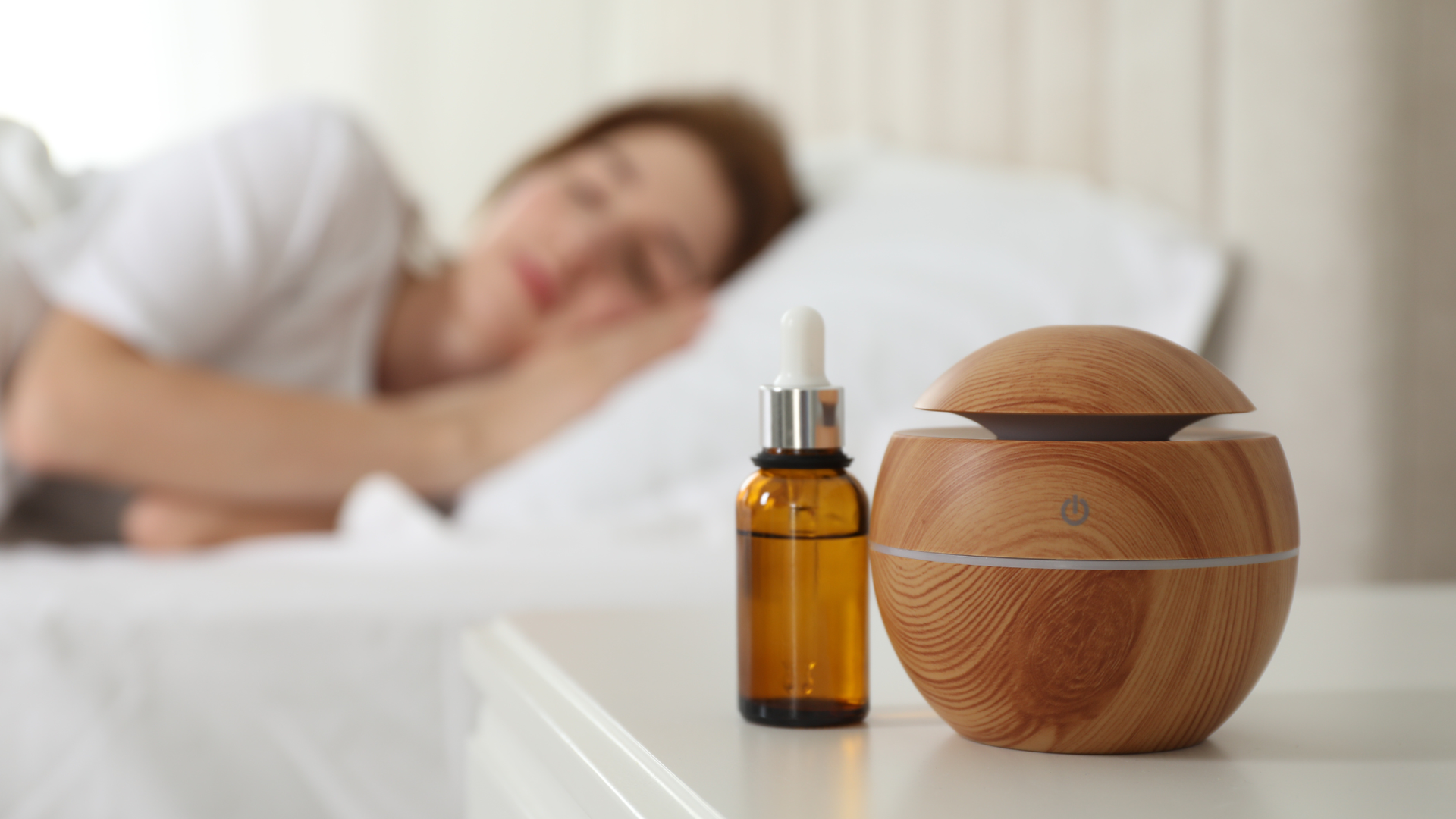
Use an outdoor-safe diffuser on a patio table or near seating (not blowing directly at faces). Citrus/herb blends can create a “scent boundary” around where people are gathered.
2) Clothing-first habits
Long sleeves, socks, and light-colored clothing reduce landing opportunities. Consider this your “foundation,” with oils as the supportive layer.
3) Remove standing water weekly
If mosquitoes are breeding near your home, no spray will feel like enough. Dump and refresh birdbaths, plant saucers, toys, and any containers that collect water.
Quick “Did you know?” facts (useful, not gimmicky)
Essential oils evaporate fast. That’s a big reason DIY sprays often wear off sooner than expected outdoors.
Label language matters. “Lemon eucalyptus” can refer to very different ingredients; “OLE/PMD” is the key for proven repellent performance.
Timing matters. Many mosquitoes are most active at dusk/dawn—plan outdoor play and walks with that in mind.
A United States perspective: what “natural” means during mosquito season
In the United States, mosquito season varies by region and rainfall. If you’re traveling, camping, or spending evenings outdoors in areas with higher mosquito activity, it helps to decide ahead of time what level of protection you want:
- Everyday backyard use: a diluted essential oil blend + clothing + standing-water cleanup can be enough for many families.
- Heavy mosquito pressure: consider a product with a proven active (like OLE/PMD ) for longer protection, then use essential oils for outdoor ambiance and “supporting layers.”
- Sensitivity-first households: keep formulas simple (fewer oils), patch test, and prioritize ventilation when diffusing outdoors.
Shop clean outdoor wellness favorites
Want a simpler way to build your outdoor wellness routine—repellent-friendly blends, personal care essentials, and toxin-aware home support? Explore curated options from YL Family and choose what fits your family’s comfort level.
FAQ: Mosquito repellent oils & natural bug defense
Do essential oils repel mosquitoes as well as standard repellents?
Some essential oils can help deter mosquitoes, but many wear off faster because they evaporate quickly. If you need longer protection, choose a repellent formulated with a proven active ingredient (like OLE/PMD) and use essential oils as a supportive layer (outdoor diffusion, scent zones, or short-exposure blends).
Is Oil of Lemon Eucalyptus the same as lemon eucalyptus essential oil?
Not always. Many effective repellents use OLE/PMD as an active ingredient in a tested formulation. Lemon eucalyptus essential oil is a different product and shouldn’t be assumed to provide the same level of bite protection as OLE/PMD repellents.
What are the best essential oils for a “bug-away” style blend?
Many families start with citronella plus a supporting mix such as lavender, peppermint, and geranium-style florals. The most effective blend is the one you’ll actually use consistently and safely—diluted, patch-tested, and reapplied as needed.
Can I apply essential oils “neat” (undiluted) to prevent bites?
It’s not recommended. Undiluted essential oils can irritate skin and increase sensitivity over time. Dilution plus a patch test is a safer approach—especially for children and sensitive skin.
What’s a non-oil step that makes the biggest difference?
Eliminating standing water around your home. It directly reduces breeding opportunities, which can dramatically lower the mosquito pressure you’re dealing with.
Glossary
Carrier oil: A skin-friendly base (like a plant oil or lotion) used to dilute essential oils for topical use.
Diffusion (outdoor): Dispersing essential oils into the air to create an aromatic “zone” around seating areas or patios.
OLE (Oil of Lemon Eucalyptus): A repellent ingredient name commonly associated with formulas containing PMD for mosquito protection.
PMD (para-menthane-diol): The active compound used in many OLE repellents; typically longer-lasting than many essential-oil-only sprays.
Patch test: Testing a diluted product on a small area of skin first to check for irritation or sensitivity.
Friendly note: This content is educational and not medical advice. If you’re pregnant, managing asthma/allergies, or choosing products for young children, it’s wise to consult a qualified clinician for personalized guidance.