
Spring Home and Spirit: 5 Refreshing Diffuser Blends for Seasonal Renewal
May 1, 2026
A simple spring reset that feels good, smells clean, and supports a calmer home
Spring has a way of highlighting what your home (and your nervous system) has been carrying—stale air, heavy routines, and that “cluttered mind” feeling that arrives right on cue with a busier calendar. A diffuser can be a gentle daily ritual: it freshens your space, anchors a new habit, and helps you signal “we’re resetting” without adding another big project to your list.
Below are five spring-friendly diffuser blends designed for seasonal renewal—bright, airy, and family-minded. Each blend is written to be easy to customize, whether you’re brand new to essential oils or you’ve been blending for years with guidance from YL Family ’s multigenerational wellness perspective.
Below are five spring-friendly diffuser blends designed for seasonal renewal—bright, airy, and family-minded. Each blend is written to be easy to customize, whether you’re brand new to essential oils or you’ve been blending for years with guidance from YL Family ’s multigenerational wellness perspective.
Safety note (worth reading once):
Diffuse in a well-ventilated area and avoid running a diffuser continuously for long periods—most aromatherapy best practices recommend using timed sessions (for example, 30–60 minutes on
, then a break). If you’re pregnant, have asthma or a respiratory condition, are diffusing around infants, or have pets (especially birds), take extra precautions and consider skipping diffusion or diffusing only when they’re not in the room. (Pets can be sensitive; birds are especially vulnerable.) Also remember: phototoxic citrus oils are mainly a topical sun-exposure issue
—diffusion is different—yet it’s still smart to use bright citruses thoughtfully and keep oils off skin before UV exposure.
Why spring diffuser blends work so well for “home renewal”
Seasonal aromatherapy can be more than “making the house smell nice.” Used consistently, it becomes a cue—your brain links a certain aroma to a certain routine. That’s why spring blends tend to be:
If you’re aiming for a toxin-aware lifestyle, diffusion can also complement your spring cleaning routine by making “fresh” feel natural rather than synthetic.
•
Brighter
(citrus, herb, light floral) to counter winter heaviness
•
Airier
(mint, eucalyptus-like notes) to help a space feel open
•
Grounded
(gentle woods) so it feels calm, not “perfumey”
Quick “Did you know?” spring diffusion facts
Did you know?
If you can smell a diffuser strongly the moment you walk in, you may be using more drops than you need. Lower-drop blends often feel cleaner and reduce the chance of headaches or irritation.
Did you know?
Intermittent diffusion (short sessions with breaks) is widely recommended in aromatherapy practice to avoid scent fatigue and overexposure—especially in smaller rooms.
Did you know?
Citrus oils like bergamot and lemon can be phototoxic in topical use
(depending on extraction method). That’s mainly a skin-and-sun issue—not an “avoid in diffusers forever” issue—but it’s a good reminder to separate what you diffuse from what you apply to skin before going outdoors.
The 5 refreshing spring diffuser blends
Blending tip:
If you’re diffusing in a small room (office, bedroom, nursery-adjacent space), start with 3–4 total drops
and adjust slowly. A “lighter” blend often feels more upscale and is easier on sensitive noses.
Step-by-step: how to build a spring diffusion ritual that sticks
Step 1: Choose your “anchor moment” (not your mood)
Tie diffusion to something that already happens: unloading the dishwasher, wiping counters, school drop-off, or your evening shower. Relying on mood is unreliable; relying on a routine is sustainable.
Step 2: Diffuse in short sessions
Use a timer or an intermittent setting. Short, intentional sessions help prevent scent overload and are often more comfortable for families. If anyone in the home gets a headache or throat irritation, stop diffusion and air out the room.
Step 3: Keep it clean (your diffuser, too)
Old residue can make even the best blend smell “off.” Follow your diffuser’s manual for cleaning frequency, and avoid letting water sit in the basin for days.
Step 4: Make it family-friendly
If you have kids or pets, diffuse only where they can leave the space freely, keep the diffuser out of reach, and avoid “hot” or intense oils if anyone is sensitive. When in doubt, choose gentler profiles (lavender, cedarwood, frankincense-style notes) and use fewer drops.
A U.S. springtime angle: make your home feel “open” again
Across the United States, spring often means a mash-up of temperature swings, open-window days, and busy schedules that pull everyone in different directions. A practical approach is to pair diffusion with one tiny “home renewal” action:
These small pairings build a seasonal rhythm that feels supportive rather than “one more wellness task.”
•
Diffuse Open-Window Morning
while you swap winter bedding for lighter layers.
•
Diffuse Fresh Laundry Day
while you reset entryway clutter (shoes, backpacks, reusable bags).
•
Diffuse Quiet Reset
right before your evening screen cutoff—same aroma, same time, most nights.
Ready to refresh your spring routine?
If you want a simple way to support seasonal aromatherapy, home renewal, and a calmer daily rhythm, explore YL Family’s curated options for clean living and family wellness.
FAQ: Spring diffuser blends & seasonal aromatherapy
How many drops should I use in my diffuser?
Start low. For many 100–200 mL water diffusers, 4–6 total drops
is plenty. If you’re in a small room or you’re sensitive to fragrance, try 3–4 drops
total and build up slowly.
How long should I diffuse essential oils?
Many aromatherapy safety guidelines favor short sessions
instead of continuous diffusion—often 30–60 minutes on
, then a break. Your diffuser manual may also recommend timing based on room size and device output.
Are spring diffuser blends safe around kids?
It depends on age, sensitivity, and the specific oils. Use fewer drops, diffuse in a larger well-ventilated room, and stop if anyone has irritation. For infants, pregnancy, asthma, or other respiratory concerns, ask a qualified healthcare professional for individualized guidance.
Can I diffuse essential oils if I have pets?
Use caution. Keep diffusers out of reach, diffuse in a space where pets can leave, and avoid diffusing around birds. If your pet shows signs of discomfort (sneezing, drooling, watery eyes, agitation), stop diffusion and ventilate the space.
What if a blend smells “too strong” or gives me a headache?
Turn it off, open a window, and try again later with fewer drops. You can also shift the balance: reduce peppermint/eucalyptus notes, increase gentle notes like lavender or cedarwood, or choose a single-oil diffusion session for a few days.
Optional glossary (quick definitions)
Seasonal aromatherapy:
Using aromas that match the season (spring = bright, fresh, light) to support mood and routine cues.
Phototoxicity:
A skin reaction that can occur when certain citrus oils are applied topically and then exposed to UV light. This is primarily a topical concern rather than a diffusion concern.
Intermittent diffusion:
Running a diffuser in timed sessions with breaks (instead of continuously), often recommended to reduce overexposure and scent fatigue.
Scent fatigue:
When your brain “tunes out” a smell after constant exposure, leading you to add more—often making the room feel overpowering for others.

Discover teen-friendly bedtime routines with gentle essential oils for 8–10 hours of sleep. Try simple wind-down steps for calmer nights and rested mornings.
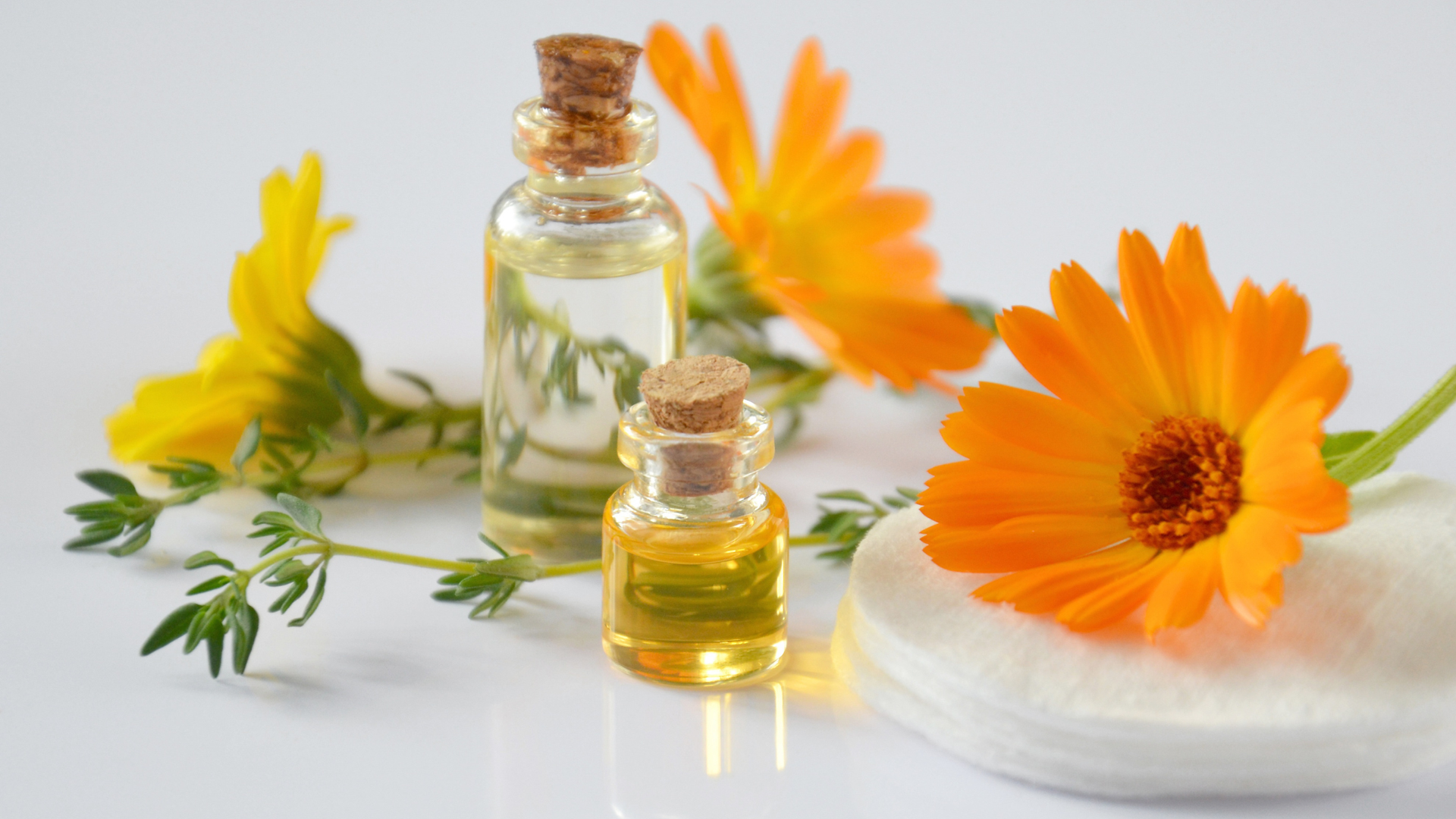
Learn essential oil safety & dilution basics with practical tips. Discover phototoxicity warnings, dilution ratios, and beginner routines for confident, safe use.
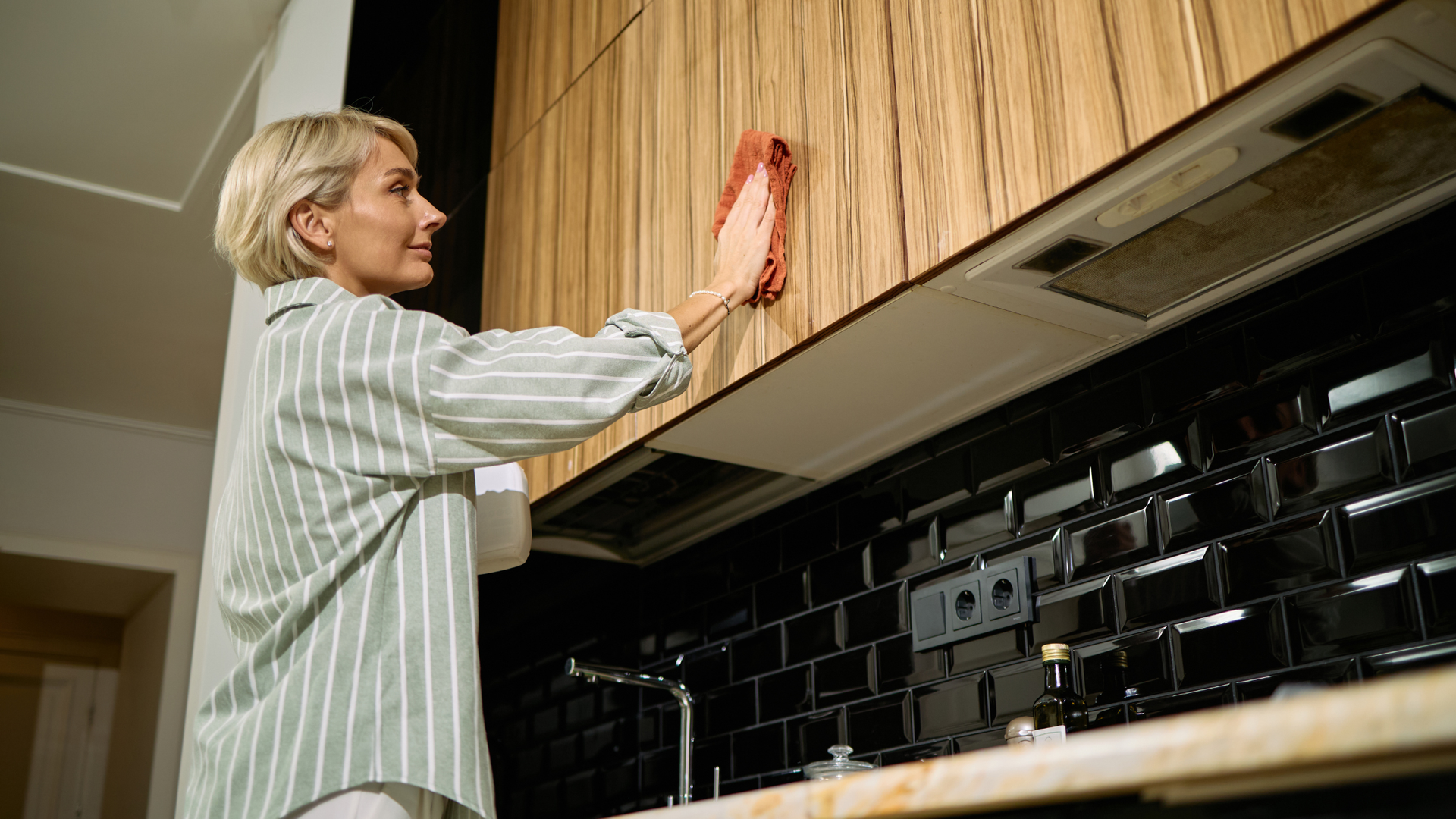
Learn to make eco-friendly DIY cleaning tablets with baking soda, citric acid & essential oils for effective, low-toxin home cleaning and reduced plastic waste.
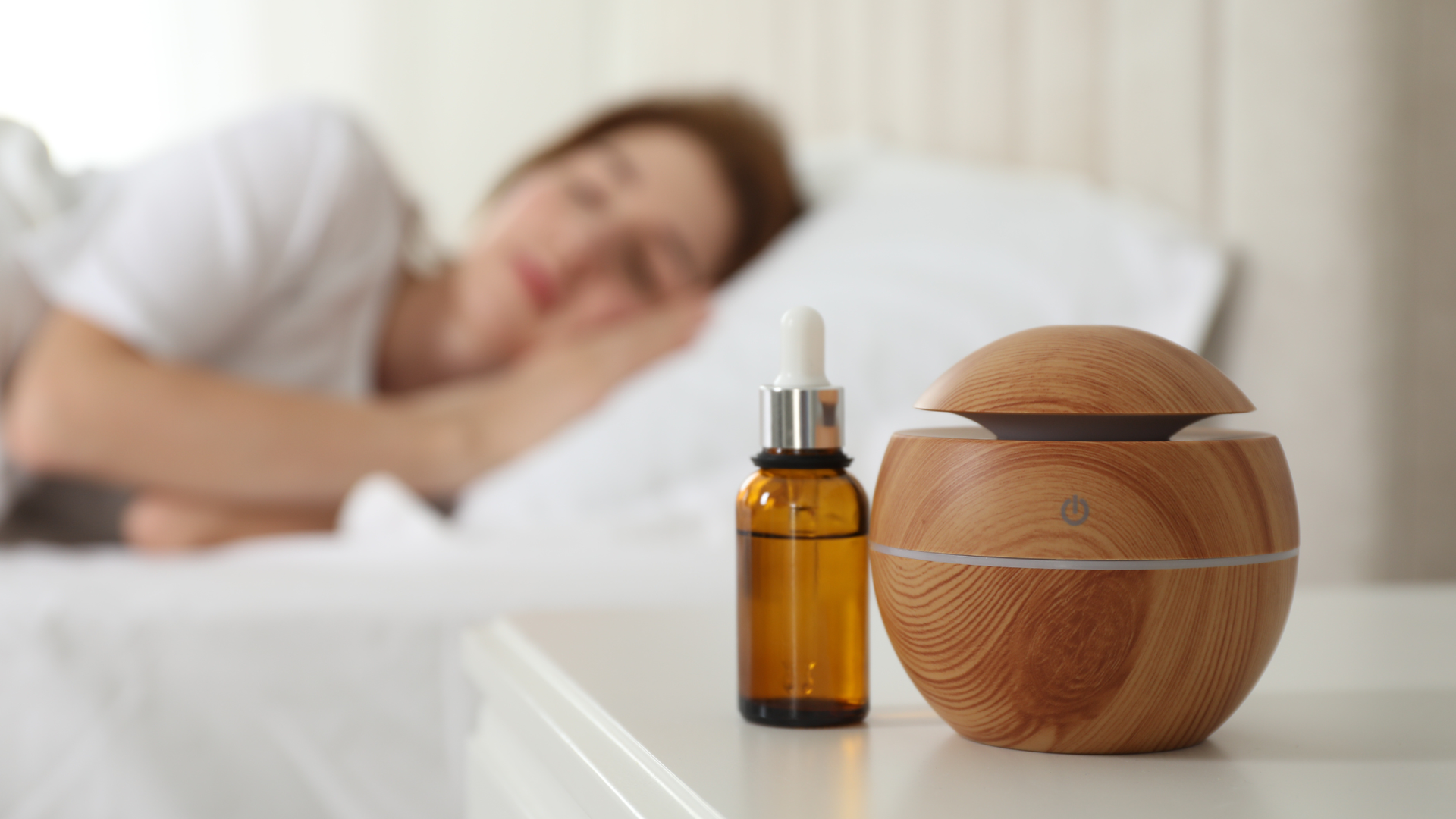
Learn to use essential sleep oils topically or aromatically for a calming bedtime routine. Get practical tips on diffusing, dilution, habit-building.

Unwind overworked joints before bed with a 10-minute essential oil massage. Get dilution tips, techniques, and simple routines for soothing nighttime comfort.
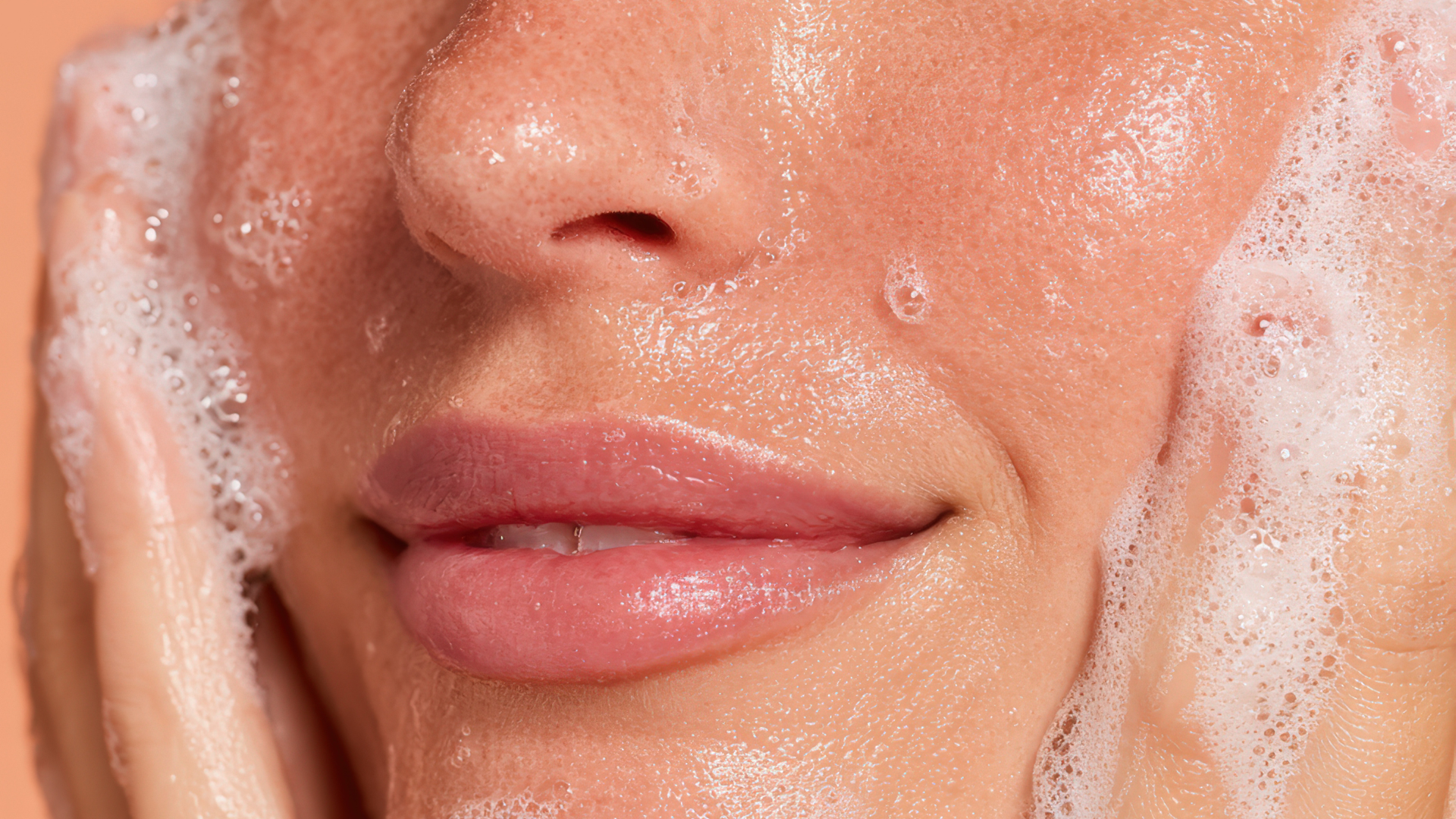
Build a gentle, toxin-free facial care routine with essential oils. Discover safe dilution, patch testing, AM/PM steps and tips for cleaner, healthier skin.

Discover 3 simple essential oil routines to ease work-life stress. Get safety tips and quick scent cues for calm focus and evening wind-downs.
Explore gentle, kid-safe essential oil blends to support your family's cold and flu wellness routines with safe dilution, diffusion tips, and home habits.

Discover a practical monthly menstrual self-care ritual using essential oils, heat, movement, and grounding habits. Safe, realistic tips for comfort and calm.

Kickstart your day with a 10-minute morning ritual using essential oils to support immunity, hydration, hygiene, and stress relief. Simple family tips.