Natural Sun Care: DIY Essential Oil “Sunscreen” Ideas + After-Sun Soothing Balms (Safely)
A clean, practical approach to sun protection and sun-soothing routines
If your family is working toward a lower-toxin lifestyle, sun care is a place where “natural” and “effective” need to work together. At YL Family in Parker, Colorado, we love plant-powered wellness—but we also care about smart safety. This guide helps you build a skin-friendly sun routine with essential oils in a supportive role, plus easy after-sun balm recipes you can customize for your household.
Important note (read first): Essential oils and homemade lotions do not reliably provide tested broad-spectrum SPF protection . For real UV protection, dermatology and public health guidance consistently emphasizes broad-spectrum sunscreen (often SPF 30 or higher), reapplication about every 2 hours , and protective behaviors like shade and clothing—especially during peak UV hours. FDA labeling rules also require clear “water resistant (40 or 80 minutes)” directions and reapplication guidance on compliant sunscreen products.
1) What “natural sunscreen DIY” can realistically mean
Many DIY recipes online call themselves “sunscreen” because they include oils, butters, or zinc oxide. The problem is testing : true sun protection requires standardized SPF and broad-spectrum testing. When you mix ingredients at home, you can’t know the final SPF, UVA coverage, stability, or how evenly it applies.
A safer, family-friendly compromise: Use a proper broad-spectrum sunscreen as your primary protection, then use essential oils for after-sun comfort , skin barrier support , and a calming routine—while following essential oil dilution and sun-sensitivity safety rules.
2) Sun-care essentials (the part that prevents burns)
Choose the right sunscreen label
- Broad Spectrum + SPF 30+ is a solid baseline for most families.
- If it says Water Resistant , it must state 40 minutes or 80 minutes —plan to reapply accordingly (and after towel-drying).
- Reapply about every 2 hours (cloudy days still count).
Stack protection (especially for kids)
- Seek shade during peak hours (commonly 10 a.m.–4 p.m. ).
- Use hats, sunglasses, and UPF clothing whenever possible.
- Babies under 6 months: focus on shade and protective clothing and follow pediatric guidance for any product use.
3) Essential oil sun-care safety: what to avoid
Some essential oils—especially certain cold-pressed citrus oils —can increase the risk of phototoxic reactions (think: redness, blistering, or burn-like irritation after sun exposure). Bergamot is a classic example unless it’s specifically FCF / bergaptene-free . If you use potentially phototoxic oils on skin, the common conservative advice is to avoid UV exposure for a period of time (often cited as 12+ hours).
Quick rules for families
- Skip citrus oils on sun-exposed skin (especially expressed/cold-pressed lemon, lime, bergamot) unless you’re trained on safe use.
- Always dilute essential oils for topical use (more is not better).
- Patch test on a small area first, especially for kids and sensitive skin.
- If there’s a rash, blistering, swelling, or severe pain: stop use and seek medical guidance .
4) After-sun balm: simple DIY recipes that focus on soothing (not SPF)
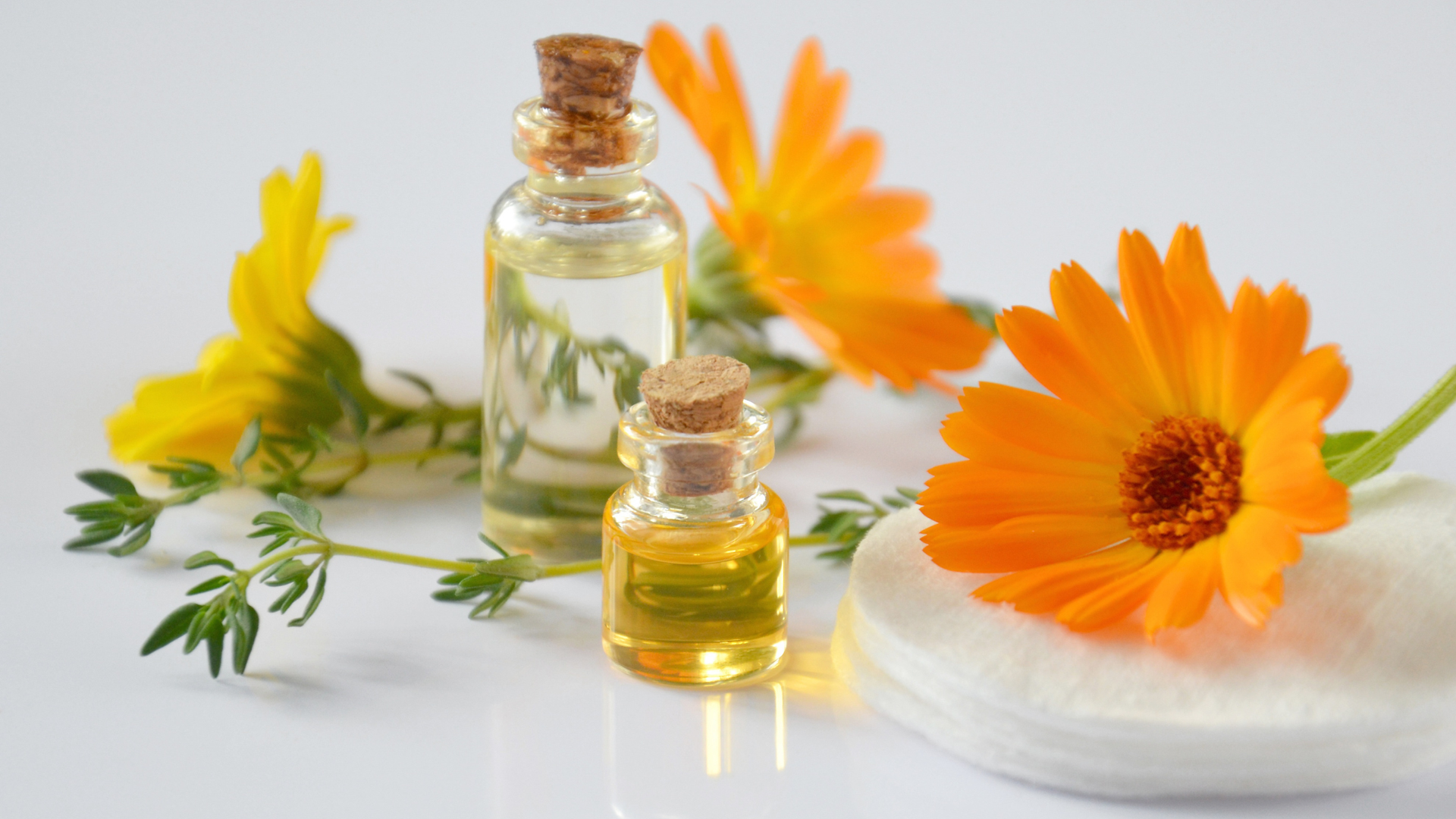
After sun exposure, your goal is comfort and barrier support: hydration, gentle cooling, and an ingredient list your skin tolerates well. These recipes are designed to feel good after a warm day outside, whether you spent time at a park, on a hike, or at the pool.
5) Did you know? Quick sun-care facts worth sharing
6) Quick comparison table: “Protection” vs “Soothing” products
| Option | Primary purpose | Best time to use | Key safety note |
|---|---|---|---|
| Broad-spectrum SPF 30+ sunscreen | UV protection (UVA/UVB) | Before and during sun exposure | Reapply about every 2 hours; follow water-resistance time |
| UPF clothing + shade | Physical UV reduction | Any time outdoors | Most reliable for kids and sensitive skin |
| After-sun balm (carrier oils + gentle EO) | Comfort + barrier support | After exposure (shower + cool down) | Avoid phototoxic oils; dilute and patch test |
| DIY “sunscreen” (untested) | Uncertain | Not recommended for primary protection | SPF/broad-spectrum not verified; uneven application risk |
7) A local angle for the United States (and especially high-altitude regions)
Across the U.S., UV intensity can vary wildly by season, altitude, and cloud cover. If you live or travel in higher-elevation areas (like much of Colorado), it’s smart to treat sun protection as a daily habit—not just a “beach day” thing. Keep a simple system: sunscreen by the door, hats in the car, and an after-sun balm in your travel kit.
Pro tip: Check the day’s UV Index before long outdoor blocks. When it’s higher, lean harder on shade, clothing, and timely reapplication.
CTA: Build a cleaner, calmer summer routine with YL Family
Want help choosing essential oils and wellness staples that fit your family’s needs (sleep, stress, mood, immune support, and more)? Shop curated favorites and keep your home routine simple and consistent.
FAQ: Natural sun care + essential oil sun care
Glossary (helpful terms you’ll see on labels)
Educational content only; not medical advice. If you have a history of severe sunburns, photosensitivity, eczema, or medication-related sun reactions, consult a qualified clinician for individualized guidance.