
Essential Oils to Reduce Bloating: Fast, Gentle Comfort
April 13, 2026
A calmer belly, without harsh fixes
Bloating can feel distracting, uncomfortable, and—when it repeats—downright discouraging. For many people, the goal isn’t a “quick fix” that leaves you feeling worse later. It’s gentle, reliable comfort that supports your body’s natural rhythm. At YL Family
(based in Parker, Colorado, serving families across the United States), we love practical wellness tools that fit real life—especially when they’re simple, clean, and family-minded.
Essential oils can be one supportive piece of a bloating toolkit when used correctly: aromatic routines to settle the senses, topical blends to ease abdominal tension, and daily habits that help reduce gas buildup in the first place. Below you’ll find clear, safety-forward ways to use essential oils for “gut comfort,” plus lifestyle tips that often make the biggest difference.
Essential oils can be one supportive piece of a bloating toolkit when used correctly: aromatic routines to settle the senses, topical blends to ease abdominal tension, and daily habits that help reduce gas buildup in the first place. Below you’ll find clear, safety-forward ways to use essential oils for “gut comfort,” plus lifestyle tips that often make the biggest difference.
Why bloating happens (and why it can show up “out of nowhere”)
“Bloating” is a feeling (fullness, pressure, tightness) that can come from several different causes—sometimes overlapping:
Gas production:
Certain foods ferment in the gut and create gas.
Slower motility:
When digestion slows, food and gas stay “stuck” longer.
Swallowing air:
Fast eating, carbonated drinks, gum, or drinking through straws can add air to the mix.
Stress response:
A stressed nervous system can change digestion, sensitivities, and how the gut feels.
Hormonal cycles:
Many women notice predictable bloating around parts of their cycle.
If bloating is severe, persistent, or paired with red flags (unexplained weight loss, blood in stool, ongoing vomiting, fever, new anemia, trouble swallowing, or symptoms that wake you at night), it’s worth checking in with a licensed clinician.
Do essential oils actually help bloating?
Essential oils don’t “cure” digestive conditions, but they may support comfort in a few practical ways—especially when bloating is tied to tension, occasional gas, or stress.
Peppermint is the most studied option in digestive comfort research. In clinical studies of people with irritable bowel syndrome (IBS), peppermint oil has shown benefit versus placebo for global symptoms and abdominal pain in meta-analyses (often using enteric-coated capsules). That doesn’t mean everyone should take peppermint internally—many people do better with aromatic or topical use first.
Important safety note: Essential oils are concentrated. Many reputable medical sources advise caution with ingestion, especially for children, pregnancy, reflux/GERD, medication interactions, or sensitive stomachs. When in doubt, stick to diffusion/inhalation and properly diluted topical use.
Peppermint is the most studied option in digestive comfort research. In clinical studies of people with irritable bowel syndrome (IBS), peppermint oil has shown benefit versus placebo for global symptoms and abdominal pain in meta-analyses (often using enteric-coated capsules). That doesn’t mean everyone should take peppermint internally—many people do better with aromatic or topical use first.
Important safety note: Essential oils are concentrated. Many reputable medical sources advise caution with ingestion, especially for children, pregnancy, reflux/GERD, medication interactions, or sensitive stomachs. When in doubt, stick to diffusion/inhalation and properly diluted topical use.
Best essential oils for gut comfort (gentle options first)
Here are commonly used essential oils for “digestive harmony” routines. Choose one or two and keep it simple—more isn’t better.
1) Peppermint
(for occasional gas/tension)
Often used for abdominal discomfort. If you’re prone to heartburn or reflux, peppermint may aggravate symptoms—consider alternative oils or use very lightly.
2) Ginger
(for “heavy” digestion feelings)
A warming oil that many people find supportive when the stomach feels unsettled after a meal.
3) Spearmint
(a softer mint option)
Often chosen when peppermint feels too strong.
4) Lavender
(for stress-related belly tightness)
When stress is part of the pattern, calming oils can support nervous-system downshifting—sometimes that’s the “missing link” for comfort.
Quick comparison table: choosing the right approach
| Method | Best for | Pros | Watch-outs |
|---|---|---|---|
| Diffusion / inhalation | Stress-linked bloating, post-meal tension | Fast, low-effort, no skin contact | Avoid overpowering blends; ventilate; be mindful around pets & sensitive kids |
| Topical (diluted) belly massage | Localized tightness, “trapped gas” feeling | Targets the area; adds relaxation via touch | Always dilute; avoid mucous membranes; patch test |
| Internal use (capsules) | Clinician-guided plans (often IBS-focused) | Most studied format for peppermint in IBS research | Not appropriate for everyone; reflux, meds, pregnancy/kids—get professional guidance |
Tip: If you’re new to oils, start with diffusion
or a properly diluted
topical blend before considering internal options.
Did you know? Quick facts that help explain bloating
Fast eating can increase swallowed air.
Slowing down and chewing thoroughly often changes how “puffy” you feel after meals.
Stress can show up in the gut.
Even when your food choices are solid, a tense nervous system can increase sensitivity and discomfort.
Fiber is helpful—but “too much, too fast” can backfire.
If you’re increasing fiber, do it gradually and pair it with water.
Step-by-step: a simple essential oil routine for bloating comfort
Step 1: Start with aroma (2–5 minutes)
Add 1–3 drops
of a calming oil (lavender) or a mint (spearmint/peppermint) to your diffuser. Sit and breathe slowly—inhale through the nose for 4 seconds, exhale for 6–8 seconds. This can help shift the body out of “tight and braced” mode.
Step 2: Mix a belly blend (properly diluted)
In a small bowl, combine 1–2 drops
of essential oil with 1 teaspoon (5 mL)
of carrier oil (fractionated coconut oil, jojoba, or sweet almond). For sensitive skin, start with 1 drop per teaspoon
.
Step 3: Use a gentle massage pattern (1–3 minutes)
With light pressure, massage in a slow, clockwise circle around the belly (following the direction of the large intestine). Keep it relaxing, not deep-tissue. Many people like this after meals or before bed.
Step 4: Pair it with the “two basics”
Warm water
: Sip slowly (especially if you tend to chug cold drinks with meals).
Easy movement
: A 10-minute walk after eating can support motility and gas clearance.
Safety reminders:
Avoid applying oils on broken/irritated skin. Keep oils away from eyes and mucous membranes. Do a patch test. If you’re pregnant, nursing, managing reflux/GERD, have asthma, epilepsy, or take prescription medications, consider getting personalized guidance before trying new oils—especially peppermint.
Lifestyle tips that make essential oils work better
Essential oils shine when your daily habits are also supporting digestion. If you want a “most bang for your effort” checklist, start here:
Try a 7-day trigger check:
Track meals + bloating timing. Common culprits include carbonated drinks, sugar alcohols, large portions of onions/garlic, and very high-fat meals.
Experiment with meal pace:
Put the fork down between bites; aim for 15–20 minutes per meal.
Mind the “stack”:
Gum + sparkling water + eating fast can be a perfect storm for swallowed air.
Support regularity:
Constipation commonly increases bloating. Hydration, gentle movement, and consistent meal times can help.
Consider a clinician-guided Low FODMAP trial
if bloating is frequent and food-linked—this can be very effective for some people, but it’s best done with guidance so you don’t over-restrict long term.
A U.S. family angle: building a “clean comfort” routine at home
For many households across the United States, bloating shows up during busy seasons—travel, school schedules, late dinners, and higher stress. A simple home routine can keep things steady:
Create a post-dinner reset:
10-minute family walk + diffuser time when you return.
Keep a “belly blend” ready:
A pre-diluted roller-style blend (proper dilution) makes it easier to use consistently.
Swap harsh scents:
If strong synthetic fragrances trigger headaches or nausea (which can worsen gut discomfort), consider a lower-toxin home approach.
If you’re also working on a cleaner home environment, you may like our Green Home Living
page. For broader digestive and balance support, explore Gut & Hormone.
Shop supportive essentials (simple, curated options)
If you’d like to build a gentle bloating-comfort routine—diffuser support, topical comfort, and lifestyle-friendly wellness staples—browse the YL Family shop for clean options that fit your home and your habits.
Ready for a calmer belly routine?
Find oils, wellness favorites, and simple tools for everyday comfort.
Helpful add-ons for a consistent routine: a quality water bottle for steady hydration ( Stainless Water Bottle) and gentle movement support ( Online Classes).
FAQ: Essential oils for bloating & digestive harmony
Want support with stress patterns, too? Visit Stress & Mood
or Sleep & Rest.
Glossary (plain-English definitions)
Carrier oil:
A neutral oil (like jojoba or fractionated coconut oil) used to dilute essential oils for safe skin application.
Dilution:
The process of mixing essential oil into a carrier oil so it’s gentler on skin and less likely to irritate.
Motility:
The movement of the digestive tract that helps move food and gas along.
FODMAPs:
A group of carbohydrates that can ferment in the gut and trigger gas/bloating for some people. A Low FODMAP approach is typically a short-term, structured trial.
Sensitization:
When repeated exposure to a substance (like an essential oil used too strong) increases the likelihood of developing a skin reaction over time.

Discover teen-friendly bedtime routines with gentle essential oils for 8–10 hours of sleep. Try simple wind-down steps for calmer nights and rested mornings.
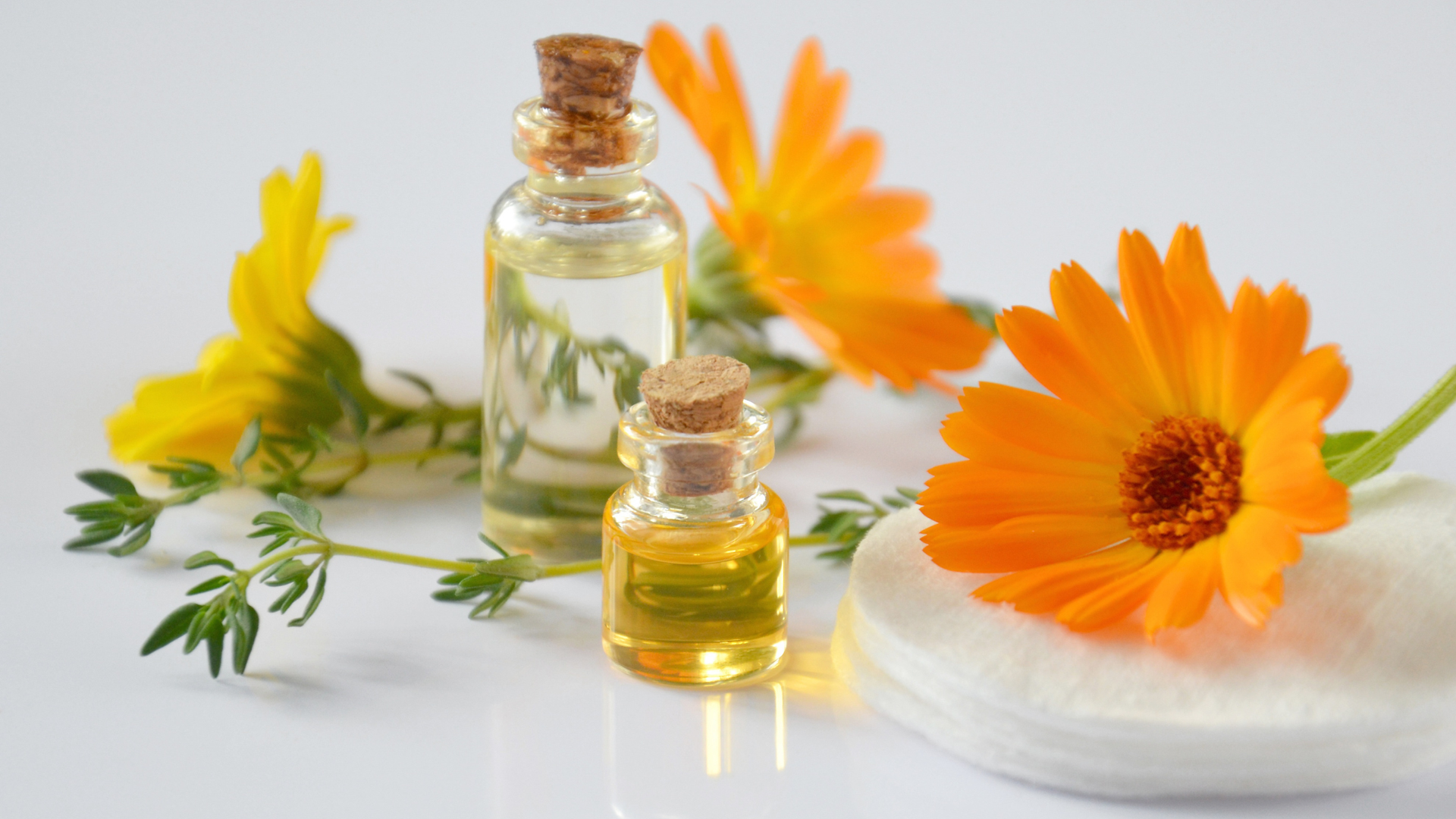
Learn essential oil safety & dilution basics with practical tips. Discover phototoxicity warnings, dilution ratios, and beginner routines for confident, safe use.

Learn to make eco-friendly DIY cleaning tablets with baking soda, citric acid & essential oils for effective, low-toxin home cleaning and reduced plastic waste.
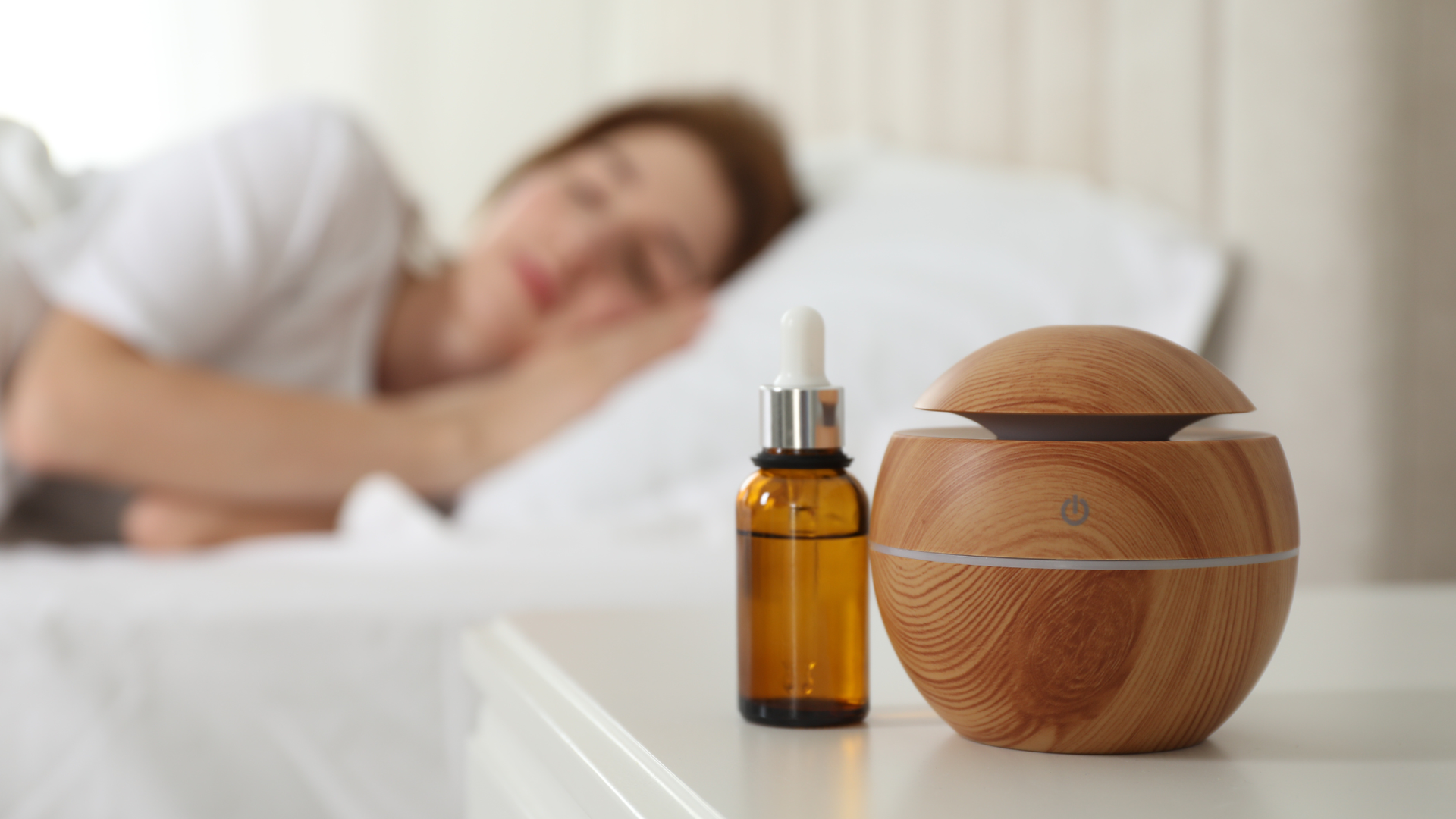
Learn to use essential sleep oils topically or aromatically for a calming bedtime routine. Get practical tips on diffusing, dilution, habit-building.

Unwind overworked joints before bed with a 10-minute essential oil massage. Get dilution tips, techniques, and simple routines for soothing nighttime comfort.
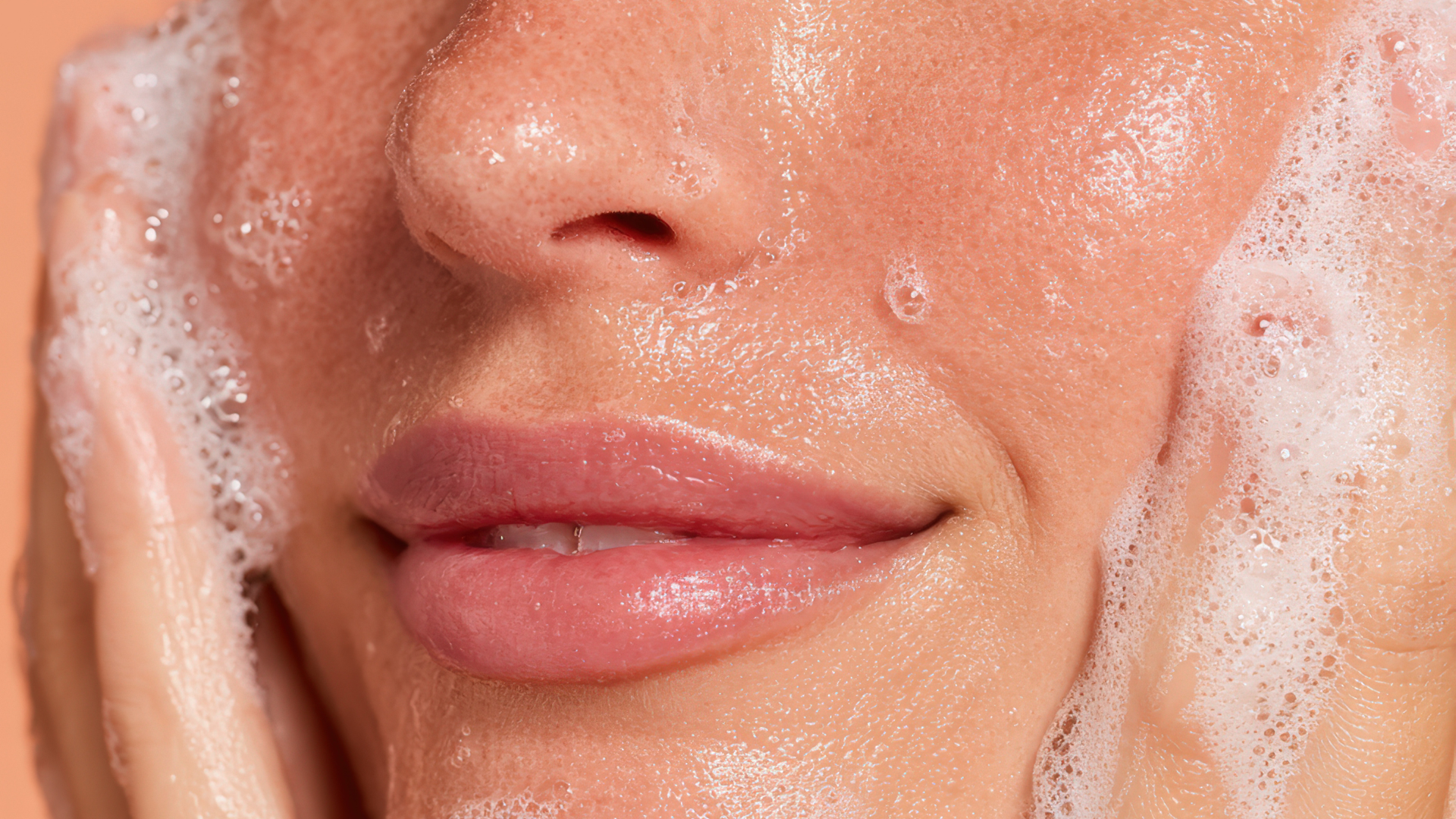
Build a gentle, toxin-free facial care routine with essential oils. Discover safe dilution, patch testing, AM/PM steps and tips for cleaner, healthier skin.

Discover 3 simple essential oil routines to ease work-life stress. Get safety tips and quick scent cues for calm focus and evening wind-downs.
Explore gentle, kid-safe essential oil blends to support your family's cold and flu wellness routines with safe dilution, diffusion tips, and home habits.

Discover a practical monthly menstrual self-care ritual using essential oils, heat, movement, and grounding habits. Safe, realistic tips for comfort and calm.

Kickstart your day with a 10-minute morning ritual using essential oils to support immunity, hydration, hygiene, and stress relief. Simple family tips.