
DIY Essential Oil Beeswax Wraps for Sustainable Food Storage (Made for Real Life)
April 10, 2026
A simple, low-waste swap that keeps food fresh—without the plastic
Beeswax wraps are reusable cotton wraps coated in a plant-and-bee-based blend that softens with the warmth of your hands and gently clings to bowls, produce, and snacks. When you add essential oils thoughtfully (and safely), you can create wraps that support a cleaner kitchen routine, reduce single-use waste, and make everyday food storage feel more intentional—especially for busy households that want “less plastic” without “more hassle.”
How beeswax wraps work (and why they’re different from plastic)
Plastic wrap seals tightly and traps moisture. Beeswax wraps are designed to be breathable
, which helps many fruits, vegetables, breads, and herbs stay fresher by reducing condensation. Most durable wraps use a blend of:
When made well, wraps can last months to a year (sometimes longer) with gentle care—and then can be refreshed with another light coat.
• Beeswax
— creates a water-resistant coating and that signature “cling.”
• Tree resin (pine resin/rosin)
— increases grip and helps the wrap seal better.
• Jojoba oil
— improves flexibility so wraps don’t crack as easily, especially in cooler kitchens.
A quick safety note before you add essential oils
Essential oils are highly concentrated. For beeswax wraps, think of essential oils as a light scent and supportive addition
, not a “preservative.” Keep it conservative and prioritize food-safety basics:
Use wraps for:
produce, bread, cheese (short term), covering bowls, packing dry snacks.
Avoid wraps for:
raw meat, raw fish, greasy/very hot foods, and anything you’d struggle to wash off safely.
Remember:
perishable foods should be refrigerated within 2 hours (or 1 hour if it’s above 90°F). Beeswax wraps don’t change food safety time/temperature rules.
DIY recipe: essential oil beeswax wraps (beginner-friendly)
What you’ll need
• 100% cotton fabric (thin quilting cotton works well), cut into squares/rectangles
• Beeswax pellets or grated beeswax
• Pine resin/rosin (optional but strongly recommended for “cling”)
• Jojoba oil (helps flexibility)
• Parchment paper + baking sheet
• Old paintbrush or silicone brush (dedicated to wax projects)
• Essential oils (optional, small amount)
Suggested blend ratio (for good cling + flexibility)
A common home blend is roughly 5 parts beeswax : 2 parts pine resin : 1 part jojoba oil
. You don’t need laboratory precision—aim for a blend that melts smoothly, brushes on thin, and feels slightly tacky once cooled (not oily).
Step-by-step (oven method)
1) Prep your fabric:
Wash, dry, and iron the cotton. Trim stray threads so they don’t embed in wax.
2) Preheat:
Set oven to a low temp (around 200–225°F) so wax melts without scorching.
3) Lay it out:
Place parchment on a baking sheet, then fabric on top.
4) Sprinkle + melt:
Lightly sprinkle beeswax/resin (and a few drops of jojoba oil) across the fabric. Warm for a few minutes until melted.
5) Brush thin:
Use your brush to spread the melted mixture evenly to the edges. Add tiny amounts if you see dry spots.
6) Add essential oils (optional):
Remove from oven. Wait 30–60 seconds so it’s still liquid but not piping hot, then add a very small
number of drops total and brush quickly to distribute.
7) Cool + cure:
Lift carefully (tongs help) and wave gently in the air for 20–40 seconds until set. Let it rest flat for an hour before first use.
Which essential oils are best for wraps?
For food-adjacent projects, many families prefer mild, familiar aromas. Keep it subtle and avoid “spicy/hot” oils if you have sensitive skin at home. If you’re making wraps for kids’ snacks, choose gentler options and use fewer drops.
Tip:
If you’d rather skip essential oils entirely, you’ll still get a great wrap. The wax-resin-oil blend does the heavy lifting.
Did you know? Quick facts that make wraps work better
Warmth = cling.
Beeswax wraps seal best when you press and warm them with your hands for 5–10 seconds.
Less wax is usually better.
A thin, even layer prevents “flake,” cracking, and that heavy residue feeling.
Cold water only.
Hot water can melt the coating and shorten the life of your wrap.
Food safety still rules.
Refrigerate perishables promptly; wraps are not a substitute for safe cooling and storage.
Quick comparison: beeswax wraps vs. common storage options
| Option | Best for | Not ideal for | Care notes |
|---|---|---|---|
| Beeswax wraps | Produce, bread, covering bowls, snack packs | Raw meat/fish, very hot foods, greasy sauces | Cold water wash; air dry; refresh coating as needed |
| Glass containers | Leftovers, soups, batch prep, freezer storage | On-the-go when weight matters | Dishwasher-safe (most); great for food safety |
| Silicone lids/bags | Bowls, cut fruit, marinating (refrigerated) | Very sharp edges; some items may retain odor | Turn inside out to clean; fully dry to prevent smell |
| Plastic wrap | Short-term sealing, mess control | Low-waste kitchens | Single-use; easy but not reusable |
Local angle: sustainable food storage habits that fit life in the United States
Across the U.S., the “best” storage approach is usually a mix: beeswax wraps for daily produce and countertop items, and rigid containers for leftovers and proteins. If your household shops weekly (or buys in bulk), wraps can shine in three practical ways:
If you’re also working toward a lower-toxin home, beeswax wraps pair nicely with plant-powered cleaning habits and simple kitchen resets.
1) Fridge organization without plastic:
Wrap half-cut lemons, herbs, cucumbers, and cheese blocks so they don’t dry out.
2) Lunch packing that reduces waste:
Wrap sandwiches, muffins, tortillas, and cut produce for quick grab-and-go.
3) A calmer “after school” routine:
Keep a few wraps folded in a drawer so kids and teens can re-wrap snacks instead of reaching for disposable bags.
Care, cleaning, and refreshing (so your wraps last)
Wash:
cold water + mild dish soap. No hot water, no dishwasher, no microwave.
Dry:
hang or lay flat. Keep away from heat vents and sunny windowsills.
Store:
folded in a drawer or basket. If it feels stiff, warm it in your hands before use.
Refresh:
if the wrap looks dry, cracked, or loses grip, re-coat lightly using the same oven method (thin layers work best).
When to retire a wrap
If it develops persistent odor, visible mold, deep grease staining that won’t wash out, or flaking that sheds wax bits, it’s time to compost what you can (fabric) and discard the rest responsibly.
Want help choosing essential oils for a cleaner, calmer home routine?
YL Family supports families who want simpler, toxin-aware swaps—without the overwhelm. If you’re building a home toolkit for stress, sleep, immune support, and green living, you’ll find curated options and guidance in the shop.
Helpful next step: Stress & Mood support
or Sleep & Rest solutions.
FAQ: DIY beeswax wraps + essential oils
Do beeswax wraps replace airtight containers?
Not completely. Wraps are breathable and best for produce and covering bowls. For soups, sauces, or longer-term leftovers, rigid containers with lids are usually the better fit.
Can I use beeswax wraps for raw meat or fish?
It’s best to avoid that. Raw proteins increase contamination risk and require hot, thorough washing—exactly what beeswax wraps don’t tolerate well. Use a sealed container instead.
Why did my wrap crack or feel stiff?
Usually it needs more flexibility (a touch more jojoba oil) or the wax layer is too thick. Thin coats + a little jojoba oil can make a big difference, especially in cooler climates.
My wraps leave residue on glass—did I do something wrong?
A little “wax feel” is normal, but heavy residue often means the coating is too thick or oily. Next batch: reduce wax amount, brush it thinner, and ensure the wrap fully cools before use.
Are essential oils required for beeswax wraps?
No. The classic beeswax + resin + jojoba blend works beautifully on its own. If you do add essential oils, keep the amount minimal and choose gentle, familiar aromas for your household.
Glossary
Pine resin (rosin)
A natural tree-derived resin used to improve “cling” and sealing. It helps wraps grip bowls and themselves.
Jojoba oil
A liquid wax-like plant oil that helps beeswax wraps stay flexible and less prone to cracking.
Breathable food wrap
A wrap that allows a small amount of airflow and moisture exchange, which can reduce condensation and support produce freshness.
Refresh (rewax)
Re-applying a thin melted wax blend to restore cling and water resistance when a wrap looks dry or worn.

Discover teen-friendly bedtime routines with gentle essential oils for 8–10 hours of sleep. Try simple wind-down steps for calmer nights and rested mornings.
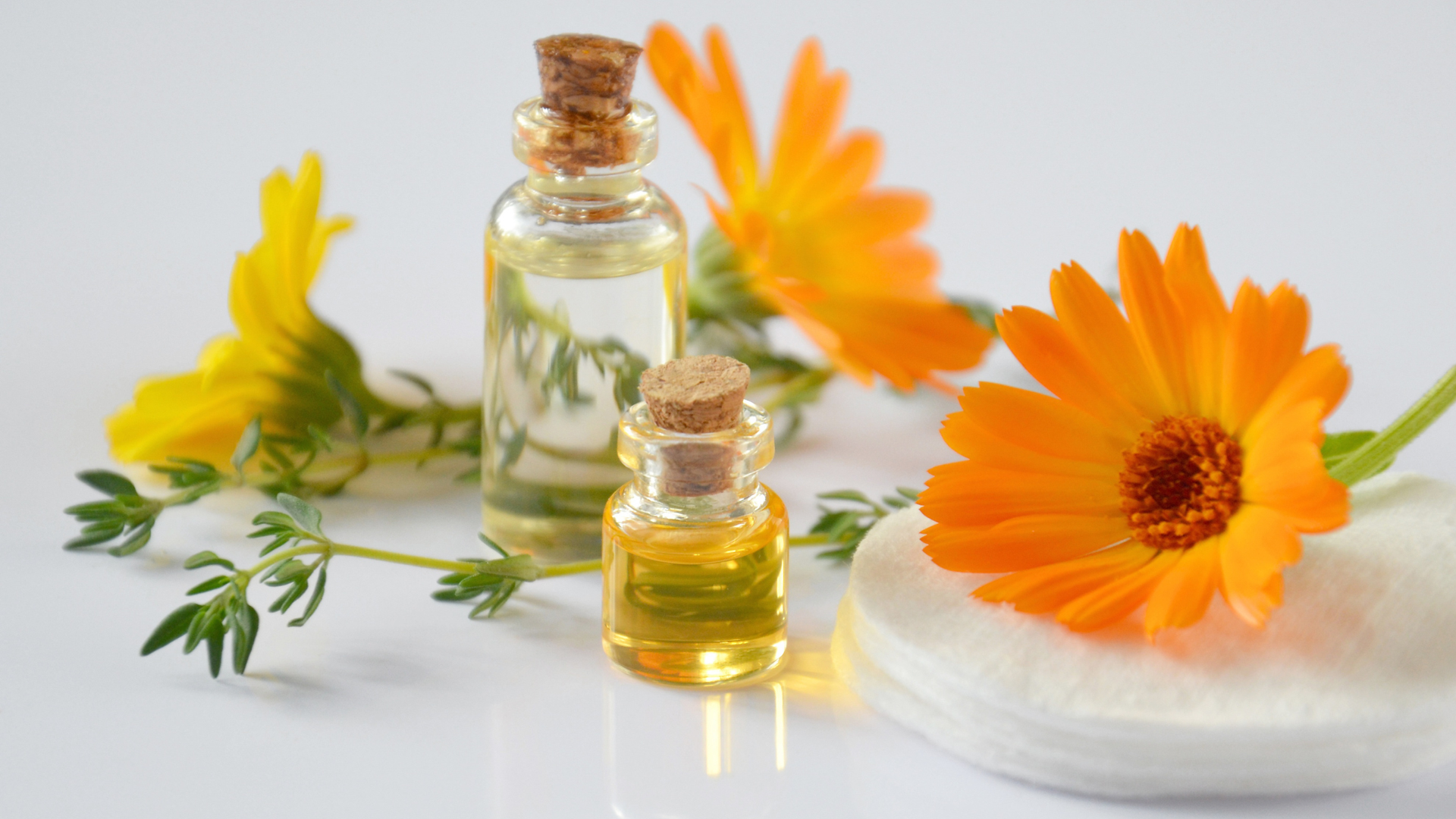
Learn essential oil safety & dilution basics with practical tips. Discover phototoxicity warnings, dilution ratios, and beginner routines for confident, safe use.
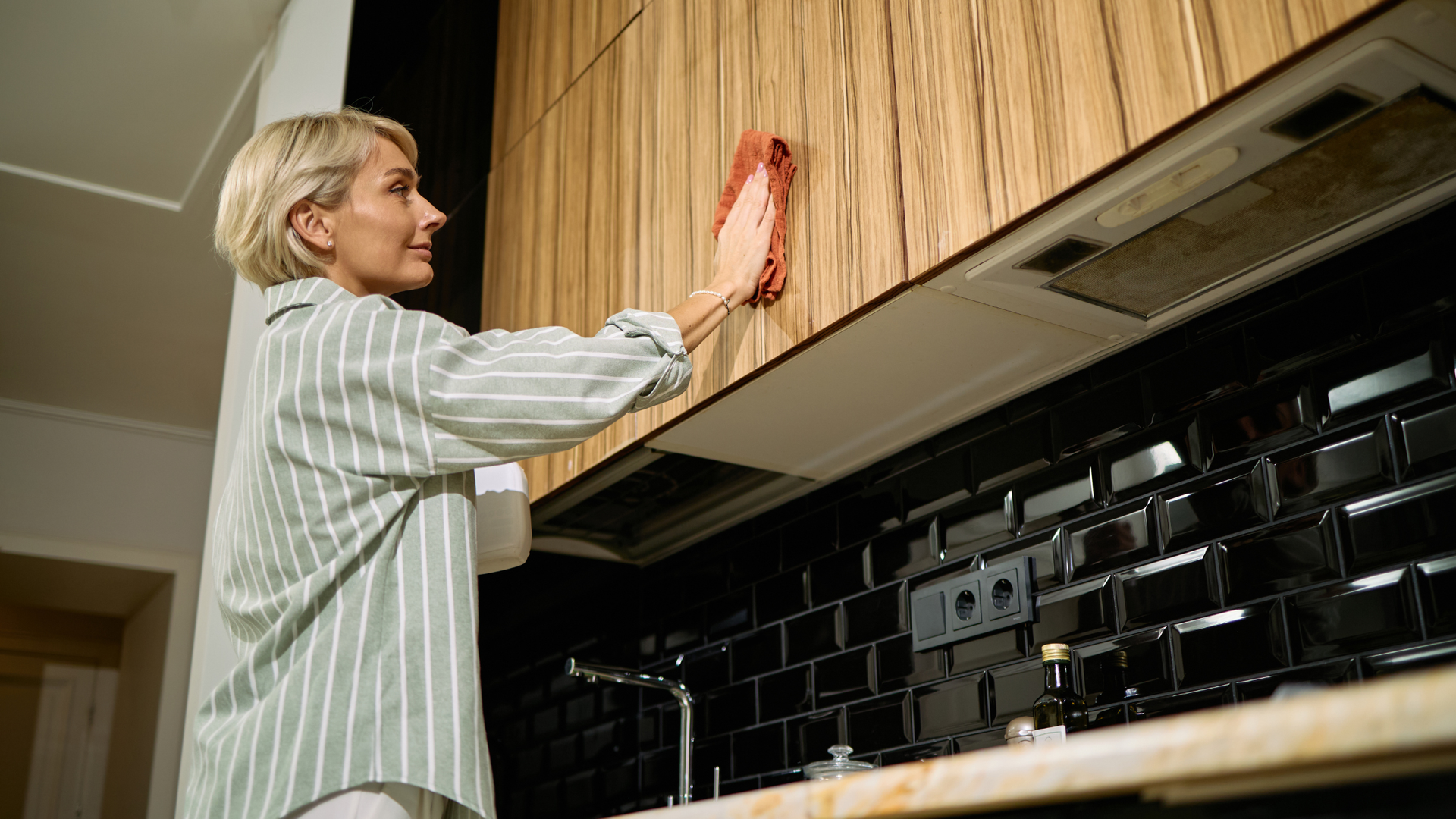
Learn to make eco-friendly DIY cleaning tablets with baking soda, citric acid & essential oils for effective, low-toxin home cleaning and reduced plastic waste.
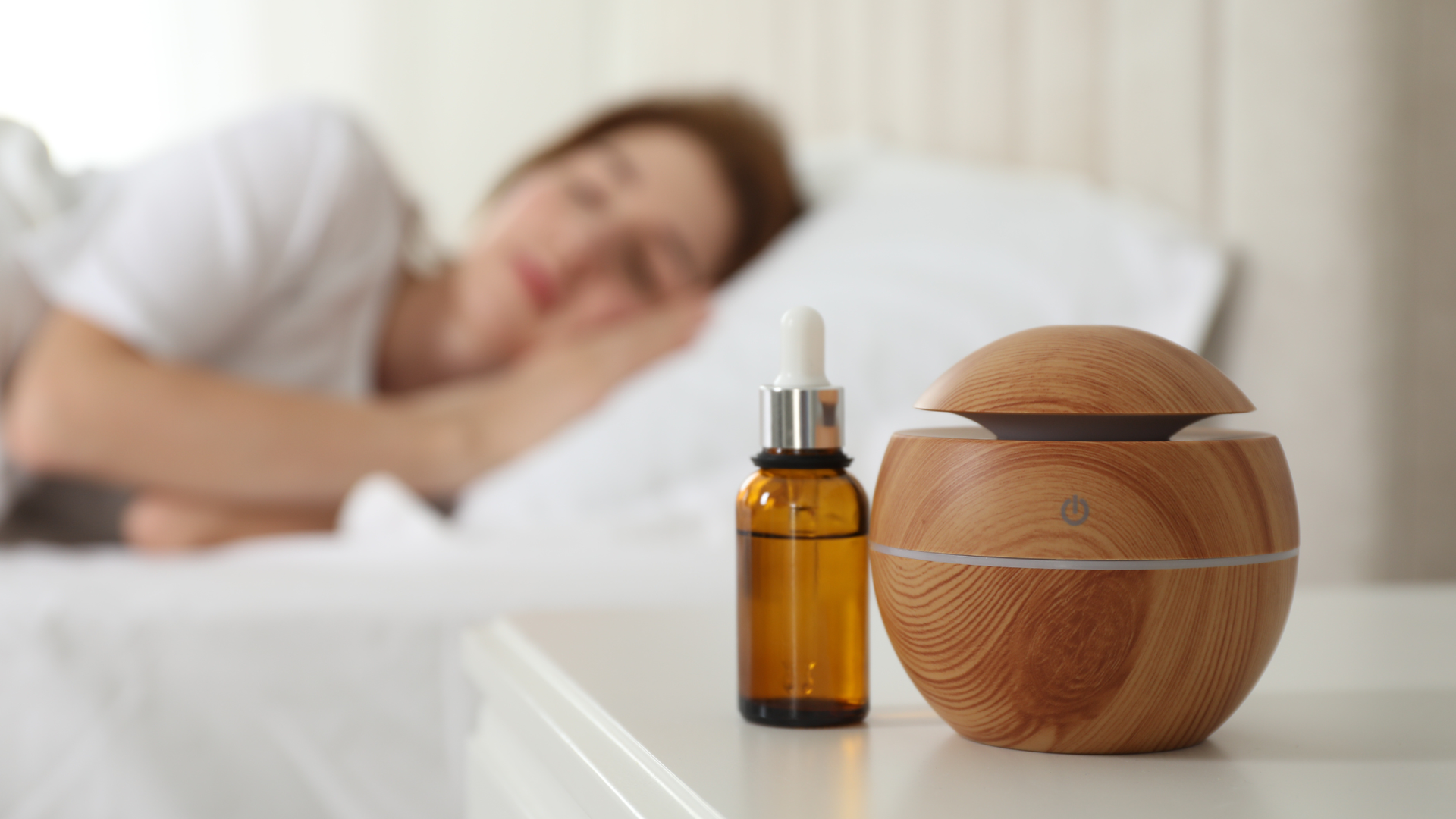
Learn to use essential sleep oils topically or aromatically for a calming bedtime routine. Get practical tips on diffusing, dilution, habit-building.
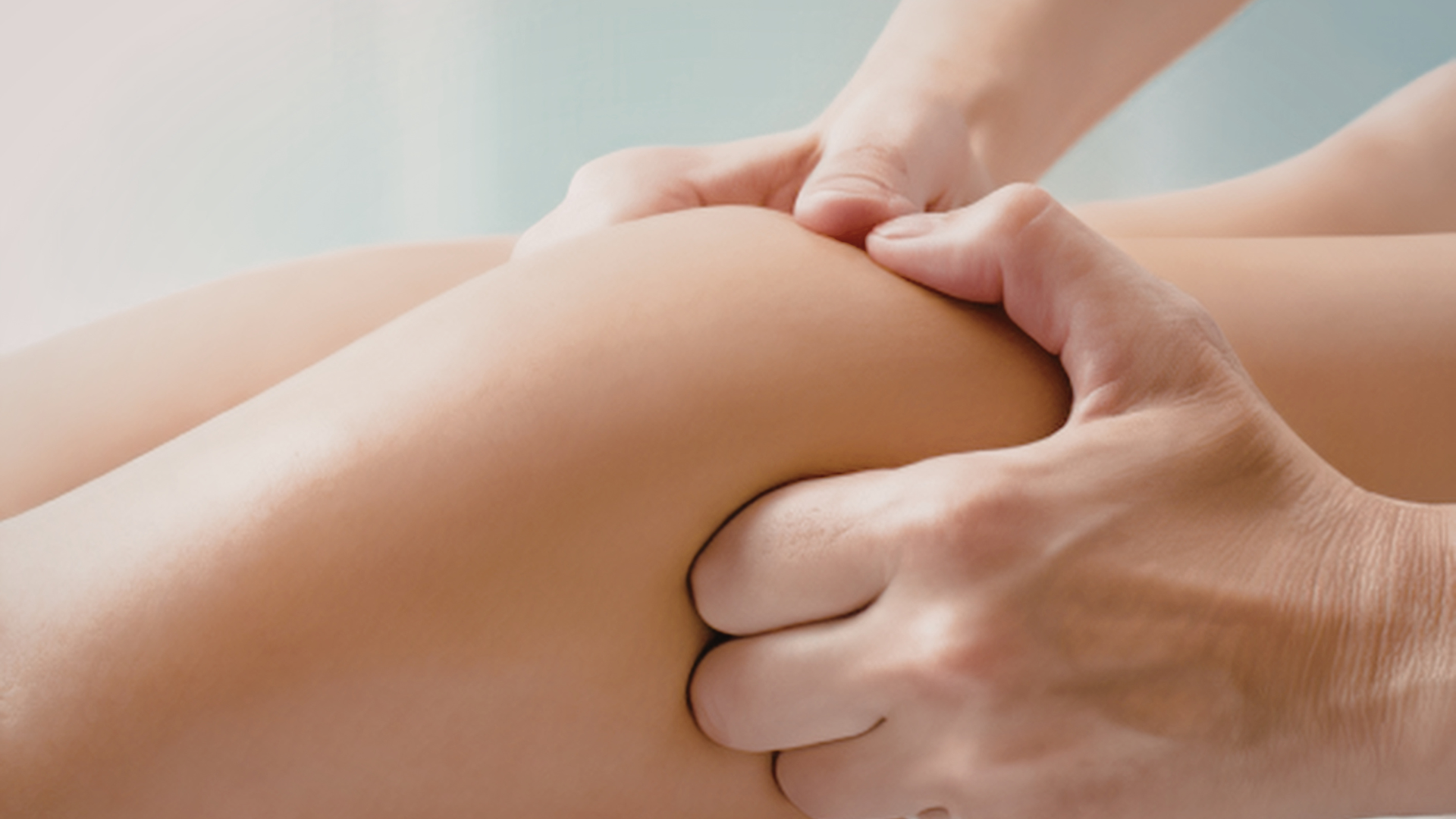
Unwind overworked joints before bed with a 10-minute essential oil massage. Get dilution tips, techniques, and simple routines for soothing nighttime comfort.
Build a gentle, toxin-free facial care routine with essential oils. Discover safe dilution, patch testing, AM/PM steps and tips for cleaner, healthier skin.

Discover 3 simple essential oil routines to ease work-life stress. Get safety tips and quick scent cues for calm focus and evening wind-downs.
Explore gentle, kid-safe essential oil blends to support your family's cold and flu wellness routines with safe dilution, diffusion tips, and home habits.
Discover a practical monthly menstrual self-care ritual using essential oils, heat, movement, and grounding habits. Safe, realistic tips for comfort and calm.

Kickstart your day with a 10-minute morning ritual using essential oils to support immunity, hydration, hygiene, and stress relief. Simple family tips.