
Essential Oil Skincare Blends for Sensitive Skin Types
April 9, 2026
Gentle, toxin-free routines that respect your skin barrier (without giving up results)
Sensitive skin can be confusing: a product works for months, then suddenly it stings; a “natural” ingredient causes redness; a new scent triggers an itchy patch. The goal isn’t to chase the strongest blend—it’s to build a calm, consistent routine that supports your skin barrier and uses essential oils thoughtfully, at truly skin-friendly dilutions.
At YL Family , we help individuals and families across the United States create simple, toxin-conscious wellness habits—especially when skin is reactive. Below is a practical, safety-first guide to essential oil skincare blends for sensitive skin types, including dilution benchmarks, carrier oil selection, patch testing, and blend ideas you can tailor to your needs.
At YL Family , we help individuals and families across the United States create simple, toxin-conscious wellness habits—especially when skin is reactive. Below is a practical, safety-first guide to essential oil skincare blends for sensitive skin types, including dilution benchmarks, carrier oil selection, patch testing, and blend ideas you can tailor to your needs.
First, what “sensitive skin” really means
Sensitive skin is less about a single “skin type” and more about a reactive state
. Your skin may be more likely to sting, flush, itch, or feel tight because the protective outer layer (the skin barrier
) is compromised or easily disrupted.
Common triggers include:
Essential oils can be supportive for some people, but they can also be sensitizing when used too strong, too often, or on already-irritated skin. For sensitive skin, “less” is a strategy , not a compromise.
Common triggers include:
• Fragrance overload (including natural fragrance)
• Harsh cleansing, scrubs, or frequent exfoliation
• Dry indoor air, wind, or rapid temperature swings
• Stress, poor sleep, or fluctuating hormones
Essential oils can be supportive for some people, but they can also be sensitizing when used too strong, too often, or on already-irritated skin. For sensitive skin, “less” is a strategy , not a compromise.
Safety basics for sensitive-skin essential oil blends
If you remember only three rules, make them these:
1) Always dilute.
Undiluted essential oils can increase the chance of irritation or sensitization.
2) Start lower than you think.
For sensitive or facial skin, a ~1% dilution
is a widely used conservative starting point.
3) Patch test every new blend.
Sensitive skin can change over time—test even oils you “used to tolerate.”
Important note:
This is general education, not medical advice. Avoid applying essential oils to broken, inflamed, or actively rashy skin. If you have eczema, rosacea, a history of contact dermatitis, or you’re under dermatologic care, ask your clinician before adding essential oils to a skincare routine.
Dilution made simple (with a quick reference table)
In aromatherapy, topical blends are commonly discussed as a percentage: how much essential oil is in your carrier (like jojoba or fractionated coconut oil). For sensitive skin, many educators recommend staying around 1%
to begin, and only increasing if your skin does well.
| Use case | Conservative dilution range | What it feels like on sensitive skin |
|---|---|---|
| Face / neck (sensitive) | ~0.5%–1% | Often well-tolerated when patch tested; minimal scent |
| Body oil (general) | 1%–2% | Gentle aroma; less likely to tingle than stronger blends |
| Targeted areas (not face) | 2%–3% (only if tolerated) | More noticeable warmth/scent; higher risk of sensitivity for reactive skin |
Practical shortcut:
If you’re blending a small roller or dropper bottle and you’re not sure, choose the lower option. You can always make a second batch later—your skin barrier appreciates patience.
Choosing a carrier oil that won’t “fight” sensitive skin
Carrier oils matter as much as essential oils. They set the “texture,” absorption rate, and how your skin feels minutes—and hours—after application.
If you’re acne-prone and sensitive, do an extra-careful patch test. Some people find certain oils feel too occlusive. When in doubt, choose lighter textures and keep the essential oil percentage conservative.
Beginner-friendly carrier options:
Jojoba:
Often feels lightweight and “skin-like.” A popular choice for facial blends.
Fractionated coconut oil (MCT):
Clear, stable, and easy for roll-ons; some acne-prone people prefer to avoid heavier oils.
Grapeseed:
Light feel; good for body oils and faster absorption.
If you’re acne-prone and sensitive, do an extra-careful patch test. Some people find certain oils feel too occlusive. When in doubt, choose lighter textures and keep the essential oil percentage conservative.
Gentle skincare blend ideas (sensitive-skin focused)
These blend concepts are designed to be low-scent, low-heat, and barrier-friendly
. Keep formulas simple—especially at the beginning. If your skin reacts easily, fewer ingredients makes it easier to identify what works.
1) “Calm Barrier” facial oil (nighttime)
Goal:
Comforting, minimal aroma, supportive for dry-feeling or reactive skin.
How to use: Apply 2–3 drops over slightly damp skin after a simple, fragrance-free moisturizer.
Sensitive-skin approach: Start at ~0.5%–1% dilution total essential oil content. If you’re brand new to essential oils, begin with one gentle oil only (single-note blend) before combining multiple oils.
How to use: Apply 2–3 drops over slightly damp skin after a simple, fragrance-free moisturizer.
Sensitive-skin approach: Start at ~0.5%–1% dilution total essential oil content. If you’re brand new to essential oils, begin with one gentle oil only (single-note blend) before combining multiple oils.
2) “After-Shower Soft Skin” body oil
Goal:
Lightweight hydration with a subtle botanical scent.
How to use: Smooth onto arms/legs immediately after showering while skin is still slightly damp.
Sensitive-skin approach: Aim for ~1% dilution. Avoid applying right after shaving if your skin is easily irritated—wait until the skin feels calm.
How to use: Smooth onto arms/legs immediately after showering while skin is still slightly damp.
Sensitive-skin approach: Aim for ~1% dilution. Avoid applying right after shaving if your skin is easily irritated—wait until the skin feels calm.
3) “Comfort Roll-On” for occasional dry patches (not broken skin)
Goal:
Convenient, targeted use for areas that feel tight (like hands or elbows).
How to use: Roll on sparingly and follow with an unscented cream if needed.
Sensitive-skin approach: Keep the blend conservative and avoid frequent reapplication. More applications can create more exposure—even at a low dilution.
How to use: Roll on sparingly and follow with an unscented cream if needed.
Sensitive-skin approach: Keep the blend conservative and avoid frequent reapplication. More applications can create more exposure—even at a low dilution.
Watch-outs for sensitive skin:
“Hot” oils (especially strong spice oils), high-fragrance layering (using multiple scented products at once), and applying oils to irritated skin can raise the risk of redness or burning. If a blend stings, wipe it off with a carrier oil first, then cleanse gently.
Step-by-step: Build a sensitive-skin routine with essential oils (without overdoing it)
Step 1: Simplify your base routine for 7–14 days
Before you add essential oils, make sure your cleanser and moisturizer are gentle and consistent. Sensitive skin does best when the “foundation” is stable.
Step 2: Patch test correctly (24 hours)
Apply a tiny amount of your diluted
blend to the inner forearm. Leave it alone (no scrubbing or reapplying). Check for redness, itching, bumps, or warmth. If your skin is highly reactive, extend the observation window to 48 hours.
Step 3: Use it 2–3 nights per week first
Daily use can be too much exposure for sensitive skin at the beginning. Start slow, then reassess after two weeks.
Step 4: Keep notes like a “skin journal”
Track what you used, how much, and where. Sensitive skin improves when you can identify patterns—weather changes, stress weeks, new laundry products, or too many scented layers.
Quick “Did you know?” facts for sensitive skin + essential oils
• A stronger blend isn’t always more effective—lower dilutions are often used in aromatherapy for skin comfort.
• “Natural fragrance” can still trigger reactions; sensitive skin often does better with minimal scent.
• Applying essential oils to inflamed or broken skin can increase absorption and irritation risk.
• If something burns, don’t “push through it.” Your skin barrier is giving feedback worth listening to.
A practical “United States” angle: seasonal sensitivity and home habits
Across the U.S., sensitive skin commonly flares during seasonal transitions—winter indoor heating, dry high-altitude climates, windy spring days, and summer sweat/sunscreen layering can all change how your products feel.
If your skin is reactive, consider pairing your skincare blends with toxin-conscious home routines:
Want more ideas for a cleaner home environment? Explore our Green Home Living resources for plant-powered routines that support a low-toxin lifestyle.
If your skin is reactive, consider pairing your skincare blends with toxin-conscious home routines:
• Keep showers warm (not hot) and shorter when skin is dry.
• Choose gentle detergents and avoid heavy fragrance boosters.
• Use diffusion lightly; strong ambient fragrance can feel like “too much” for sensitive households.
Want more ideas for a cleaner home environment? Explore our Green Home Living resources for plant-powered routines that support a low-toxin lifestyle.
Shop thoughtfully: build a sensitive-skin kit you’ll actually use
Consistency beats complexity. A simple kit might include one carrier oil, a gentle essential oil option (or a pre-made roll-on you tolerate), and a fragrance-free moisturizer as your “buffer.” If you’re also focusing on stress and sleep (two common sensitivity amplifiers), you may like pairing skin-supportive habits with routines from our Stress & Mood
and Sleep & Rest
collections.
Ready for a toxin-free skincare routine that feels calm (not complicated)?
Browse YL Family’s curated wellness products and choose gentle options that fit your routine. Start small, patch test, and build from there.
Shop Sensitive-Skin Friendly Essentials
Prefer guidance? Visit our Contact
page and tell us what your skin is reacting to (seasonal dryness, fragrance sensitivity, or product overload).
FAQ: Essential oils + sensitive skin
Are “sensitive skin oils” always safe for everyone?
No. Sensitivity is personal, and reactions can depend on dilution, frequency, and your current skin barrier health. Patch testing and conservative dilution are the most reliable safeguards.
Can I apply essential oils directly to my face?
For sensitive skin, direct (undiluted) application is a common reason people experience burning or redness. A low dilution and patch test is the safer approach, especially on facial skin.
What if a blend stings?
Stop using it. Wipe the area with a plain carrier oil to lift the essential oil, then gently cleanse. If symptoms persist or you develop swelling, hives, blistering, or spreading rash, seek medical guidance.
How often should I use a gentle skincare blend?
For reactive skin, start 2–3 nights per week. If your skin stays calm for two weeks, you can reassess. Frequent reapplication can increase exposure, even with low dilutions.
Are toxin-free skincare routines only about removing ingredients?
Not at all. Clean living is also about what you add: hydration, barrier support, consistent sleep, stress regulation, and simplified routines that your skin can tolerate long-term.
Glossary (helpful terms for beginners)
Carrier oil:
A plant-based oil (like jojoba or grapeseed) used to dilute essential oils for safer topical application.
Dilution (percentage):
The concentration of essential oil in a carrier oil. Lower percentages are typically gentler for sensitive skin.
Patch test:
A small test application on the skin (often the inner forearm) to check for irritation or allergy before broader use.
Skin barrier:
The outermost protective layer of skin that helps retain moisture and defend against irritants.
Sensitization:
A process where repeated exposure can lead to developing an allergic-type skin reaction over time, even to ingredients you previously tolerated.

Discover teen-friendly bedtime routines with gentle essential oils for 8–10 hours of sleep. Try simple wind-down steps for calmer nights and rested mornings.
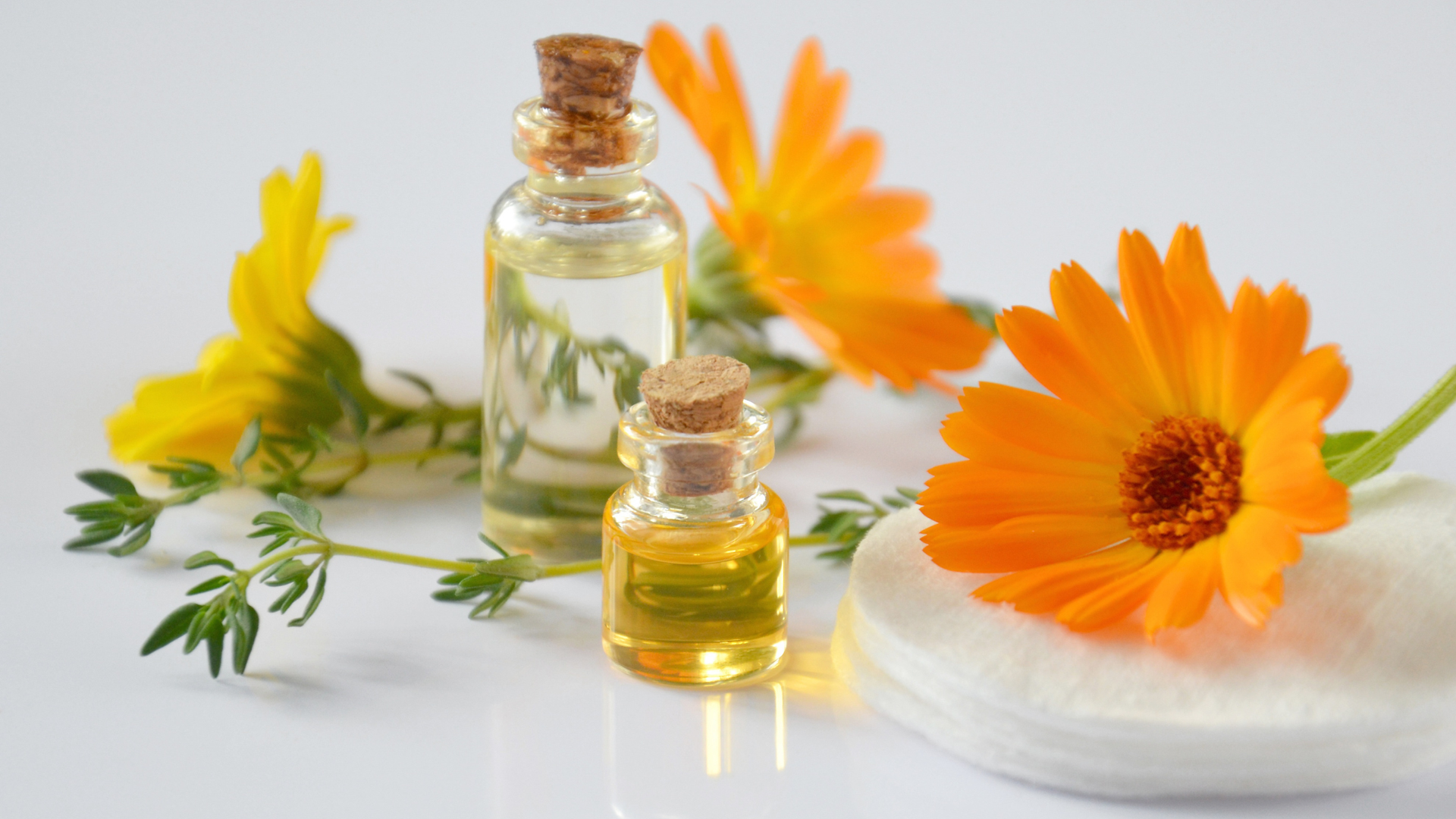
Learn essential oil safety & dilution basics with practical tips. Discover phototoxicity warnings, dilution ratios, and beginner routines for confident, safe use.

Learn to make eco-friendly DIY cleaning tablets with baking soda, citric acid & essential oils for effective, low-toxin home cleaning and reduced plastic waste.
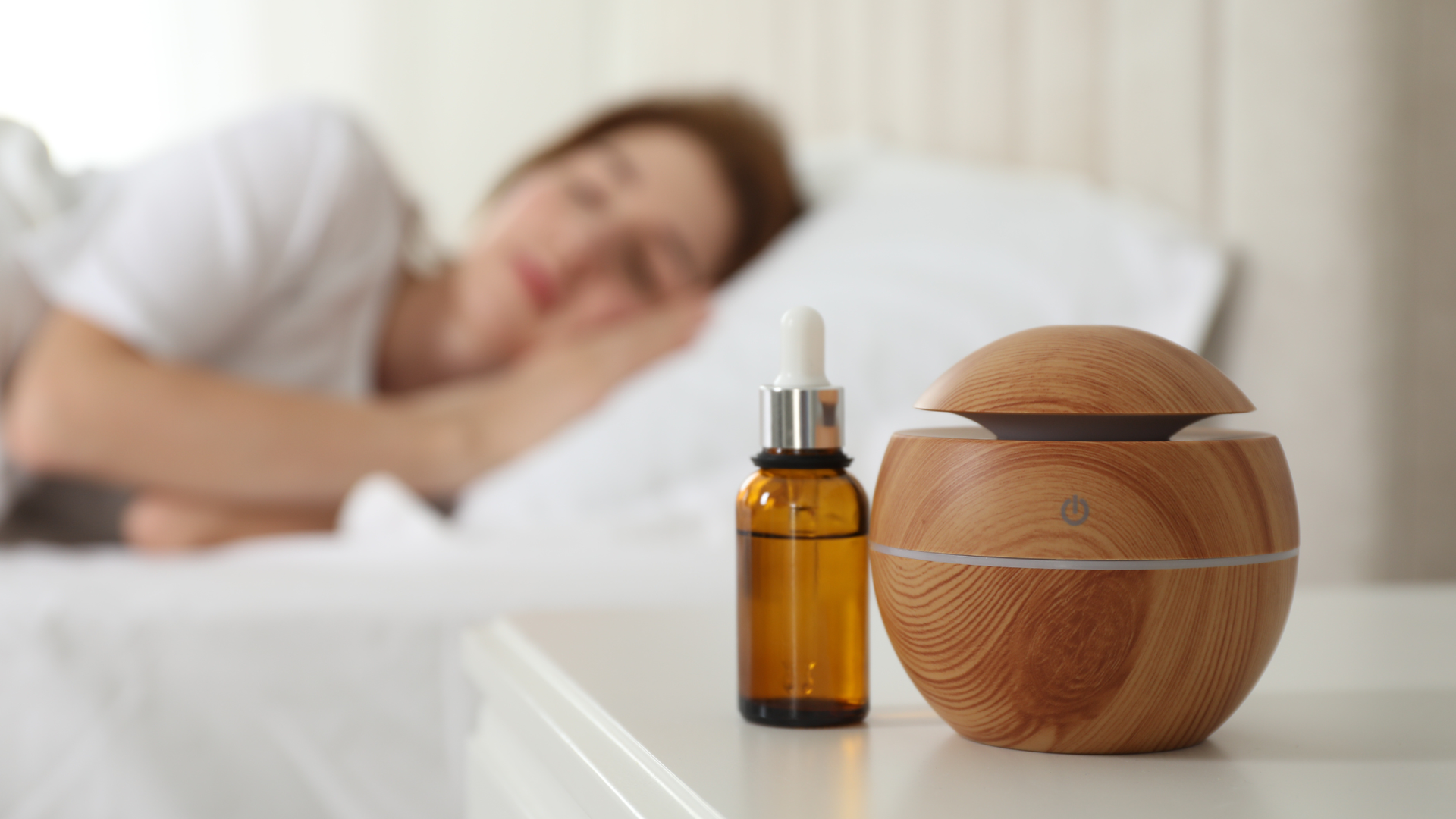
Learn to use essential sleep oils topically or aromatically for a calming bedtime routine. Get practical tips on diffusing, dilution, habit-building.

Unwind overworked joints before bed with a 10-minute essential oil massage. Get dilution tips, techniques, and simple routines for soothing nighttime comfort.
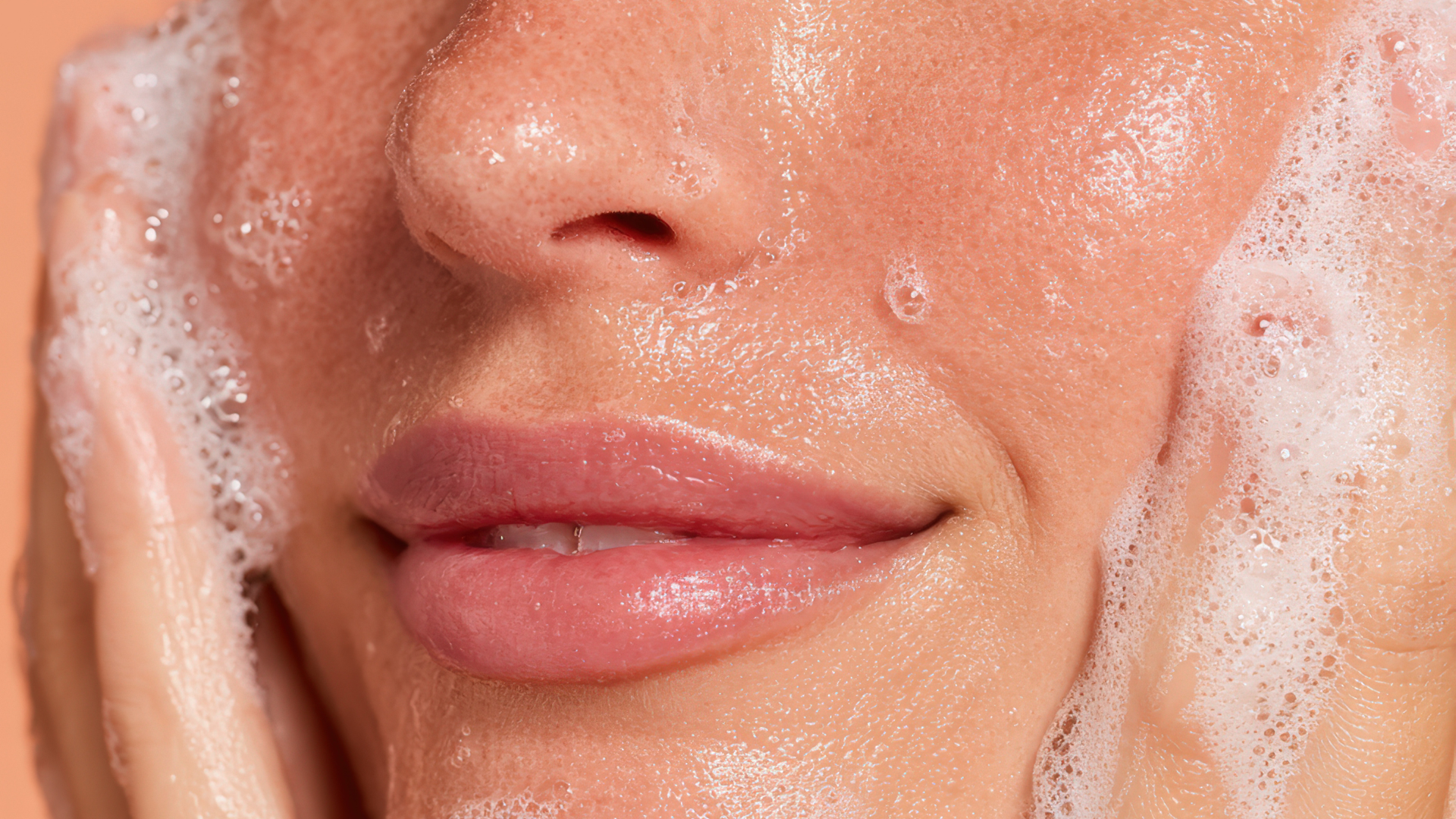
Build a gentle, toxin-free facial care routine with essential oils. Discover safe dilution, patch testing, AM/PM steps and tips for cleaner, healthier skin.

Discover 3 simple essential oil routines to ease work-life stress. Get safety tips and quick scent cues for calm focus and evening wind-downs.
Explore gentle, kid-safe essential oil blends to support your family's cold and flu wellness routines with safe dilution, diffusion tips, and home habits.

Discover a practical monthly menstrual self-care ritual using essential oils, heat, movement, and grounding habits. Safe, realistic tips for comfort and calm.

Kickstart your day with a 10-minute morning ritual using essential oils to support immunity, hydration, hygiene, and stress relief. Simple family tips.