
Essential Oils to Ease IBS Symptoms: Natural Digestive Relief
April 1, 2026
A calmer gut can start with small, steady habits
IBS (Irritable Bowel Syndrome) can feel unpredictable—bloating one day, cramping the next, and bathroom urgency that seems to show up at the worst times. Many people want options that feel gentle, practical, and supportive alongside the basics (food choices, stress reduction, and clinician guidance). Essential oils are one tool some families use to create a steadier routine—especially when the focus is comfort, consistency, and safety.
At YL Family , we help individuals and families build clean-living routines with pure, potent essential oils and wellness products—paired with education so you feel confident about what you’re using and why.
At YL Family , we help individuals and families build clean-living routines with pure, potent essential oils and wellness products—paired with education so you feel confident about what you’re using and why.
First, a quick IBS refresher (and why symptoms vary)
IBS is a functional gastrointestinal condition—meaning symptoms are real and often disruptive, even when routine tests don’t show structural disease. Many people notice patterns linked to:
Essential oils don’t “cure” IBS. The more realistic goal is daily digestive support : easing occasional cramping, reducing the stress spiral that worsens symptoms, and building rituals that help your body downshift.
• Gut-brain signaling:
stress, sleep loss, and mental load can intensify sensation and urgency.
• Food fermentability:
certain carbs can increase gas and bloating (common with high-FODMAP foods).
• Motility shifts:
faster or slower transit can swing symptoms toward diarrhea, constipation, or both.
• Visceral sensitivity:
the gut may feel pain more intensely than “expected.”
Essential oils don’t “cure” IBS. The more realistic goal is daily digestive support : easing occasional cramping, reducing the stress spiral that worsens symptoms, and building rituals that help your body downshift.
Peppermint: the most studied option for IBS comfort
When people search for IBS relief essential oils
, peppermint is often the first name they see—because it’s one of the best-studied botanical approaches for IBS symptom relief in research settings, especially in enteric-coated capsule
form (designed to pass the stomach and release in the intestines). Reviews of clinical trials have found peppermint oil capsules can improve overall IBS symptoms for some people. (Note: this is a supplement format—not the same as taking essential oil “neat” or adding drops to water.) ( drugs.com)
What this means for a home routine: even if you don’t use capsules, peppermint’s scent and topical use (properly diluted) can be part of a calming “reset” ritual—especially when cramps or nausea are stress-amplified. The key is using it responsibly and matching the method to your body.
What this means for a home routine: even if you don’t use capsules, peppermint’s scent and topical use (properly diluted) can be part of a calming “reset” ritual—especially when cramps or nausea are stress-amplified. The key is using it responsibly and matching the method to your body.
Safety note (important)
Peppermint can worsen reflux/heartburn in some people (because it may relax the lower esophageal sphincter). It’s also not a “more is better” oil—high doses are not safe. If you have GERD, a hiatal hernia, gallbladder concerns, are pregnant/breastfeeding, or are using it for kids, talk with a qualified clinician first and consider gentler options. ( hsis.org)
A practical “digestive support blend” approach (without overcomplicating it)
Many people do best when they think in moments
, not “fixes.” Here are three IBS moments and oil-based routines that can pair well with standard lifestyle strategies:
1) The “tight stomach + busy brain” moment
Goal:
downshift the stress response that can amplify gut sensitivity.
Try: diffusion or inhalation from a tissue/cotton pad with a calming aroma you tolerate well. Keep it subtle—strong scent can backfire if you’re already nauseated or overstimulated.
Pair with: 3 minutes of slow breathing (longer exhales), a short walk after meals, or a warm shower.
Try: diffusion or inhalation from a tissue/cotton pad with a calming aroma you tolerate well. Keep it subtle—strong scent can backfire if you’re already nauseated or overstimulated.
Pair with: 3 minutes of slow breathing (longer exhales), a short walk after meals, or a warm shower.
2) The “bloat + discomfort” moment
Goal:
comfort and a sense of spaciousness.
Try: a properly diluted topical belly massage (for adults). Use a carrier oil and patch test first. Avoid if your skin is reactive, and stop if warmth turns to burning or irritation.
Pair with: gentle movement (child’s pose, knees-to-chest), and smaller evening meals.
Try: a properly diluted topical belly massage (for adults). Use a carrier oil and patch test first. Avoid if your skin is reactive, and stop if warmth turns to burning or irritation.
Pair with: gentle movement (child’s pose, knees-to-chest), and smaller evening meals.
3) The “I can’t predict tomorrow” moment
Goal:
reduce triggers and keep a steady baseline.
Try: a consistent bedtime wind-down (same time, lower screens, relaxing scent, warm drink you tolerate) plus a simple symptom journal that tracks meals, stress, and sleep.
Pair with: evidence-based dietary structure (see the table below).
Try: a consistent bedtime wind-down (same time, lower screens, relaxing scent, warm drink you tolerate) plus a simple symptom journal that tracks meals, stress, and sleep.
Pair with: evidence-based dietary structure (see the table below).
Did you know? Quick IBS-friendly facts
• Enteric-coated peppermint oil
(supplement format) has been studied in IBS trials and is commonly used short-term for symptom relief. ( drugs.com)
• Peppermint may worsen reflux
for some people—so “digestive support” should always be personalized. ( hsis.org)
• A low-FODMAP approach
has a substantial research base for IBS symptom improvement when done correctly (usually with an elimination phase followed by structured reintroduction). ( pubmed.ncbi.nlm.nih.gov)
Helpful comparison: essential oils vs. food strategy vs. stress support
| Support type | Best for | Strengths | Watch-outs |
|---|---|---|---|
| Peppermint (studied in enteric-coated capsules) | Cramping, global IBS symptoms (some people) | Evidence base in IBS; often used short-term ( drugs.com) | Can aggravate reflux/heartburn; supplement interactions; not for pregnancy/kids without guidance ( hsis.org) |
| Low-FODMAP structure (dietary) | Bloating, gas, stool irregularity, triggers | Strong research base; helps identify personal triggers ( pubmed.ncbi.nlm.nih.gov) | Shouldn’t be overly restrictive long-term; best with professional guidance |
| Stress & sleep routine (nervous system support) | Flare cycles, urgency, pain sensitivity | Improves resilience; supports gut-brain connection | Takes consistency; needs personalization (sensory tolerance matters) |
Note:
If you’re considering peppermint oil as a supplement, use a product designed for internal use (often enteric-coated) and check with your clinician—especially if you have reflux, take antacids/acid blockers, or use multiple medications. ( samples.jbpub.com)
Local angle: supporting IBS routines across the United States
Across the U.S., busy schedules, travel, restaurant meals, and chronic stress can make IBS feel harder to manage. A few practical, widely applicable tips:
If you’re located near Colorado (YL Family is based in Parker), you also know how quickly routines can change with seasonal transitions and busy family calendars—so building a “small but repeatable” plan is often more successful than chasing perfect.
• Create a “travel baseline”:
keep meals simple the day before flying/road trips; prioritize sleep and hydration.
• Use scent as a cue:
a consistent calming aroma at the same time each evening can signal your nervous system to shift into rest mode.
• Plan for the morning:
many IBS patterns show up early; protect your time with a predictable breakfast you tolerate well.
If you’re located near Colorado (YL Family is based in Parker), you also know how quickly routines can change with seasonal transitions and busy family calendars—so building a “small but repeatable” plan is often more successful than chasing perfect.
Want help choosing a gut-comfort routine you’ll actually use?
Shop curated wellness options and build a simple plan for stress support, sleep rhythm, and clean-living swaps—so your gut isn’t carrying the whole load.
Safety reminder: Essential oils are concentrated. Always dilute for topical use, avoid eyes/mucous membranes, and ask a clinician if pregnant, breastfeeding, managing reflux, or supporting children.
Helpful next steps on our site: Gut & Hormone Support
and Stress & Mood.
FAQ: Essential oils and IBS
Which essential oil is best for IBS relief?
Peppermint oil is the most studied option for IBS symptom relief—specifically in enteric-coated capsule
form in clinical trials. Results vary by person, and it may not be appropriate if you have reflux or heartburn. ( drugs.com)
Can I put essential oils in water for digestive symptoms?
It’s not recommended to add essential oils to water for internal use unless the product is specifically formulated and labeled for that purpose. Essential oils are highly concentrated; “DIY ingestion” can be irritating and unsafe. If you want an internal approach, discuss a properly made supplement (like enteric-coated peppermint oil) with a clinician. ( samples.jbpub.com)
Why does peppermint help some people but bother others?
Peppermint may relax smooth muscle in the GI tract, which can be soothing for cramps. But that relaxing effect may also worsen acid reflux
for some people. If heartburn increases, stop and choose a different approach. ( hsis.org)
Is a low-FODMAP diet better than essential oils?
They serve different roles. Low-FODMAP is a structured food strategy with substantial research support for IBS symptom improvement, while essential oils are often used as comfort and routine support. Many people do best with both: food structure + nervous system support + targeted tools. ( pubmed.ncbi.nlm.nih.gov)
Are essential oils safe for kids with tummy troubles?
Extra caution is needed with children. Some strong oils (including peppermint) may not be appropriate for young kids, especially near the face or for inhalation/ingestion. Work with a pediatric clinician and use child-specific guidance. ( health.belgium.be)
Glossary (helpful terms)
Enteric-coated capsule:
A capsule designed to resist stomach acid and dissolve in the intestines, which can reduce upper-GI irritation and target release lower in the digestive tract.
FODMAPs:
A group of fermentable carbohydrates (Fermentable Oligosaccharides, Disaccharides, Monosaccharides, Polyols) that can increase gas and draw water into the gut—triggering symptoms for some people with IBS. ( pubmed.ncbi.nlm.nih.gov)
Visceral hypersensitivity:
Heightened sensitivity to sensations in internal organs (like the intestines), which can make normal digestive processes feel painful or urgent.
GERD:
Gastroesophageal reflux disease (chronic reflux). Peppermint may aggravate reflux in some individuals. ( hsis.org)
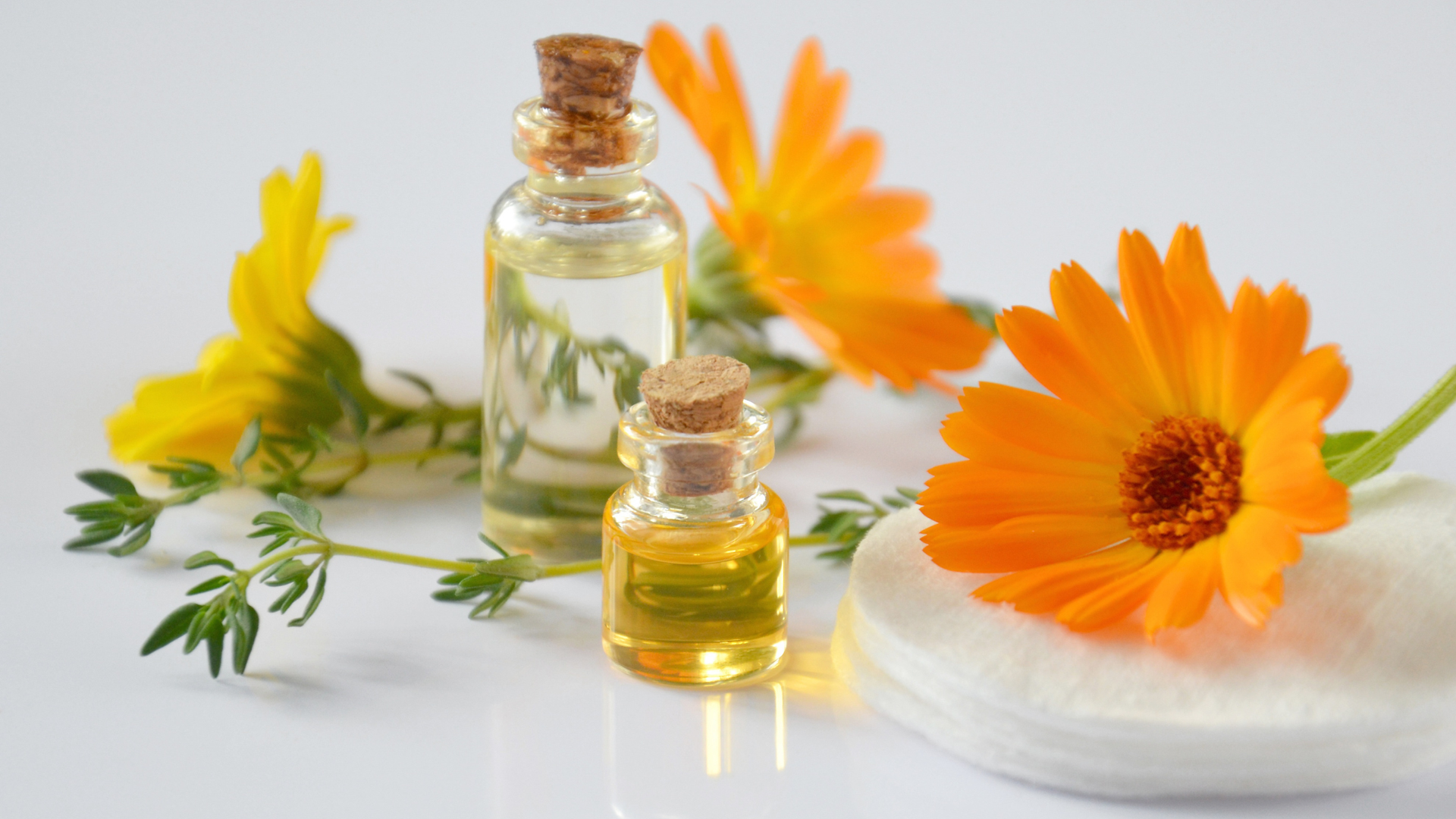
Learn essential oil safety & dilution basics with practical tips. Discover phototoxicity warnings, dilution ratios, and beginner routines for confident, safe use.

Learn to make eco-friendly DIY cleaning tablets with baking soda, citric acid & essential oils for effective, low-toxin home cleaning and reduced plastic waste.
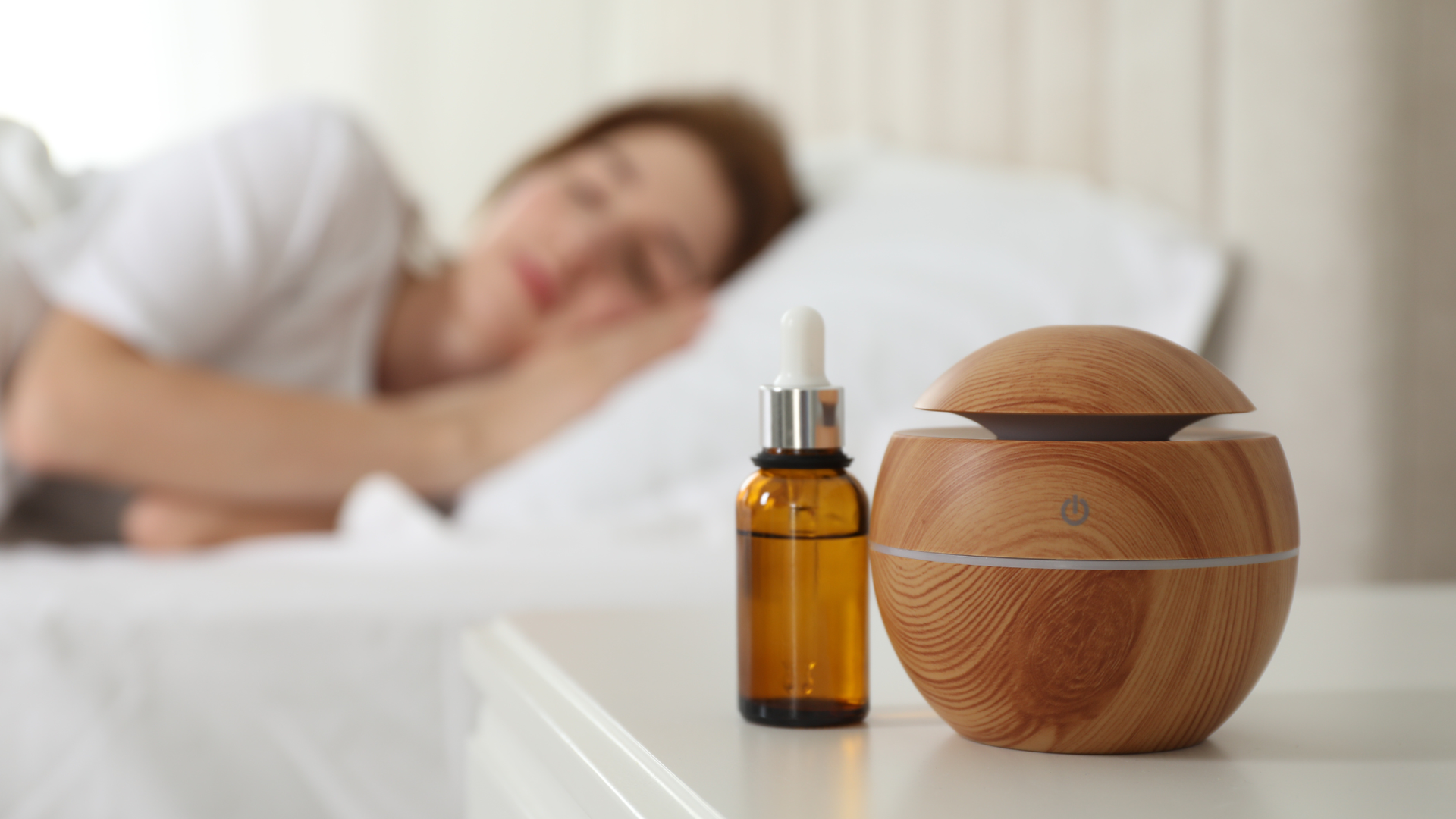
Learn to use essential sleep oils topically or aromatically for a calming bedtime routine. Get practical tips on diffusing, dilution, habit-building.

Unwind overworked joints before bed with a 10-minute essential oil massage. Get dilution tips, techniques, and simple routines for soothing nighttime comfort.

Build a gentle, toxin-free facial care routine with essential oils. Discover safe dilution, patch testing, AM/PM steps and tips for cleaner, healthier skin.

Discover 3 simple essential oil routines to ease work-life stress. Get safety tips and quick scent cues for calm focus and evening wind-downs.
Explore gentle, kid-safe essential oil blends to support your family's cold and flu wellness routines with safe dilution, diffusion tips, and home habits.

Discover a practical monthly menstrual self-care ritual using essential oils, heat, movement, and grounding habits. Safe, realistic tips for comfort and calm.

Kickstart your day with a 10-minute morning ritual using essential oils to support immunity, hydration, hygiene, and stress relief. Simple family tips.

Learn how to create DIY essential oil body scrubs for gentle exfoliation and radiant skin. Discover recipes, safety tips, and ingredient guides for smoother skin.