Essential Oils for Growing Pains: Gentle Relief for Active Kids

April 3, 2026

A calmer bedtime for kids with achy legs (without turning your home into a medicine cabinet)

If your child is active, growing, and suddenly complaining of leg aches at night, you’re not alone. “Growing pains” are common in kids—often showing up in the evening or overnight and disappearing by morning. The good news: many children respond well to simple, conservative comfort measures like gentle massage, warmth, and stretching.

This guide shares kid-friendly ways to pair those tried-and-true approaches with carefully diluted essential oils for a soothing, supportive routine. At YL Family , we focus on clean, practical wellness habits for real life—especially for parents who want toxin-conscious options that still feel effective and easy.

What “growing pains” usually feel like (and what they usually are not)

Growing pains typically present as intermittent aching or throbbing in the legs—often the calves, shins, or behind the knees. Many kids are completely fine during the day and then complain once they’ve slowed down in the evening. Importantly, growing pains are a diagnosis made by history and pattern—there isn’t a specific lab test for them.

Common “green flag” patterns parents describe
Pain appears late afternoon/evening or wakes your child at night
Pain improves with comfort (massage, warmth, stretching)
No limp in the morning; normal energy the next day
Pain is often on both sides (though it can alternate)
When to call your pediatrician promptly
Pain with fever, swelling, redness, warmth, or a rash
Pain that’s consistently in one spot, severe, or worsening
A limp, refusal to bear weight, or pain that persists into the morning
Recent injury or pain centered in a joint

If you’re unsure, it’s always appropriate to ask your child’s clinician—especially because not all leg pain is “growing pains.”

The comfort foundation: massage, heat, and stretching (then add oils thoughtfully)

Most pediatric guidance for growing pains centers on conservative care. Many kids respond to: gentle massage , heat (warm bath or heating pad used safely), and regular leg stretching earlier in the day or before bedtime.

A simple bedtime “ache-easing” routine (10–12 minutes)
2 minutes: Warm compress on calves (not hot; check skin frequently)
4 minutes: Slow calf and shin massage (upward strokes toward the heart)
3 minutes: Gentle stretches (calf stretch against wall; hamstring stretch seated)
1–3 minutes: Quiet breathing while diffusing a calming aroma (optional)

Essential oils can fit into this routine as a sensory support —helping a child relax, accept massage more easily, and settle into sleep—when used with appropriate safety steps.

Kid-safe essential oil basics (the part parents skip—and regret later)

With children, less is more. The two biggest rules are dilution and skin awareness . Essential oils are concentrated plant extracts and can irritate skin if applied “neat” (undiluted). For kids, choose gentle oils and keep the blend mild.

Age / situation Conservative topical dilution Practical example (per 1 oz / 2 Tbsp carrier oil) Notes
Kids (general starter range) ~0.5% to 1% About 3–6 total drops Start low; increase only if well tolerated
Sensitive skin / first-time use ~0.25% to 0.5% About 1–3 total drops Patch test recommended
Avoid on young children Not a dilution issue—an oil choice issue Skip strong “hot” oils Some oils may be irritating (especially near face/airways)
Non-negotiable safety checks
Avoid eyes, inside the nose, ears, and broken/irritated skin
Do a small patch test on the forearm before first use
Store oils up high; child-resistant cap if available
If your child has asthma, seizures, or complex medical conditions, check with your clinician before using aromatic products

Also note: in the U.S., products marketed with “aromatherapy” language are not FDA-approved to treat diseases. Keep your language and expectations centered on comfort and well-being—not medical treatment.

Three gentle ways to use essential oils for kids’ body discomfort at night

1) Diluted massage oil (best for growing pains routines)

Combine your chosen essential oils with a kid-friendly carrier oil (fractionated coconut, jojoba, or sweet almond if no nut sensitivity). Massage calves and shins using slow, steady strokes.

Starter blend idea (0.5%–1% total)
For 1 oz (2 Tbsp) carrier oil: 3–6 total drops essential oil
Choose gentle options such as lavender or chamomile profiles (keep it simple with 1–2 oils).
2) Warm bath + aroma (low-effort, high comfort)

Warm water relaxes muscles and sets the stage for sleep. For kids, keep aromatics subtle. A practical approach is to diffuse in the bathroom before bath time, or place a single drop on a washcloth kept out of reach (never directly on skin).

Tip: Essential oils don’t mix with water. Avoid dropping oils directly into the tub without a safe dispersant method; this can increase skin irritation risk.
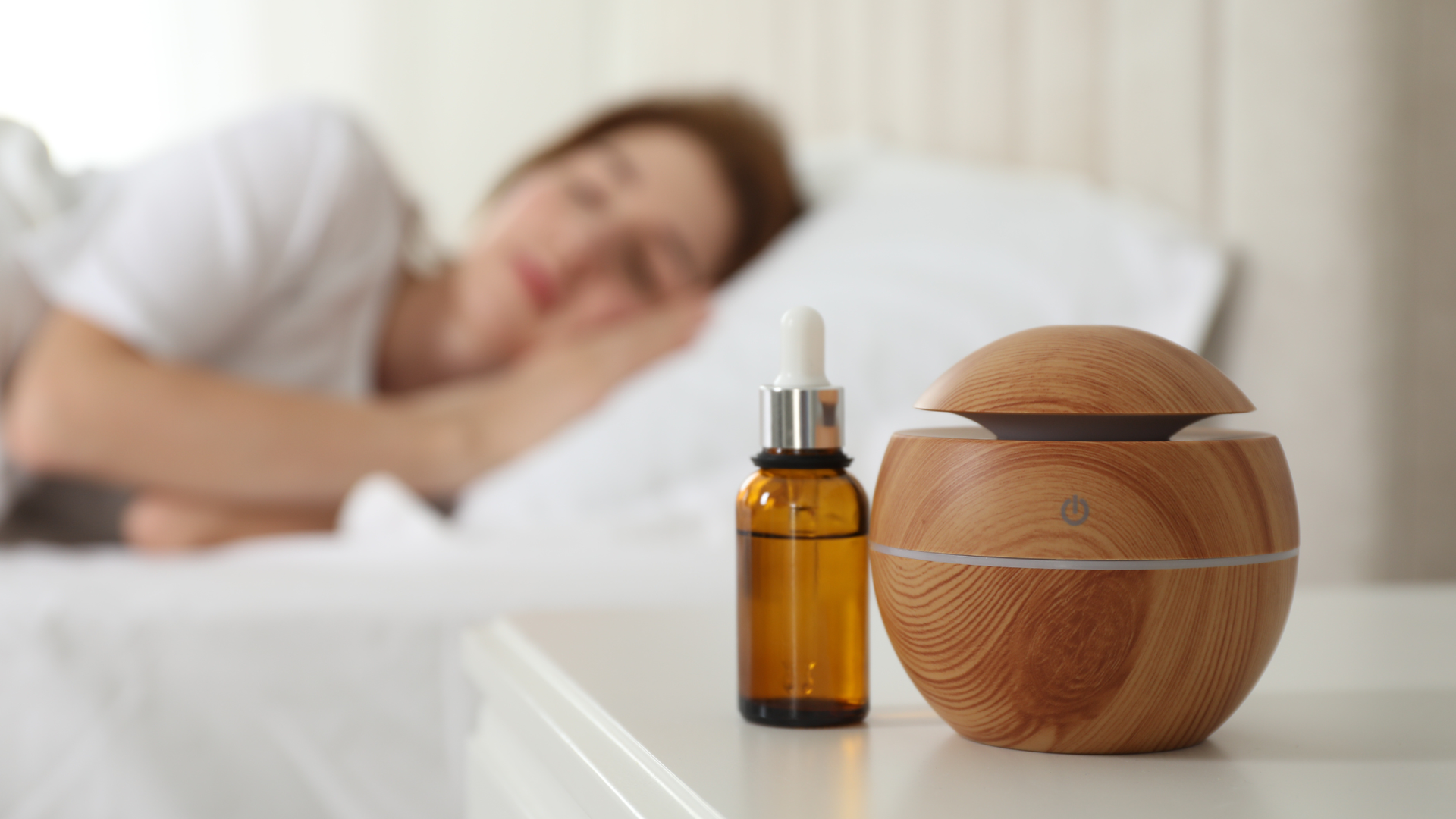
3) Diffuser during wind-down (for mood + sleep support)

If your child associates “achy legs” with worry or bedtime resistance, gentle diffusion can support a calmer atmosphere. Diffuse for a short period in a well-ventilated room, and discontinue if your child reports headache, nausea, or irritation.

Did you know? Quick facts that help parents stress less

Growing pains often come and go. Many kids have episodes for a while, then weeks (or months) with nothing.
Massage and warmth are commonly recommended. These are first-line comfort options for many families.
Stretching earlier in the day may help. A quick calf/hamstring stretch routine can be a helpful habit for active kids.
Foot mechanics matter. If pain seems linked to activity and foot posture, ask about footwear support or an evaluation.

A U.S. family angle: keeping routines realistic on school nights

For many families in the United States, evenings are packed—homework, late practices, quick dinners, and the scramble to get everyone to bed. When growing pains show up, it helps to have a repeatable plan that doesn’t require a perfect schedule.

Make it “automatic” with a small basket
A soft heat pack (or microwavable rice sock)
Carrier oil + a pre-diluted kid-safe blend (labeled clearly)
A simple stretching card (2–3 stretches)
A water bottle for a few sips after the routine

Consistency beats complexity. Even 5 minutes of warmth + massage can be enough to help your child relax and fall back asleep.

Ready to build your kid-friendly comfort kit?

If you’d like help choosing gentle, family-friendly options for sleep, stress, and everyday body discomfort support, browse YL Family’s curated wellness products and create a simple routine you can actually stick with.

FAQ: Essential oils and growing pains

Are essential oils a “treatment” for growing pains?
Essential oils are best viewed as supportive comfort tools —especially for relaxation, bedtime routines, and making massage more pleasant. For growing pains themselves, conservative measures like massage, heat, and stretching are commonly recommended as first steps.
What are the safest ways to use oils for kids with body discomfort?
The safest approaches are properly diluted topical use (in a carrier oil) and short, well-ventilated diffusion . Avoid applying oils undiluted and keep products away from eyes, mucous membranes, and broken skin.
How do I dilute essential oils for a child?
Start conservatively. A common, kid-friendly starter range is about 0.5% to 1% for topical blends, and even lower for very sensitive skin. If you’re new, use fewer drops and keep blends simple.
Can I put essential oils directly into my child’s bath?
It’s not recommended to add essential oils straight into bath water because oils don’t disperse evenly and can sit on the skin in a concentrated way, increasing irritation risk. Consider diffusion nearby or a safer, kid-appropriate method recommended by a trained professional.
When should I worry that leg pain isn’t “growing pains”?
Seek medical guidance if your child has swelling, redness, fever, a limp, persistent morning pain, pain localized to a joint, or pain after an injury. When in doubt, your pediatrician can help rule out other causes.

Glossary (parent-friendly)

Carrier oil
A neutral, skin-safe oil (like fractionated coconut or jojoba) used to dilute essential oils before applying to skin.
Dilution
The process of mixing essential oils into a carrier oil to lower concentration and reduce the risk of skin irritation—especially important for children.
Patch test
Testing a small amount of a diluted blend on a small area of skin to check for sensitivity before wider use.
Diffusion
Dispersing aromatic compounds into the air using a diffuser. For kids, short sessions and good ventilation are best practices.
Friendly reminder: This content is educational and supports general wellness routines. It’s not medical advice, and it doesn’t replace care from your child’s clinician—especially if symptoms change or feel unusual.
April 1, 2026
Discover how peppermint and other essential oils provide natural relief from IBS symptoms. Learn practical routines for better gut comfort.
March 20, 2026
Discover how essential oils like peppermint, rosemary, and lavender can boost focus, calm stress, and enhance mood for smoother virtual learning sessions.
March 19, 2026
Discover how peppermint, ginger, and lavender essential oils can prevent motion sickness. Find travel-friendly tips, step-by-step routines, and natural nausea relief.
March 18, 2026
Help teens build consistent study habits with essential oils. Learn how rosemary, peppermint, and lavender can boost focus, calm nerves, and support sleep.
March 16, 2026
Discover how essential oils and simple aromatherapy rituals can bolster emotional resilience during life transitions. Learn routines for calm, focus, and rest.
March 15, 2026
Discover a sustainable laundry routine using cold water, measured detergent, and essential oils. Get cleaner clothes, less waste, and a toxin-free scent.
March 14, 2026
Use simple essential oil aromas as pre-meal cues to slow down, foster gratitude, and support digestion. Discover mindful eating routines & tips.
March 13, 2026
Discover how to integrate essential oils into your yoga practice for grounding, energy, and relaxation. Learn safe aromatherapy tips, blends, and routines.
March 13, 2026
Relieve tech neck tension and shoulder discomfort with a safety-first essential oils routine. Pair aromatherapy with gentle stretches and mindful breathing.
March 12, 2026
Discover easy DIY essential oil hair masks for dry ends, frizz & scalp comfort. Learn safe dilution, best bases, & tailored recipes for deep hair nourishment.