Essential Oils for Boosting Study Habits in Teens: Focus, Calm, and a Smarter Routine
A teen-friendly way to support concentration—without turning homework time into a battle
Many families want healthier options for everyday challenges like distractibility, pre-test nerves, and “I can’t start” procrastination. Essential oils can be a practical add-on to a teen’s study routine—especially when used for environmental cues (a consistent scent that signals “study time”), stress regulation , and healthy habits like sleep and hydration.
At YL Family , we focus on clean living and simple, repeatable rituals that help teens feel more in control of their schedule—while parents feel confident about safer, toxin-conscious choices for the home.
How essential oils can support study habits (what they can—and can’t—do)
Essential oils aren’t a substitute for tutoring, ADHD care, or medical support. What they can do is help you build a consistent “study container”—a set of cues and routines that make it easier for the brain to switch into work mode.
- Focus cue: a specific aroma used only during homework can become a “start studying” signal.
- Stress & mood support: calming aromas may help some teens feel less keyed up before an exam.
- Sleep routine support: better wind-down habits can improve next-day attention and memory.
A practical “Study Oils” toolkit for teens (with real-life use cases)
If your focus keywords are study oils , teen focus , and learning support , the goal is a short list of oils you can use consistently—rather than a dozen bottles that overwhelm your teen and sit unopened.
Rosemary aroma has been studied for potential cognitive effects like alertness and memory-related performance in certain settings. Some research suggests rosemary aroma may support aspects of memory and alertness, though results vary by study design and population. ( eurekalert.org)
Best use: diffuse for 30–60 minutes during “deep work” blocks (reading, math problem sets, essay outlining).
Peppermint is commonly used for an “awake and refreshed” feeling. Evidence in humans for study performance is mixed and not as robust as many headlines imply, but many families like it as a quick sensory reset between tasks. (Note: peppermint and other menthol-rich oils require extra care for younger children; teens are typically fine with proper use.) ( tisserandinstitute.org)
Best use: 5–10 minutes of diffusion between study sessions (not all evening long).
Lavender is well known for relaxation. Some studies show minimal or no effect on situational test anxiety in certain student groups, while many people still find it personally soothing—especially as part of a consistent wind-down ritual. ( doaj.org)
Best use: a short pre-test breathing routine (at home) or bedtime diffusion (earlier in the evening).
Step-by-step: a teen study routine using essential oils (15-minute setup)
- Create the “study zone” cue: choose rosemary (or another “focus” oil) and diffuse it only while studying.
- Use a timer strategy: 25 minutes work + 5 minutes break. During breaks, turn the diffuser off, stand up, sip water.
- Do a sensory reset (optional): 5–10 minutes peppermint diffusion between subjects if your teen feels sluggish.
- Close the loop: when the study block ends, stop diffusion. This reinforces the “start/stop” boundary.
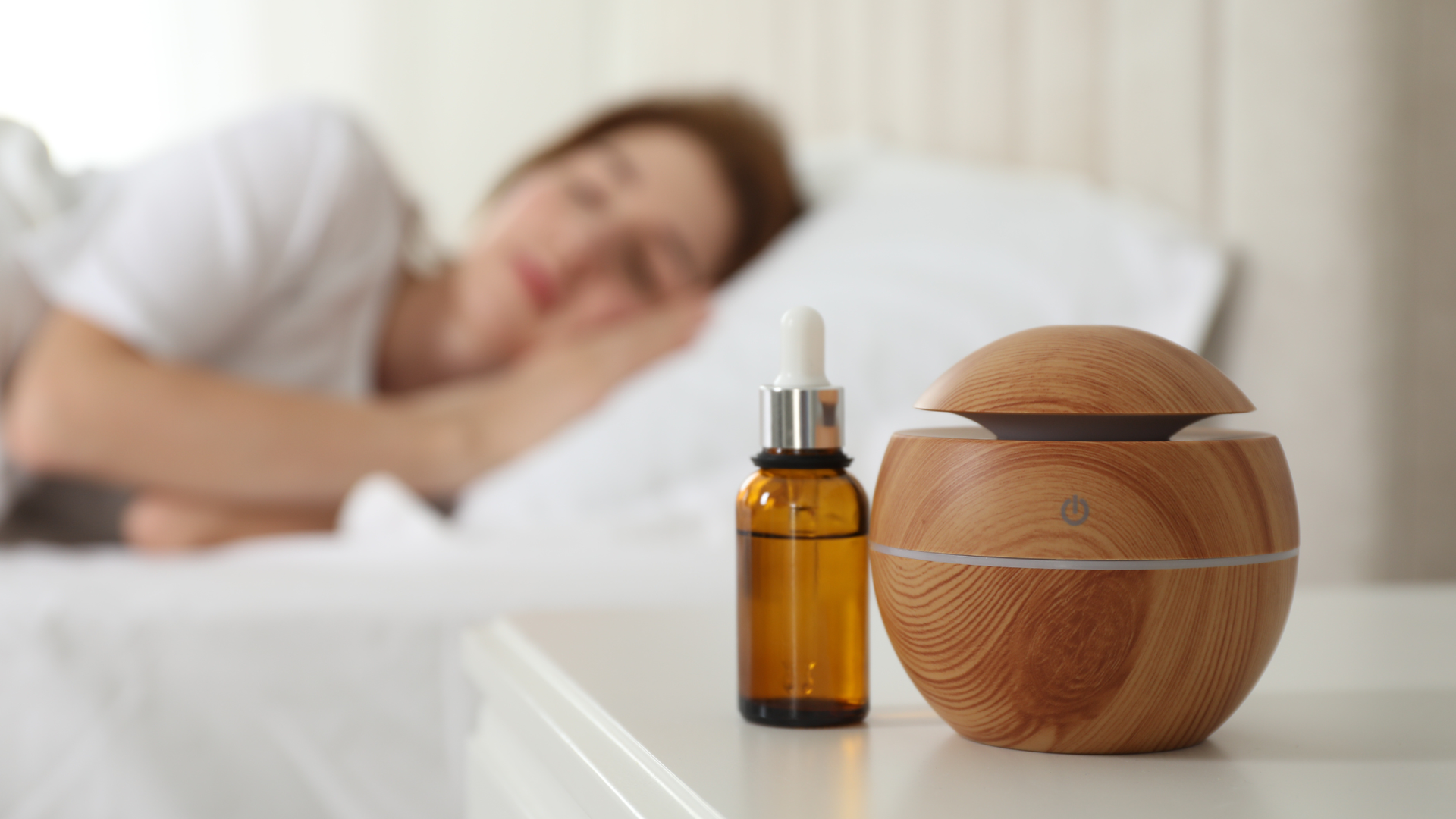
- Wind-down cue: switch to lavender in the evening for a consistent bedtime routine.
This routine is also a subtle way to reduce screen-studying “drift,” because the scent change becomes a cue that it’s time to refocus.
Safety first (especially with teens who want to DIY)
Teens often want to make their own roller bottles or “study perfumes.” That can be great—if you set clear rules.
- Diffuse smart: use ventilation, avoid overpowering scents, and take breaks if anyone gets a headache or nausea. ( essentialthree.com)
- Topical use needs dilution: follow age-appropriate dilution guidance and patch test first. ( tisserandinstitute.org)
- Watch citrus + sun: some expressed citrus oils are phototoxic in leave-on applications; avoid sun/UV exposure on the area for at least ~12 hours or keep concentrations within safe limits. ( tisserandinstitute.org)
- Keep bottles secured: oils are concentrated and should be stored like medicines—especially if there are younger siblings in the home. ( tisserandinstitute.org)
Optional comparison table: choosing the right “study oil” for the moment
| Goal | Best pick | How to use | Parent watch-outs |
|---|---|---|---|
| Deep focus | Rosemary | Diffuse 30–60 minutes during study blocks | Keep scent light; stop if headaches occur |
| Energy reset | Peppermint | Short diffusion between subjects (5–10 min) | Overuse can feel “too intense” for some |
| Pre-test calm | Lavender | Short breathing routine + diffusion | May feel sleepy for some teens |
| Better sleep routine | Lavender (or a calming blend) | Diffuse earlier in the evening; pair with screens-off plan | Avoid overnight high-intensity diffusion |
A United States “real life” angle: why routines matter during busy school seasons
Across the U.S., teen schedules can be packed with sports, activities, AP/IB workloads, and part-time jobs. The most effective learning support often looks surprisingly simple: consistent sleep, predictable homework blocks, hydration, protein-forward snacks, and a calmer evening routine.
Essential oils fit best when they’re used as habit anchors . When your teen smells the same “study scent” at the same desk, at the same time of day, it becomes easier to start—because the brain recognizes the ritual.
CTA: Build a simple, teen-approved “Focus + Calm” kit
Want help choosing a few oils and wellness staples that match your teen’s routine (study time, sleep, stress, and clean home habits)? Shop curated options through YL Family and keep it simple.
FAQ: Essential oils for teen focus and learning support
Glossary (quick definitions)