Essential Oils for Caregiver Burnout: Restore Calm and Resilience
A steady, supportive routine for the people who hold everything together
Caregiving is meaningful—and it can also be relentlessly demanding. When your nervous system is always “on,” sleep gets lighter, patience gets thinner, and even small decisions can feel heavy. The goal isn’t to power through. It’s to build micro-moments of relief throughout the day so your body can recover, your mood can stabilize, and you can show up with more emotional resilience.
What caregiver burnout can look like (and why it’s not a personal failure)
Burnout isn’t only “being tired.” For many caregivers, it shows up as a mix of emotional overload, decision fatigue, sleep disruption, and a body that won’t fully relax. You might notice:
Essential oils can’t replace rest, medical care, or support systems—but they can be a practical tool for calming cues: a scent-based “reset button” that helps you shift from bracing mode to regulation mode.
How essential oils support stress relief (in real life)
Scent is processed through pathways that connect closely with emotion and memory. That’s why a familiar aroma can feel grounding fast. Research on aromatherapy suggests certain essential oils may help reduce perceived stress and improve sleep quality—especially when used consistently as part of a bedtime or relaxation routine (for example, bergamot has been studied in randomized trials for stress and sleep-related outcomes). ( pubmed.ncbi.nlm.nih.gov)
Think of oils as “ritual anchors.” When you pair a calming scent with the same breathing pattern or wind-down steps, your brain learns the association: this is the part where we soften.
Targeted routines: caregiver burnout oils + stress relief blends you can actually stick with
1) The 60-second “shoulders down” reset (midday overwhelm)
When you can’t take a full break, take a nervous-system pause. Choose a calming oil you enjoy (many caregivers gravitate toward floral or citrus notes). Place 1 drop on a tissue or cotton round, hold it 6–10 inches from your nose, and take 4 slow breaths: inhale for 4, exhale for 6. Repeat twice.
2) Diffuser boundaries: a calm home without scent overload
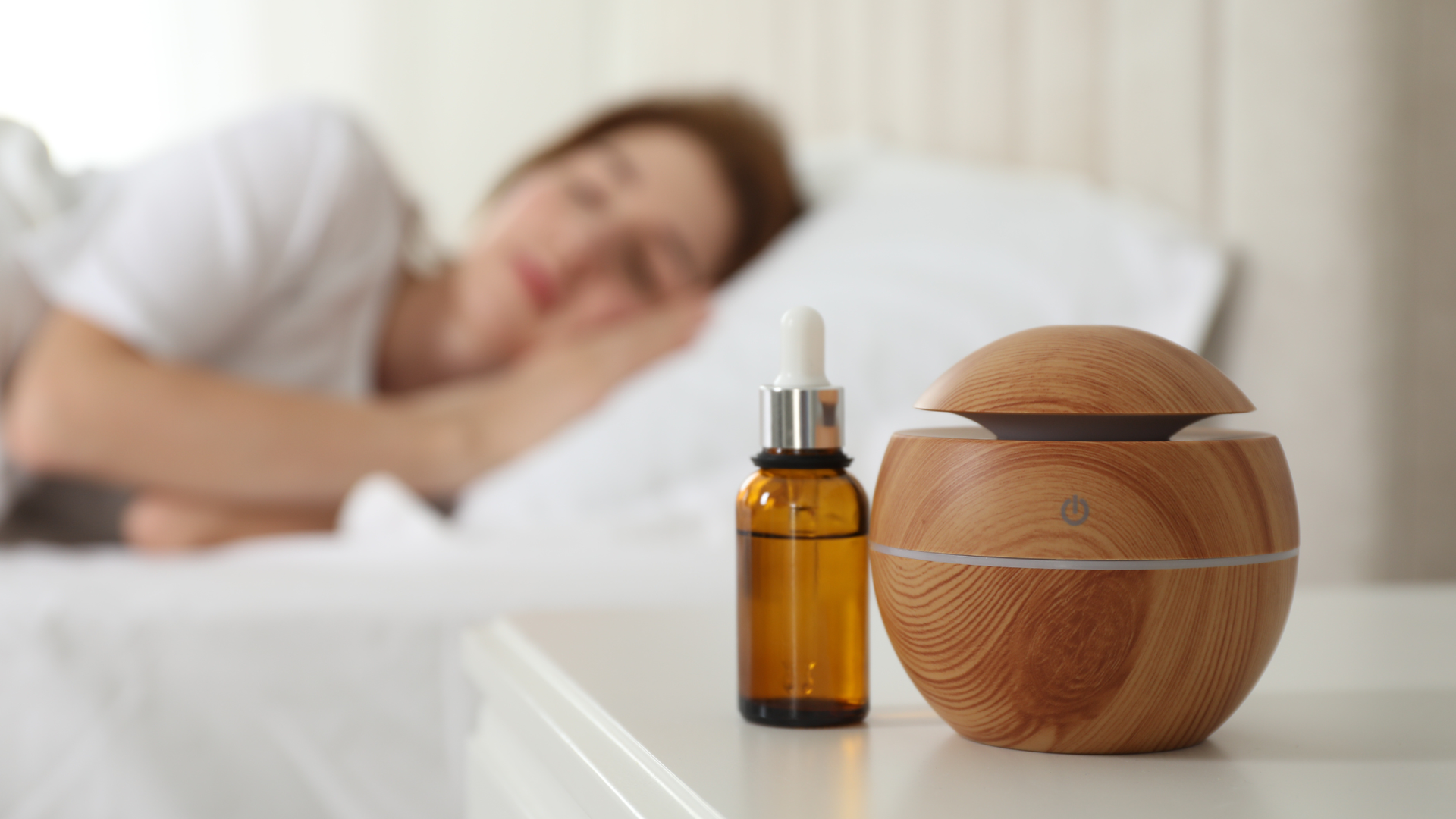
Diffusing is popular, but more isn’t better. For emotional resilience essential oils, start with a short “dose” and build from there: diffuse for 15–30 minutes, then take a break. Keep airflow moving and avoid diffusing in small enclosed rooms.
If anyone in the home is scent-sensitive, has asthma, or gets headaches, shift to a tissue inhalation method instead (it’s easier to control and less likely to linger).
3) Bedtime “off-ramp” routine (sleep support for caregivers)
Caregivers often fall into bed with their mind still on duty. Build a short sequence your body recognizes:
Lavender is one of the most commonly used oils for relaxation rituals, and it’s frequently researched in aromatherapy contexts for calming effects. ( aromaticstudies.com)
4) Tension support after lifting, transfers, or long days on your feet
If your caregiving includes physical work, pair a gentle topical routine with mobility: 2 minutes of slow neck rolls, calf stretching, and a chest-opening doorway stretch. Some people also use peppermint aroma for headache or tension discomfort; evidence is mixed, but it’s commonly used and discussed for these purposes. ( healthline.com)
Quick comparison table: choose the right format for the moment
| Method | Best for | Time needed | Caregiver-friendly tip |
| Tissue inhalation | Fast stress relief, grounding | 30–90 seconds | Keep a “reset kit” in car/purse |
| Short diffuser session | Home atmosphere, routines | 15–30 minutes | Use a timer; take “scent breaks” |
| Topical (diluted) | Muscle tension, bedtime ritual | 2–5 minutes | Patch test; avoid sensitive areas |
| Bath/foot soak | Full-body downshift | 10–20 minutes | Foot soak works even on busy nights |
Did you know? Small shifts that protect emotional resilience
A United States–friendly caregiver plan: keep it simple, repeatable, portable
In many U.S. households, caregiving happens alongside work schedules, school pickup, long commutes, and unpredictable medical appointments. A realistic plan prioritizes portability and low effort:
If you have pets—especially cats—be extra cautious. Veterinary sources warn that certain essential oils (including tea tree) can be harmful, and cats are particularly vulnerable. Avoid direct exposure, keep oils stored securely, and consult a veterinarian if you’re unsure. ( vetmeds.org)
Build your calm toolkit with YL Family
FAQ: Essential oils for caregiver burnout
Glossary