Comparing Roll-On and Diffuser Blends: Find Your Best Sleep Aid
A practical aromatherapy guide for nights when your brain won’t power down
If you’re comparing a sleep roll-on vs diffuser , you’re already doing something smart: you’re choosing a method that fits your real life, not just what “sounds relaxing.” Some people fall asleep fastest with a cozy, room-filling aroma; others need a targeted, low-effort ritual they can apply in seconds and then turn the lights off.
This guide breaks down how aromatherapy sleep aids work, what to expect from each method, and how to choose (or combine) them for a consistent bedtime routine—especially for busy households. YL Family’s approach is simple: start with safe basics, build a repeatable ritual, and keep it sustainable for the whole family.
Roll-on vs diffuser blends: what’s the real difference?
Both options use aromatic plant compounds to support relaxation, but they do it in different ways:
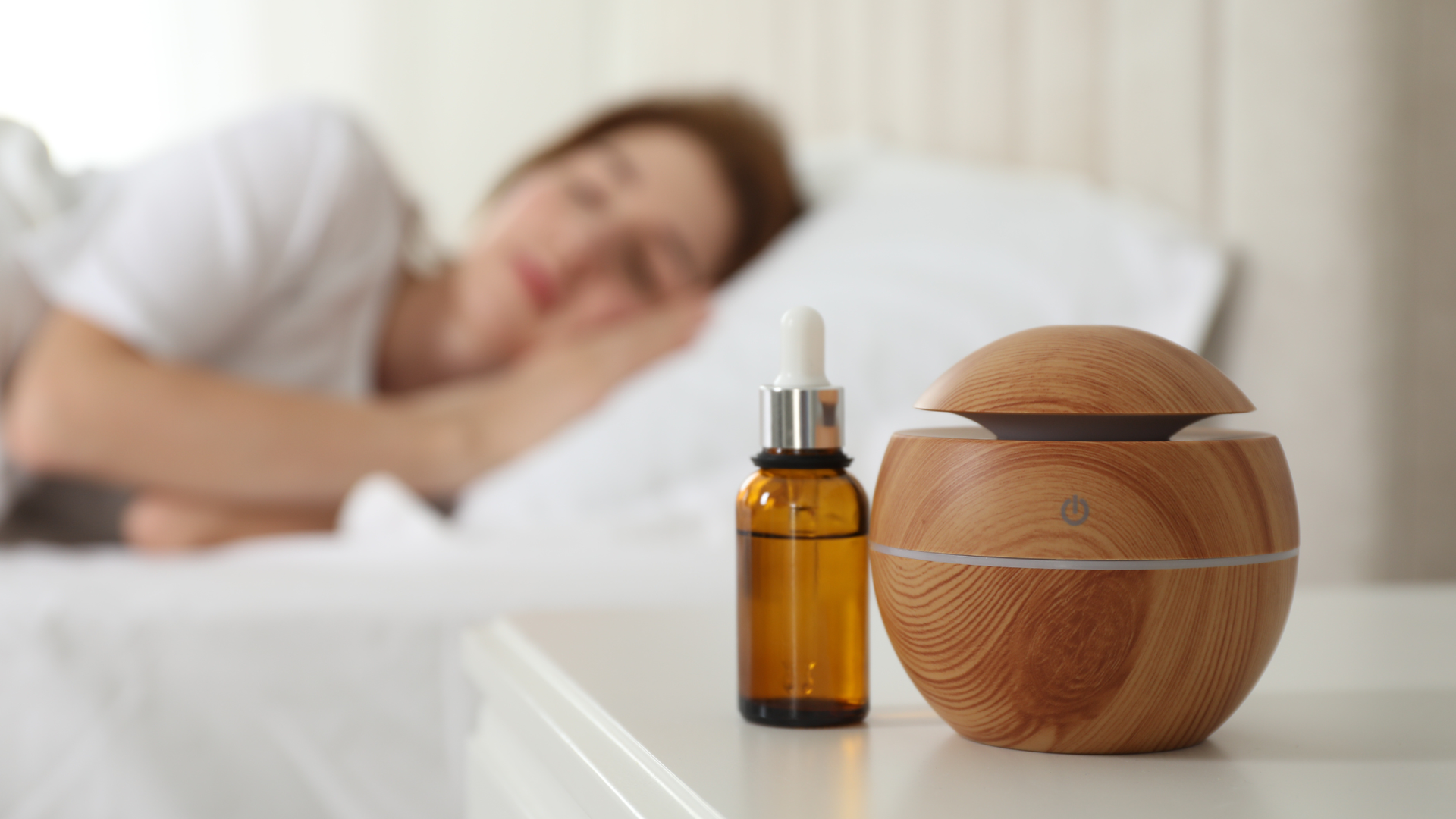
Dispersed into the air, diffuser blends create an environment—think “bedroom atmosphere.” This can be helpful if your mind is racing, you’re winding down as a couple, or you want the whole room to feel calmer. It also works well for pre-sleep routines like reading, stretching, or a warm shower.
Applied to skin (typically diluted), roll-ons are more personal and more controlled—think “my bedtime anchor.” They can be ideal when you don’t want scent throughout the room, when you share a space with someone scent-sensitive, or when you want a consistent cue your brain associates with sleep.
How aromatherapy supports sleep (and what it can’t do)
Many people use sleep essential oils as a way to signal “downshift” at the end of the day. Research on inhaled aromatherapy suggests certain essential oils may support relaxation and perceived sleep quality, often by reducing stress and anxious feelings—two common reasons people struggle to fall asleep or stay asleep.
For example, studies involving oils like bergamot (used via inhalation) have found benefits related to stress and mood, which can indirectly support better nights when stress is the primary disruptor.
A realistic expectation: essential oils can be a powerful part of a bedtime ritual, but they’re not a substitute for core sleep foundations like consistent timing, reduced evening caffeine/alcohol, dim light exposure, and a cool, quiet bedroom.
Quick comparison: sleep roll-on vs diffuser
| Feature | Roll-On | Diffuser Blend |
|---|---|---|
| Best for | Personal, consistent bedtime cue | Setting a calming room atmosphere |
| Control | High (apply only where you want) | Moderate (room exposure) |
| Time to set up | 10–20 seconds | 2–5 minutes (water + drops + cleaning) |
| Great for shared spaces? | Yes (minimal scent spread) | Depends (partner/kids/pets may be sensitive) |
| Travel-friendly | Excellent | Limited (device required) |
Step-by-step: build a bedtime ritual that actually sticks
1) Choose your “sleep cue” based on your biggest barrier
If your mind is busy:
diffusion can help shift the whole room into “quiet mode.”
If you forget your routine:
a roll-on is easier to keep consistent.
If you wake up a lot:
a roll-on at bedside can be a gentle cue without turning on bright lights.
2) Time it right (less is more)
For diffusion, many people do best with short, intentional sessions rather than running a diffuser all night. Try diffusing while you do your wind-down routine (journaling, stretching, light reading), then turn it off before sleep.
For roll-ons, apply as your “last step” after brushing teeth—this consistency matters more than the exact oil choice.
3) Place matters (for comfort and sensitivity)
Common roll-on application areas include the wrists , chest , and neck (avoid eyes and sensitive skin). If you have reactive skin, patch test and choose proper dilution.
For diffusers, place the unit across the room rather than right next to your pillow—especially if you’re scent-sensitive.
4) Pair aromatherapy with one “sleep anchor” habit
Choose one supportive habit you can repeat nightly: dim lights 60 minutes before bed, a 5-minute stretch, or a phone-free final 20 minutes. Essential oils work best as a cue inside a routine , not as the routine itself.
Which sleep essential oils are most popular—and why?
People tend to gravitate to these profiles for sleep because they’re associated with calm, comfort, and decompression:
Safety & household considerations (kids, pets, and sensitive sleepers)
If your home includes kids, pets, or anyone with asthma/allergies, the “best” option may be the one with the most control. Roll-ons typically keep aroma close to the user. Diffusion affects the whole space.
When in doubt: start with a lower amount , use shorter diffusion sessions , and prioritize fresh air and comfort. If anyone in the home has respiratory concerns, consult a qualified healthcare professional for personalized guidance.
A U.S. lifestyle angle: make your sleep ritual work across seasons and schedules
In many parts of the United States, sleep disruptions shift with the seasons—later sunsets in summer, dry indoor air in winter, and busy family schedules year-round. A flexible aromatherapy routine can help you stay consistent even when life isn’t.
If bedtime timing varies (kids’ activities, travel, shift work), roll-ons are a reliable “portable ritual.” If you’re home most nights and want a stronger environmental cue, diffusion can be a calming way to transition the entire household into quieter evenings.
If you’re building a family routine, keep it simple: one scent profile, one consistent time window, and one small habit (lights dimmed, screens down, or gentle stretching).
Shop your sleep routine with YL Family
FAQ: Roll-ons, diffusers, and aromatherapy sleep aids
Glossary