Summer Skin SOS: Essential Oils to Soothe Sunburns & Banish Summer Blemishes
A practical, skin-first plan for calm, clear summer days
Summer is a little tougher on skin than it looks: more UV exposure, more sweat, more friction, and often more “layering” (sunscreen + moisturizer + makeup). If you’re dealing with a tender sunburn one week and surprise blemishes the next, you’re not alone. This guide shares a safe, common-sense approach to after-sun comfort and summer blemish control—plus how to use essential oils thoughtfully as a supportive add-on (not a replacement for proven skin care and medical advice when needed).
First: what sunburn and “summer acne” actually are
Sunburn basics
Sunburn is UV damage to your skin. Even mild burns can cause heat, tightness, swelling, and peeling. First-aid priorities are to cool the skin, reduce inflammation and discomfort, support the skin barrier with gentle moisture, and prevent additional UV exposure while healing. Common medical guidance includes cool compresses, aloe-based moisturizers, and adequate hydration; oral anti-inflammatories can help with pain and inflammation for many adults (as appropriate for you).
Why blemishes flare in summer
Heat, sweat, oil production, friction (hats, chin straps, sports bras), and occlusive products can combine to clog pores and increase inflammation. Thick lotions can worsen “sweat pimples” for some people—especially when layered under sunscreen—so summer often calls for lighter textures and more consistent cleansing after heavy sweating.
Where essential oils fit (and where they don’t)
Essential oils can be a helpful part of a summer routine for skin soothing and blemish control when used correctly—primarily through aromatherapy (diffusion), or very conservative, well-diluted topical use on intact skin . They are not a substitute for sunscreen, professional medical care, or evidence-based acne treatment when breakouts are persistent, painful, or scarring.
Important safety note: phototoxic oils + sun
Some essential oils—especially cold-pressed citrus peel oils (like bergamot and some lime/lemon/grapefruit oils)—can increase the risk of a sun-sensitive skin reaction (phototoxicity). If you’re going outdoors, avoid applying potentially phototoxic oils to exposed skin, and use extra caution with any citrus oils in DIY summer blends. When in doubt, keep citrus oils for diffusion or nighttime use, and choose non-phototoxic options for daytime skin routines.
Step-by-step: sunburn relief that prioritizes your skin barrier
1) Cool the heat first (within the first few hours)
Use a cool, damp cloth for 10–15 minutes at a time, several times per day. Avoid ice directly on skin (too harsh). A cool shower can help, but keep water pressure gentle and keep showers short if your skin feels fragile.
2) Re-hydrate your body and your skin
Sun exposure can dehydrate you. Drink extra water for the next day and apply a gentle, fragrance-light moisturizer. Many dermatology and first-aid resources recommend aloe-based moisturizers for soothing comfort. Avoid products that sting (often those with alcohol, heavy fragrance, or strong actives).
3) Skip “active” skincare until tenderness calms down
If your skin is hot, tight, or peeling, pause exfoliants (scrubs, strong acids), retinoids, and acne spot treatments for a few days. Your priority is barrier repair, not speed.
4) If you use essential oils, keep it simple and conservative
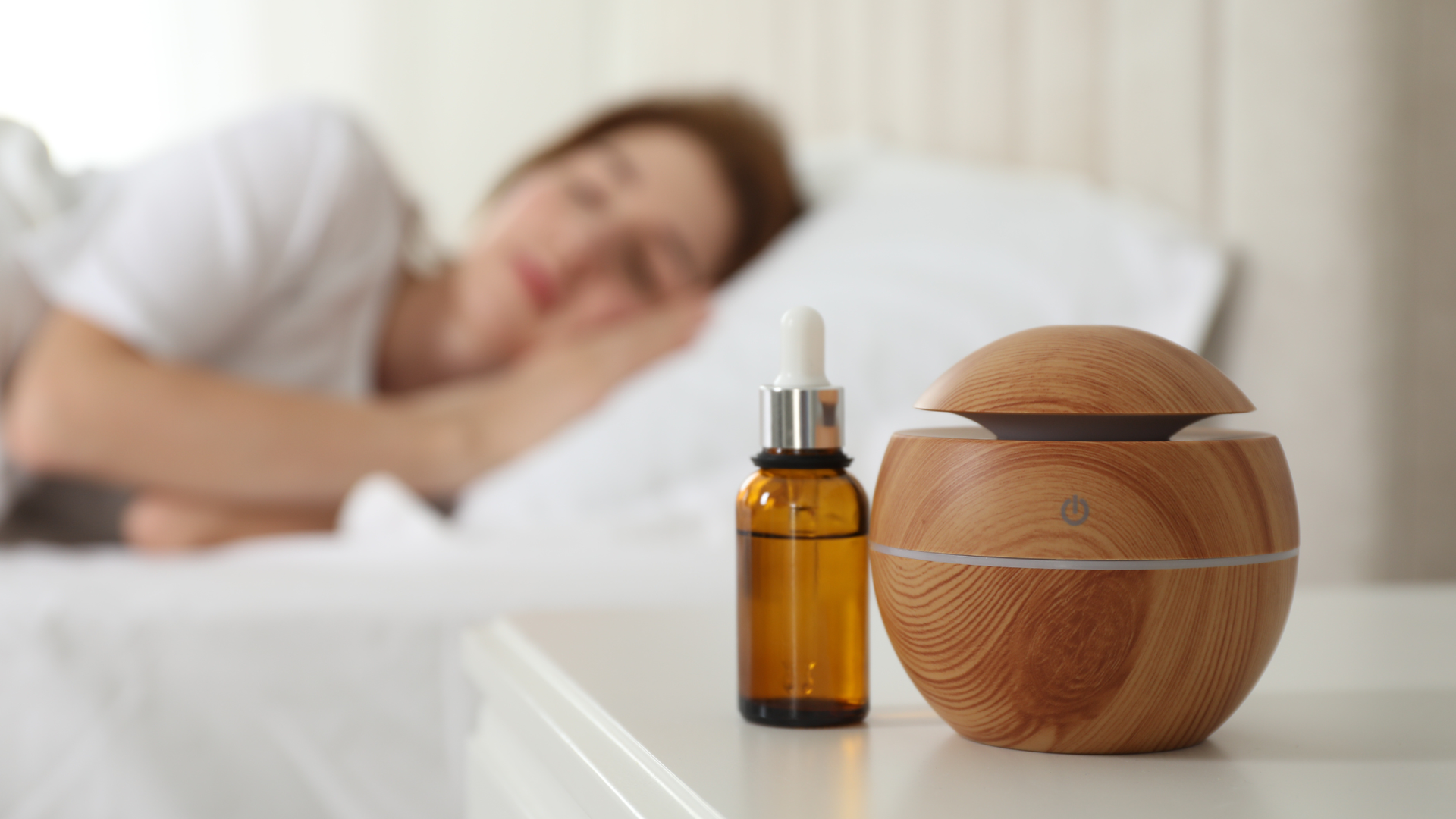
Avoid applying essential oils on broken, blistered, or actively peeling skin. For mild discomfort on intact skin, consider diffusion for a calming environment (especially at bedtime). If topical use is part of your routine, use a properly diluted blend and patch test first. When skin is sun-stressed, “less is more.”
When to get medical help: Seek prompt care if you have extensive blistering, fever/chills, confusion, severe pain, signs of dehydration (dizziness, dry mouth, very dark urine), or if a sunburn occurs in an infant.
Blemish control in summer: a realistic routine that still feels light
A simple “3-part” daily framework
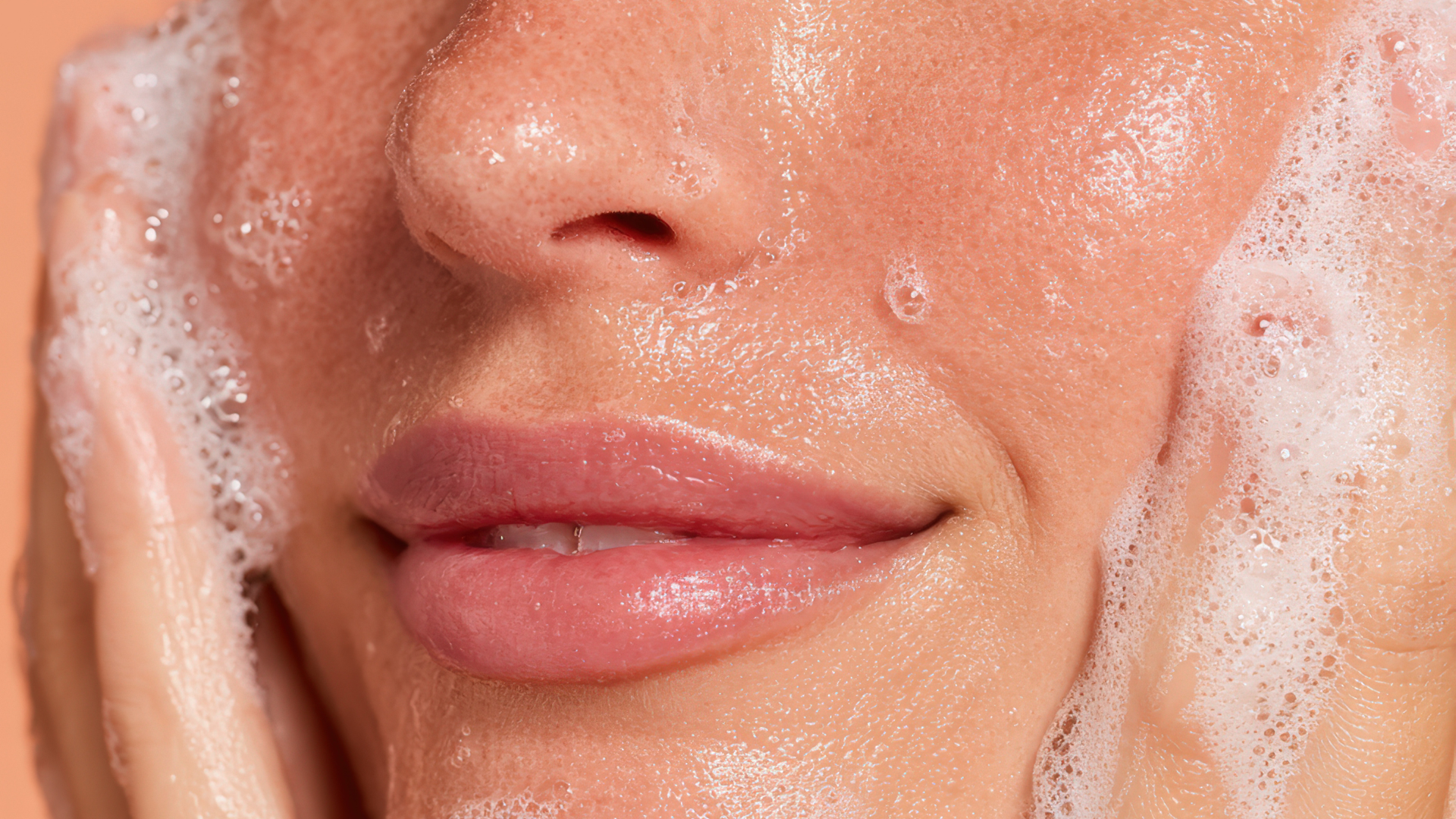
Cleanse: After sweating, cleanse sooner rather than later. Use gentle cleanser (not harsh, stripping foam) to remove sunscreen, oil, and sweat.
Moisturize lightly: Choose a breathable texture. Heavy, occlusive products can contribute to clogged pores for some people—especially in heat.
Protect (daily): A non-greasy, broad-spectrum sunscreen helps prevent post-blemish marks from darkening and supports long-term skin health.
How essential oils can support “skin soothing” without overdoing it
For occasional blemishes, the goal is to calm the look of redness and keep skin from feeling irritated. Many people prefer essential oils as a complement to consistent cleansing, clean pillowcases, and reducing friction (like changing out of sweaty clothes quickly). If you’re acne-prone, avoid DIY face oils that feel heavy or strongly scented—especially in humid weather.
Pro tip: If you’re using essential oils topically for blemish control, keep them away from the eye area, use conservative dilution, and don’t “stack” multiple strong products at once (essential oils + strong acids + retinoids).
Quick “Did you know?” summer skin facts
Did you know? Even deeper skin tones can burn—sunburn may just be harder to see until peeling or tenderness appears.
Did you know? Some cold-pressed citrus oils can cause a phototoxic reaction when skin is exposed to UV after application—one reason “summer DIY blends” need extra caution.
Did you know? Sweat plus friction (hats, chin straps, sports gear) can trap heat and oil against skin, making blemishes more likely during active months.
Optional comparison table: what to use when your skin is stressed
| Situation | Helpful basics | What to avoid (for now) |
|---|---|---|
| Fresh sunburn (hot/tender) | Cool compresses, gentle moisturizer (aloe/soy style), hydration, shade | Scrubs, strong acids/retinoids, fragranced products that sting, topical essential oils on damaged skin |
| Peeling phase | Barrier support, mild cleansing, gentle moisturizers | Picking/peeling, heavy exfoliation, “strong” spot treatments |
| Summer blemish flare | Cleanse after sweating, lighter moisturizer, non-greasy sunscreen, change sweaty clothes | Over-washing, harsh astringents, thick occlusive layering, risky citrus essential oils before sun |
| Daytime “glow” routine | Simple layers, sun protection, minimal fragrance | Phototoxic oils on exposed skin, unknown DIY dilutions |
A United States summer note: altitude, heat, and “surprise burns”
Across the United States, summer skin challenges can vary by region—high-altitude trips, long pool days, and outdoor sports seasons can all raise the risk of UV overexposure and dehydration. If your family travels between climates (dry mountain air, humid coastal heat, desert sun), keep a small “summer skin SOS” plan consistent: shade breaks, water, reapplication reminders, and a gentle after-sun routine. The fewer variables you introduce when skin is irritated, the faster it usually settles.
Shop support: build a clean-living routine with YL Family
YL Family helps families choose pure, potent essential oils and natural wellness products with the kind of guidance that makes clean living feel doable—especially when your routine needs to flex for summer travel, kids’ activities, and long days outdoors.
Helpful pages to explore
Ready for a calmer, clearer summer routine?
Browse YL Family’s shop for supportive wellness and personal care favorites, and keep your summer skin routine simple, consistent, and skin-barrier friendly.
Shop YL FamilyFAQ: Summer skin soothing, sunburn relief, and blemish control
Can I put essential oils directly on a sunburn?
It’s best not to apply essential oils to broken, blistered, peeling, or very tender skin. Focus first on cooling compresses, gentle moisturizing (aloe-style), hydration, and staying out of the sun. If you use essential oils, consider diffusion and wait until skin is intact and calm before any topical use.
Which essential oils should I avoid before going out in the sun?
Use caution with cold-pressed citrus oils (notably bergamot and some lime/lemon/grapefruit oils), which may be phototoxic. If you’ll be outdoors, avoid applying these to exposed skin and keep daytime routines simple and sun-safe.
Why do I break out more when I’m using sunscreen?
It can be the combination of sweat, oil, and heavier layers. Try a lighter moisturizer (or skip moisturizer if your sunscreen is moisturizing enough), cleanse gently after sweating, and choose a sunscreen texture your skin tolerates well. Consistency helps more than swapping products every few days.
What helps “sweat pimples” the fastest?
Shower or cleanse soon after heavy sweating, change out of tight/occlusive clothing promptly, and avoid piling on thick lotions. If breakouts are persistent, painful, or scarring, a dermatologist can help you pick the right plan for your skin type.
When is a sunburn serious enough to see a doctor?
Seek care for widespread blistering, fever/chills, confusion, severe pain, signs of dehydration, or if the sunburn is on a baby. When you’re unsure, it’s always reasonable to call your healthcare provider for next-step guidance.
Glossary (simple definitions)
Skin barrier: Your outermost layer that helps hold moisture in and keep irritants out. Sunburn temporarily weakens it.
Phototoxicity: A skin reaction that can happen when certain botanical compounds are on the skin and then exposed to UV light, causing redness, burning, or discoloration.
Cold-pressed citrus oil: Essential oil expressed from citrus peel (often more likely to contain phototoxic constituents than steam-distilled versions).
Occlusive product: A heavier product that forms a “seal” on skin. Helpful for very dry skin, but it can trap sweat/oil and worsen summer blemishes for some people.