
Sustainable Laundry with Essential Oils: A Fresh, Toxin-Free Routine for a Greener Home
March 15, 2026
Cleaner clothes, lower waste, and a calmer home environment—without the “chemical cloud”
Sustainable laundry doesn’t have to mean crunchy DIY experiments or clothes that never feel quite clean. With a few smart swaps—cold-water washing, right-sizing detergent, skipping heavy fragrance additives, and using essential oils intentionally—you can build a routine that’s gentler on skin, easier on indoor air, and kinder to waterways.
At YL Family , we help individuals and families create practical, toxin-conscious habits that hold up in real life: kid messes, sports uniforms, sensitive skin, and busy schedules included.
At YL Family , we help individuals and families create practical, toxin-conscious habits that hold up in real life: kid messes, sports uniforms, sensitive skin, and busy schedules included.
What “sustainable laundry” actually means (and what it doesn’t)
Sustainable laundry is the overlap of three goals:
What it doesn’t mean: you have to eliminate all convenience or accept “sort of clean.” Sustainable laundry is about consistent, repeatable choices that add up over time.
1) Lower energy and water use
Washing in cooler water and running full (not overstuffed) loads reduces energy demand and overall resource use. The U.S. Department of Energy recommends cool/cold settings for most loads, unless you’re dealing with oily stains. ( energy.gov)
Washing in cooler water and running full (not overstuffed) loads reduces energy demand and overall resource use. The U.S. Department of Energy recommends cool/cold settings for most loads, unless you’re dealing with oily stains. ( energy.gov)
2) Safer ingredients & fewer “mystery” additives
Many people notice that laundry fragrance and residue can irritate skin or trigger headaches. Choosing products with clearer ingredient standards and going lighter on fragrance can make a big difference.
Many people notice that laundry fragrance and residue can irritate skin or trigger headaches. Choosing products with clearer ingredient standards and going lighter on fragrance can make a big difference.
3) Less waste
Concentrates, refills, and durable tools (wool dryer balls, washable stain cloths) cut down on single-use packaging and disposable “extras.”
Concentrates, refills, and durable tools (wool dryer balls, washable stain cloths) cut down on single-use packaging and disposable “extras.”
What it doesn’t mean: you have to eliminate all convenience or accept “sort of clean.” Sustainable laundry is about consistent, repeatable choices that add up over time.
Where essential oils fit in (and where they don’t)
Essential oils can be a beautiful addition to laundry—but they work best as a small, intentional “finishing touch”
, not as a substitute for detergent.
Skin-sensitive note: “Natural” can still be irritating for some people. If your household deals with eczema or reactive skin, fragrance-free is often the safest baseline—especially for items worn close to the body. The American Academy of Dermatology recommends choosing fragrance-free rather than “unscented,” which may still contain masking fragrance. ( aad.org)
Use essential oils for:
• Light, natural scent (especially on linens and towels)
• A more pleasant laundry experience without heavy perfume
• Supporting a “green home” mindset when paired with low-tox basics
Don’t rely on essential oils for:
• Removing heavy soil, grease, or set-in stains (that’s detergent + technique)
• Disinfecting laundry (this requires specific products/processes)
• “Masking” odors without addressing mildew or washer buildup
Skin-sensitive note: “Natural” can still be irritating for some people. If your household deals with eczema or reactive skin, fragrance-free is often the safest baseline—especially for items worn close to the body. The American Academy of Dermatology recommends choosing fragrance-free rather than “unscented,” which may still contain masking fragrance. ( aad.org)
A simple 6-step sustainable laundry routine (that still gets clothes truly clean)
Step 1: Default to cold water (most loads)
Cold-water washing is one of the biggest “effort-to-impact” wins. The U.S. Department of Energy recommends cooler settings for most laundry loads. ( energy.gov)
Cold-water washing is one of the biggest “effort-to-impact” wins. The U.S. Department of Energy recommends cooler settings for most laundry loads. ( energy.gov)
Step 2: Use less detergent than you think (and measure it)
Too much detergent can leave residue that holds onto odor and irritates skin. Start with the lower end of the label directions and adjust only if needed (hard water, heavy soil, or large loads may require more).
Too much detergent can leave residue that holds onto odor and irritates skin. Start with the lower end of the label directions and adjust only if needed (hard water, heavy soil, or large loads may require more).
Step 3: Pre-treat stains instead of “turning up the chemical volume”
A quick pre-treat on collars, cuffs, grass, and food spots reduces re-washing (saving water + energy).
A quick pre-treat on collars, cuffs, grass, and food spots reduces re-washing (saving water + energy).
Step 4: Skip heavy fragrance boosters (especially with kids)
If your goal is toxin-free living, fragrance boosters can be the opposite direction. Consider fragrance-free detergent as your baseline, then add a tiny, controlled amount of essential oil scent only when it makes sense.
If your goal is toxin-free living, fragrance boosters can be the opposite direction. Consider fragrance-free detergent as your baseline, then add a tiny, controlled amount of essential oil scent only when it makes sense.
Step 5: Add essential oils safely (best method: dryer balls)
Add 2–4 drops total of essential oil to wool dryer balls, then let it absorb for 10–15 minutes before tossing them in the dryer. This helps distribute scent more evenly and avoids direct oil spots on fabric. If anyone in your home is fragrance-sensitive, keep oils out of underwear, baby clothes, and sheets used by reactive sleepers.
Add 2–4 drops total of essential oil to wool dryer balls, then let it absorb for 10–15 minutes before tossing them in the dryer. This helps distribute scent more evenly and avoids direct oil spots on fabric. If anyone in your home is fragrance-sensitive, keep oils out of underwear, baby clothes, and sheets used by reactive sleepers.
Step 6: Dry smarter
Don’t over-dry. Using a moisture sensor (if your dryer has one) and cleaning the lint screen each load improves airflow and efficiency. ( energy.gov)
Don’t over-dry. Using a moisture sensor (if your dryer has one) and cleaning the lint screen each load improves airflow and efficiency. ( energy.gov)
Pro tip:
If you’ve ever noticed “musty clean laundry,” it’s often washer buildup. A monthly washer-cleaning cycle and leaving the door ajar between loads helps prevent trapped moisture.
Did you know? Quick facts that make sustainable laundry easier
Cold water is a major energy saver.
Most of a washer’s energy use is tied to heating water, so cold-water habits can have an outsized impact. ( cleaninginstitute.org)
“Fragrance-free” and “unscented” are not the same.
Unscented products may use fragrance ingredients to mask odor, while fragrance-free means no fragrance is used. ( aad.org)
Laundry packets can be a poisoning hazard if children access them.
Consider traditional detergent if young kids are in the home, and store any detergent securely. ( cpsc.gov)
Quick comparison table: common laundry choices (eco + skin + practicality)
| Choice | Sustainability | Skin-friendliness | Best for |
| Cold-water wash | High impact (energy savings) | Often gentler on fabrics | Most everyday loads |
| Fragrance-free detergent | Depends on formula; look for trusted standards | Often best for eczema/sensitive households | Baby clothes, underwear, sheets |
| EPA Safer Choice-labeled options | Ingredient-focused + environmental criteria | Often a safer-ingredient pick (still patch-test if sensitive) | Families wanting a vetted “green” shortcut |
| Essential oils on dryer balls | Low waste (reusable) when used sparingly | Varies by person; avoid for highly sensitive skin | Light natural scent without synthetic boosters |
Note: The EPA Safer Choice program evaluates products and ingredients against health and environmental criteria, and requires ingredient disclosure for labeled products. ( epa.gov)
A U.S.-wide “local” angle: climate, water, and seasonal laundry challenges
Even when your location is simply “United States,” laundry needs vary a lot by region—and adjusting your routine is part of sustainability.
If you’d like, YL Family can help you dial in a routine based on your family’s top laundry pain points: odor, stains, sensitive skin, or simply cutting clutter and waste.
Hard water areas:
You may need a bit more detergent or a water-softening strategy, but still measure carefully to avoid buildup.
Humid regions:
Prioritize fast drying, don’t leave wet clothes sitting in the washer, and keep an eye on towel freshness to prevent mildew.
Dry/snowy regions:
Static can spike in winter—dryer balls can reduce static without disposable sheets, and lighter fragrance can help keep indoor air feeling cleaner.
If you’d like, YL Family can help you dial in a routine based on your family’s top laundry pain points: odor, stains, sensitive skin, or simply cutting clutter and waste.
Shop sustainable home essentials with YL Family
If you’re building a greener home routine, start with the basics you’ll use every week—then add essential oils thoughtfully for that fresh, clean finish.
FAQ: Sustainable laundry with essential oils
Glossary
Fragrance-free:
No fragrance ingredients are added. Often a better choice for eczema-prone or sensitive skin. ( aad.org)
Unscented:
May still contain fragrance ingredients used to mask smell, even if you can’t detect a scent. ( aad.org)
VOCs (Volatile Organic Compounds):
Chemicals that can evaporate into the air; some cleaning/laundry products restrict VOC levels as part of indoor air quality considerations. ( epa.gov)
EPA Safer Choice:
A U.S. EPA program that helps identify products made with safer chemical ingredients and includes product/ingredient review and transparency requirements for labeled products. ( epa.gov)
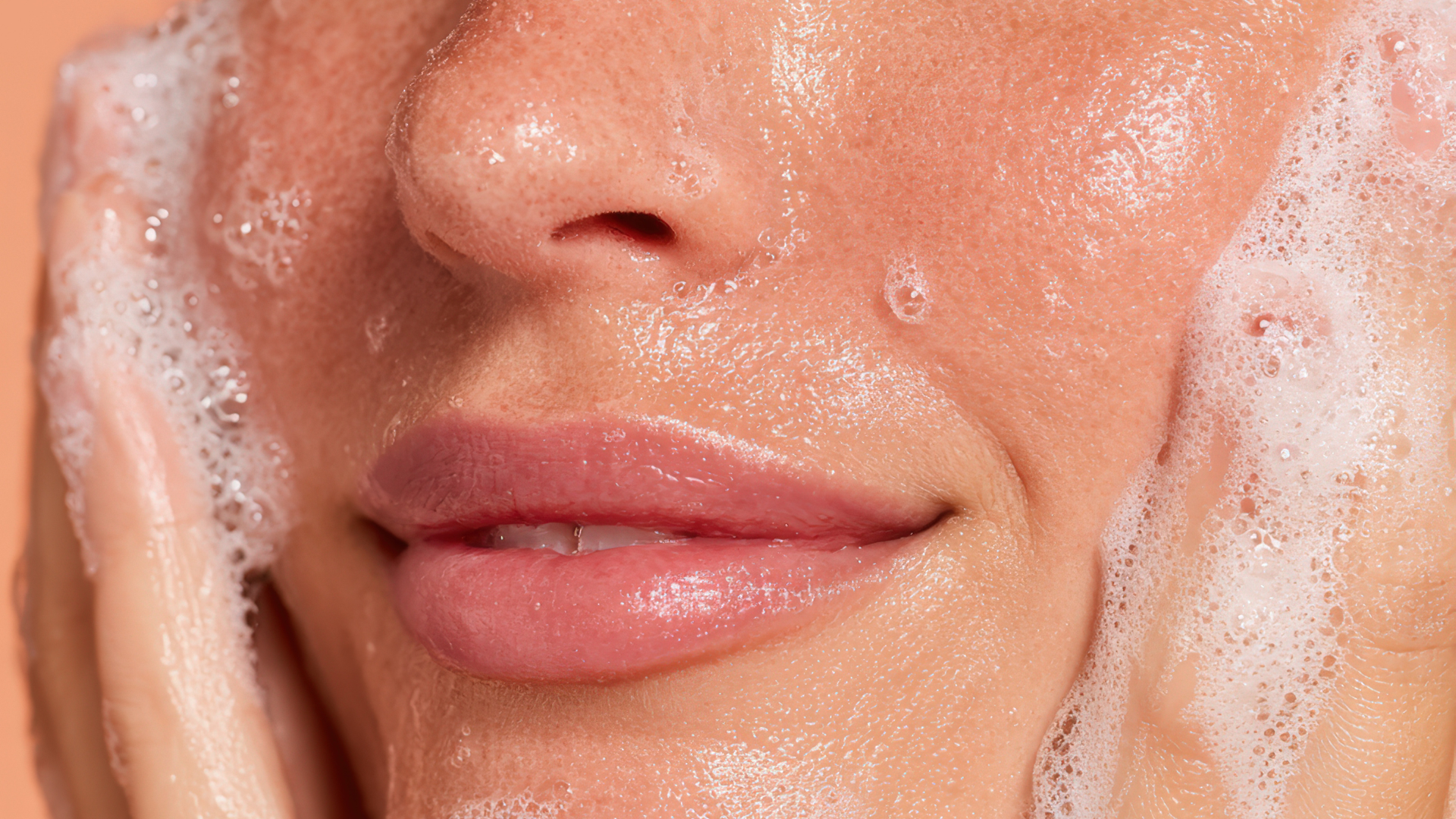
Build a gentle, toxin-free facial care routine with essential oils. Discover safe dilution, patch testing, AM/PM steps and tips for cleaner, healthier skin.

Discover 3 simple essential oil routines to ease work-life stress. Get safety tips and quick scent cues for calm focus and evening wind-downs.
Explore gentle, kid-safe essential oil blends to support your family's cold and flu wellness routines with safe dilution, diffusion tips, and home habits.

Discover a practical monthly menstrual self-care ritual using essential oils, heat, movement, and grounding habits. Safe, realistic tips for comfort and calm.

Kickstart your day with a 10-minute morning ritual using essential oils to support immunity, hydration, hygiene, and stress relief. Simple family tips.
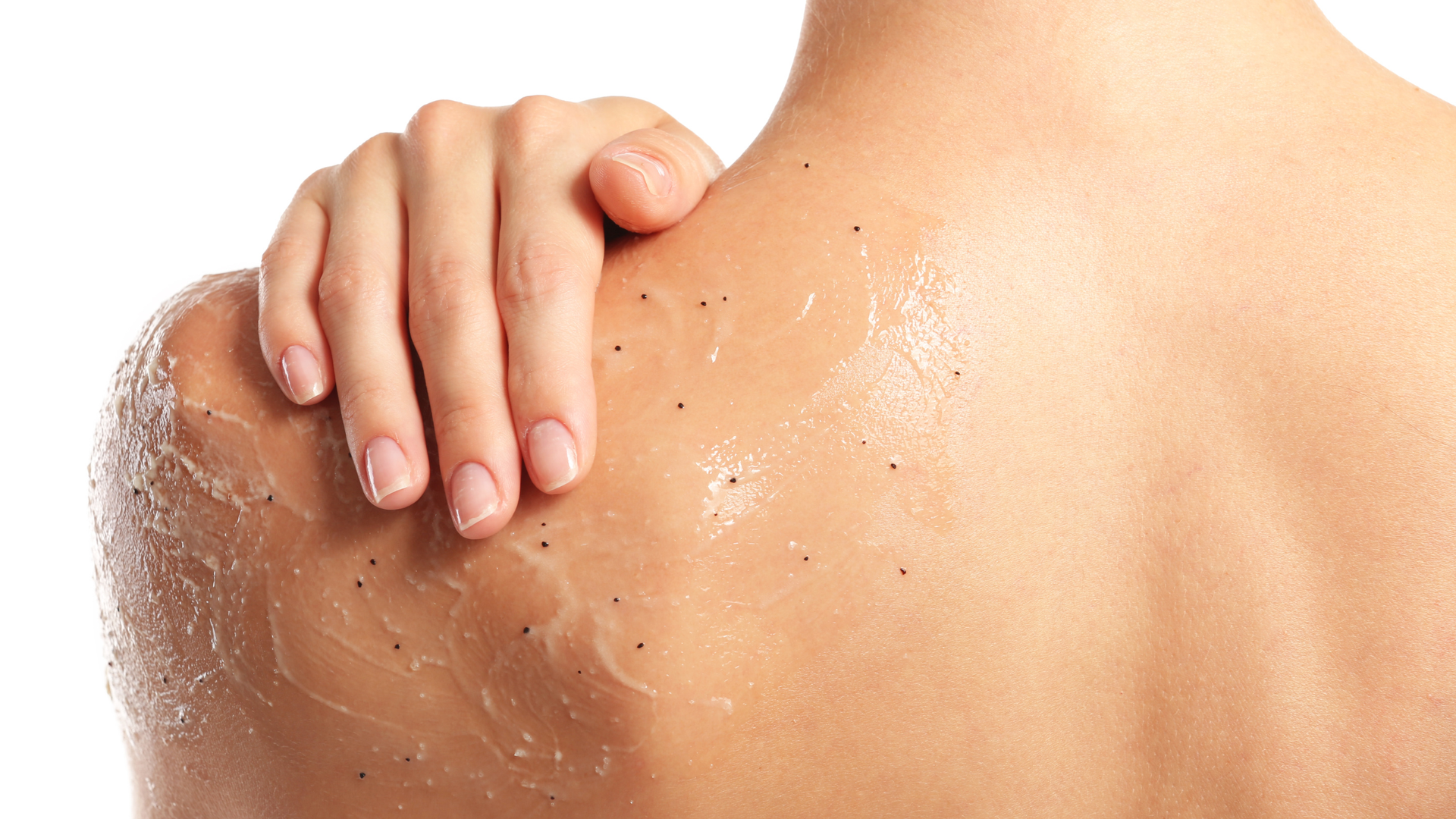
Learn how to create DIY essential oil body scrubs for gentle exfoliation and radiant skin. Discover recipes, safety tips, and ingredient guides for smoother skin.

Discover how pairing journaling with essential oils creates a simple daily ritual to support calm, clarity, and emotional balance. Step-by-step guide included.

Discover how essential oil-infused gummies can support your family's immune wellness. Easy to take, kid-friendly, and perfect for habit stacking with sleep.
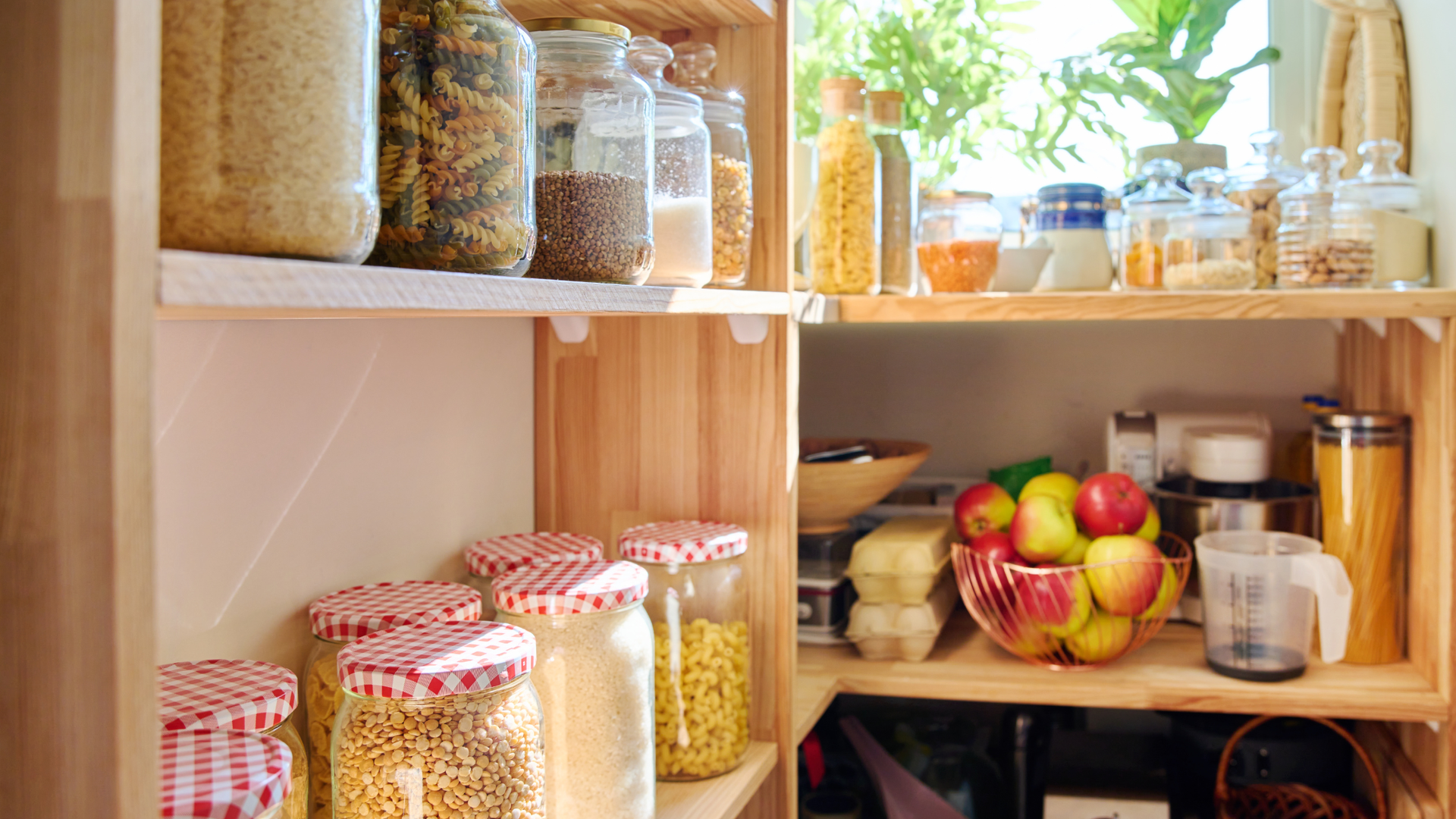
Keep your fridge and pantry odor-free with non-toxic, family-friendly DIY deodorizing solutions using baking soda, activated charcoal, and essential oils.
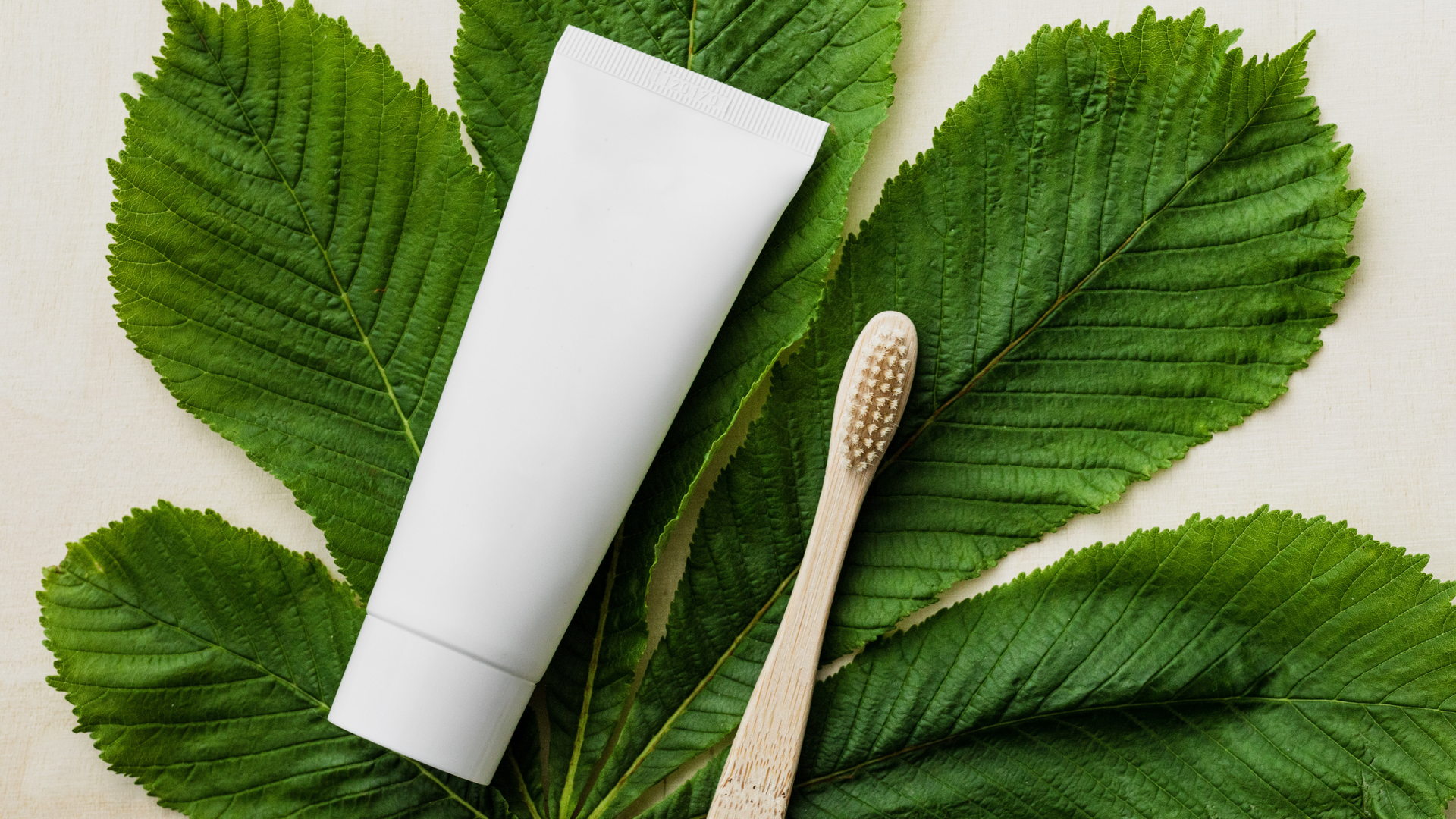
Learn how to make your own essential oil toothpaste with simple ingredients. Follow our step-by-step guide, safety tips, and customization options for a fresh, natural oral care routine.