
Journaling & Aromatherapy: Combining Essential Oils with Reflection for Emotional Wellbeing
August 28, 2026
A simple ritual that supports calm, clarity, and emotional steadiness
Pairing journaling with aromatherapy is a gentle way to slow down and reconnect—especially when your nervous system is running “on” all day. The goal isn’t perfect positivity or forcing a mood shift. It’s creating a repeatable routine that helps you name what you feel, process what you need to process, and practice a calmer response over time.
At YL Family
, we love practical wellness habits that fit real family life. When you combine a few minutes of mindful reflection with a consistent essential-oil cue (diffuser, aroma on a tissue, or a properly diluted topical ritual), you build a “bridge” from your day into a more regulated, grounded state—one page at a time.
Why journaling + scent works so well together
Journaling (especially expressive or reflective writing) can support emotional wellbeing by helping people organize thoughts, label emotions, and create meaning from stressful experiences. Research on expressive writing shows mixed-but-real benefits depending on the person, the writing prompt, and the context—some meta-analyses show small-to-moderate improvements, while others find more modest effects overall. ( bpspsychub.onlinelibrary.wiley.com)
Aromatherapy can act as a sensory anchor. Inhaled essential oils (like lavender) have been studied for anxiety and sleep support, with systematic reviews suggesting potential benefits—while still noting that outcomes vary by population and study design. ( pubmed.ncbi.nlm.nih.gov)
Put together, you get two complementary tools:
Reflection
(journaling) to process what’s happening internally.
Regulation
(aroma) to help your body shift into a calmer gear while you reflect.
Set your intention: emotional wellbeing, not “fixing” yourself
A journaling-and-aromatherapy routine is most helpful when it’s grounded in support, not self-criticism. Think of it as emotional hygiene—like brushing your teeth for your mind. Some days you’ll feel a noticeable shift. Other days it simply creates space to be honest and steady.
Gentle note:
Aromatherapy and journaling can be supportive habits, but they aren’t a substitute for professional care. If you’re experiencing persistent anxiety, depression, panic, trauma symptoms, or sleep disruption, consider partnering with a qualified healthcare professional.
A step-by-step ritual you can repeat (10–15 minutes)
Step 1: Choose one “anchor” aroma for this season of life
Consistency matters. Pick one scent profile you enjoy and associate it with journaling time. Lavender is commonly used for relaxation and sleep support, and has been studied in multiple reviews for anxiety/sleep outcomes. ( pubmed.ncbi.nlm.nih.gov)
How to use it:
diffuse in a well-ventilated space, or use a low-exposure method like placing 1 drop on a tissue and keeping it nearby (not touching skin).
Step 2: Do a 30-second “body check-in” before you write
Put one hand on your chest or belly and notice: tight, buzzing, heavy, flat, calm, overwhelmed?
Labeling sensations helps you track patterns and reduces emotional “fog.”
Step 3: Write for 6 minutes using one prompt (keep it simple)
Pick one prompt and don’t edit yourself. Expressive writing research suggests outcomes can depend on how and for whom the writing is done—so experiment and keep what feels supportive. ( bpspsychub.onlinelibrary.wiley.com)
Stress release:
“What’s taking up the most space in my mind right now?”
Emotional clarity:
“If this feeling could speak, what would it ask for?”
Mindful reflection:
“What is one thing I can control today, and one thing I can soften around?”
Gratitude (non-cheesy):
“What didn’t go wrong today?”
Step 4: Close the loop (2 minutes)
End with a grounding sentence:
“Right now, I feel ___ and I’m safe enough to take the next step.”
“My next kind action is ___.”
“Tonight I will support my body by ___.”
Step 5: Keep it safe (especially with kids, pets, and sensitivities)
Essential oils are potent. Safety guidance commonly emphasizes extra caution with children, dilution for topical use, and awareness that oils aren’t FDA-regulated like medications. ( hopkinsmedicine.org)
If someone in your home has asthma or airway sensitivities, be careful with diffusers—there’s limited research on diffuser effects in asthma specifically, so it’s wise to start low and observe symptoms. ( aaaai.org)
For pets (especially cats), diffusion and spills can pose risks; keep oils secured, avoid direct exposure, and never give oils internally to animals. ( petpoisonhelpline.com)
Did you know? Quick facts that make this easier
Small is powerful:
Even brief writing practices can be studied in research settings; benefits may be modest, but consistency often matters more than intensity. ( bpspsychub.onlinelibrary.wiley.com)
Lavender is one of the most researched oils:
Systematic reviews have evaluated lavender inhalation and its relationship to anxiety outcomes (results vary, but it’s a common starting point). ( pubmed.ncbi.nlm.nih.gov)
Diffusers aren’t always “neutral”:
If someone has respiratory sensitivity, start with short sessions and good ventilation; stop if symptoms appear. ( aaaai.org)
Choose your journaling style (a quick comparison)
| Style | Best for | Try this oil ritual | Starter prompt |
|---|---|---|---|
| Expressive writing | Processing a hard day, emotional release | Low-and-slow diffusion with ventilation | “What am I holding that I can set down?” |
| Gratitude / “three good things” | Mood support, perspective, resilience | Aroma on tissue nearby (simple + controlled) | “What helped me today—even a little?” |
| Future-self / values journaling | Decision fatigue, goal clarity | Diffuser during planning, then off | “What matters most this week, and why?” |
Note: Research on writing interventions suggests effects can differ by individual factors and how the practice is structured. ( sciencedirect.com)
A supportive rhythm for busy families (United States)
In many U.S. households, emotional stress looks less like “one big crisis” and more like constant pressure: work notifications, kids’ activities, caregiving, and a never-ending to-do list. A nightly 10-minute ritual can become a steadying cue that your day is complete and your body can downshift.
If you’re a parent or caregiver, consider a two-tier routine
:
Tier 1 (2 minutes):
scent + one sentence (“Right now I feel…”)—even on chaotic nights.
Tier 2 (10 minutes):
full journaling prompt + close-the-loop statement when time allows.
Ready to build your journaling + aromatherapy routine?
Start with one oil, one notebook, and one prompt you can repeat for a week. If you’d like help choosing options that fit your goals (sleep, stress support, mood, or a cleaner home routine), explore YL Family’s shop and curated wellness solutions.
Shop Wellness Support
FAQ: Journaling, essential oils, and emotional wellbeing
How long should I journal for it to help?
Many people do well with 5–15 minutes. Research suggests benefits can be modest and vary by person; consistency and choosing prompts that feel supportive matter. ( bpspsychub.onlinelibrary.wiley.com)
What’s the best essential oil for journaling?
Choose what feels calming and pleasant to you. Lavender is a popular starting point and has been evaluated in systematic reviews for anxiety and sleep-related outcomes, though results can vary. ( pubmed.ncbi.nlm.nih.gov)
Is it safe to diffuse essential oils around kids?
Use extra caution. Guidance from pediatric-focused sources emphasizes that essential oils are potent, safety studies are limited, and some oils aren’t appropriate for young children. If you diffuse, use short sessions in a ventilated space and stop if any irritation occurs. ( hopkinsmedicine.org)
Can I do this routine if I have asthma or sensitivities?
Possibly, but start very conservatively (or skip diffusion). There’s limited direct research on diffused essential oils in asthma specifically; monitor symptoms closely and consult your clinician if you’re unsure. ( aaaai.org)
What if journaling makes me feel worse?
That can happen, especially if you’re processing trauma or intense stress. Scale back (shorter sessions, gentler prompts like gratitude or “what helped me today”), and consider support from a mental health professional if difficult feelings persist. Research shows outcomes vary, and not every approach fits every person. ( pmc.ncbi.nlm.nih.gov)
Glossary
Aromatherapy
Using aromatic plant compounds (often essential oils) to support wellbeing through scent-based routines.
Expressive writing
A journaling style where you write honestly about thoughts and emotions, often related to stressful experiences. ( cambridge.org)
Diffusion
A method of dispersing essential oils into the air (often with a diffuser). Use ventilation and caution with sensitivities, kids, and pets. ( nationwidechildrens.org)
Nervous system regulation (everyday use)
A practical way to describe helping your body shift from “stressed/activated” toward “calm/settled” using routines like breathing, journaling, and soothing sensory cues.

Discover teen-friendly bedtime routines with gentle essential oils for 8–10 hours of sleep. Try simple wind-down steps for calmer nights and rested mornings.
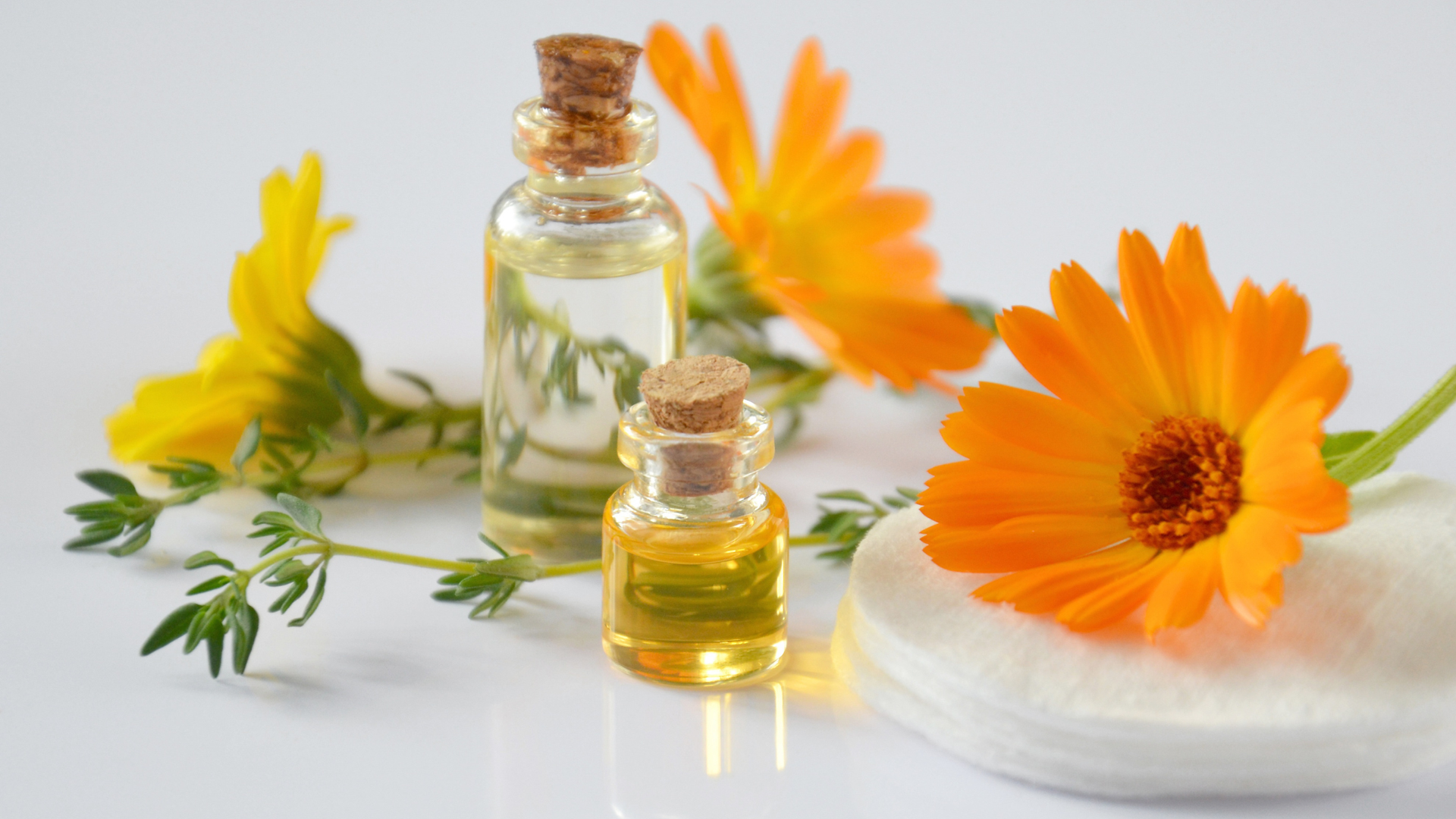
Learn essential oil safety & dilution basics with practical tips. Discover phototoxicity warnings, dilution ratios, and beginner routines for confident, safe use.
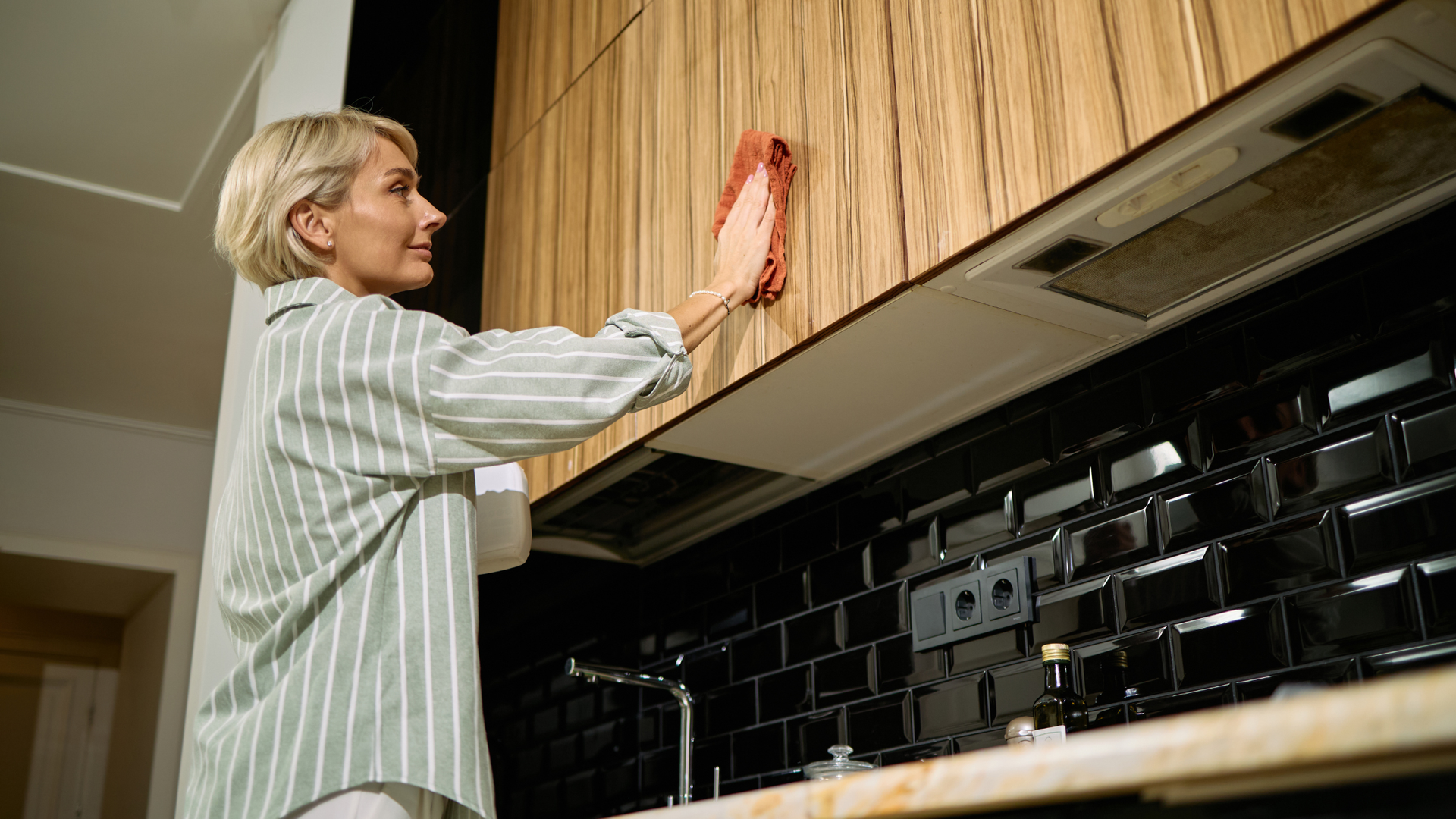
Learn to make eco-friendly DIY cleaning tablets with baking soda, citric acid & essential oils for effective, low-toxin home cleaning and reduced plastic waste.
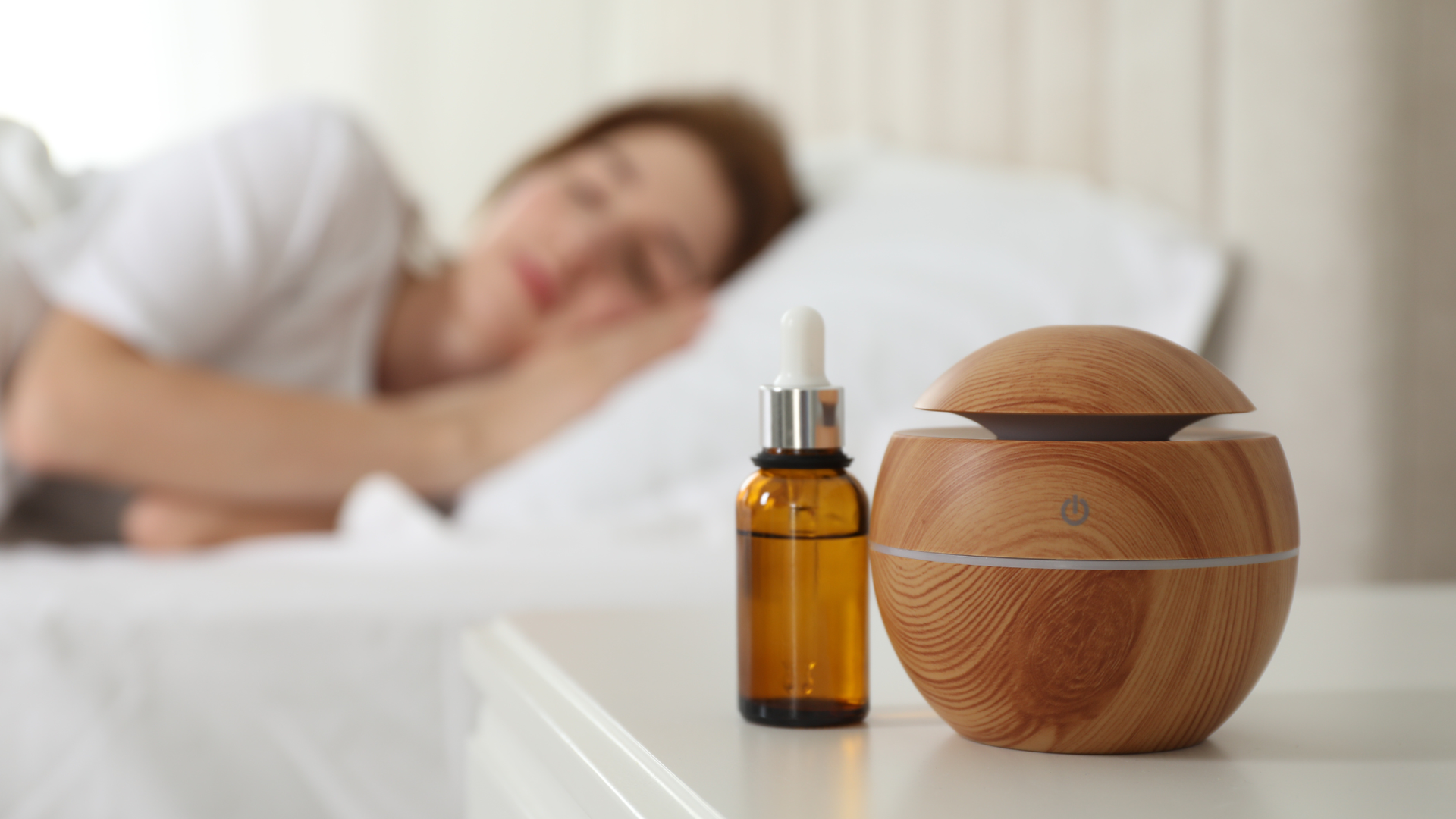
Learn to use essential sleep oils topically or aromatically for a calming bedtime routine. Get practical tips on diffusing, dilution, habit-building.
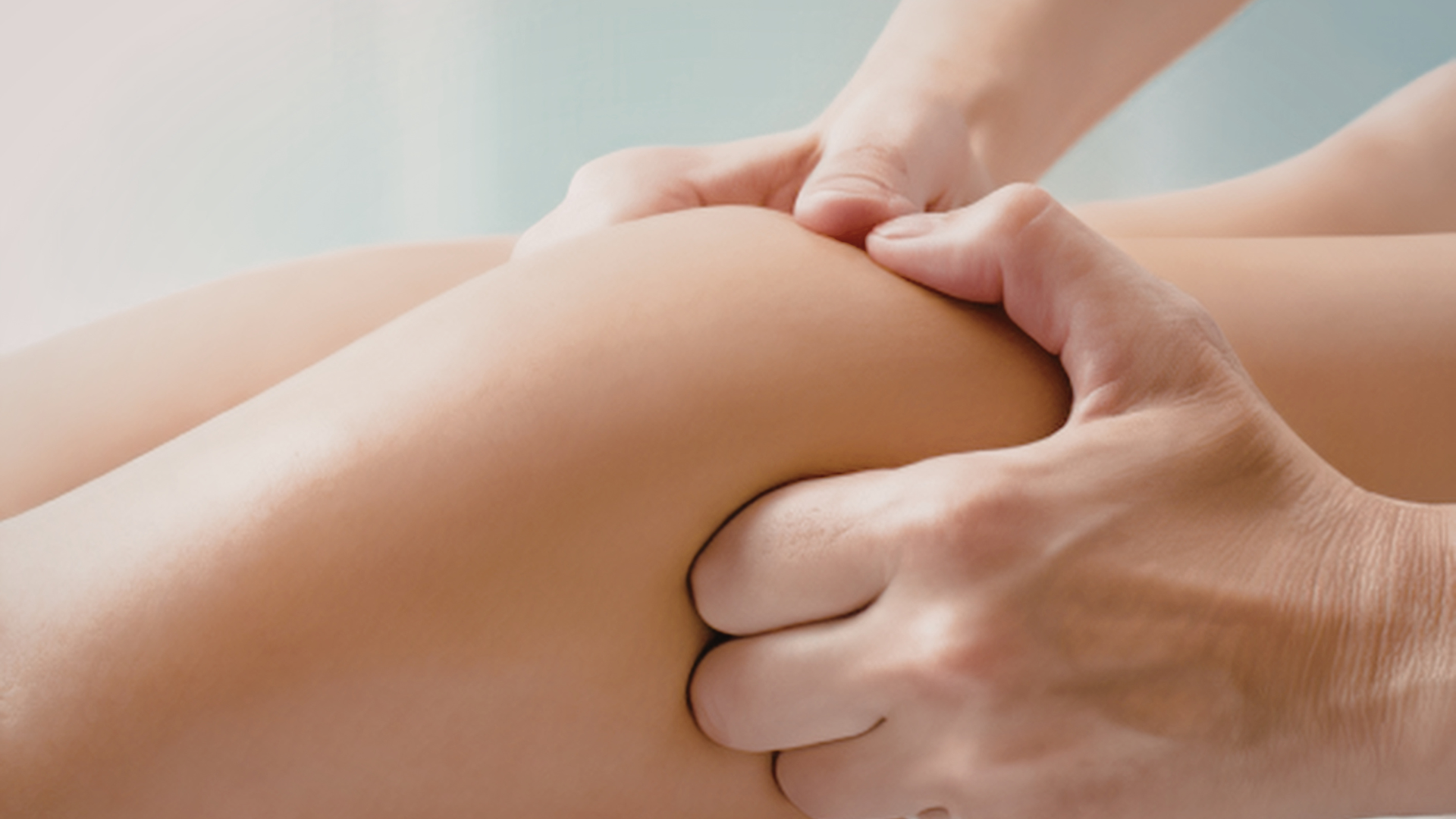
Unwind overworked joints before bed with a 10-minute essential oil massage. Get dilution tips, techniques, and simple routines for soothing nighttime comfort.
Build a gentle, toxin-free facial care routine with essential oils. Discover safe dilution, patch testing, AM/PM steps and tips for cleaner, healthier skin.

Discover 3 simple essential oil routines to ease work-life stress. Get safety tips and quick scent cues for calm focus and evening wind-downs.
Explore gentle, kid-safe essential oil blends to support your family's cold and flu wellness routines with safe dilution, diffusion tips, and home habits.
Discover a practical monthly menstrual self-care ritual using essential oils, heat, movement, and grounding habits. Safe, realistic tips for comfort and calm.

Kickstart your day with a 10-minute morning ritual using essential oils to support immunity, hydration, hygiene, and stress relief. Simple family tips.