
Top 5 Essential Oil Blends for Digestive Comfort
December 21, 2025
Gentle, everyday “gut support” rituals—without overcomplicating your routine
Digestive discomfort can show up in everyday life—after a rushed meal, during stressful weeks, when travel throws off routines, or when you’re simply not hydrating enough. At YL Family
, we focus on practical, family-friendly wellness habits that help you feel more comfortable in your body while keeping things simple and consistent.
This guide shares five essential oil blend ideas (plus easy ways to use them) designed to support a sense of digestive comfort through aroma, relaxation, and soothing self-care. It’s educational, not medical advice—and it’s built for real life.
This guide shares five essential oil blend ideas (plus easy ways to use them) designed to support a sense of digestive comfort through aroma, relaxation, and soothing self-care. It’s educational, not medical advice—and it’s built for real life.
First: what “digestive comfort” support looks like (and what it doesn’t)
Essential oils are most commonly used for digestive comfort in ways that support the mind–body connection
: helping you slow down, release tension, and create calming routines around meals and rest. Research on aromatherapy is strongest for certain symptoms like nausea in specific settings, and it’s best viewed as a complement
to healthy habits—not a substitute for medical care. ( pubmed.ncbi.nlm.nih.gov)
Important safety note: Avoid making essential oils a “more is better” situation. Start low, dilute for topical use, avoid eyes and sensitive areas, and be extra cautious with kids, pregnancy, and pets. Also, some citrus oils can increase sun sensitivity when used on skin—more on that below. ( tisserandinstitute.org)
Important safety note: Avoid making essential oils a “more is better” situation. Start low, dilute for topical use, avoid eyes and sensitive areas, and be extra cautious with kids, pregnancy, and pets. Also, some citrus oils can increase sun sensitivity when used on skin—more on that below. ( tisserandinstitute.org)
The Top 5 Essential Oil Blend Themes for Digestive Comfort
Below are five blend “themes” you can use in a diffuser, personal inhaler, or diluted topical roller. Each includes a starter recipe, plus when people typically reach for it.
1) The “After-Meal Reset” Blend (mint-forward)
Why people like it:
A crisp, cooling aroma that feels refreshing after meals—especially when you want to relax and de-bloat your mind as much as your body.
Starter blend: Peppermint + Spearmint + a touch of Cardamom (optional).
How to use: Diffuse for 15–30 minutes after meals, or use a personal inhaler for a few slow breaths.
Peppermint aromatherapy has been studied for nausea support in certain contexts and may be a helpful complementary tool for settling sensations of queasiness. ( pubmed.ncbi.nlm.nih.gov)
Starter blend: Peppermint + Spearmint + a touch of Cardamom (optional).
How to use: Diffuse for 15–30 minutes after meals, or use a personal inhaler for a few slow breaths.
Peppermint aromatherapy has been studied for nausea support in certain contexts and may be a helpful complementary tool for settling sensations of queasiness. ( pubmed.ncbi.nlm.nih.gov)
2) The “Settle & Soothe” Blend (ginger + warm spice)
Why people like it:
Ginger’s aroma is comforting and “grounding,” especially when your stomach feels a little unsettled due to travel, nerves, or rich foods.
Starter blend: Ginger + Sweet Orange (or another gentle citrus) + a hint of Cinnamon Bark (optional, very low).
How to use: Inhale from hands (no skin contact with eyes), diffuse briefly, or use a well-diluted roller on the upper chest.
Ginger aromatherapy has been studied in nausea settings (with mixed results depending on the population and design), and it’s commonly used as a non-invasive comfort tool. ( pubmed.ncbi.nlm.nih.gov)
Starter blend: Ginger + Sweet Orange (or another gentle citrus) + a hint of Cinnamon Bark (optional, very low).
How to use: Inhale from hands (no skin contact with eyes), diffuse briefly, or use a well-diluted roller on the upper chest.
Ginger aromatherapy has been studied in nausea settings (with mixed results depending on the population and design), and it’s commonly used as a non-invasive comfort tool. ( pubmed.ncbi.nlm.nih.gov)
3) The “Tension-to-Release” Blend (stress support for the gut)
Why people like it:
When stress rises, digestion often feels “tighter.” This blend theme prioritizes relaxation first.
Starter blend: Lavender + Frankincense + Bergamot (or Cedarwood if you prefer non-citrus).
How to use: Diffuse during dinner prep, add to a relaxing evening routine, or apply (diluted) to shoulders/neck.
Sun note: If your Bergamot is expressed/cold-pressed and used topically, avoid UV exposure on that skin area for at least 12 hours (or follow product-specific guidance). ( tisserandinstitute.org)
Starter blend: Lavender + Frankincense + Bergamot (or Cedarwood if you prefer non-citrus).
How to use: Diffuse during dinner prep, add to a relaxing evening routine, or apply (diluted) to shoulders/neck.
Sun note: If your Bergamot is expressed/cold-pressed and used topically, avoid UV exposure on that skin area for at least 12 hours (or follow product-specific guidance). ( tisserandinstitute.org)
4) The “Gentle Morning” Blend (light + bright, not overpowering)
Why people like it:
A fresh start blend when you want your morning to feel lighter—especially if your appetite and schedule need a reset.
Starter blend: Lemon (or Citrus Fresh-style profile) + Peppermint + Rosemary (optional).
How to use: Diffuse 10–20 minutes while you hydrate and eat breakfast slowly.
Sun note: Many cold-pressed citrus oils can be phototoxic in leave-on topical products; diffusing is a great alternative when you’re heading outdoors. ( tisserandinstitute.org)
Starter blend: Lemon (or Citrus Fresh-style profile) + Peppermint + Rosemary (optional).
How to use: Diffuse 10–20 minutes while you hydrate and eat breakfast slowly.
Sun note: Many cold-pressed citrus oils can be phototoxic in leave-on topical products; diffusing is a great alternative when you’re heading outdoors. ( tisserandinstitute.org)
5) The “Comforting Bedtime” Blend (rest + digestive ease)
Why people like it:
Late dinners, busy evenings, and screen time can make the body feel “wired.” This blend theme supports downshifting.
Starter blend: Lavender + Roman Chamomile + a touch of Vanilla-style aroma (if you have it) or Cedarwood.
How to use: Diffuse 30 minutes before bed, then turn off the diffuser as you fall asleep.
A calm bedtime routine is often one of the simplest ways to support overall comfort—because digestion and rest are closely linked in daily life.
Starter blend: Lavender + Roman Chamomile + a touch of Vanilla-style aroma (if you have it) or Cedarwood.
How to use: Diffuse 30 minutes before bed, then turn off the diffuser as you fall asleep.
A calm bedtime routine is often one of the simplest ways to support overall comfort—because digestion and rest are closely linked in daily life.
Did you know? Quick facts that make essential oil routines more effective
Short sessions are often enough.
Diffusing for 15–30 minutes can be plenty—especially in smaller rooms.
Aromatherapy is widely used for nausea comfort in clinical settings.
Systematic reviews and trials suggest inhaled aromatherapy can reduce nausea severity in some contexts, though evidence quality and results vary by situation and oil used. ( pubmed.ncbi.nlm.nih.gov)
Topical citrus needs sun awareness.
Phototoxicity risk is mainly about leave-on skin application + UV exposure, and guidelines exist for safer concentrations (especially for bergamot). ( tisserandinstitute.org)
Quick comparison: best method by situation
| If you’re dealing with… | Try this method | Why it’s practical | Notes |
|---|---|---|---|
| Post-meal “full” feeling | Diffuse mint blend 15–30 min | Low effort, family-friendly | Start with fewer drops |
| Travel or occasional nausea | Personal inhaler (ginger/mint) | Portable, fast to use | Evidence supports aromatherapy for nausea in some settings ( pubmed.ncbi.nlm.nih.gov) |
| Stress-related “tight” stomach | Diffuse lavender/bergamot | Supports calm during transitions | Avoid topical phototoxic citrus before sun ( tisserandinstitute.org) |
| You want targeted topical comfort | Diluted roller (chest/abdomen area) | Easy habit to repeat | Patch test; avoid broken skin |
Step-by-step: build a simple “digestive comfort” routine in 7 minutes
Step 1: Choose your moment
Pick one daily cue: after lunch
, after dinner
, or before bed
. Consistency matters more than the “perfect” oil.
Step 2: Set the environment
Pour a glass of water, sit down, and do a quick posture reset (shoulders down, jaw unclenched). If you’re diffusing, keep the session short—especially around kids.
Step 3: Use aroma intentionally (2 minutes)
If using a personal inhaler or diffuser: inhale slowly, aiming for a longer exhale than inhale. Many people find this helps the body shift from “go mode” to “rest mode.”
Step 4: Keep topical use gentle
If you prefer a roller, dilute appropriately, use small amounts, and avoid any phototoxic citrus on skin that will be exposed to sunlight. If you’re unsure whether your citrus oil is phototoxic, play it safe and stick to diffuser use. ( tisserandinstitute.org)
A practical U.S. angle: digestive comfort routines for travel, holidays, and busy seasons
If you live in the United States, chances are your calendar includes road trips, flights, school schedules, holiday meals, and fast pivots between work and family life. Those changes can disrupt the basics that support digestive comfort: hydration, regular mealtimes, movement, and sleep
.
Consider keeping a “comfort kit” that’s more about habits than hype:
When symptoms feel unusual, intense, or persistent, it’s always appropriate to consult a qualified healthcare professional for individualized guidance.
Consider keeping a “comfort kit” that’s more about habits than hype:
• A personal inhaler blend (mint-forward or ginger-forward)
• A water bottle you actually like using
• A 10-minute walk after meals when possible
• A short wind-down routine to support rest
When symptoms feel unusual, intense, or persistent, it’s always appropriate to consult a qualified healthcare professional for individualized guidance.
Explore digestive comfort essentials with YL Family
If you’d like help choosing oils for a simple, supportive routine—or you want to stock a few “go-to” blends for your home—YL Family makes it easy to shop and build a plan that fits your lifestyle.
FAQ: Essential oils for gut support & digestive comfort
Which essential oils are most commonly used for digestive comfort?
Peppermint and ginger are two of the most commonly used aromas for occasional nausea and unsettled feelings, with lavender often added for relaxation support. Research varies by setting, but aromatherapy has shown potential benefits for nausea severity in certain contexts. ( pubmed.ncbi.nlm.nih.gov)
Is diffusing better than applying oils to the skin?
For many families, diffusing is the simplest starting point. Topical use can be great too, but it requires proper dilution and extra safety awareness—especially with certain citrus oils that can increase sun sensitivity when left on skin. ( tisserandinstitute.org)
Can I use these blends for kids?
Kids require extra caution with essential oils. Use fewer drops, prioritize gentle options, keep sessions short, and consider expert guidance for age-appropriate choices and dilution. If you have questions, reach out to YL Family for help selecting a simple, conservative routine.
What’s the safest way to start if I’m sensitive to scents?
Start with a single oil (like lavender or spearmint), use 1–2 drops in a diffuser, and diffuse for 10 minutes. If that feels good, you can slowly build up.
How are aromatherapy products regulated in the U.S.?
In the U.S., how an aromatherapy product is regulated depends on its intended use and the claims being made (for example, cosmetic vs. drug claims). It’s a good reason to stick with supportive wellness language and avoid disease claims. ( fda.gov)
Glossary (helpful terms)
Aromatherapy
Using aromatic plant extracts (like essential oils) through inhalation or topical application to support well-being.
Diffuser
A device that disperses essential oil aroma into the air, often using water and ultrasonic vibration.
Dilution
Mixing essential oils into a carrier (like jojoba or coconut oil) before applying to skin to reduce irritation risk.
Phototoxicity
A skin reaction that can occur when certain oils (often cold-pressed citrus) are applied to skin and then exposed to UV light; safety guidelines recommend limits for leave-on products. ( tisserandinstitute.org)
Personal inhaler
A small portable device with a cotton wick that holds essential oils for convenient, low-mess inhalation.

Discover teen-friendly bedtime routines with gentle essential oils for 8–10 hours of sleep. Try simple wind-down steps for calmer nights and rested mornings.
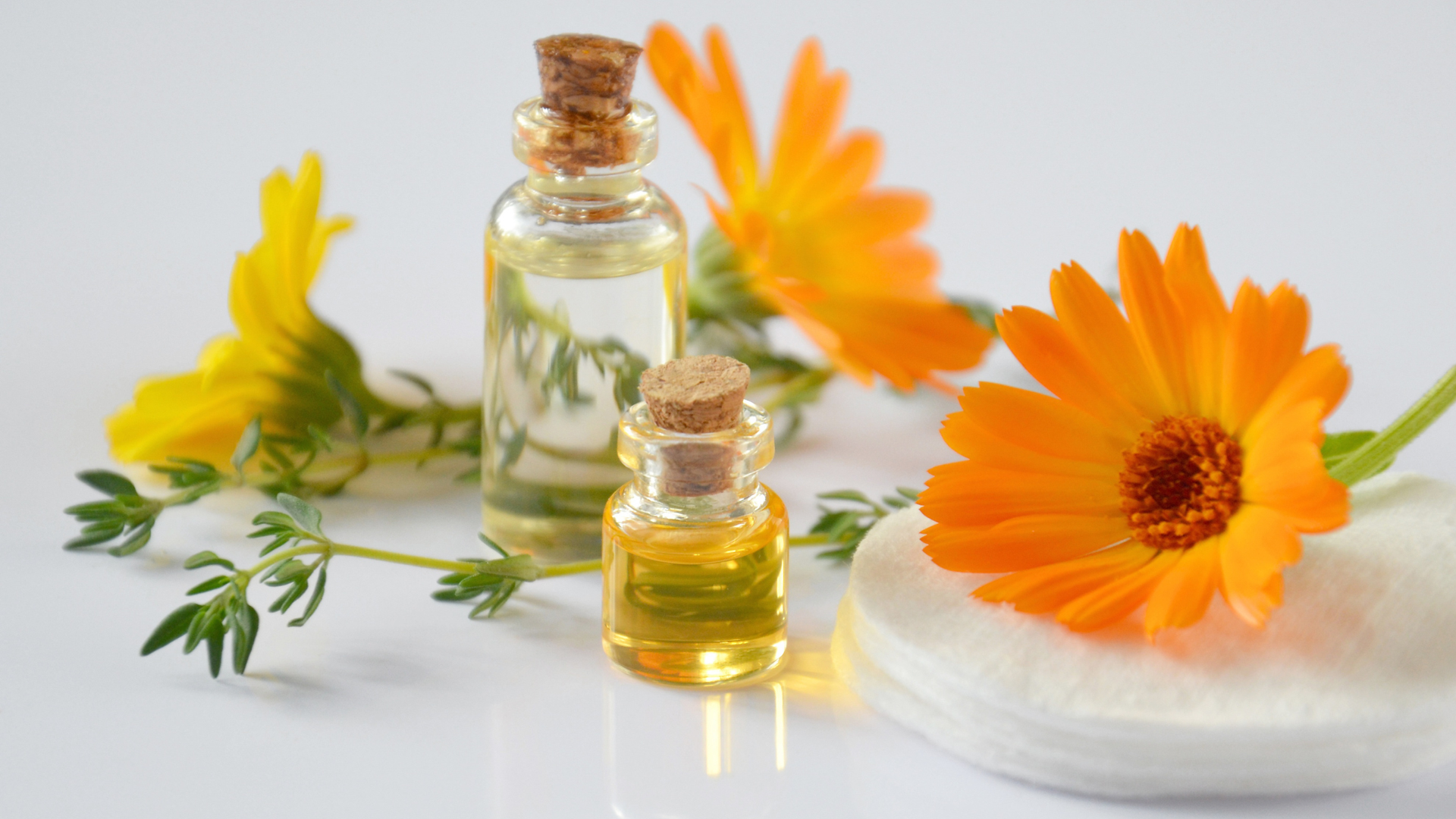
Learn essential oil safety & dilution basics with practical tips. Discover phototoxicity warnings, dilution ratios, and beginner routines for confident, safe use.
Learn to make eco-friendly DIY cleaning tablets with baking soda, citric acid & essential oils for effective, low-toxin home cleaning and reduced plastic waste.
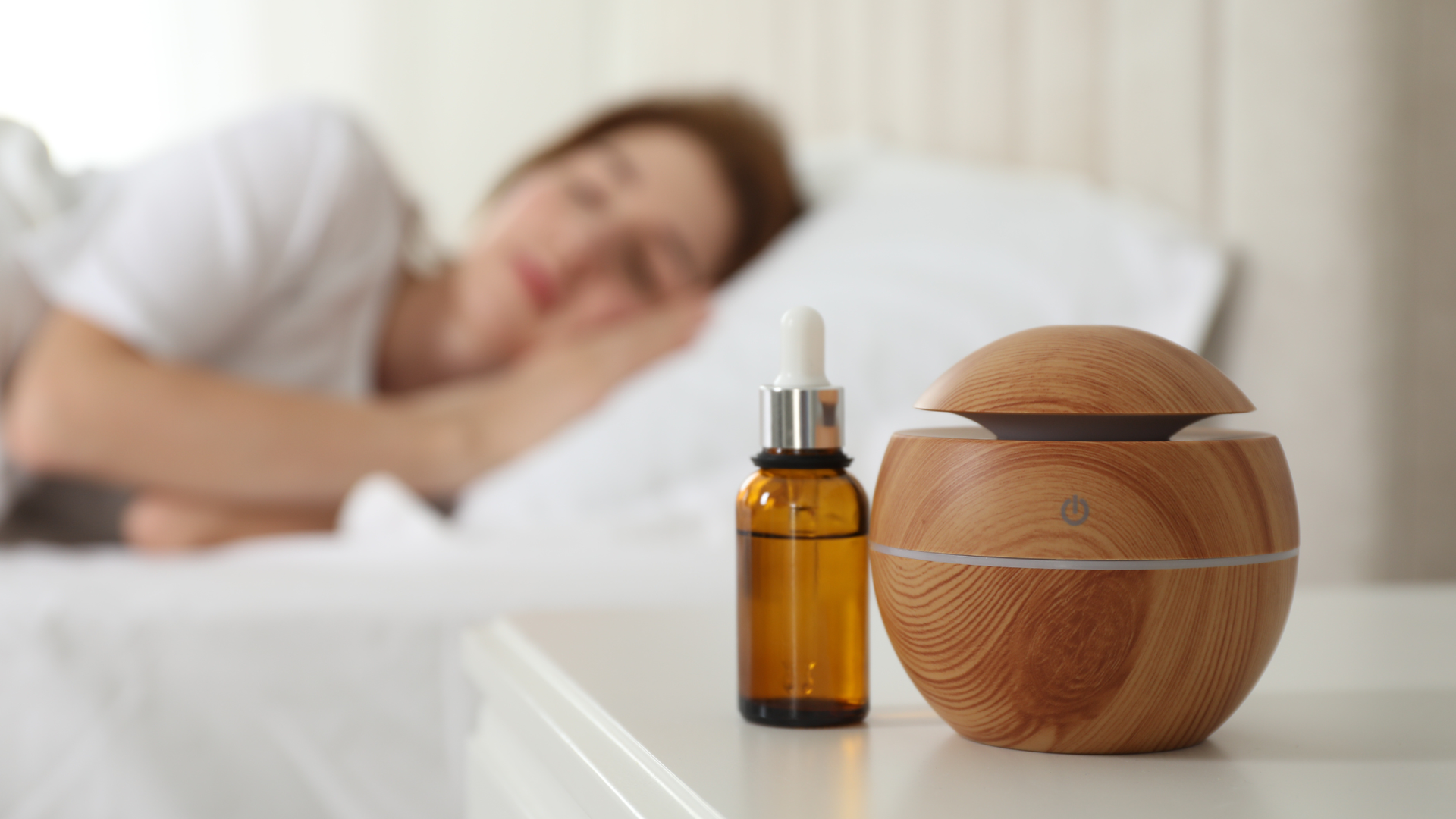
Learn to use essential sleep oils topically or aromatically for a calming bedtime routine. Get practical tips on diffusing, dilution, habit-building.
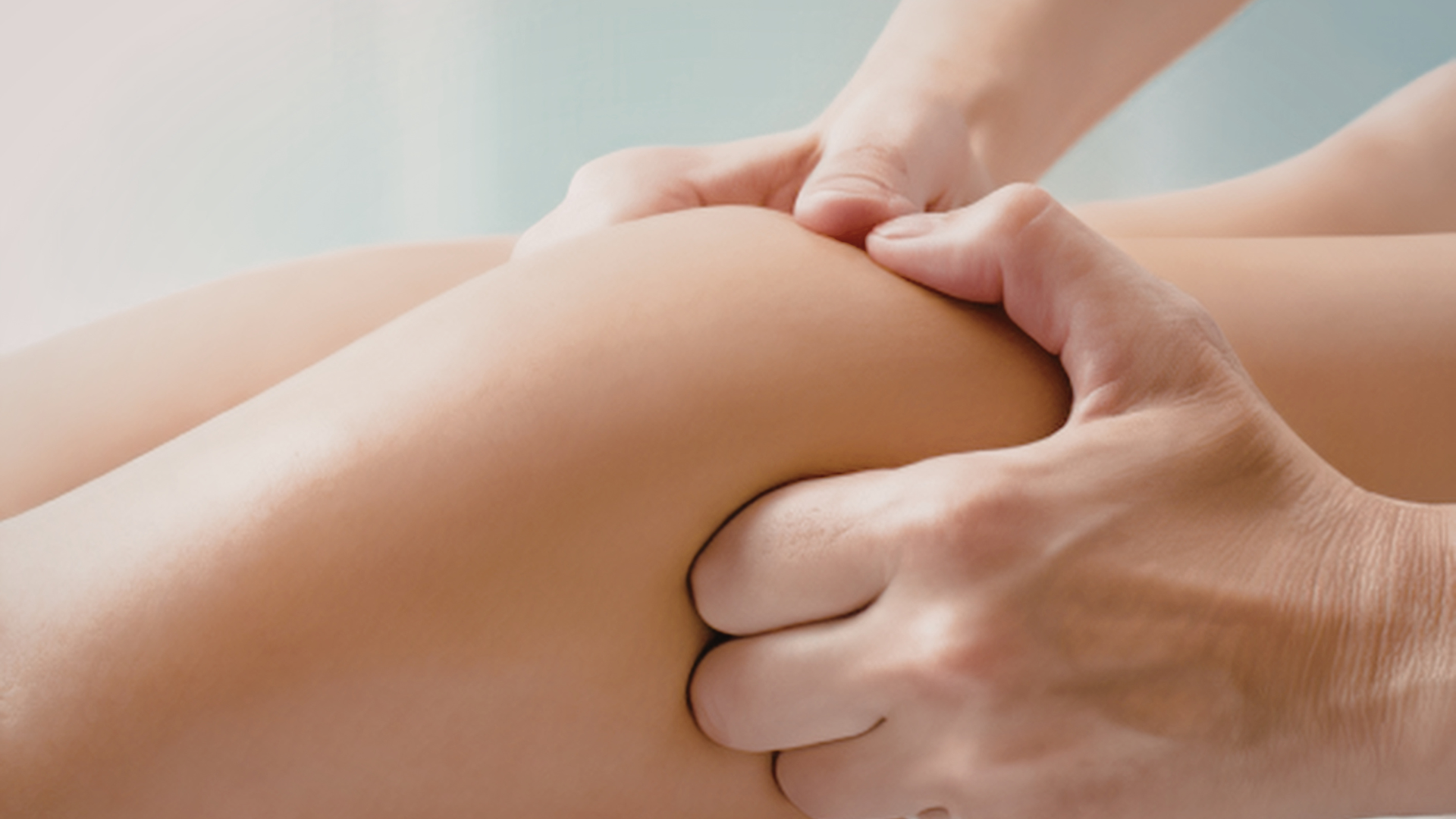
Unwind overworked joints before bed with a 10-minute essential oil massage. Get dilution tips, techniques, and simple routines for soothing nighttime comfort.
Build a gentle, toxin-free facial care routine with essential oils. Discover safe dilution, patch testing, AM/PM steps and tips for cleaner, healthier skin.

Discover 3 simple essential oil routines to ease work-life stress. Get safety tips and quick scent cues for calm focus and evening wind-downs.
Explore gentle, kid-safe essential oil blends to support your family's cold and flu wellness routines with safe dilution, diffusion tips, and home habits.

Discover a practical monthly menstrual self-care ritual using essential oils, heat, movement, and grounding habits. Safe, realistic tips for comfort and calm.

Kickstart your day with a 10-minute morning ritual using essential oils to support immunity, hydration, hygiene, and stress relief. Simple family tips.