Essential Oils for Jet Lag Recovery: Reclaim Rest After Travel
A calmer landing: support your sleep, mood, and rhythm—naturally
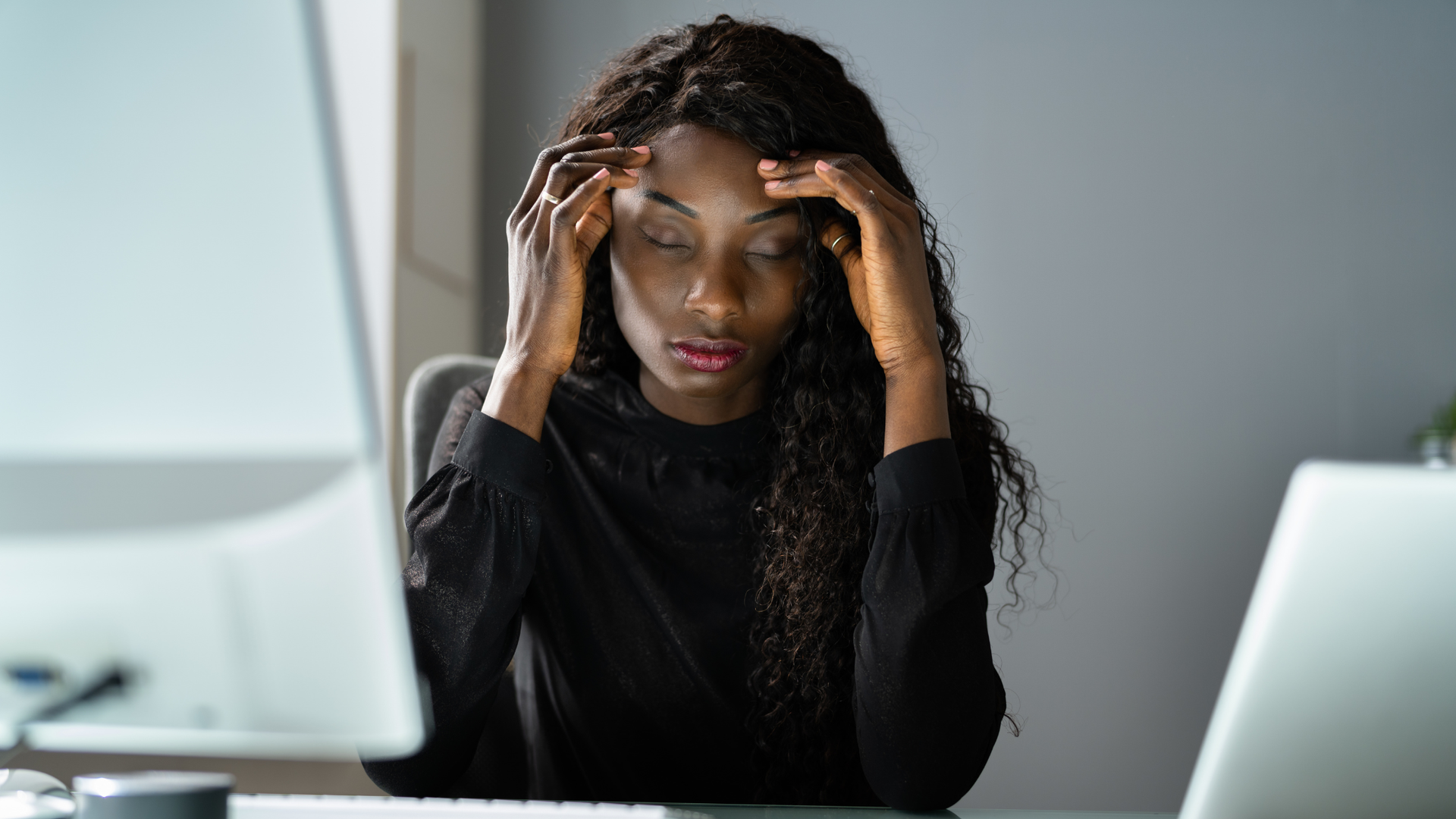
Jet lag can make even the best trip feel like you’re walking through fog: tired but wired at night, hungry at odd hours, moody, dehydrated, and unable to settle. The good news is that recovery isn’t just about “pushing through.” With a smart circadian reset plan (light, timing, hydration, and movement) plus gentle aromatherapy, you can help your body find its rhythm again—without overcomplicating your routine. At YL Family, we love pairing practical travel science with plant-powered wellness so families can bounce back faster and feel grounded wherever they land.
Why jet lag hits so hard (and what actually helps)
Jet lag is primarily a mismatch between your internal body clock (circadian rhythm) and your new local time. Travel fatigue (sleep loss, cabin dryness, stress, and cramped posture) piles on top of that mismatch, making symptoms feel worse. Evidence-based strategies consistently come back to the same essentials: timed light exposure, sleep scheduling, hydration, and smart use of caffeine—plus, for some travelers, carefully timed melatonin. The CDC’s traveler guidance emphasizes shifting sleep before travel, maximizing daylight at your destination, staying hydrated, avoiding excess alcohol, and keeping naps short. ( wwwnc.cdc.gov)
Where essential oils fit in: Essential oils won’t “change time zones” for you, but they can support the experience—especially when your goal is to relax, settle your mind at bedtime, and create a consistent sleep cue in unfamiliar environments (airports, hotels, guest rooms). Research on lavender aromatherapy in adults suggests a meaningful sleep-quality benefit in multiple randomized trials and meta-analyses. ( pubmed.ncbi.nlm.nih.gov)
The “Travel Recovery Blend” approach: rest + hydration cues + rhythm reset
Think of jet lag recovery as a three-part system. You’ll get the best results when you combine: (1) a consistent rest cue , (2) hydration + comfort habits , and (3) circadian timing .
1) Rest cue (aromatherapy that signals “bedtime”)
Lavender is one of the most studied essential oils for sleep support. Many travelers use it as a “conditioned cue”—a scent you associate with winding down. In studies, lavender aromatherapy has been linked with improved sleep quality in adults (results vary by setting, dose, and design, but the pattern is promising). ( pubmed.ncbi.nlm.nih.gov)
2) Hydration + comfort habits (reduce “travel fatigue” load)
Dehydration and disrupted meals can intensify headaches, sluggishness, and irritability. CDC guidance highlights drinking plenty of water, limiting alcohol (which disrupts sleep), and using caffeine strategically (helpful earlier, avoid in the evening). ( wwwnc.cdc.gov)
3) Rhythm reset (light and timing do the heavy lifting)
Light is the strongest signal to your circadian clock. After arrival, daytime light exposure and a consistent local bedtime help your body adapt. Short naps (about 15–30 minutes) can help you function, but long naps can delay nighttime sleep. ( wwwnc.cdc.gov)
Quick “Did you know?” jet lag facts
- Crossing 3+ time zones is where jet lag typically becomes more noticeable, and “destination-time” habits matter most. ( wwwnc.cdc.gov)
- Alcohol can worsen sleep quality and contribute to dehydration—two things that amplify jet lag symptoms. ( wwwnc.cdc.gov)
- Short naps beat long naps when you’re trying to reset your clock; longer naps can make it harder to fall asleep at night. ( wwwnc.cdc.gov)
- Lavender aromatherapy has clinical research behind it for sleep-quality support in adults, though it’s not a substitute for circadian timing strategies. ( pubmed.ncbi.nlm.nih.gov)
Step-by-step: a simple jet lag recovery routine (with essential oils)
Step 1: Start shifting your schedule (2–3 days before you fly)
If you can, move your bedtime and wake time toward your destination by about an hour per day. Westbound travel often benefits from going to bed later; eastbound travel often benefits from going to bed earlier. ( wwwnc.cdc.gov)
Step 2: Build a “travel rest kit” (small, repeatable cues)
Consistency matters more than complexity. Pack a few items you’ll use the same way on every trip:
- A small essential oil (lavender is a classic “wind-down” scent) for aromatic use.
- An eye mask and earplugs (light and noise control support sleep signals). ( health.com)
- A refillable bottle so hydration is easy the moment you land. ( wwwnc.cdc.gov)
- Comfort basics (layering, neck support) to reduce “micro-stress” while traveling. ( health.com)
Step 3: On the plane: act like you’re already in the destination time zone
Time your meals, naps, and light exposure based on your destination clock (not your departure clock). Keep alcohol minimal, hydrate consistently, and use caffeine earlier in the “destination day” only—avoid it close to your planned bedtime. ( cdc.gov)
Step 4: After you land: daylight first, then a calm wind-down ritual
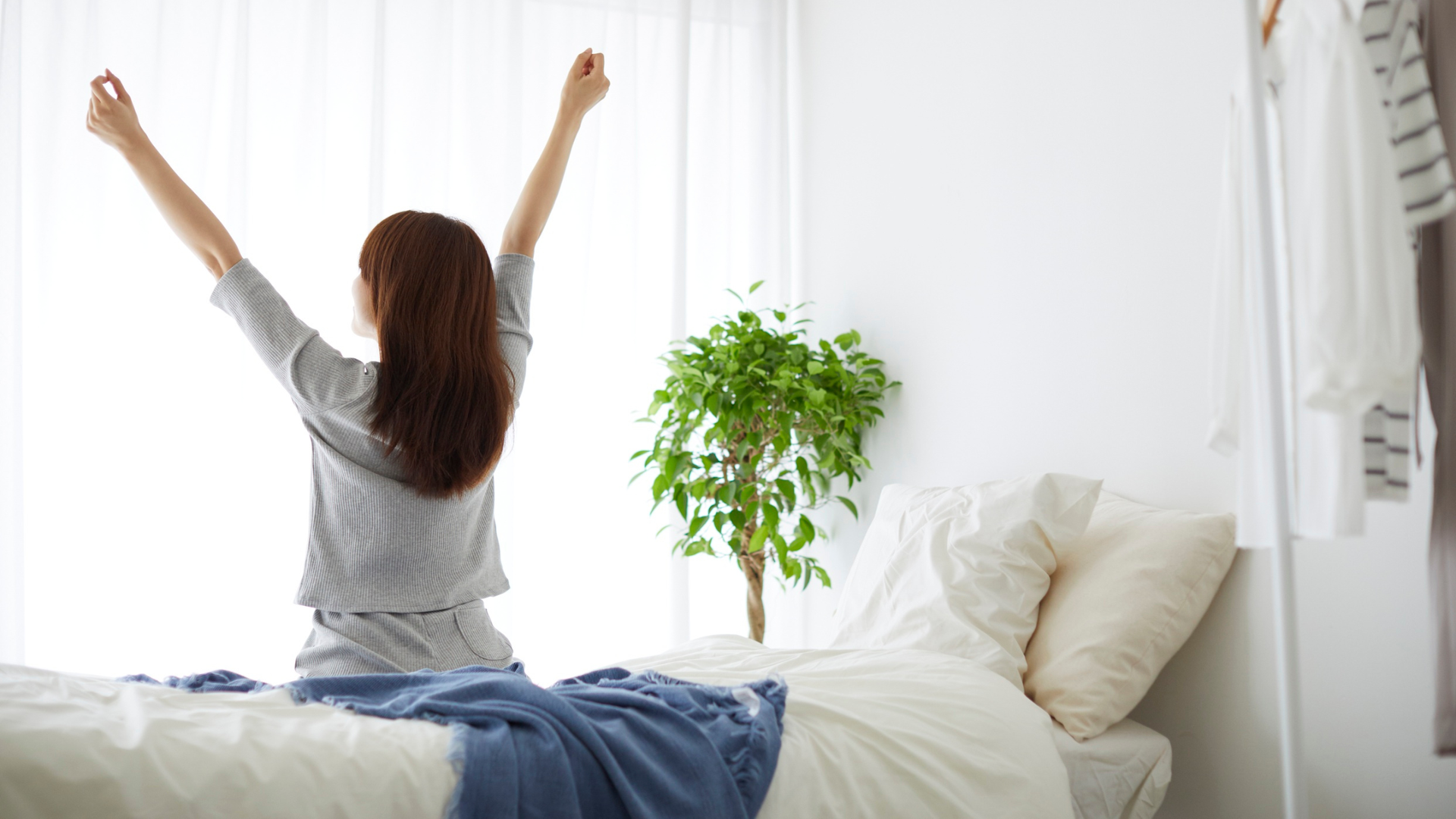
Get outside during the local daytime—even a walk can help. When evening comes, make your sleep environment predictable: dim lights, cooler room, minimal screens, and a consistent scent cue (like lavender) as part of your bedtime routine. CDC guidance also supports short naps (20–30 minutes) if needed, but avoid long daytime sleep that can keep you up at night. ( cdc.gov)
Safety note: Use essential oils as directed and avoid applying undiluted oils to sensitive skin. If you’re pregnant, have asthma, or are using products for children, consider extra caution and consult a clinician when appropriate.
Quick reference table: what to do when
| Timing | Circadian move | Body support | Essential oil support (aromatic) |
|---|---|---|---|
| 2–3 days pre-trip | Shift bedtime/wake time toward destination (when possible). ( cdc.gov) | Prioritize sleep, pack for comfort. | Choose a calming scent you’ll repeat nightly. |
| Flight day | Run your schedule on destination time. ( cdc.gov) | Hydrate; avoid excess alcohol; caffeine earlier only. ( wwwnc.cdc.gov) | Use scent cue with an eye mask/earplugs to encourage relaxation. ( health.com) |
| First 48 hours | Get daylight during local daytime; keep naps short. ( wwwnc.cdc.gov) | Walk, eat lighter in the evening, keep hydration steady. ( wwwnc.cdc.gov) | Lavender aromatherapy may support sleep quality as part of a bedtime routine. ( pubmed.ncbi.nlm.nih.gov) |
| Remainder of the week | Keep local sleep window consistent. | Avoid late caffeine; scale workouts gradually. | Maintain your scent cue to reinforce the habit. |
A United States travel angle: common jet lag scenarios
In the United States, many travelers experience jet lag from coast-to-coast trips (East Coast to Mountain or Pacific time, and vice versa), as well as international routes into major hubs. Even a 2–3 hour shift can disrupt bedtime—especially for parents traveling with kids, early-morning conference schedules, or anyone already running a little sleep-deprived.
If you travel often for work
Try a “first-night” checklist: daylight walk after arrival, early dinner, short nap only if needed, then the same bedtime routine you do at home (shower, dim lights, calming scent). Consistency helps your brain recognize, “This is sleep time,” even in a hotel.
CTA: Build your travel recovery routine with YL Family
Want a simple, repeatable setup for travel days—rest cues, wellness essentials, and toxin-free swaps that support your routine on the road? Explore YL Family’s curated wellness options and stock your travel bag with confidence.
FAQ: Essential oils and jet lag recovery
What are the best essential oils for jet lag?
For most travelers, “best” means oils that support relaxation and a consistent bedtime cue. Lavender is a popular choice with research support for sleep-quality benefits in adults. ( pubmed.ncbi.nlm.nih.gov)
How do I use essential oils while traveling?
Keep it simple: use aromatically as part of your wind-down ritual (for example, a few minutes of quiet breathing with your preferred scent before sleep). Avoid introducing brand-new products mid-flight if you’re sensitive, and always follow label directions.
What’s the fastest way to recover from jet lag?
The biggest levers are timed light exposure, shifting your schedule toward destination time, hydration, and avoiding alcohol. Short naps can help, but long naps can delay nighttime sleep. ( wwwnc.cdc.gov)
Does melatonin help with jet lag?
Melatonin can be part of jet lag management for some travelers, but timing matters and it’s not right for everyone. The CDC lists timed melatonin as one possible strategy and recommends discussing medications or sleep aids with your healthcare provider. ( wwwnc.cdc.gov)
Glossary
Circadian rhythm: Your internal 24-hour timing system that influences sleep, energy, appetite, and hormones.
Timed light exposure: Using bright light (usually daylight) at specific times to help shift your body clock toward local time. ( cdc.gov)
Aromatherapy: The use of natural plant aromas (like essential oils) to support relaxation and wellbeing; research suggests lavender aromatherapy may support sleep quality in adults. ( pubmed.ncbi.nlm.nih.gov)