Essential Oils for Pet Odor Control: Keep Your Home Fresh (Without Overpowering Your Pets)
A cleaner-smelling home can be toxin-conscious and pet-aware
If you share your home with a dog, cat, or multiple furry roommates, you already know the “pet smell” isn’t just one thing. It can be wet fur, dander, litter box odor, accidents on carpet, or that lingering funk in fabrics and soft furniture. Many conventional air fresheners mask odor with heavy fragrance (and can add indoor air pollutants), while some DIY essential oil approaches can be too intense for sensitive pet noses.
This guide offers a practical, pet-aware way to use essential oils for pet odor control —focusing on safer habits, gentle dilution, and smart cleaning steps so your home smells fresh without turning your living room into a “scent cloud.”
Start with the most effective odor strategy: remove, then refresh
A “natural air freshener” works best when it’s the final step—not the only step. Pet odor molecules cling to proteins (saliva), oils (skin/coat), and porous surfaces (carpet padding, upholstery). If you only add scent on top, the odor tends to rebound quickly.
The 3-part pet odor reset
1) Remove the source: wash bedding, vacuum upholstery, scoop litter daily, and address accidents promptly.
2) Neutralize: use enzyme cleaners for urine and organic messes; ventilate rooms to reduce buildup.
3) Refresh lightly: if you use essential oils, think “subtle and short,” not “strong and constant.”
Pet safety matters: “Essential oil pet safe” is about method, dose, and species
Essential oils are concentrated plant compounds. The same potency that makes them appealing can also create risk—especially when pets inhale them, get them on their fur, or lick residues off paws and coats. The ASPCA notes that pets exposed to concentrated oils may show signs like vomiting, diarrhea, and depression, and recommends avoiding direct application and “pet-proofing” oils and diffusers. ( aspca.org)
Dogs and cats are not the same. Cats, in particular, can be more sensitive to certain compounds due to differences in metabolism. Birds have extremely sensitive respiratory systems, and the ASPCA advises avoiding diffusers in homes with birds. ( aspca.org)
Common oils to be cautious with around pets
Veterinary and animal welfare sources frequently flag oils such as tea tree (melaleuca) , peppermint , citrus , pine , cinnamon , and ylang ylang as higher-risk—especially with direct exposure or concentrated use. ( akc.org)
Practical rule: if you’re unsure, don’t diffuse it—choose a different method (like cleaning + ventilation) and ask your veterinarian for guidance.
| Approach | Odor impact | Pet exposure level | Best use |
|---|---|---|---|
| Ventilation + filtration | High (removes airborne odor) | Low | Daily freshness baseline |
| Enzyme cleaner (for accidents) | Very high (breaks down source) | Low (when used as directed) | Urine, vomit, organic messes |
| Light, time-limited diffusion | Medium (adds pleasant scent) | Medium (airborne exposure) | Short refresh in a ventilated room |
| DIY sprays on pet-level surfaces | Medium | Higher (paws/fur contact) | Avoid or use with extra caution |
If you’re trying to reduce “chemical perfume” smells at home, you’re not alone. The EPA notes that volatile organic compounds (VOCs) can come from many household products and can contribute to irritation and other health effects depending on exposure. ( epa.gov)
Did you know? Quick pet-odor facts that save time
How to freshen the air with essential oils (pet-aware step-by-step)
If you want to use essential oils for pet odor control, aim for minimal effective scent . The AKC emphasizes that essential oils are potent, and improper use can cause problems; it’s best to avoid direct use without professional guidance and to store oils securely. ( akc.org)
Step 1: Choose your “freshness zone”
Pick a room where pets can easily leave (doorway open), and avoid diffusing where your pet sleeps, eats, or is confined. If you have birds, skip diffusers entirely. ( aspca.org)
Step 2: Use the lowest effective amount for the shortest time
Start with fewer drops than you think you need, diffuse briefly, and reassess. Watch your pet’s behavior: leaving the room, pawing at the face, sneezing, drooling, coughing, or acting “off” are signals to stop and ventilate.
Step 3: Keep oils off fur, paws, collars, and bedding
Avoid applying essential oils directly to pets unless your veterinarian specifically instructs you to. Ingestion can occur during grooming, and concentrated oils can cause GI upset and other issues. ( aspca.org)
Step 4: Build a “fresh home” routine that doesn’t rely on fragrance
Weekly: wash pet blankets, clean floors, vacuum furniture.
Daily: quick lint-roll of couches, litter scoop, spot-clean bowls and feeding area.
As needed: enzyme cleaner for accidents; open windows for 5–15 minutes to exchange indoor air.
Local angle: pet odor control habits that fit homes across the United States
In many parts of the United States, seasonal shifts can make pet odor feel worse—humid summer air can “reactivate” old carpet odors, and closed-up winter homes can trap smells. Two simple adjustments help in most climates:
1) Prioritize air exchange: short, regular ventilation beats a strong fragrance blast.
2) Focus on fabrics: rotate washable throws on sofas and wash them routinely—soft surfaces hold the most “pet smell.”
If you’re building a cleaner, lower-toxin home, you may also like YL Family’s approach to Green Home Living for everyday swaps that support a naturally fresh space.
Shop thoughtfully (and keep it simple)
If your goal is a fresh home that still feels calm and breathable, focus on quality, clear routines, and conservative use. YL Family supports families who want a more toxin-conscious lifestyle with education and curated wellness options.
Explore home and wellness favorites here: https://www.ylfamily.com/shop
For personalized help, you can also reach out via YL Family’s contact page.
FAQ: Essential oils, pets, and odor control
What’s the safest “natural air freshener” if I have pets?
Usually: ventilation (fresh air), HEPA/activated carbon filtration, frequent washing of pet fabrics, and enzyme cleaners for accidents. These reduce odor without adding concentrated scent to the air.
Are any essential oils truly “pet safe”?
“Pet safe” depends on species, concentration, method, and your pet’s health history. Animal welfare guidance emphasizes avoiding direct application and using extra caution with diffusers, especially around cats and birds. ( aspca.org)
Can I diffuse essential oils if my dog is in the room?
The ASPCA notes that short-time diffusion in a secured area is not likely to be an issue for many pets, but you should ensure pets can’t access the diffuser, keep the area ventilated, and avoid diffusion if your pet has breathing problems. ( aspca.org)
Why does pet odor come back even after I clean?
Odor can linger in porous materials (carpet pad, upholstery foam). Humidity and heat can make old residues smell stronger again. Deep cleaning and proper neutralization are more effective than fragrance alone.
What should I do if my pet reacts to essential oils?
Stop use immediately, ventilate the space, and prevent further exposure. Contact your veterinarian. The ASPCA also recommends contacting the ASPCA Animal Poison Control Center if you suspect exposure to a potentially poisonous substance. ( aspca.org)
Glossary (helpful terms for pet odor control)
Activated carbon: A filtration material that adsorbs (traps) odor molecules and some gases, helpful for litter areas and “musty” rooms.
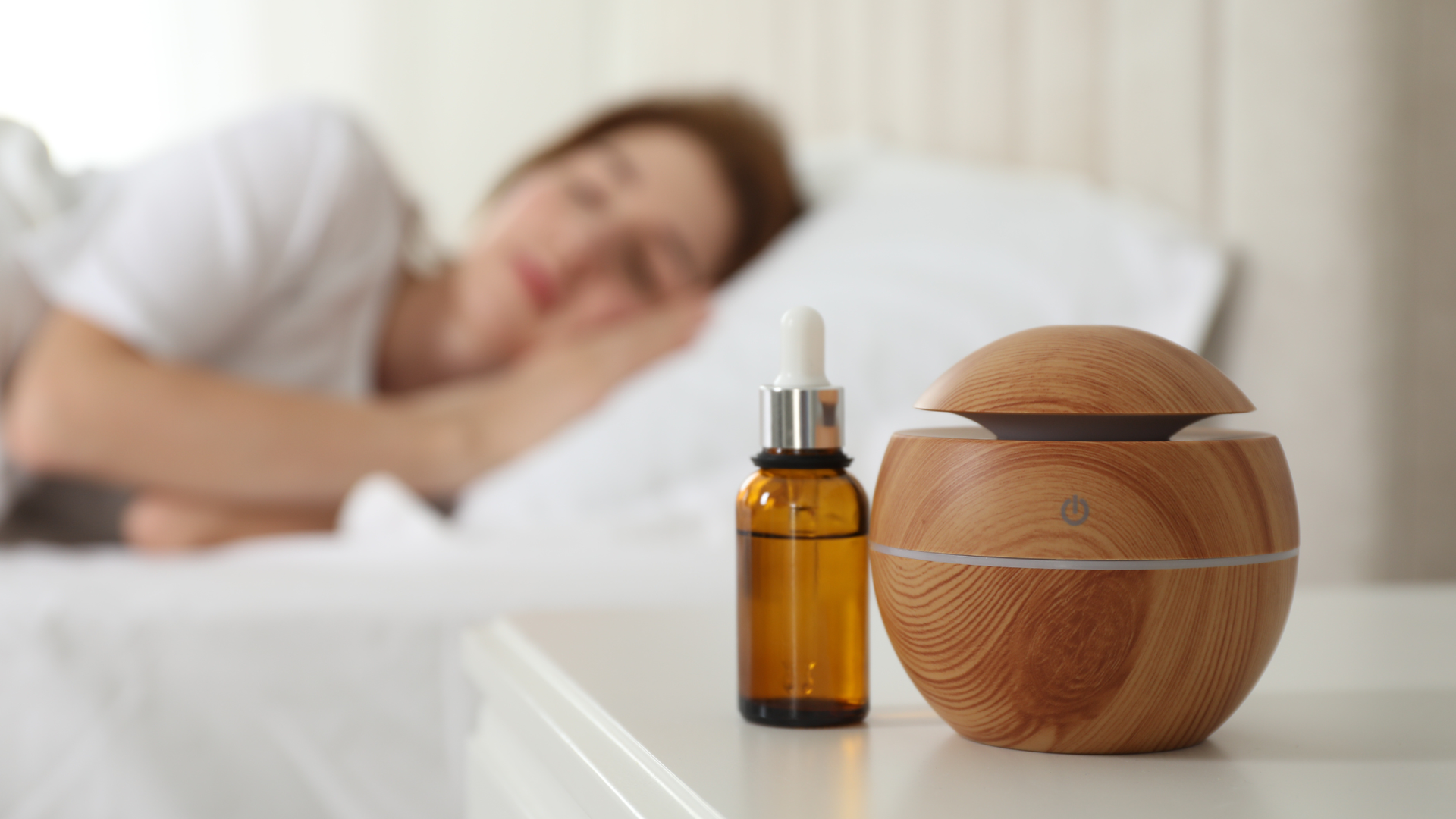
Diffusion: Dispersing essential oil molecules into the air (often via ultrasonic diffuser). This increases inhalation exposure for pets and people.
Enzyme cleaner: A cleaner formulated to break down organic residues (like urine proteins) that cause lingering odor—often essential for pet accident cleanup.
VOCs (Volatile Organic Compounds): Chemicals that evaporate into the air from many products; some can irritate eyes/airways and contribute to other health effects depending on exposure. ( epa.gov)
Pet-proofing: Storing oils and diffusers out of reach to prevent spills, licking, or accidental ingestion. ( aspca.org)